When you stand on the beach, feeling the wind and watching the waves, surf fishing can seem simple. But choosing the right pound line for surf fishing is one of the most important decisions you will make. Using the wrong line can mean lost fish, broken tackle, or wasted time. Many beginners think any line will do, but experienced anglers know that line strength is the backbone of successful surf fishing. The right choice depends on your target fish, local conditions, and even your personal fishing style.
Many new surf anglers ask, “What pound line for surf fishing? ” The answer is not as simple as picking the biggest number. Factors like water clarity, type of bait, fish species, and casting distance all matter. In this guide, you’ll learn exactly how to pick the best pound line for your needs.
We’ll look at the science behind line strength, compare real data, and give you practical advice from years of surf fishing experience. Whether you’re after small whiting or strong striped bass, this article will help you make the best choice for your next trip.
Understanding Line Pound Test
Before you buy any fishing line, it’s important to understand what “pound test” means. The pound test, often just called “test,” is the amount of weight a line can handle before breaking. For example, a 20-pound test line can hold up to 20 pounds of steady pressure. But in real fishing, the pressure comes in quick bursts—like when a fish strikes or the surf tugs your bait.
Many people think they need the strongest line possible. But a thicker, stronger line is more visible to fish and can reduce your casting distance. Choosing the correct pound test is about balancing strength, invisibility, and performance. Lighter lines may break easier, but they often catch more fish because they look more natural in the water.
Key Factors Influencing Pound Line Choice
Selecting the right pound line for surf fishing isn’t about picking a random number. Several important factors should guide your choice:
1. Target Fish Species
Different fish need different line strengths. For example, if you’re targeting small species like pompano or whiting, you won’t need a heavy line. But if you’re after red drum, striped bass, or even sharks, you’ll need a much stronger pound test. Here’s a basic guide:
- Small fish (pompano, whiting, croaker): 8-15 lb test
- Medium fish (bluefish, speckled trout): 15-20 lb test
- Large fish (striped bass, redfish, drum): 20-30 lb test or higher
2. Surf Conditions
The ocean is unpredictable. High waves, strong currents, and rough surf put extra stress on your line. If you often fish in heavy surf, a stronger line gives you a safety margin. In calm water, you can use a lighter, more subtle line.
3. Type Of Bait And Rig
Heavy baits or rigs need more strength to cast and retrieve. For example, a 6-ounce sinker needs a stronger line than a 1-ounce weight. If your rig is heavy, increase your pound test to avoid snap-offs during casting.
4. Distance To Cast
Thinner lines cut through the air better and let you cast farther. This is important in surf fishing, where reaching the right spot can make all the difference. However, thinner lines are usually weaker, so you have to balance distance and strength.
5. Water Clarity
In clear water, fish can see your line more easily. Using a lighter, thinner line can help you get more bites. In murky or rough water, line visibility is less important, so you can use a heavier line for security.
6. Local Rules And Regulations
Some places have rules about line strength, especially for tournaments or protected areas. Always check local guidelines before choosing your line.
Types Of Fishing Line For Surf Fishing
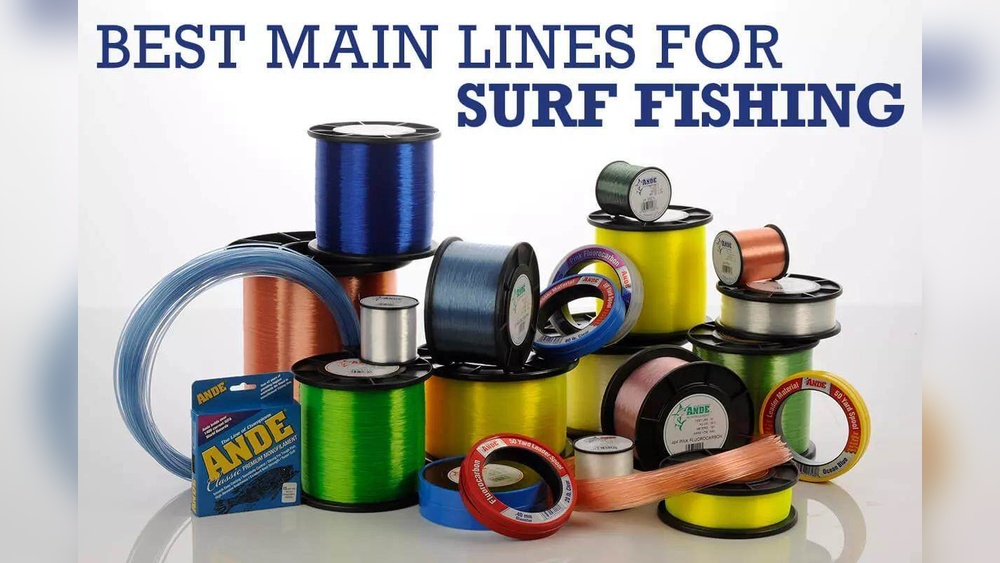
There are three main types of fishing lines you’ll see in surf fishing: monofilament, braided, and fluorocarbon. Each has unique strengths and weaknesses.
Monofilament Line
Monofilament is the classic, all-purpose fishing line. It’s made from a single strand of nylon.
Pros:
- Stretch absorbs shock from hard strikes
- Floats, which can help with certain rigs
- Inexpensive and easy to handle
Cons:
- More visible in clear water
- Wears out faster in sunlight and saltwater
Monofilament is a good choice for beginners and works well in most surf fishing situations. For general surf fishing, a 15-20 lb monofilament is a good starting point.
Braided Line
Braided lines are made from several strands woven together. They are much thinner than monofilament of the same strength.
Pros:
- Very strong for their diameter
- Low stretch, so you feel bites better
- Casts farther than monofilament
Cons:
- More visible in clear water
- Can cut into your hands if mishandled
- Expensive
Many experienced surf anglers use 20-30 lb braided line for most fishing, sometimes with a monofilament or fluorocarbon leader.
Fluorocarbon Line
Fluorocarbon is nearly invisible underwater and is often used as a leader, not as the main line.
Pros:
- Invisible to fish
- Sinks quickly, great for bottom fishing
- Resistant to abrasion
Cons:
- More expensive
- Stiffer and harder to handle as a main line
Usually, surf anglers use 15-40 lb fluorocarbon as a leader, attached to a monofilament or braided main line.
Matching Line Pound Test To Your Target Fish
Let’s look at some common surf fishing targets and recommended line strengths:
| Fish Species | Recommended Pound Test | Line Type |
|---|---|---|
| Pompano, Whiting | 8-15 lb | Monofilament/Fluorocarbon |
| Bluefish, Speckled Trout | 15-20 lb | Monofilament/Braided |
| Redfish, Striped Bass | 20-30 lb | Braided/Monofilament |
| Sharks, Big Drum | 40-80 lb | Braided/Monofilament |
Remember, these are general recommendations. Local conditions and personal experience can shift your choice.
Credit: norrik.com
Line Diameter And Its Impact
Many beginners focus only on the pound test, but line diameter is just as important. Thinner lines create less drag in the water and air, helping you cast farther and avoid spooking fish. But if your line is too thin, it can break under pressure or get cut by rocks and shells.
For example, a 20 lb braided line is much thinner than a 20 lb monofilament. This means you can fit more line on your reel and cast farther. However, thin braided lines can be more easily damaged by sharp objects.
Here’s a comparison of diameter for different line types at the same pound test:
| Pound Test | Monofilament Diameter (mm) | Braided Diameter (mm) |
|---|---|---|
| 15 lb | 0.33 | 0.18 |
| 20 lb | 0.40 | 0.23 |
| 30 lb | 0.50 | 0.28 |
If you want more line on your reel for long runs or big fish, a thin braided line is a smart choice.
Using Leaders For Extra Strength And Stealth
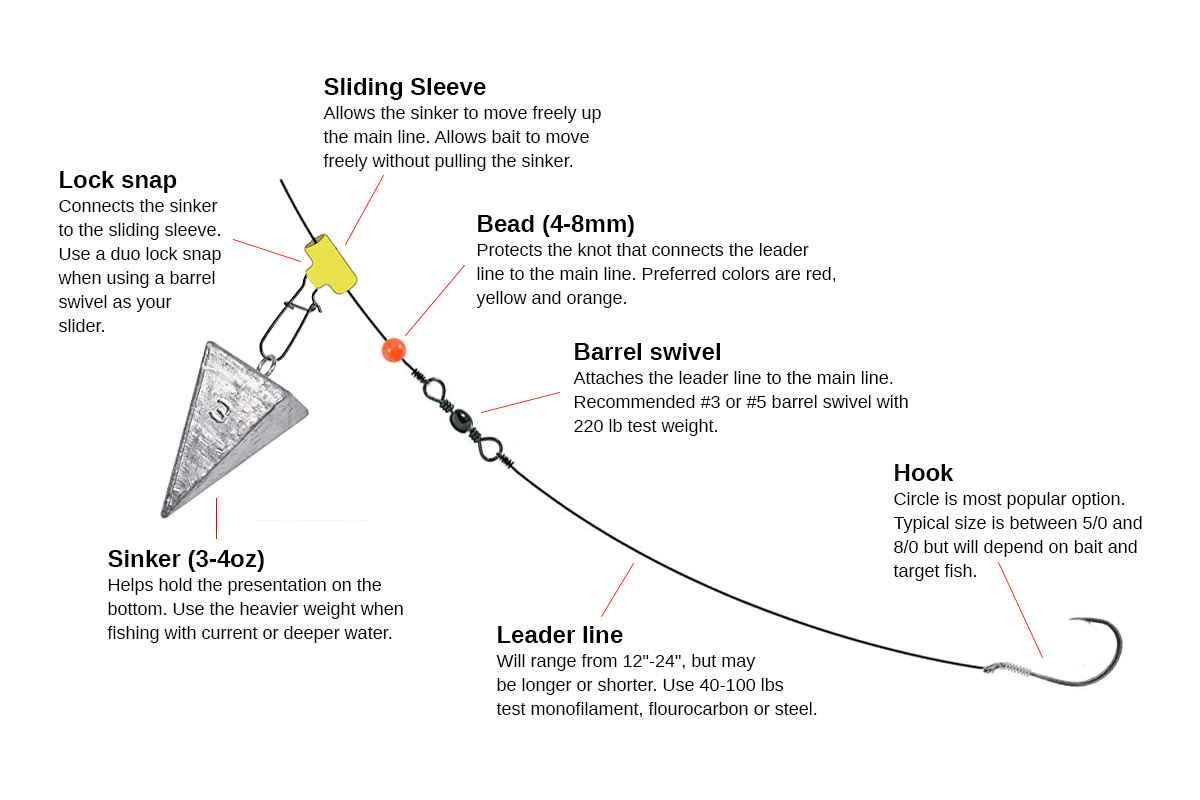
Many surf anglers attach a leader to the end of their main line. The leader is a short section of stronger or more invisible line that connects to your hook or lure. Leaders can be made of monofilament or fluorocarbon.
Why use a leader?
- Adds abrasion resistance against rocks, shells, and fish teeth
- Makes your bait less visible to fish
- Lets you use a thinner main line for better casting
A good rule is to use a leader that’s 1.5 to 2 times the pound test of your main line. For example, if your main line is 20 lb braided, use a 30-40 lb fluorocarbon leader for large, toothy fish.
Credit: www.floridasportsman.com
Knot Strength And Line Performance
The knot you use can weaken your line by up to 30%. Not all knots work well with all line types. For example, braided lines need knots like the Palomar or Double Uni for best strength. Monofilament works well with the Improved Clinch or Uni Knot. Always wet your knot before tightening to reduce friction and heat.
Practice tying your knots at home until you can do them without thinking. Lost fish are often the result of weak knots, not weak lines.
How Surf Rod And Reel Affect Line Choice
Your rod and reel size should match your line. Most surf rods are labeled with recommended line ranges—like “15-30 lb. ” Using a line that’s too strong or too weak for your gear can hurt your casting and even break your rod.
Spinning reels are most popular for surf fishing. They handle lighter lines well and are easy to use. If you use braided line, make sure your reel is rated for it, as braid can sometimes cut into cheap spools.
Tip: If you want to cast long distances, use a longer rod (10-12 feet) and a thinner line. For close-in fishing or heavy surf, a shorter, stronger setup is better.
Common Mistakes When Choosing Pound Line
Even experienced anglers make mistakes with line selection. Here are some common errors:
- Going Too Heavy: Many think bigger is better. Heavy lines cut casting distance and make your bait look unnatural.
- Ignoring Water Clarity: Using thick, visible line in clear water scares off fish.
- Not Checking Reel Capacity: Thicker line means fewer yards on your reel, which can matter if a big fish runs.
- Skipping the Leader: Fishing without a leader in rocky or toothy fish areas leads to more break-offs.
- Using Old Line: Saltwater and sun break down line over time. Replace your line at least once a season.
Real-world Examples
Let’s look at some real fishing scenarios:
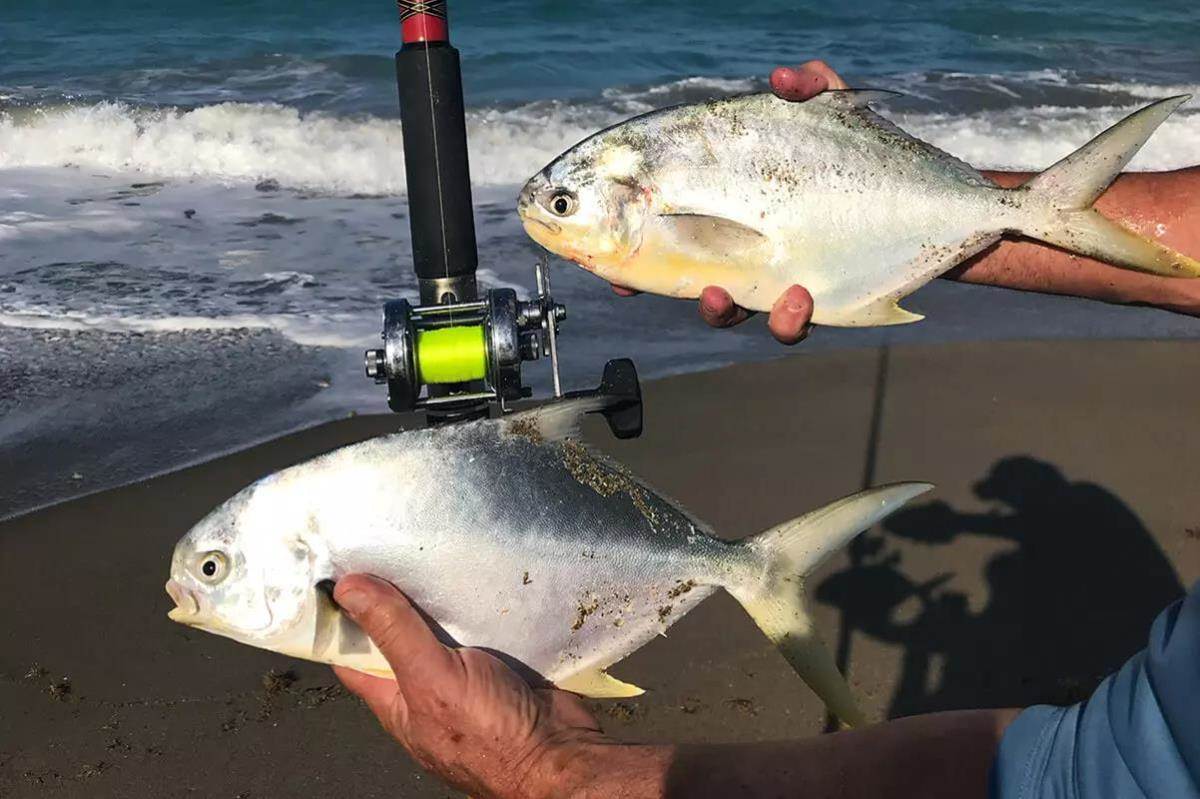
- Scenario 1: You’re fishing for pompano in calm, clear water with light current. Use a 10-12 lb monofilament, a small hook, and a 1-2 oz sinker. This setup is invisible to fish and sensitive enough to feel small bites.
- Scenario 2: You’re targeting big striped bass at night in heavy surf. Use a 30 lb braided line with a 40 lb fluorocarbon leader. The braid gives strength and casting distance, while the leader resists rocks and sharp gill plates.
- Scenario 3: The water is murky and you’re after bluefish. A 20 lb monofilament line is enough. Bluefish have sharp teeth, so add a steel or heavy mono leader.
- Scenario 4: You plan to cast big chunks of bait for sharks. Use an 80 lb braided line with a wire leader to handle both the power and teeth of these fish.
Surf Fishing Line Pound Test And Casting Distance
Casting distance is critical in surf fishing. Many fish feed just behind the breaking waves. Using the right pound test—and the thinnest line you can get away with—helps you reach these fish.
| Pound Test | Average Casting Distance (ft) with 3 oz Sinker |
|---|---|
| 10 lb mono | 120-140 |
| 20 lb mono | 100-120 |
| 30 lb braid | 140-160 |
Heavier lines create more drag and reduce your maximum casting distance. If you need to reach far, go for a lighter, thinner line—but always balance this with the size of the fish you expect.
How To Test Your Line Before Fishing
Never trust the label on your line package completely. Test your line before every trip:
- Inspect for Nicks and Damage: Run your fingers down the line. If you feel rough spots, cut that section off.
- Test the Knot: Tie a test knot and pull hard. If it slips or breaks easily, retie.
- Check Line Memory: Unspool a few feet and see if it coils. Bad memory means old or cheap line that can tangle.
- Drag Test: Attach a weight close to the pound test and lift slowly. If the line snaps below its rating, replace it.
When To Change Your Line
Saltwater, sun, and sand damage all fishing lines over time. As a rule:
- Monofilament: Change every 6-12 months or after heavy use
- Braided Line: Can last 2-3 years, but check for fraying
- Fluorocarbon Leaders: Replace when nicked or stretched
If you fish often, it’s better to change your line more often than less. Lost fish from old, weak line is a common regret.
Environmental Considerations
Lost fishing line is a danger to wildlife. Always pick up broken line and throw it away properly. Many beaches now have recycling tubes for old line. Using a stronger line than needed can lead to more lost line in the ocean, so always match your line to your fishing.

Credit: www.americanseafishing.com
Advanced Tips For Experienced Anglers
If you’ve surf fished for a while and want to improve:
- Try a double-line rig for extra strength when targeting trophy fish.
- Use a shock leader—a 50-80 lb section about twice your rod length—for casting heavy sinkers with lighter main line.
- Experiment with line color. Some anglers swear by high-visibility lines for tracking bites, while others prefer clear for stealth.
Fish behavior can change with season, weather, and tide. Bring a few different lines and leaders so you can adjust as needed.
Final Recommendations
- For most beginners, 15-20 lb monofilament is a great starting point for surf fishing.
- As you gain experience, try 20-30 lb braided line for more strength and distance, but always use a leader.
- Target species, surf conditions, and casting needs should guide your final choice, not just the biggest number you see.
- Test your knots and line before every trip.
- Replace your line often, and dispose of old line responsibly.
If you want to dive deeper into fishing line types and science, you can check detailed guides at On The Water Magazine.
Surf fishing is about adapting to nature. The right pound test line is not just a number—it’s your connection to the fish, the sea, and the perfect cast.
Frequently Asked Questions
What Is The Best Pound Test Line For Surf Fishing Beginners?
For most beginners, a 15-20 lb monofilament line is a safe and effective choice. It’s easy to handle, strong enough for most surf species, and not too visible in the water. This range covers small to medium fish and works well in a variety of surf conditions.
Can I Use Braided Line For All Surf Fishing?
Yes, but with care. Braided line is great for casting far and feeling bites, but it’s more visible and can be damaged by rocks. Always use a leader when fishing with braid. For heavy surf or big fish, 20-30 lb braid is a good choice, but beginners may find monofilament easier to manage at first.
How Often Should I Replace My Surf Fishing Line?
Monofilament should be replaced every 6-12 months, especially after heavy use or sun exposure. Braided line can last 2-3 years if not frayed. Always check your line for damage before each trip and replace it if you see nicks or weak spots.
Is A Heavier Line Always Better For Surf Fishing?
No. Heavier lines are stronger but reduce casting distance and can scare fish in clear water. Use the lightest line that is strong enough for your target fish and surf conditions. For most situations, 15-30 lb test is enough.
Should I Always Use A Leader With My Main Line?
In most surf fishing situations, yes. A leader (especially fluorocarbon or heavy mono) adds abrasion resistance and makes your bait less visible. It’s especially important when fishing near rocks, shells, or toothy fish. Leaders should be 1.5 to 2 times the pound test of your main line.
With the right knowledge and gear, you’ll be ready to enjoy surf fishing and land more fish. Remember, the best line for surf fishing is the one that matches your style, your fish, and your beach. Happy casting!