
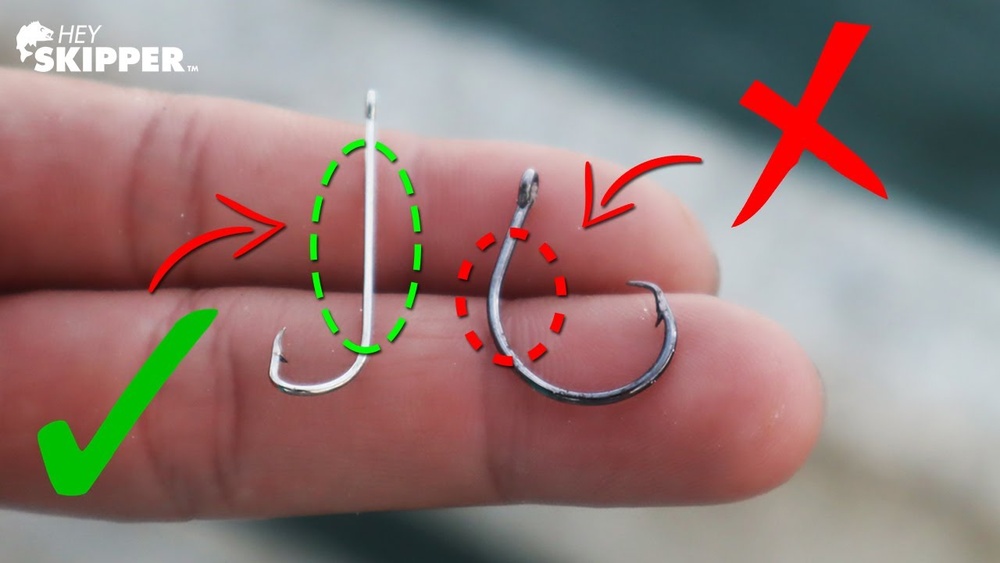
Pier fishing is a favorite way to enjoy the outdoors, catch a variety of fish, and relax by the water. But if you’re new to the sport, you may wonder: what size hook should you use for pier fishing? Choosing the right hook size is more important than many realize. It affects your catch rate, the kind of fish you target, and even the safety of the fish you release. Using the wrong size hook can lead to missed bites, lost fish, or even harm to fish populations. If you want to catch more fish—and do it responsibly—it’s worth learning how hook sizes really work.
Let’s break down everything you need to know about selecting the best hook size for pier fishing. We’ll look at how hook sizes are measured, what fish you’ll find near piers, matching hook sizes to bait, and how to avoid common mistakes.
Whether you’re a beginner or have some experience, you’ll find practical guidance here to help you make the right choice next time you set up on the pier.
Understanding Hook Sizes
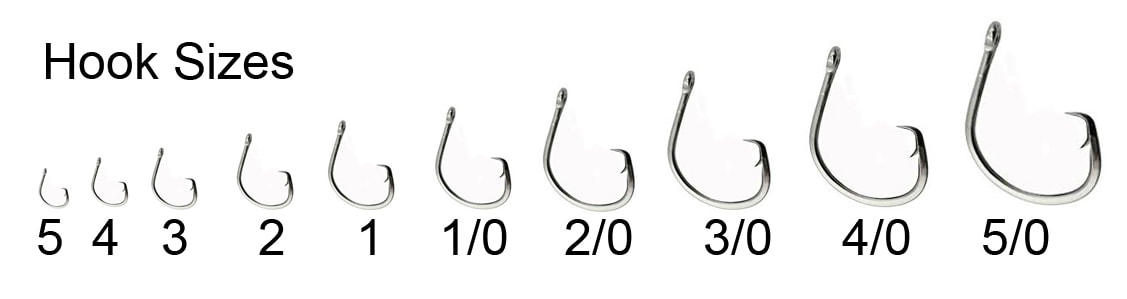
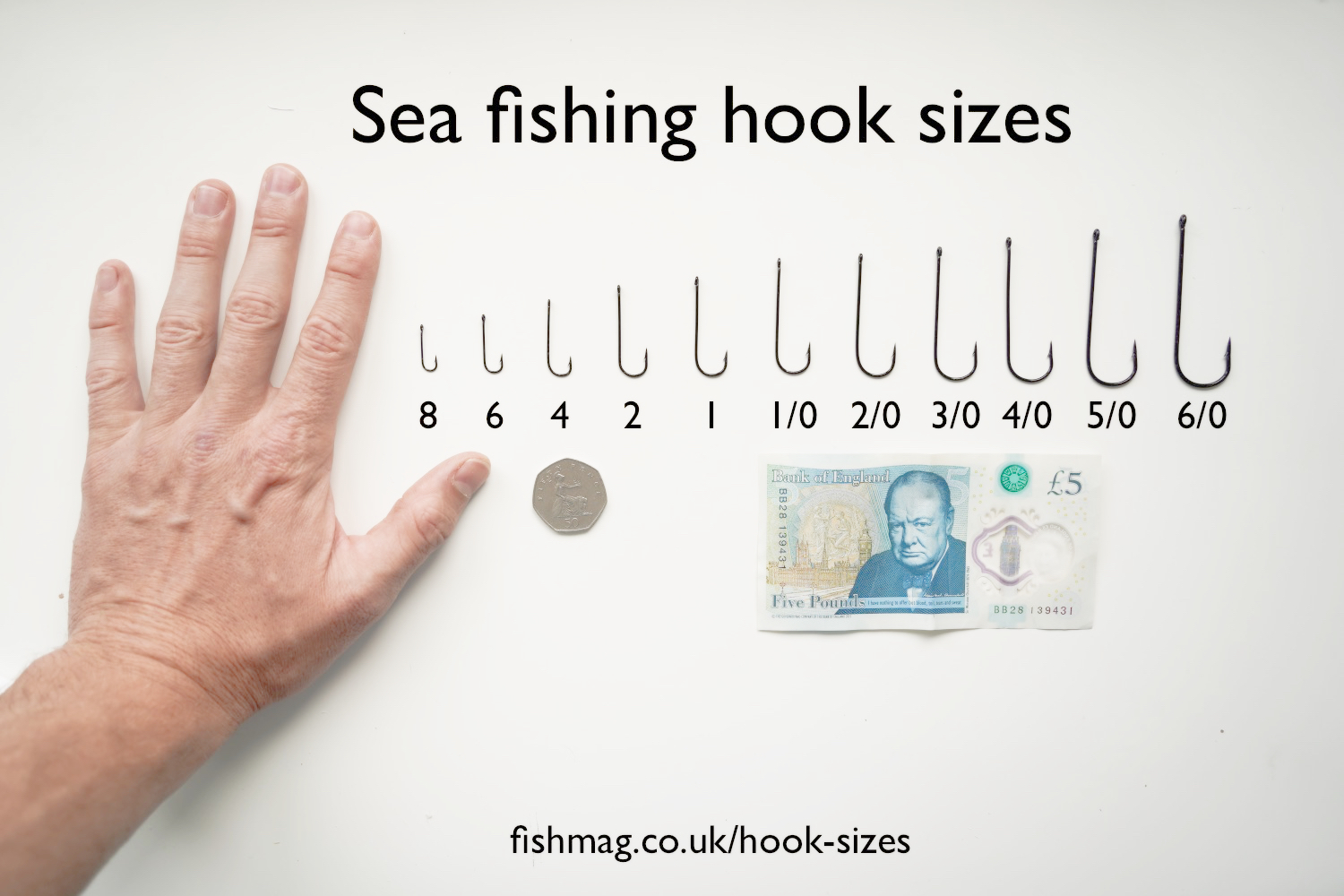
When you walk into a tackle shop, you’ll see hooks labeled with numbers: 12, 8, 2, 1, 1/0, 2/0, and so on. This can be confusing at first. The hook size numbering system is not always intuitive.
For regular sizes (like 12, 10, 8, 6, 4, 2, 1), the smaller the number, the larger the hook. For example, a size 2 hook is bigger than a size 8. Once you get to size 1, the system changes. Hooks labeled with a zero (like 1/0, 2/0, 3/0) get bigger as the first number increases. So a 3/0 hook is larger than a 1/0 hook.
Here’s a quick way to remember:
- Size 12 to 1: Smaller number = bigger hook
- Size 1/0 to 10/0: Bigger number = bigger hook
Why Hook Size Matters
The right hook size affects:
- Catch rates: Too big, and small fish won’t bite; too small, and big fish can break free.
- Fish safety: Proper hook size reduces deep hooking and injury.
- Bait presentation: Hook must match bait size for natural look.
Many new anglers make the mistake of thinking “bigger is better. ” In reality, matching hook size to your target fish and bait is key to success.
Common Fish Species In Pier Fishing
Not all piers are the same, but you’ll often find similar types of fish in saltwater and freshwater piers. The most common species influence your hook choice.
Saltwater Pier Fish
- Panfish (spot, croaker, pinfish)
- Mackerel
- Flounder
- Sea trout
- Sheepshead
- Red drum (redfish)
- Snook
- Bluefish
- Striped bass
Freshwater Pier Fish
- Bluegill
- Crappie
- Perch
- Catfish
- Bass
- Carp
Why Species Matters
Each fish has a different mouth size and feeding style. For example, bluegill and pinfish have small mouths, needing smaller hooks, while striped bass and catfish can handle much larger hooks. Understanding what species are common at your local pier is the first step to choosing your hook size.
Credit: sandsinthesurf.weebly.com
How To Choose The Right Hook Size For Pier Fishing
Selecting the ideal hook size is not guesswork. It’s a mix of understanding your target species, the bait you use, and your fishing conditions.
1. Match Hook Size To Fish Size
A good rule: Small fish need small hooks; big fish need big hooks. But there’s more to it. You also need to consider the fish’s mouth shape. For example, sheepshead have thick, bony mouths and require a strong, sharp hook even if they’re not huge.
Here’s a basic guideline for hook sizes by fish:
| Fish Species | Recommended Hook Size |
|---|---|
| Bluegill, Pinfish, Spot | Size 8–6 |
| Perch, Crappie, Croaker | Size 6–4 |
| Sea Trout, Flounder, Sheepshead | Size 4–1 |
| Mackerel, Red Drum, Snook | Size 1/0–3/0 |
| Striped Bass, Catfish | Size 2/0–5/0 |
2. Match Hook Size To Bait
The type and size of bait you use is just as important as the fish you target. The hook should fit inside the bait without being too obvious but still allow you to set the hook. If the hook is too small, you may not hook the fish properly; too large, and the bait won’t look natural.
Common bait and hook size pairings:
- Small live shrimp, worms: Size 8–4
- Cut bait, squid strips: Size 4–1/0
- Large live bait (mullet, big shrimp): Size 2/0–5/0
3. Factor In Fishing Conditions
- Clear water: Fish can see better; use smaller hooks for a natural look.
- Murky water: Slightly larger hooks are okay because visibility is low.
- Heavy current: Go up a size so your hook holds bait better and resists current.
4. Check Local Regulations
Some piers and regions have rules about hook size and type to protect fish populations. Always check before you fish.
Types Of Hooks Used In Pier Fishing
The size of the hook matters, but hook shape also affects your results. There are several types of hooks commonly used from piers.
1. J-hooks
The classic hook with a “J” shape. Works well for most species. Easy to use, but if you’re not careful, fish can swallow them deeply.
2. Circle Hooks
Designed to hook fish in the mouth (not the gut), which makes them more fish-friendly. Many piers recommend or require them for catch-and-release. Sizes range from 6 to 6/0 for pier fishing.
3. Baitholder Hooks
These have extra barbs to keep bait (like worms or shrimp) on the hook. Useful when using soft or slippery bait.
4. Treble Hooks
Three hooks in one. Often used on lures, but less common for bait fishing from piers because they can cause more injury to fish.
5. Kahle Hooks
Wide gap hooks good for live bait and fish with large mouths, like redfish or catfish.
When To Use Each Type
- Circle hooks: Best for catch-and-release or when local laws require.
- J-hooks: Good for most bait and when you’re actively setting the hook.
- Baitholder hooks: For soft or small bait that slips off easily.
Hook Size And Pier Fishing Techniques
How you fish from a pier affects your hook size. There are several main techniques:
Bottom Fishing
Drop your bait to the bottom. Target species: flounder, croaker, catfish, sheepshead.
- Use size 4 to 1/0 hooks for bottom species.
- Circle or baitholder hooks work best.
Float Fishing
Suspends bait at a certain depth. Good for panfish, trout, mackerel.
- Use size 8 to 4 hooks.
- J-hooks or baitholder hooks are common.
Live Bait Fishing
Cast a live bait and let it swim. For larger predators like red drum, snook, striped bass.
- Use size 1/0 to 5/0 hooks.
- Kahle or circle hooks are preferred for strong, large fish.
Lure Fishing
Using artificial lures (spoons, jigs, soft plastics).
- Lure comes with built-in hook, usually size 2 to 2/0.
- For treble hooks, size 6 to 2.
The Relationship Between Hook Size And Line Strength
Many beginners forget to balance hook size with line strength. If your hook is too big for your line, you risk breaking the line on a strike. If your hook is too small, you may not set it properly with heavy line.
A practical guideline:
| Hook Size | Recommended Line Strength (lb test) |
|---|---|
| Size 8–4 | 4–8 lb |
| Size 2–1/0 | 8–15 lb |
| Size 2/0–5/0 | 15–30 lb |
If you’re targeting larger pier fish, make sure your line and hook can handle the weight and power of the catch.
Credit: www.floridasportsman.com
Mistakes To Avoid When Choosing Hook Size
Many anglers, even experienced ones, make errors that cost them fish. Here are the most common mistakes—and how to avoid them.
1. Using Hooks That Are Too Large
This is the number one error. Big hooks may scare fish, especially smaller species, or prevent them from biting. You’ll catch fewer fish overall.
2. Using Hooks That Are Too Small
Tiny hooks can bend or break under pressure from bigger fish. They may also cause deep hooking, which is harmful to the fish.
3. Ignoring The Bait Size
A mismatch between bait and hook size looks unnatural and reduces your chances of a bite.
4. Not Adjusting For Conditions
If you always use the same hook size, you miss out when water clarity, current, or fish behavior changes.
5. Overlooking Hook Sharpness
Even the perfect size hook won’t work if it’s dull. Regularly check and sharpen your hooks.
Insider Tip
If you’re unsure, start small and go up in size if you’re losing bigger fish. It’s easier to catch small fish on a small hook than to hope a big fish will take a large hook.
Practical Examples: Matching Hook Size To Real Situations
Let’s look at a few real-world pier fishing scenarios.
Scenario 1: Fishing For Pinfish And Croaker
You want a mix of panfish for fun. Use small pieces of shrimp on a size 6 baitholder hook. This size is small enough for their mouths but strong enough to land them.
Scenario 2: Targeting Flounder And Sheepshead
Bottom fishing with fiddler crabs or cut bait. Use size 2 circle hooks. These fish have tougher mouths, so a strong, sharp hook is important.
Scenario 3: Hunting For Red Drum (redfish)
Use a live finger mullet or big shrimp. Choose a size 2/0 or 3/0 Kahle hook. The wide gap and strength help set the hook in these powerful fish.
Scenario 4: Going After Striped Bass
With a chunk of cut bait or a large artificial lure, use a size 4/0 circle hook. Make sure your line is 20 lb test or higher.
Scenario 5: Mixed Bag Day
You want to catch whatever bites. Start with a size 4 J-hook and medium-size bait like squid strips. Adjust if you notice you’re missing bites or losing fish.
Credit: www.fishmag.co.uk
Choosing Hook Size For Kids And Beginners
If you’re fishing with children or people new to pier fishing, use smaller hooks (size 8 to 4) and target smaller fish. This increases the chance of catching fish, keeps them engaged, and avoids frustration.
A small hook also makes it easier to remove the hook safely, which is important for beginners.
When To Change Your Hook Size
Even during a single fishing session, you may need to switch hook sizes. Here’s when to consider a change:
- You’re getting bites but not hooking fish: Go down a size.
- Fish are breaking off or bending your hook: Go up a size.
- You switch bait types: Adjust hook to fit new bait.
- You change target species: Match hook to new fish.
Advanced Insights Most Anglers Miss
Many anglers focus only on the hook number. But two hooks of the same number from different brands can be slightly different in size or wire thickness. Don’t rely just on the number—look at the hook’s gap (distance between point and shank) and the thickness. A wider gap helps with larger bait and fish, while a thin wire penetrates easier but may bend on big fish.
Also, different hook finishes (nickel, bronze, black) can affect visibility in water. In clear water, a black or dark hook may be less visible and improve bite rates.
How To Test If Your Hook Size Is Right
Here’s a simple test: Place your bait on the hook. The hook should be mostly hidden but the point and barb must be exposed. If the bait covers the point, bites may not turn into hooked fish. If most of the hook sticks out, the bait looks unnatural.
If you catch and release, use barbless or circle hooks to reduce injury.
Top Brands And Quality Considerations
Not all hooks are created equal. Some well-known brands for pier fishing hooks include Eagle Claw, Mustad, Owner, and Gamakatsu. These companies make consistent, sharp, and strong hooks.
- Cheap hooks can bend or break on a big fish.
- Expensive hooks are often sharper out of the package and last longer, but you still need to check sharpness before each trip.
Buy from a reputable tackle shop or sporting goods store. If you’re curious about more details on hook sizes and types, you can visit the Wikipedia Fishing Hook page for a deep dive.
Essential Gear To Use With Your Hook
A well-chosen hook is only one part of your setup. For pier fishing, you’ll also need:
- Rod and reel: Medium to medium-heavy spinning gear is versatile for most piers.
- Line: Use mono or braided line, 8–20 lb test for most situations.
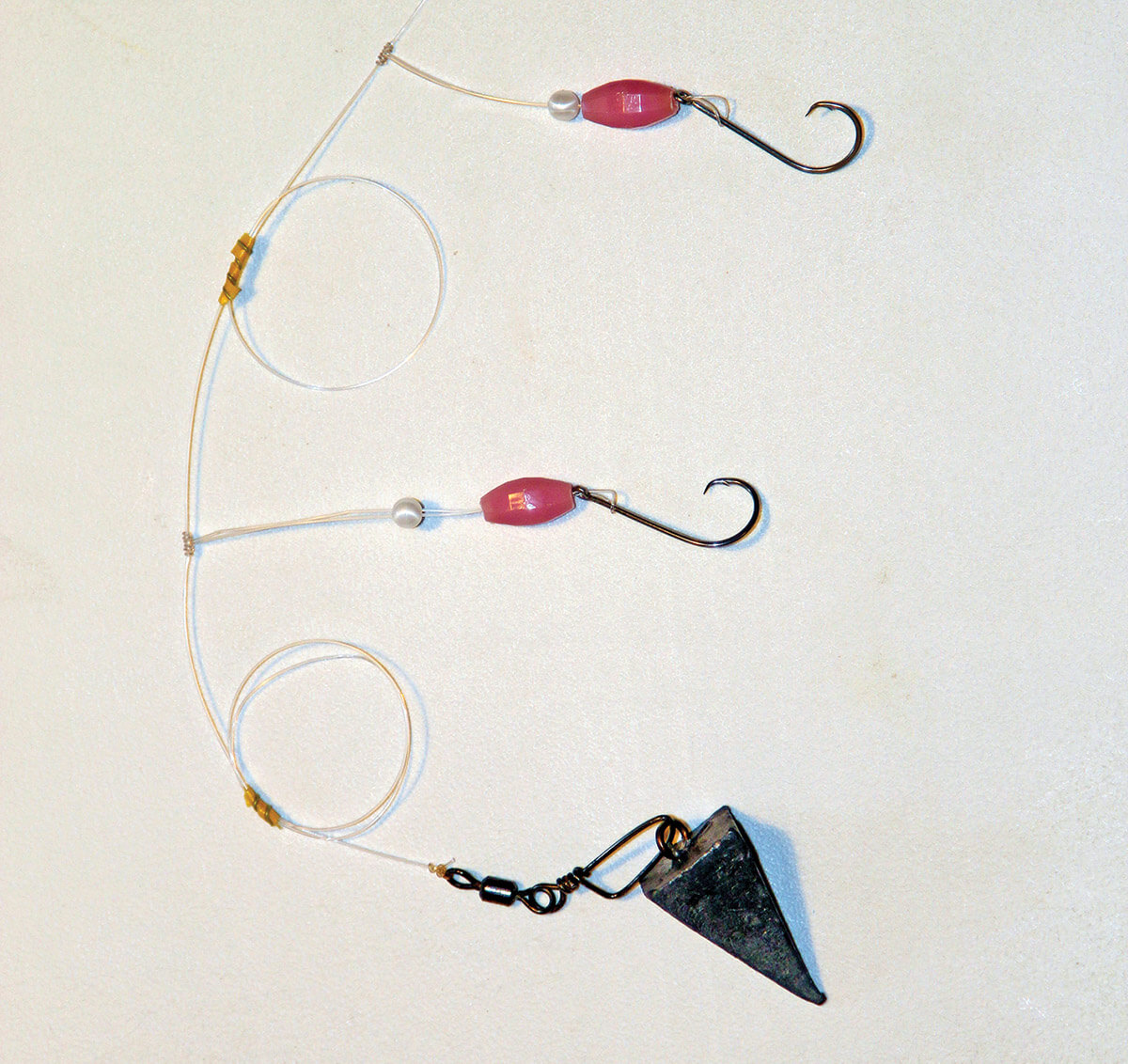
- Sinkers: Needed to keep bait near the bottom or in current.
- Swivels and leaders: Prevent line twist and protect against sharp-toothed fish.
- Pliers or hook remover: For safe unhooking, especially with small hooks.
Environmental And Ethical Considerations
Choosing the right hook size isn’t just about catching more fish. It’s also about protecting fish populations and ensuring good fishing for everyone. Using the correct size and type of hook (like circle hooks for catch-and-release) helps reduce injuries and increase survival rates.
Always follow local rules and consider the future of the fishery. Responsible anglers play a big role in keeping pier fishing healthy and fun.
Frequently Asked Questions
What Is The Best All-around Hook Size For Pier Fishing?
A size 4 or 2 J-hook works well for most small to medium pier fish. If you want to target bigger species, a 1/0 or 2/0 circle hook is a good choice. Adjust based on what fish are biting and your bait size.
Can I Use The Same Hook Size For All Types Of Bait?
No, it’s best to match hook size to bait. Small hooks (size 8–4) for worms or small shrimp, medium hooks (size 4–1/0) for squid or cut bait, and large hooks (size 2/0–5/0) for big live bait.
Do I Need Special Hooks For Catch And Release?
Circle hooks are recommended for catch and release because they usually hook fish in the mouth, making unhooking easier and safer for the fish.
How Do I Know If My Hook Is Sharp Enough?
Drag the hook point lightly across your thumbnail. If it digs in or scratches easily, it’s sharp. If it slides or feels dull, sharpen it with a hook file.
What Hook Size Should Kids Use When Pier Fishing?
Kids should start with smaller hooks (size 8–4) and target small, easy-to-catch fish. This helps them catch more fish and learn safely.
Pier fishing can be incredibly rewarding with the right hook size and gear. Remember to match your hook to the fish, bait, and conditions for the best chance of success. Small adjustments can make a big difference, so don’t be afraid to experiment and learn on each trip.
With these tips, you’re ready to enjoy a productive and ethical day on the pier.