
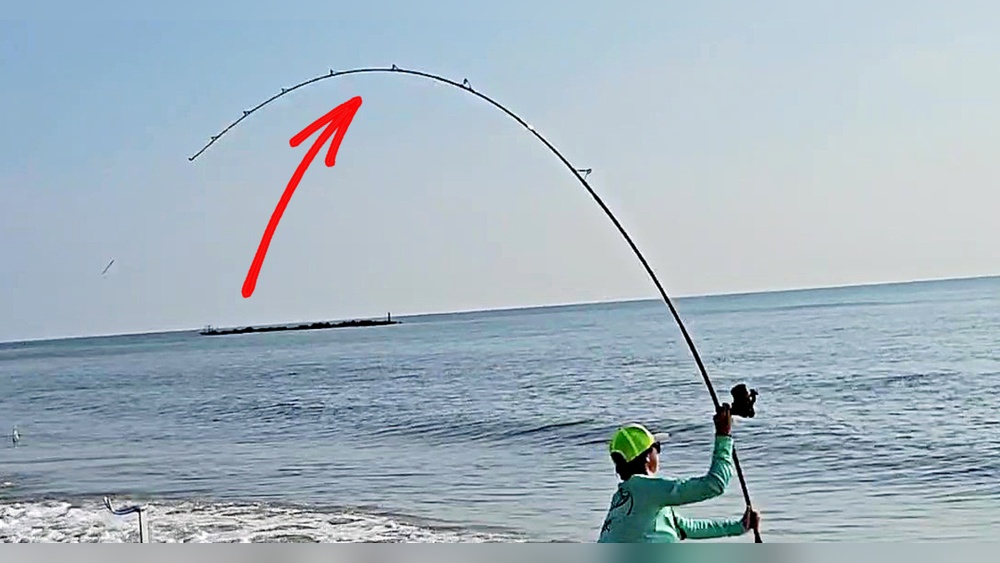
Surf fishing is a special kind of adventure. Standing on the edge of the sea, feeling the wind, and hearing the waves—this is more than just fishing. It’s a connection with nature and a test of skill. But before you can catch fish from the surf, you need to master one crucial technique: how to cast surf fishing. Many beginners believe it’s just about throwing a baited hook as far as possible. In reality, it’s a blend of choosing the right gear, understanding the surf, using the best casting methods, and staying safe. Even experienced anglers discover new tricks every season.
This guide will take you step by step through everything you need to know. You’ll learn what equipment to use, how to set up your gear, the best casting methods, and how to solve common problems. You’ll also get practical tips that most new surf anglers miss, like the role of wind direction and the hidden effects of line twist.
Whether you’re preparing for your first surf fishing trip or want to improve your casting distance, this guide will help you catch more fish—and enjoy every moment by the sea.
What Is Surf Fishing?
Surf fishing means fishing from the shoreline, usually where waves break onto the beach. Unlike fishing from a boat or pier, you stand on land and cast your bait into the surf zone, where many species feed. People surf fish on oceans, seas, and sometimes large lakes.
The challenge is not only in catching fish but also in handling waves, currents, and wind. Surf fishing can be simple or advanced, but casting skill always matters.
Many anglers target species like striped bass, bluefish, pompano, red drum, and flounder. The variety of fish depends on your location and the season. Surf fishing is popular because you don’t need a boat or expensive gear to start. But, to catch fish consistently, you must learn how to cast effectively.
Choosing The Right Surf Fishing Gear
Picking the right gear is the foundation for successful casting. Many beginners use whatever rod they have, but surf fishing demands some special choices. Here’s what matters most:
Surf Rods
Surf rods are longer and stronger than regular rods. They usually range from 9 to 14 feet. A longer rod helps you cast farther and keep your line above the waves. But longer rods can be heavy and hard to control if you’re new. For most beginners, a 10- to 12-foot rod is a good balance.
Factors To Consider:
- Rod length: Longer rods (12–14 feet) cast farther but can tire your arms.
- Power: Medium-heavy or heavy power is best for surf fishing.
- Action: Fast action (bends near the tip) gives better casting distance and hook-setting power.
Surf Reels
You’ll need a spinning reel or a conventional (baitcasting) reel. Spinning reels are easier for beginners and handle wind better. Conventional reels offer more distance but are harder to use and can cause line tangles (backlash).
What To Look For:
- Reel size: 4000–6000 for light surf fishing; 7000+ for heavy baits.
- Corrosion resistance: Saltwater ruins cheap reels quickly. Choose a reel made for saltwater.
- Line capacity: Surf fishing needs at least 200 yards of line.
Fishing Line
Monofilament, braided, and fluorocarbon lines all work, but most surf anglers use braided line for its strength and thin diameter. This means more line on your reel and longer casts.
Key Points:
- Braid: Thinner, less stretch, better distance, but can cut your fingers.
- Mono: Easier to handle, more stretch, floats better in rough surf.
- Test strength: 15–30 lb test for most surf fishing.
Terminal Tackle
This includes hooks, sinkers, swivels, and leaders. Your tackle must match your target species and surf conditions.
- Sinkers: Pyramid sinkers (2–6 oz) hold your bait in place in the surf.
- Hooks: Circle or J hooks, size 1/0 to 5/0 for most surf species.
- Leaders: Fluorocarbon leaders (20–40 lb) resist abrasion from sand and fish teeth.
Essential Accessories
Some extra gear makes surf fishing easier and safer:
- Rod holder (sand spike): Keeps your rod steady and hands free.
- Tackle bag: Holds gear so you don’t have to walk back and forth.
- Waders or waterproof boots: For wading into the surf.
- Polarized sunglasses: Cut glare and protect your eyes.
- Fishing pliers: For removing hooks safely.
Understanding Surf Conditions
Casting skill is not enough if you don’t read the surf. Surf fishing is about matching your tactics to the environment. Here’s what you need to watch:
Reading The Waves
Fish often feed where waves break, especially near sandbars, gutters, and troughs. These areas act as natural highways for baitfish and predators. Look for:
- White water: Where waves crash, stirring up food.
- Deeper troughs: Darker water close to shore usually means a fish-holding spot.
- Sandbars: Fish may gather just behind or in front of bars.
Tides And Current
Tides move water—and fish. Many surf fish feed best during rising or falling tides, especially near high tide. Current direction also affects where your bait goes. Casting “with” the current can help you cover more water.
Wind And Weather
Strong wind can help or hurt your cast. A wind at your back will add distance, but a headwind can push your bait back toward you. Overcast days and rough surf often bring fish closer to shore.
Non-obvious tip: Pay attention to wind direction and strength before choosing your casting spot. Even a 10 mph wind can change your casting distance by 10–20 yards.
Setting Up Your Surf Rig
Before you cast, you need to set up your rod, reel, and bait. This process is often overlooked but can make or break your day.
Rigging The Rod And Reel
- Attach the reel: Secure your spinning or conventional reel to the rod with a snug fit.
- Thread the line: Run your line through all the rod guides, starting from the bottom.
- Tie your rig: Use a strong knot like the Palomar knot or improved clinch knot to tie your leader, hook, and sinker. Many anglers use a fish-finder rig or high-low rig for surf fishing.
Choosing Your Bait
Live bait, cut bait, and artificial lures all work in the surf. Common choices include:
- Live sand fleas, shrimp, or bloodworms: Effective for many species.
- Cut bait (mullet, bunker): Good for larger predators.
- Artificial lures: Metal spoons and soft plastics mimic injured baitfish.
Non-obvious tip: Match your bait size to the fish you want. Big bait doesn’t always catch bigger fish; sometimes, smaller pieces catch more.
Setting The Drag
Your reel’s drag should be tight enough to set the hook but loose enough to let big fish run. Test it by pulling on the line by hand—it should give with steady pressure but not slip too easily.

Credit: www.youtube.com
Basic Surf Casting Techniques
Good casting puts your bait where the fish are. Here are the main surf casting techniques you need to know:
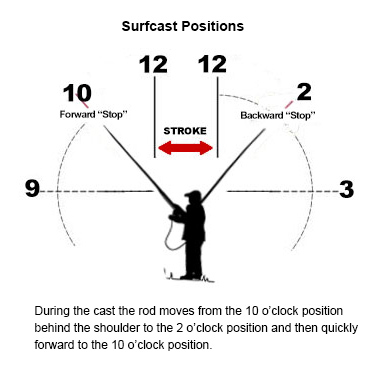
The Overhead Cast
This is the most common surf cast. It’s powerful, accurate, and easy to learn.
How to perform:
- Stand sideways to your target, feet shoulder-width apart.
- Hold the rod above your shoulder with both hands.
- Swing the rod back behind you, then forward in a smooth motion.
- Release the line as the rod reaches a 45-degree angle forward.
Tip: Practice the timing of your release. Too early, and your bait flies upward; too late, and it goes into the sand.
The Off-the-ground Cast
This method helps add distance without straining your arms. It’s more advanced but worth learning.
Steps:
- Lay the sinker on the sand behind you.
- Slowly lift the rod while moving it forward in an arc.
- Accelerate smoothly and release at the right moment.
The Pendulum Cast
Best for experienced anglers, this cast uses a swinging motion to generate speed and distance.
- Start by swinging the sinker in a gentle arc.
- As it swings forward, pull the rod back and then whip it forward, releasing at the peak.
Sidearm Cast
For low wind or when obstacles are behind you, try a sidearm cast. It’s less powerful but useful for accuracy.
Key point: Every cast type needs practice. Try each one to see which works best for your style and local beach conditions.
Advanced Tips For Better Casting
Many surf anglers focus on power, but accuracy and technique matter more. Here are some advanced tricks to improve your cast:
Use The Right Weight
Too much weight reduces distance; too little won’t hold your bait in place. As a rule:
- 2–4 oz: Calm surf, lighter gear.
- 4–6 oz: Rough surf, heavier gear.
Perfect Your Timing
The release point is critical. Practice by watching where your bait lands and adjust your timing. Record yourself on video for honest feedback.
Check For Line Twist
Twisted line can ruin your casting distance. Regularly check your line for loops and twists—especially with spinning reels. If you see twist, let your line out in the current with no weight attached, then reel it back in.
Use Shock Leaders
A shock leader is a strong, short length of line (40–60 lb) tied to your main line. It absorbs the sudden force of a hard cast, prevents break-offs, and protects your fingers.
Watch Your Backcast
Always look behind you before casting. People, dogs, or rocks can be in your way. Accidents happen fast on busy beaches.
Credit: norrik.com
Common Surf Casting Mistakes And How To Fix Them
Even experienced anglers make mistakes when casting in the surf. Here’s how to avoid the most common ones:
- Overpowering the Cast: Trying to cast too hard often causes backlash, wind knots, or poor accuracy. Focus on smooth acceleration.
- Poor Foot Position: Keep your feet stable and point your front foot toward your target.
- Forgetting to Check Knots: Weak knots break under heavy load. Retie your knots after each big fish or snag.
- Using the Wrong Weight: Adjust your sinker size to match surf conditions.
- Ignoring the Wind: Don’t cast directly into strong wind. Move down the beach or change your casting angle.
- Not Checking the Line: Old or damaged line snaps easily. Replace it often, especially after tangles or big fish.
- Neglecting Safety: Always look behind before casting and wear eye protection.
Practical Casting Drills
Practice makes perfect. Try these simple drills on the beach before you fish:
- Distance Drill: Mark a spot on the sand and see how close you can land your bait. Try to improve your distance each time.
- Accuracy Drill: Place a small towel or target on the beach. Practice landing your bait on it.
- Wind Drill: Practice casting with and against the wind to learn how it affects your line.
Table: Surf Rod Length Vs. Casting Distance
Here’s a look at how rod length affects your casting distance, based on real angler reports:
| Rod Length | Average Distance (Yards) | Best For |
|---|---|---|
| 9 ft | 50–70 | Short casts, close structure |
| 10 ft | 60–90 | General surf fishing |
| 12 ft | 80–110 | Long distance |
| 14 ft | 100–130 | Maximum distance, open beaches |
Note: Longer rods mean more distance, but require more skill and strength.
Table: Line Type Comparison For Surf Fishing
Choosing the right fishing line impacts your casting and catch rate:
| Line Type | Strength | Stretch | Best Use |
|---|---|---|---|
| Braided | High | Low | Long casts, tough fish |
| Monofilament | Medium | High | Beginners, rough surf |
| Fluorocarbon | High | Low | Leaders, clear water |
Table: Casting Method Comparison
A look at different casting techniques and their strengths:
| Casting Method | Skill Level | Distance | Accuracy |
|---|---|---|---|
| Overhead Cast | Beginner | Good | Good |
| Off-the-Ground Cast | Intermediate | Very Good | Medium |
| Pendulum Cast | Advanced | Excellent | Medium |
| Sidearm Cast | Beginner | Fair | Excellent |
Safety Tips When Surf Casting
Surf fishing is fun, but the ocean can be unpredictable. Stay safe with these tips:
- Check the tide: Rising tides can trap you or flood your gear.
- Wear a life vest: If you wade deep, a vest can save your life.
- Watch for lightning: Never fish during a thunderstorm.
- Use sunscreen: Sunburn happens quickly on the water.
- Stay aware: Waves, sharp rocks, and other anglers can be hazardous.
Pro insight: Always let someone know where you are fishing and when you plan to return.
Casting For Different Species
Different fish require different casting tactics. Here’s a quick guide for popular surf fish:
- Striped Bass: Cast near sandbars or in the trough during dawn or dusk. Use cut bait or lures.
- Bluefish: Look for birds diving on baitfish. Cast metal lures for best results.
- Pompano: Short, accurate casts in the first trough are best. Use sand fleas or shrimp.
- Red Drum: Cast past the breakers with cut bait on a fish-finder rig.
- Flounder: Slow retrieves near structure or drop-offs work well.
Non-obvious tip: Sometimes, casting shorter distances brings more bites—especially when baitfish are close to shore.
Environmental Considerations
Surf fishing should be enjoyable and respectful to nature:
- Leave no trash: Take all bait containers, line, and packaging with you.
- Respect local rules: Some beaches have fishing limits or closed seasons.
- Release unwanted fish: Use wet hands to release fish gently.
Caring for the beach ensures good fishing for everyone.
Learning From Others
Don’t be afraid to ask local anglers for advice. Most are happy to share tips about where and when to cast. Join surf fishing clubs or online forums to learn about new gear and local conditions. Watching experienced anglers can teach you more than hours of solo practice.
For more details about surf fishing basics and advanced tactics, you can visit the Wikipedia Surf Fishing page.
Frequently Asked Questions
How Far Should I Cast When Surf Fishing?
Most surf fishing is effective between 50 and 100 yards from shore. The best distance depends on where fish are feeding. Sometimes, they are close in the first trough; other times, you need a long cast beyond the sandbar. Watch for signs like birds, baitfish, or breaking waves to choose your casting spot.
What Is The Best Bait For Surf Fishing?
The best bait depends on your target species and location. Sand fleas, shrimp, bloodworms, and cut bait (like mullet or bunker) are top choices for many surf fish. Live bait often works best, but artificial lures can also be effective, especially for active feeders like bluefish.
How Do I Stop My Line From Tangling When Casting?
To prevent tangles:
- Use the right amount of weight for your rig.
- Don’t overfill your reel with line.
- Keep your line tight while reeling in.
- Use a swivel to reduce twist, and check your line for loops or knots after each cast.
Do I Need A License For Surf Fishing?
Most coastal areas require a fishing license, even for surf fishing. Rules vary by state or country, so check local regulations before you fish. Some beaches have free fishing days or special permits.
What Is A Shock Leader, And Do I Need One?
A shock leader is a short, strong section of line (usually 40–60 lb test) tied between your main line and your rig. It protects your line from breaking during hard casts and helps prevent cut fingers. Shock leaders are especially important when casting heavy weights or using braided line.
Surf fishing is a rewarding challenge. Mastering the cast takes practice, attention to detail, and a willingness to learn from every trip. With the right gear, good technique, and a respect for the sea, you’ll enjoy both the thrill of the strike and the peace of the beach.

Credit: www.youtube.com