
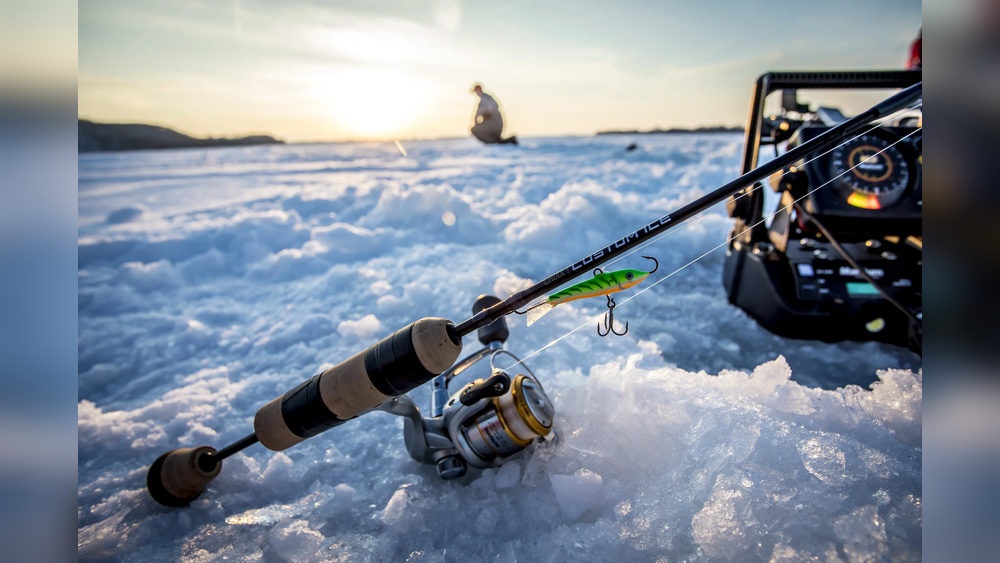
Ice fishing might seem simple: drill a hole, drop a line, and wait for a bite. But if you’ve ever spent a winter’s day on a frozen lake, you know choosing the right gear matters—a lot. One of the most common questions beginners ask is, “What size reel should I use for ice fishing?” The answer is not as simple as picking the smallest or cheapest option. The size of your reel affects how well you can feel the fish, how you manage your line, and even how much fun you have out on the ice.
Selecting the right ice fishing reel size is about matching your equipment to your target fish, your line choice, the depth you’re fishing, and the style you prefer. In this article, you’ll learn how to choose the best reel size for your specific needs, avoid common mistakes, and understand why size is more than just a number. Whether you’re just starting or want to upgrade your gear, you’ll find practical advice, real-world examples, and expert insights that go beyond basic tips.
Why Reel Size Matters In Ice Fishing
Many beginners believe any small reel will work for ice fishing. But the reel size you use affects your success and enjoyment. Here’s why it’s so important:
- Sensitivity: Smaller reels are usually more sensitive, letting you feel even the lightest bites from finicky fish.
- Line management: The size of the spool determines how much line you can hold and how smoothly it comes off, especially with light lines used in ice fishing.
- Weight and balance: Ice rods are short and light. An oversized reel makes the setup awkward and hard to control.
- Drag performance: Larger reels often have better drag systems, but may be unnecessary or even a disadvantage for panfish or trout.
- Comfort: Cold weather makes handling gear harder. The right reel size fits your hands and gloves, so you can fish longer without discomfort.
Choosing the wrong size can lead to line twists, missed bites, and frustration. Getting it right means more time catching fish and less time fighting your gear.
Understanding Reel Sizes: What Do The Numbers Mean?
If you look at reels online or in stores, you’ll see numbers like 500, 1000, or 2000. These numbers are not standard across all brands, but they give a general idea of size:
- 500 to 1000: Ultra-light, best for small fish and light lines (1–4 lb test).
- 1500 to 2000: Light, good for panfish, perch, and trout (2–6 lb test).
- 2500 and above: Medium, for bigger fish like walleye and pike, or when using heavier lines.
Brands may use different numbers, but a 500 or 1000 size from one brand is usually similar to the same number from another. Always check the line capacity and weight listed on the reel, not just the size number.
Matching Reel Size To Target Species
The fish you’re after should guide your reel choice. Here’s how to match reel size to common ice fishing species.
Panfish (bluegill, Crappie, Perch)
For most panfish, a 500 or 1000 size spinning reel is ideal. These reels are light, sensitive, and handle 2–4 lb test line well. Sensitivity is key because panfish bites can be very soft, especially in cold water.
Example: If you’re targeting bluegill in shallow water with 2 lb mono, a size 500 reel balances perfectly with a 24″ ultralight rod.
Trout
Trout under the ice are often caught with similar setups as panfish, but if you’re in deeper water or chasing larger trout, a 1000 to 2000 size reel works better. This lets you use 4–6 lb test line for extra abrasion resistance.
Example: For stocked rainbow trout in 20 feet of water, a 1000 size spinning reel with 4 lb fluorocarbon gives a good mix of control and capacity.
Walleye
For walleye, which are bigger and fight harder, go with a 2000 or 2500 size reel. You’ll likely use 6–8 lb test line, and the larger spool helps prevent line twists when jigging or using heavier baits.
Example: When jigging for walleye in deep lakes, a 2500 reel with 8 lb braid and a fluorocarbon leader offers strength and smooth drag.
Pike
Northern pike need more power. Use at least a 2500 or 3000 size reel, especially if you’re using tip-ups or heavy leaders. These reels handle 10–15 lb test and offer the drag needed for long runs.
Example: For targeting trophy pike, a 3000 size spinning reel with 15 lb braid is a safe bet.
Lake Trout And Other Large Species
For lake trout and other big fish (like burbot or large catfish), you need more line and stronger drag. Use a 3000 or 4000 size reel to hold enough line for deep drops and powerful runs.
Example: Deep jigging for lake trout with a 4000 reel and 20 lb braid ensures you won’t get spooled by a big fish.
Spinning Reels Vs. Inline Reels: Does Size Work The Same Way?
Ice anglers can choose between spinning reels and inline reels (sometimes called “straight line” reels). The way size works is a bit different:
- Spinning reels: Size numbers (500–4000) indicate spool size, line capacity, and overall reel size.
- Inline reels: Usually don’t have size numbers. They’re almost always small and designed for light lines and panfish.
Spinning reels are more versatile and easier for beginners. Inline reels shine for vertical jigging and ultra-light presentations, but are less common for larger fish.
Non-obvious insight: Inline reels reduce line twist, which is a big problem with spinning reels and light lines. If you struggle with line memory, consider trying an inline reel, but remember their limited line capacity.
Line Type And Capacity: What’s Enough For Ice Fishing?
Ice fishing uses much lighter line than open water fishing. Most anglers use 2–8 lb test for panfish and trout, and 10–20 lb for bigger species. Reel size must match the line you choose.
A small reel might only hold 60–80 yards of 2 lb mono, but that’s enough—most ice holes are less than 40 feet deep. However, if you fish deeper water or chase big fish, you’ll need a larger reel to hold more line.
Practical tip: Don’t overfill your reel. Leave about 1/8″ of space below the spool lip. Overfilling causes tangles, especially with thin line in freezing conditions.
Rod And Reel Balance: Why It Matters
Matching your reel size to your rod is just as important as matching to your line and fish. Ice rods are short—usually 18–36 inches—and very light. A reel that’s too large makes the rod tip-heavy and tiring to use.
Real-world example: Pairing a 2500 size reel with a 24″ ultralight rod makes jigging uncomfortable and hard to control. A 500–1000 size reel is a better fit.
Non-obvious insight: A balanced setup improves sensitivity. When your rod and reel are balanced, you’ll feel more bites because there’s less “dead weight” to dampen vibrations.
Credit: stogagirlssoccer.com
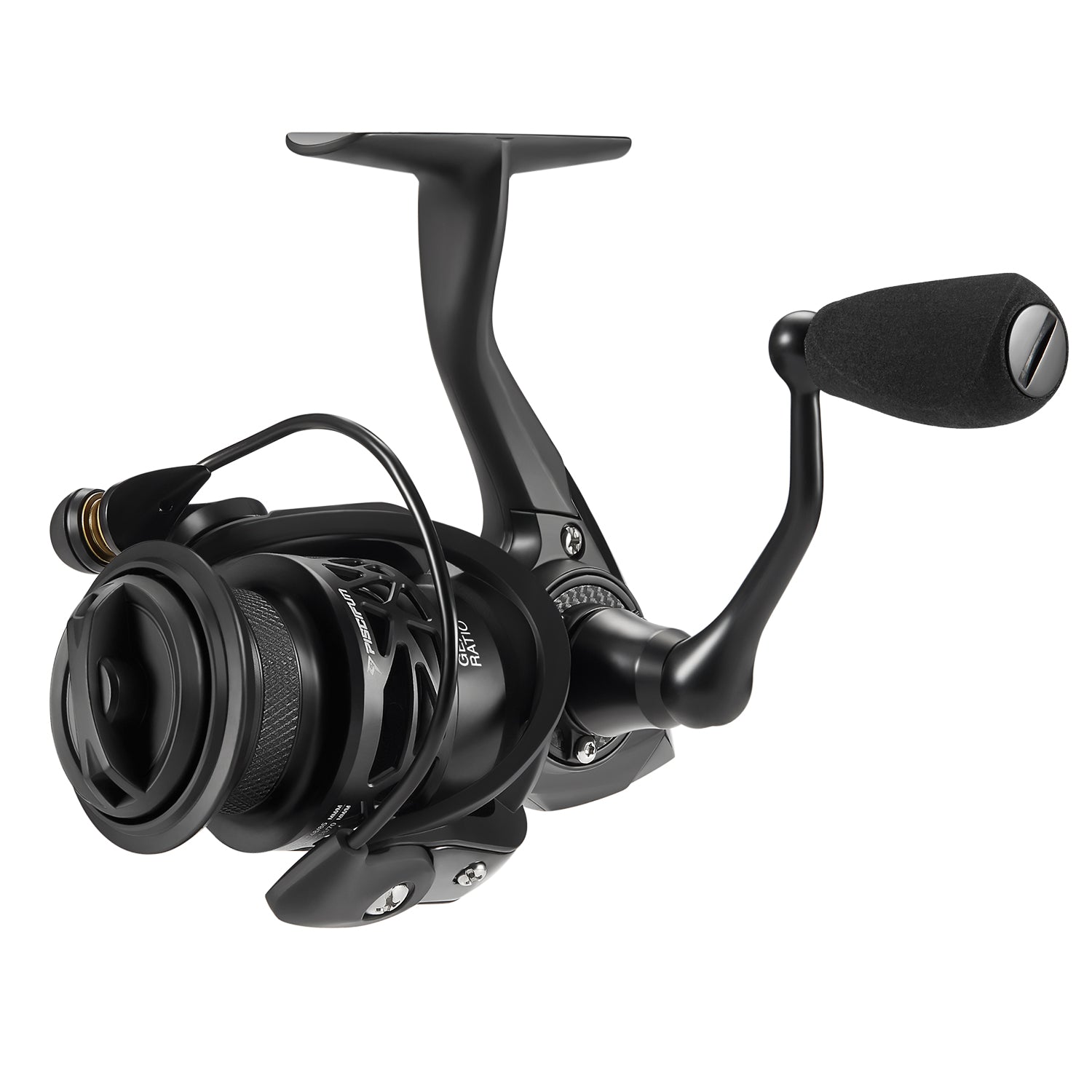
How To Read Reel Specs: Key Features To Check
When shopping for a reel, don’t just look at the size number. Check these features:
- Line Capacity: Usually shown as “4 lb/100 yds”—this tells you how much line of a certain strength the reel holds.
- Gear Ratio: Higher ratios (like 5.2:1) pick up line faster, which is useful for aggressive jigging. Lower ratios give more power for fighting big fish.
- Weight: Lighter is better for ice rods, but don’t sacrifice strength.
- Drag System: Look for smooth, reliable drag. Felt drags are fine for panfish, but carbon drags are better for big fish.
- Handle Size and Shape: Make sure you can use the handle easily with gloves on.
Comparison Of Common Reel Sizes
To help you see the differences, here’s a comparison of common reel sizes and what they’re best for:
| Reel Size | Best For | Recommended Line | Rod Length |
|---|---|---|---|
| 500 | Panfish, perch | 1–4 lb mono | 18–28 inches |
| 1000 | Trout, small walleye | 2–6 lb mono/fluoro | 24–32 inches |
| 2000 | Walleye, large perch | 4–8 lb braid/mono | 28–36 inches |
| 2500 | Pike, lake trout | 8–15 lb braid | 32–40 inches |
Reel Size Vs. Line Twist: What You Need To Know
One of the biggest problems in ice fishing is line twist, especially with spinning reels and light line. Small reels (like 500 size) have tighter coils, which can lead to more twist and memory.
How to reduce line twist:
- Use inline reels for panfish and ultra-light lines.
- Fill spinning reels with the line recommended by the manufacturer.
- Avoid cheap line. Quality mono or fluorocarbon with low memory works best in the cold.
- Open the bail to let line off, rather than reeling against the drag.
- Change line each season if you fish a lot.
Ice Fishing Reel Size For Kids And Beginners
If you’re taking kids or new anglers out, choose a 1000 size reel. It’s small enough for tiny hands, light, and easy to control. Avoid “toy” combos with poor drags—kids will have a better time with real gear.
Extra tip: Pre-tie leaders and use simple jigs to make things easier and keep everyone fishing.

Credit: www.rapala.ca
Advanced Insights: When To Upsize Or Downsize
Experienced ice anglers sometimes break the “rules” for good reasons:
- Downsize: If fish are super finicky, a 500 size with 1 lb test can outfish heavier setups. But only do this if you have the skills to play fish gently.
- Upsize: In deep lakes, you may need a 2000 or 2500 reel just for the extra line capacity—even if you’re after panfish. If you hook a bonus walleye, you’ll be glad you did.
Reel Size For Tip-ups And Deadstick Rods
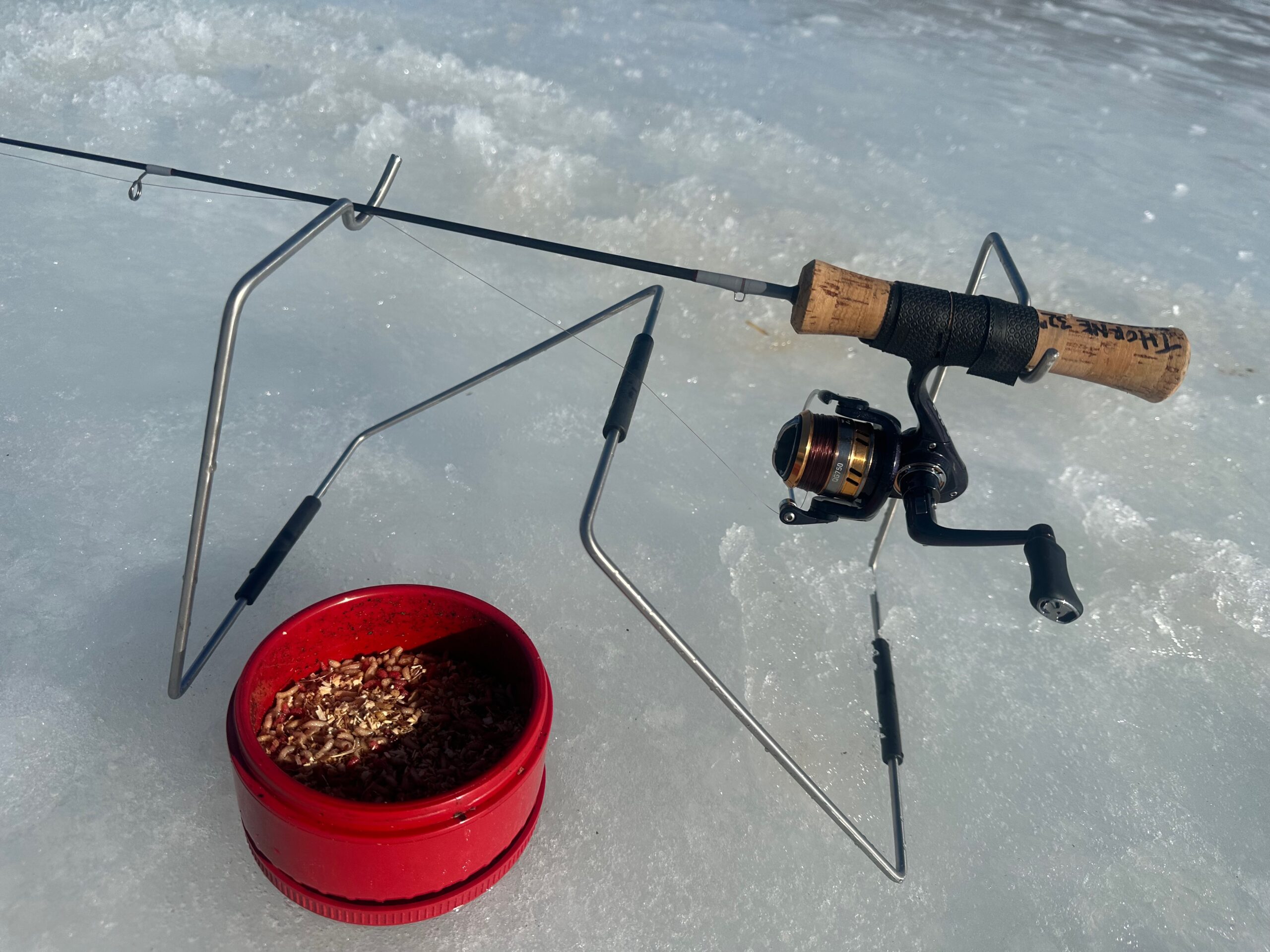
Tip-ups are a special type of ice fishing gear that hold the line for you. They don’t use reels, but if you use a deadstick rod (a rod set in a holder), a 1500–2000 size reel is ideal. It gives enough line for a big fish to run without breaking off, but isn’t too heavy for the rod.
Popular Reel Models And Their Sizes
To give you some real-world options, here are three popular spinning reels for ice fishing and their size options:
| Reel Model | Available Sizes | Ice Fishing Use |
|---|---|---|
| Shimano Sienna | 500, 1000, 2500 | 500 for panfish, 1000 for trout, 2500 for walleye/pike |
| Pflueger President | 20, 25, 30 | 20 (500 equivalent) for panfish, 25 for trout/perch, 30 for walleye |
| Okuma Ceymar | C-10, C-20, C-30 | C-10 for light fish, C-20 for walleye, C-30 for pike |
Always check the manufacturer’s specs—some brands use their own numbering system.
Mistakes To Avoid When Choosing Reel Size
- Going too big: An oversized reel is heavy, unbalanced, and tiring to use. You’ll also lose sensitivity.
- Going too small: A tiny reel may not hold enough line for deep water or big fish. You might also get more line twist.
- Ignoring line specs: Using line that’s too heavy or too light for your reel causes poor performance and tangles.
- Mismatching rod and reel: A heavy reel on a light rod (or vice versa) feels awkward and reduces your ability to detect bites.
Credit: everestkitchennc.com
Upgrading Or Changing Reel Size: When And Why
You don’t always need the latest gear, but there are signs you should upgrade:
- You fish for bigger species than when you started
- You want to try deeper water or heavier lures
- Your current reel is old, noisy, or the drag isn’t smooth
- You want to try a new style (like switching from spinning to inline)
Practical advice: If you’re unsure, start with a 1000 size spinning reel. It covers 80% of ice fishing situations. As you gain experience, you can add bigger or smaller reels for special situations.
Setting Up Your Reel For Ice Fishing
Once you’ve chosen the right size, set up your reel for best performance:
- Spool with fresh line: Cold weakens old line. Start each season with new mono, fluoro, or braid.
- Check drag settings: Test the drag by pulling line with your hand. It should be smooth, not jerky.
- Lubricate the reel: Cold weather can freeze cheap grease. Use a reel oil designed for winter.
- Practice reeling with gloves: Make sure you can handle the knob and bail with your winter gear on.
Weather Conditions And Reel Size
In extreme cold, smaller reels can freeze up faster, especially if moisture gets inside. If you fish in very cold climates (below 0°F), consider a slightly larger reel (1000–2000 size) for easier handling and less risk of freezing.
Pro tip: Keep reels inside your jacket or an insulated case when not in use to prevent freezing.
Storing And Maintaining Your Ice Fishing Reel
To keep your reel in top shape:
- After each trip, dry your reel and remove any ice or slush.
- Oil the moving parts every few outings.
- At the end of the season, clean and store your reel in a dry place.
A well-cared-for reel lasts for years—even cheap models, if treated right.
When Is A Bigger Reel Worth It?
Some anglers use larger reels for the following reasons:
- Deep water: If you fish lakes with 40–80 foot depths, you need more line capacity.
- Targeting multiple species: If you want one setup for both panfish and pike, a 2000–2500 reel is a good compromise.
- Heavier lures: If you jig with big spoons or swim baits, larger reels have the power and drag to handle them.
But for most ice fishing, a 500–1000 reel is the “sweet spot. ”
Reel Size And Bait Types
If you use very light jigs (1/32 oz or smaller), smaller reels cast and drop baits more naturally. For larger baits, a 2000+ size reel works better.
Extra insight: If you fish live bait (like minnows), a slightly larger reel helps you drop bait quickly to the bottom when chasing moving schools.
Cost Vs. Performance: Does Size Affect Price?
Smaller reels are often a bit cheaper, but not always. Quality matters more than size. A well-made 1000 reel is better than a cheap 2500, especially for the light lines used in ice fishing.
Tip: Set a budget, but invest in a smooth drag and good bearings. You’ll notice the difference when fighting fish.
Environmental Considerations
Modern ice fishing reels are made of graphite, aluminum, or composite materials. Lighter reels are easier on the environment (less material), and many brands now use recycled parts. Choose a reel from a reputable brand that offers parts and service—this keeps gear out of landfills.
Recommended Reel Size For Most Anglers
For most ice anglers, a 1000 size spinning reel is the best all-around choice. It’s light, sensitive, holds enough line for panfish and trout, and pairs well with most ice rods. If you want to specialize, add a 500 reel for ultralight panfish or a 2500 for big predators.
Where To Learn More
Want to dig deeper into ice fishing gear and techniques? Check out the authoritative guides at In-Fisherman for up-to-date reviews and expert advice.
Frequently Asked Questions
What Is The Best Reel Size For Panfish Ice Fishing?
For panfish like bluegill, crappie, and perch, a 500 or 1000 size spinning reel is ideal. These reels are light, sensitive, and handle 2–4 lb line perfectly. They pair well with ultralight rods, giving you the sensitivity to feel even the softest bites.
Can I Use My Summer Spinning Reel For Ice Fishing?
Yes, you can use your summer spinning reel, but make sure it’s not too large. 1000 or 2000 size reels work well for ice rods. Larger reels (2500 or above) may feel heavy and unbalanced on short ice rods. Also, check the drag and lubricate with winter-friendly oil to prevent freezing.
How Much Line Should I Put On My Ice Fishing Reel?
Most ice fishing spots are under 40 feet deep, so 50–80 yards of line is enough. Fill your reel until the line is about 1/8″ below the spool lip. Overfilling can cause tangles, especially with light line and small reels.
What’s The Difference Between A 1000 And 2000 Size Reel?
A 1000 size reel is smaller, lighter, and holds less line (good for panfish and trout). A 2000 size reel holds more line, has a stronger drag, and is better for bigger fish like walleye or pike. Choose based on the size of fish and line strength you need.
Are Inline Reels Better Than Spinning Reels For Ice Fishing?
Inline reels reduce line twist and are great for panfish and jigging with ultra-light line. Spinning reels are more versatile and better for larger fish. Choose inline reels if you want maximum sensitivity and fewer tangles with light jigs, but stick to spinning reels for all-purpose use or bigger fish.
Selecting the right ice fishing reel size is a smart investment in your success and enjoyment on the ice. With the information here, you’re ready to pick the perfect reel for your next winter adventure.