Fishing has always been a mix of skill, patience, and the right tools. One tool often overlooked by beginners is the fishing gaff. This simple device can make the difference between landing a big catch and watching it slip away. If you’ve ever wondered what a fishing gaff is, how it’s used, or why experienced anglers rely on it, you’re in the right place. This guide will break down every important detail, from the basics to advanced tips, so you can understand the true value of a fishing gaff in your angling adventures.
What Is A Fishing Gaff?
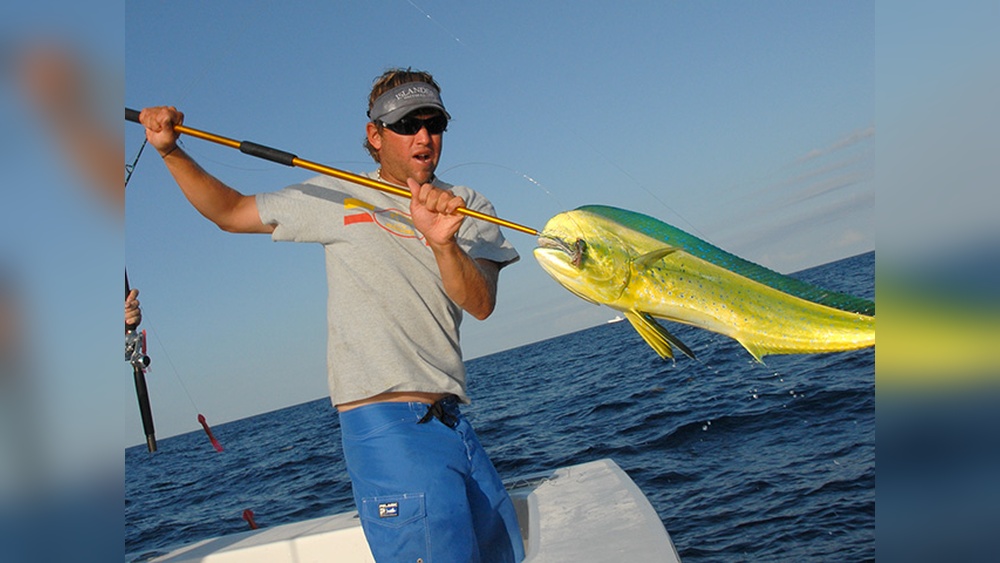
A fishing gaff is a specialized tool used to help anglers land large fish. At its core, a gaff consists of a sturdy handle with a sharp metal hook at the end. When a fish is too heavy or lively to pull aboard with a fishing line alone, the angler uses the gaff to secure and lift it into the boat or onto shore.
The main purpose of a fishing gaff is to provide extra control and strength. This is especially important when dealing with big, powerful fish that could break the line or escape during the last moments of the catch. Unlike nets, which cradle the fish, a gaff hooks into the fish’s body.
This method is quicker and often safer for the angler, but it’s not suitable for catch-and-release fishing, as it can injure the fish.
Fishing gaffs come in various shapes and sizes, each tailored for different types of fishing and target species. Some are short and compact for close-range use, while others are long for deep-water or offshore fishing. Understanding the differences will help you choose the right gaff for your needs.
The Main Parts Of A Fishing Gaff
To understand how a fishing gaff works, let’s look at its basic components:
- Handle: Usually made of strong materials like aluminum, stainless steel, or fiberglass. The handle is designed to be easy to grip, even when wet. Length can range from less than 2 feet to over 6 feet, depending on the fishing environment.
- Hook: The hook is made from hardened steel and is extremely sharp. It’s often shaped like a “J” or a “C” to penetrate and hold onto the fish firmly. Some hooks have barbs, while others are smooth.
- Grip: Many gaffs have a non-slip grip to prevent accidents when hands are wet or slippery.
- Lanyard or Wrist Strap: Some models include a strap to secure the gaff to the angler’s wrist, reducing the risk of dropping it overboard.
Each part plays an important role in ensuring the gaff is both effective and safe. Advanced models might include features like telescoping handles for adjustable length or protective covers for the hook.
Types Of Fishing Gaffs
Fishing gaffs are not one-size-fits-all. Here are the most common types:
Fixed Gaffs
These are the classic design: a solid handle with a fixed hook. They offer strength and reliability for landing big fish. Fixed gaffs are ideal for situations where you need maximum leverage and durability.
Telescoping Gaffs
These gaffs have handles that extend and retract. Anglers use telescoping gaffs when space is limited or when they fish from boats of different sizes. The adjustable length allows for flexibility and easy storage.
Flying Gaffs
Flying gaffs are specialized for very large, strong fish like marlin or tuna. The hook detaches from the handle after penetrating the fish, and is attached to a rope. This lets the fish tire itself out while still being secured.
Hand Gaffs
These are small, one-handed tools for quick use. Hand gaffs are best for small boats or when fishing closer to shore. They’re easy to maneuver and store.
Specialized Gaffs
Some gaffs are made for specific fish species or conditions. For example, lip gaffs are designed to hook the fish by the mouth, reducing body damage. Others are made for ice fishing or deep sea fishing.
| Type | Best Use | Handle Length | Typical Target Species |
|---|---|---|---|
| Fixed Gaff | General offshore, big fish | 3–6 ft | Snapper, Grouper, Shark |
| Telescoping Gaff | Space saving, variable needs | 2–5 ft (adjustable) | Bass, Catfish, Pike |
| Flying Gaff | Very large fish | 4–8 ft (with rope) | Tuna, Marlin |
| Hand Gaff | Small boats, quick use | 1–2 ft | Trout, Salmon |
How Fishing Gaffs Are Used
A fishing gaff is not just a tool—it requires skill and proper technique. Here’s how anglers typically use a gaff:
- Positioning: Wait until the fish is tired and close to the boat or shore. The fish should be on the surface for best results.
- Aiming: Hold the gaff firmly and aim for a strong part of the fish’s body, usually behind the head or in the shoulder area. Avoid the stomach to prevent unnecessary damage.
- Hooking: Swiftly but carefully jab the hook into the fish. The goal is to penetrate deeply enough to hold the fish securely.
- Lifting: Use your body weight, not just arm strength, to lift the fish. Pull it over the side of the boat or onto land.
- Securing: Once the fish is landed, remove the hook quickly to minimize injury and prepare the fish for storage or cleaning.
It’s important to practice this technique before using a gaff on valuable catches. Many beginners miss the key step of tiring out the fish first; trying to gaff a lively fish increases the risk of injury or escape.

Credit: www.fishtrack.com
When To Use A Fishing Gaff
A fishing gaff is most useful in specific situations:
- Large fish: When the fish is too big for nets or bare hands.
- Offshore fishing: Deep-sea anglers target species that can weigh over 100 pounds.
- Rough water: Nets can be hard to use in waves; a gaff offers more control.
- Limited space: In small boats, a gaff can be more practical than a bulky net.
Avoid using a gaff if you plan to release the fish. The hook can cause serious injury, making survival unlikely after release.
Fishing Gaff Vs. Landing Net
Many anglers wonder whether to use a gaff or a landing net. Both tools serve to land fish, but they work differently.
| Feature | Fishing Gaff | Landing Net |
|---|---|---|
| Best For | Large, strong fish | All sizes, catch-and-release |
| Damage to Fish | High (punctures) | Low (cradles) |
| Control | Very strong | Moderate |
| Storage | Compact | Bulky |
| Ease of Use | Requires skill | Beginner-friendly |
If your goal is to keep the fish, especially for food, a gaff offers speed and strength. For catch-and-release or smaller fish, a net is the better choice.
How To Choose The Right Fishing Gaff
Choosing the right gaff depends on several factors:
- Target Species: The size and strength of the fish you pursue. Offshore anglers need longer, stronger gaffs.
- Fishing Environment: Deep sea, river, shore, or boat fishing each require different lengths and types.
- Handle Material: Aluminum is light and strong, but can dent. Stainless steel is heavier but more durable. Fiberglass offers a balance.
- Hook Size and Shape: Bigger hooks for larger fish; smaller for delicate targets. Barbed hooks hold better but can be harder to remove.
- Grip Design: Non-slip grips are essential for safety, especially in wet conditions.
- Portability: Telescoping or compact gaffs are easier to transport.
A common mistake is buying a gaff that is too short for offshore fishing, making it hard to reach the fish. Another error is choosing a hook that is too big for your target species, causing unnecessary damage.
Comparison Of Handle Materials
To help decide, here’s a quick comparison of handle materials:
| Material | Weight | Durability | Typical Use |
|---|---|---|---|
| Aluminum | Light | Medium | Boat, offshore |
| Stainless Steel | Heavy | High | Big game, rough water |
| Fiberglass | Medium | Medium–High | General purpose |
Safety Tips For Using A Fishing Gaff
Fishing gaffs are powerful tools, but they can be dangerous if used incorrectly. Here are key safety tips:
- Keep the hook covered when not in use. Many gaffs come with protective caps.
- Never swing the gaff near others. The sharp hook can cause injury.
- Use both hands when lifting big fish. This prevents strain and accidents.
- Check your grip regularly. Wet, slippery handles can cause loss of control.
- Store safely. Don’t leave gaffs on the deck or in high-traffic areas.
One insight many beginners miss: always check local regulations. In some places, using a gaff is restricted due to concerns about fish welfare. You could face fines or lose your catch if you break these rules.

Credit: tunaknives.com
Caring For Your Fishing Gaff
A fishing gaff will last many years if maintained properly. Here’s how to keep it in top condition:
- Rinse after use: Saltwater can corrode metal quickly. Rinse the gaff with fresh water after each trip.
- Dry thoroughly: Water trapped in the handle can cause rust or mold.
- Sharpen the hook: A dull hook can slip or fail to penetrate. Use a file or sharpening stone regularly.
- Check the grip: Replace worn or loose grips to avoid accidents.
- Store in a safe place: Hang the gaff or keep it in a protective case. Avoid leaving it in direct sunlight, which can weaken materials.
A common mistake is forgetting to sharpen the hook. Even high-quality gaffs lose sharpness over time, especially after landing several fish.
Legal And Ethical Considerations
Using a fishing gaff raises questions about legality and ethics. Many regions have rules about when and how you can use a gaff. For example, some states in the US allow gaffing only for specific species. It’s illegal to gaff certain protected or undersized fish.
Ethically, anglers should avoid using a gaff on fish they plan to release. The hook causes serious injury and stress, reducing the chance of survival. Conservation-minded fishers use nets or other gentle methods for catch-and-release.
To check regulations, visit local wildlife agency websites or consult fishing guides. Ignoring these rules can lead to fines or loss of fishing privileges. For a helpful overview, see the California Department of Fish and Wildlife.
Real-world Examples Of Fishing Gaff Use
Imagine you’re fishing offshore for yellowfin tuna. These fish can weigh over 100 pounds and are famous for their strength. Once hooked, the tuna can pull hard and tire quickly. As it nears the boat, the angler grabs a 6-foot fixed gaff, aims for the shoulder area, and hooks the fish. Using body weight, they lift the tuna aboard.
Another example: In a small riverboat, an angler targets catfish. The fish is too big for a net, so the angler uses a telescoping gaff. The compact handle lets them reach over the side and land the fish safely.
These scenarios show how a gaff can make the difference between success and failure, especially with large or powerful species.
Advanced Tips For Experienced Anglers
For those who already use gaffs, here are some expert insights:
- Practice your aim: Try hooking objects in water before using the gaff on real fish. This builds confidence and accuracy.
- Know your species: Some fish have tough scales or slippery bodies. Adjust your hooking point based on anatomy.
- Work with a partner: For very large fish, have a teammate help with lifting. Two hands are better than one.
- Upgrade your gaff: If you fish often, consider a custom grip or a telescoping handle for versatility.
- Keep spare parts: Hooks, grips, and straps can wear out or break. Carry replacements to avoid losing a big catch.
Many advanced anglers overlook the value of grip comfort. A better grip reduces fatigue and risk, especially in long fights with big fish.

Credit: www.aftco.com
Common Mistakes Beginners Make
Mistakes can cost you a catch—or cause injury. Here are frequent errors:
- Gaffing too early: Don’t try to gaff a fish before it’s tired. It will fight harder and may escape.
- Missing the right spot: Aim for strong areas like behind the head. Avoid the belly or tail.
- Using the wrong gaff: Match the gaff size to the fish. Using a small gaff for big fish risks breakage.