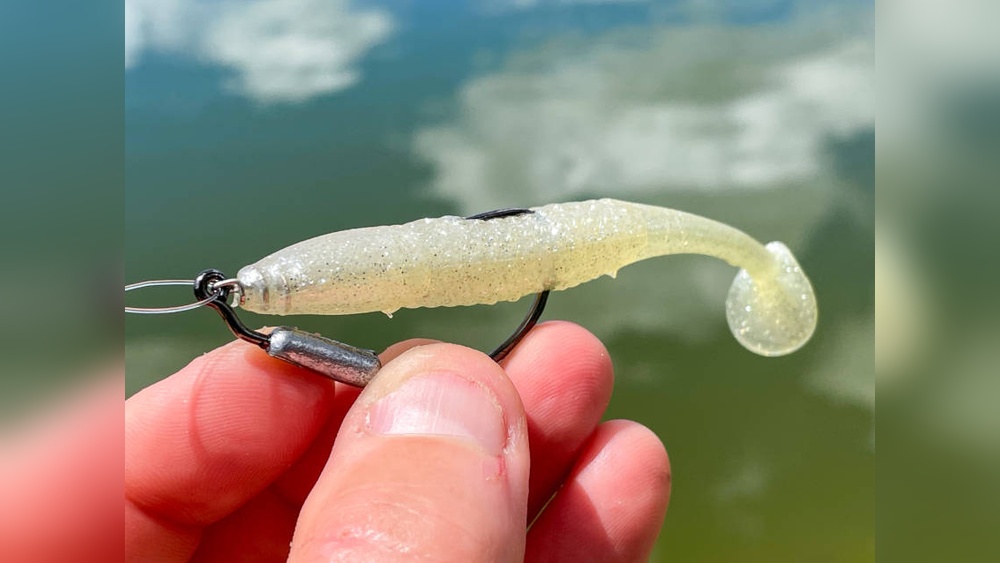
Nose or behind the dorsal fin to keep them swimming naturally.
- Ignoring local advice: Bait preferences can change from one spot to another. Always ask local anglers or bait shop owners for current recommendations—they often know what’s working that week.
- Overlooking the importance of scent: Especially in saltwater, scent plays a huge role. Some beginners rely too much on bright, flashy lures or baits, forgetting that a strong smell can draw fish in even when visibility is low.
- Improper storage: Letting bait get too warm or dry out will quickly ruin its effectiveness. Always bring a cooler with ice packs, even for short trips.
Practical Tips For Better Results
Getting the most out of your bait is about more than just picking the right type. Here are some extra steps that can help you catch more fish.
Adjust Your Rig To The Bait
If you’re using live shrimp, a small circle hook and a light leader help keep the shrimp alive and moving naturally. For cut bait, a heavier leader is often needed because predatory fish like sharks have sharp teeth. When using artificial lures, match your retrieve speed to the type of fish you’re targeting—fast and erratic for mackerel, slow and steady for flounder.
Observe What’s Around You
Watch birds and other wildlife. Seagulls diving into the water or baitfish jumping near the surface can reveal where predatory fish are feeding. Try to “match the hatch” by using bait that looks like what you see in the area.
For example, if mullet are running along the shore, use mullet as bait or a lure that closely mimics them.
Experiment With Presentation
Sometimes changing how you present the bait makes all the difference. For live bait, try rigging it differently: through the nose, tail, or dorsal fin. For cut bait, adjust the size of the chunk or how you hook it. With lures, change your retrieve speed or add pauses to mimic injured prey.
Stay Flexible
Fish behavior changes with weather, tides, and time of year. Don’t stick to just one bait or technique all day. If you’re not getting bites after 30 minutes, change your bait, spot, or rigging method. Flexibility often leads to a better catch.
Learn To Catch Your Own Bait
Catching your own live bait with a cast net or small trap can be very effective. Not only does it save money, but the freshest bait is often the most attractive to fish. Plus, you can match exactly what’s in the local environment.
Advanced Insights Most Beginners Miss
There are a few less obvious details that can make a big difference:
1. Water temperature affects bait choice. In colder water, fish metabolism slows down, and they may prefer slower, easier meals like cut bait or slow-moving lures. In warm water, fish are more active and may chase live bait or fast-moving lures.
2. Oily baits leave a scent trail. Baits like menhaden, sardines, and mackerel give off more oil, creating a scent trail in the water. This can be especially helpful in attracting fish from a distance, especially in moving water or after a rain when visibility is low.
3. Freshness matters more than you think. Even with cut or frozen bait, fresher is always better. Fish can detect subtle differences in scent, and older bait can repel more than it attracts. If you’re fishing with frozen bait, try to keep it as cold as possible and use it before it becomes too soft or mushy.
4. Use scent products with lures. If you prefer artificial lures but aren’t getting bites, try adding a commercial fish attractant scent. These gels or sprays can make lures more appealing, especially in tough conditions.
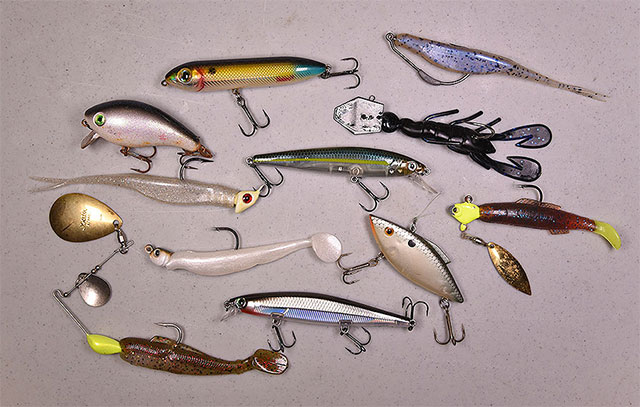
Credit: www.gameandfishmag.com
Conclusion: Smarter Bait Choices Lead To More Fish
Saltwater fishing is full of challenges, but choosing the right bait doesn’t have to be one of them. By learning the differences between live bait, cut bait, frozen bait, and artificial lures, you’ll be ready to adapt to any fishing spot or situation.
Remember to match your bait to your target species, keep it fresh, and adjust your approach based on water conditions and fish behavior.
If you’re ever unsure, watch what’s happening around you and ask local experts for advice. With practice and observation, you’ll discover which baits work best in your favorite spots. And don’t be afraid to experiment—some of the best fishing stories start with trying something new.
For more in-depth techniques, you can check resources like [TakeMeFishing.org](https://www.takemefishing.org/saltwater-fishing/how-to-fish/types-of-bait/) for updated tips and local regulations.
Happy fishing, and may your next catch be your biggest yet!