
Fishing is an art and science, filled with many small tools and tricks that can make the difference between a good day and a frustrating one. Among these tools, fishing swivels are often overlooked by beginners, but experienced anglers know their true value. If you’ve ever dealt with line tangles, mysterious twists, or lost fish, you’ll find that understanding fishing swivels can change your whole fishing experience. This guide explains what fishing swivels are used for, why they matter, and how to use them for the best results.
What Is A Fishing Swivel?
A fishing swivel is a small device, usually made from metal, placed between different parts of your fishing line. It has two rings connected by a pivoting joint, allowing each end to rotate independently. This simple piece of gear can have a surprisingly big impact on your fishing trips. Swivels come in several types and sizes, and choosing the right one depends on your specific needs and the species you’re targeting.
The Main Uses Of Fishing Swivels
Let’s explore how fishing swivels are used and why they’re important to both beginners and seasoned anglers.
1. Preventing Line Twist
One of the most common problems in fishing is line twist. When your lure or bait spins in the water, it can cause the fishing line to coil up. This not only weakens your line but also makes casting and retrieval difficult. A fishing swivel allows the lure to rotate freely without transferring the twist to your main line, keeping your setup smooth and tangle-free.
For example, if you use spinners or spoons—lures that rotate as they move—using a swivel is almost mandatory. Without a swivel, your line may become so twisted that you’ll spend more time fixing knots than fishing.
2. Connecting Different Types Of Line
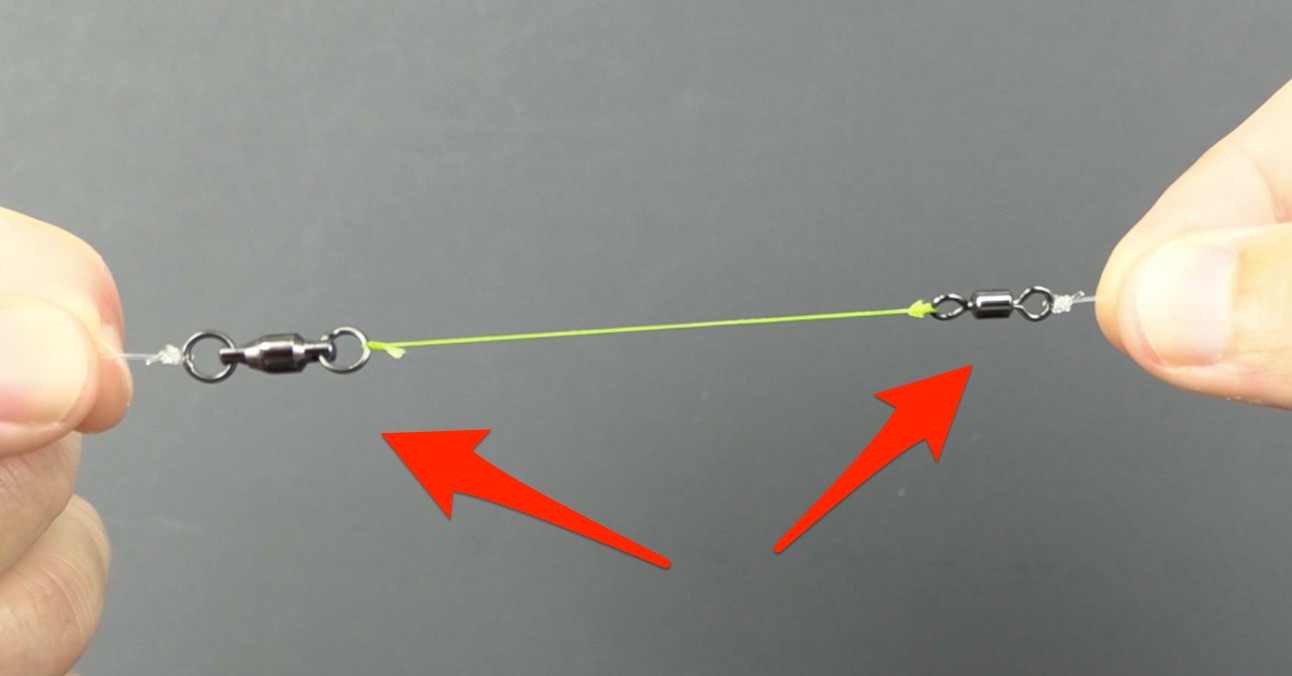
Sometimes, you need to join two lines made of different materials or thicknesses. For example, you might want a strong braided mainline for casting distance and a clear fluorocarbon leader to avoid spooking fish. Tying these two directly can be tricky. Swivels make the connection easy and secure, acting as a reliable joining point that won’t slip under pressure.
3. Reducing Tangles In Multi-hook Rigs
Many fishing rigs use more than one hook or lure. These can easily get tangled, especially when casting or retrieving. By placing swivels at key points, each part of the rig can move independently. This means fewer tangles, less time fixing your gear, and more time with your line in the water.
A common example is the drop shot rig in bass fishing, where a swivel helps keep the line straight and separates the weight from the hook.
4. Enhancing Lure Action
Certain lures, like spinnerbaits and buzzbaits, are designed to spin rapidly. If the line can’t rotate freely, the lure’s movement becomes unnatural, making it less attractive to fish. Swivels allow these lures to do what they’re designed for—spin, flutter, and flash—without interference.
5. Quick Change Of Leaders, Hooks, Or Lures
Swivels make it simple to switch out leaders, hooks, or lures without retying knots every time. This is especially useful in situations where you need to adapt quickly, like when fish are being picky about bait or when you move from one type of water to another.
With a snap swivel (a swivel with a clip), you can swap lures in seconds. This not only saves time but also ensures your knots are always strong and fresh.
6. Acting As A Stopper For Sliding Weights
In some rigs, weights are designed to slide along the line. A swivel can act as a stopper, preventing the weight from moving too far or damaging the knot. This is common in setups like the Carolina rig for bass or the sliding sinker rig for catfish.
7. Supporting Specialized Rigs
Some advanced rigs require swivels to work properly. For example, the three-way swivel rig lets you attach a mainline, a weight, and a leader to different points. This setup is popular in river fishing, where you need to keep your bait off the bottom but still in the current.
Credit: www.saltstrong.com
Types Of Fishing Swivels
Choosing the right swivel matters. Here are the most common types and how they’re used.
| Swivel Type | Main Feature | Best Use |
|---|---|---|
| Barrel Swivel | Basic, strong, affordable | General use, prevents basic line twist |
| Ball Bearing Swivel | Smoother rotation, handles heavy loads | Saltwater fishing, heavy lures, big fish |
| Snap Swivel | Quick lure changes | When you want to switch lures often |
| Three-Way Swivel | Three attachment points | Special rigs, drifting, river fishing |
| Finesse Swivel | Small, lightweight | Ultralight fishing, small baits |
Barrel swivels are the most common and work well for many situations. Ball bearing swivels cost more but spin more easily, which matters for big fish or fast-moving lures. Snap swivels are perfect for fast changes, while three-way swivels are made for special rigs. Finesse swivels are good when you want the smallest, least visible hardware.
How To Choose The Right Fishing Swivel
Not all swivels are created equal. Picking the right one depends on your fishing style, target species, and gear.
Size And Strength
Swivels come in different sizes, usually measured by numbers (e. g. , size 10, 12, 14). The smaller the number, the stronger and larger the swivel. Always match the swivel’s strength to your line and the fish you expect to catch.
As a rule, your swivel should be at least as strong as your line.
For example, a size 6 swivel might hold up to 40 pounds, while a tiny size 12 might only handle 20 pounds. If you’re fishing for big saltwater species, pick a larger ball bearing swivel. For trout or panfish, a small barrel swivel is enough.
Water Type: Freshwater Vs. Saltwater
Saltwater fishing is tougher on gear. Salt can cause cheap swivels to rust and jam. Use high-quality stainless steel or brass swivels for saltwater, and rinse your gear after each trip.
Stealth: Visibility Matters
Fish can be surprisingly cautious. In clear water, a shiny, oversized swivel may scare away bites. Choose the smallest, least visible swivel that still gets the job done. Some anglers use black nickel or matte finish swivels to avoid reflecting light.
Swivel Type For The Situation
- Barrel swivels: Good for most uses, affordable, and reliable.
- Ball bearing swivels: Best for heavy lures, strong fish, or high-speed trolling.
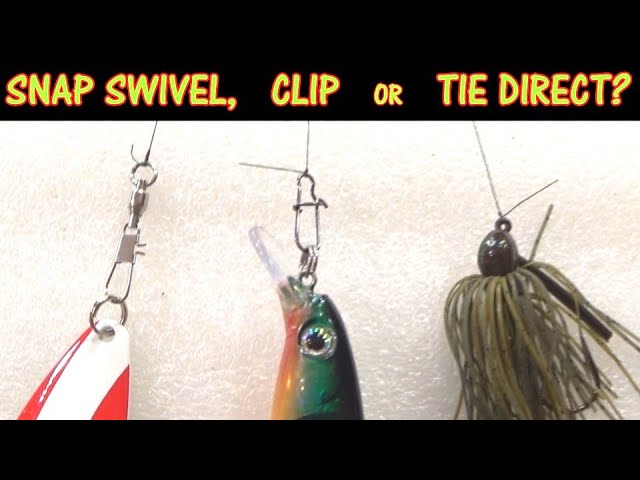
- Snap swivels: Useful for quick lure changes, but some believe snaps reduce lure action.
- Three-way swivels: Use when you need to attach multiple lines, like in bottom fishing or drifting.
Cost Vs. Performance
While it’s tempting to buy the cheapest swivels, poor-quality swivels can fail at the worst moment. They may jam, break, or corrode quickly. Spending a little more for a reliable brand can save you from losing a trophy fish.
When Not To Use A Swivel
Swivels are helpful, but not always necessary. In some cases, adding extra hardware can hurt your chances.
- Direct lure attachment: Some lures, like soft plastic worms, work better tied directly to the line, as swivels can interfere with natural movement.
- Fly fishing: Most fly fishing setups don’t use swivels, as the extra weight and visibility can spook fish.
- Ultra-clear water: When fish are especially wary, skip the swivel to keep your setup as invisible as possible.
Understanding when to use a swivel—and when to leave it out—can make you a more adaptable angler.
Real-world Example: Solving Line Twist With Swivels
Imagine you’re fishing with a spinnerbait for pike. After an hour, your line starts to coil and twist. Casting becomes harder, and you notice small knots forming. This is classic line twist, caused by the lure spinning in the water. By adding a ball bearing swivel between your mainline and leader, the lure can spin freely, and the twist never reaches your reel. Your line stays smooth, and you spend more time fishing, less time untangling.
How To Attach A Swivel
Attaching a swivel is simple but important. Here’s a step-by-step guide:
- Tie the mainline to one ring of the swivel using a strong knot like the improved clinch knot or Palomar knot.
- Attach your leader or lure to the other ring (or snap) using another knot or the snap clip.
- Check that the swivel spins freely before casting.
Avoid overtightening, which can damage the line or jam the swivel.
Practical Tips For Using Fishing Swivels
- Check your swivel before each trip. If it doesn’t spin smoothly, replace it.
- Match the swivel’s size to your gear. Too big, and it’s visible; too small, and it could break.
- Rinse swivels after saltwater use. Salt can corrode even good-quality swivels.
- Don’t rely on swivels for everything. Learn strong knots for when you want a direct connection.
Common Beginner Mistakes
Many beginners use swivels incorrectly or when they aren’t needed. Here are two insights that most new anglers miss:
- Overusing snap swivels: It’s easy to add a snap swivel to every lure, but some lures (like jigs or soft plastics) actually lose action when attached this way. Try tying these directly for better results.
- Ignoring swivel quality: Cheap swivels can jam or break easily, especially under heavy loads or after exposure to saltwater. Always test your swivel before use and replace any that stick.
Swivels And Knot Strength
A swivel is only as strong as the knot you use to tie it. Practice a few reliable knots, like the improved clinch knot, Palomar knot, or uni knot. Poor knots are the main reason swivels fail—not the hardware itself.
Here’s a quick comparison of common fishing knots for attaching swivels:
| Knot Name | Strength (%) | Difficulty | Best Use |
|---|---|---|---|
| Improved Clinch Knot | 85-90 | Easy | General use, monofilament |
| Palomar Knot | 95-100 | Easy | Braided lines, strong hold |
| Uni Knot | 90-95 | Medium | Versatile, mono and braid |
Strong knots protect both your swivel and your catch.
Swivels In Saltwater Vs. Freshwater Fishing
Fishing conditions vary between saltwater and freshwater, and so does your gear. Swivels are no exception.
- Saltwater swivels must resist corrosion. Choose stainless steel or high-quality brass. Ball bearing swivels are common for big game fish like tuna or marlin.
- Freshwater swivels can be lighter and less expensive. Barrel swivels are usually enough for bass, trout, or panfish.
Some anglers use a new swivel for each saltwater trip, since the salty environment can quickly weaken gear. In freshwater, swivels may last much longer.
Swivel Maintenance And Longevity
To keep your swivels working well:
- Rinse them in fresh water after every saltwater trip.
- Dry them before storage to avoid rust and corrosion.
- Check for smooth spinning—if the swivel is stiff, replace it.
- Store swivels in a dry tackle box with dividers to prevent tangling.
A well-maintained swivel can last for years, but it’s wise to carry spares just in case.

Credit: www.reddit.com
Swivels And Environmental Impact
While fishing swivels are tiny, lost or discarded gear can add up. Stainless steel and brass swivels last a long time, but they don’t break down in the environment. Always pick up lost gear when possible, and avoid leaving swivels or other tackle in the water.
Some companies are exploring biodegradable swivels, though these are not yet common.
Advanced Uses: Swivels In Specialized Rigs
Swivels are key to many advanced rigs:
- Three-way rigs for river fishing, letting you keep bait suspended and add a weight that drags bottom.
- Dropper loop rigs use swivels to keep multiple hooks apart, great for deep sea fishing or when targeting multiple species.
- Carolina rigs use a swivel as a stopper for sliding weights, perfect for bass fishing in weedy or rocky areas.
- Surfcasting rigs often include swivels to handle the force of long casts and the twisting of bait in surf.
Here’s a look at how swivels are used in a three-way rig:
| Three-Way Rig Part | Attachment | Purpose |
|---|---|---|
| Main Line | Top ring of swivel | Connects to rod/reel |
| Leader/Bait | Side ring | Holds hook and bait |
| Weight/Sinker | Bottom ring | Keeps bait at depth |
Each connection point moves independently, reducing tangles and allowing better bait presentation.
Two Insights Most Anglers Miss
- Swivels can reduce line memory: Line memory causes your fishing line to retain coils from the spool, leading to loops and tangles. Swivels, especially with spinning lures, can help straighten the line, making casting easier and more accurate.
- Swivel color matters: Many new anglers use shiny, silver swivels by default. In clear water, a flashy swivel can scare fish. Switching to a black or dark green swivel often leads to more bites, especially from cautious species like trout.
Trusted Brands And Where To Buy
Not all swivels are reliable. Some trusted brands include Spro, Owner, Mustad, and VMC. Look for these names when shopping online or at your local tackle shop. Reviews and recommendations from experienced anglers can also help you find the best fit for your style.
For more details on different swivel types and their uses, you can check Wikipedia’s Fishing Swivel article.
Credit: www.youtube.com
Frequently Asked Questions
What Size Fishing Swivel Should I Use?
Choose a swivel that matches the breaking strength of your main fishing line and leader. For light freshwater fishing, sizes 10–14 are common. For saltwater or big game fish, use larger sizes (6–8). Always use the smallest size that safely handles the fish you’re targeting.
Do Fishing Swivels Affect Lure Action?
Sometimes. Snap swivels can change the movement of certain lures, especially jigs and soft plastics, making them less attractive to fish. For lures where action is key, consider tying them directly to your line or use a small split ring instead of a snap.
Can I Use The Same Swivel For Saltwater And Freshwater Fishing?
You can, but saltwater is harsher on gear. Always use stainless steel or high-quality brass swivels in saltwater, and rinse them after each trip to prevent rust. For freshwater, most swivels will work, but check for smooth movement.
How Often Should I Replace My Swivels?
Check your swivels before each trip. Replace any that are bent, rusted, or jammed. In saltwater, consider using new swivels each trip. In freshwater, well-maintained swivels can last for many outings.
Are Fishing Swivels Necessary For All Types Of Fishing?
No. Swivels are most useful with spinning lures, multi-hook rigs, or when joining different lines. They’re not always needed for soft plastics, fly fishing, or in ultra-clear water where stealth is important.
Fishing swivels may be small, but they solve big problems. Whether you’re targeting trout in a mountain stream or chasing tuna offshore, using swivels correctly can give you an edge and make your time on the water more enjoyable. With the right knowledge and gear, you’ll spend less time dealing with tangles and more time catching fish.