Every year, millions of people stand by rivers, lakes, and oceans with a rod in hand, hoping for a bite. Some call it fishing, others call it angling. At first, these terms might seem the same, but for many, they carry different meanings and traditions. If you’re new to the world of water and bait, you might wonder: Is angling just another word for fishing? Or do they mean something unique? Understanding the difference can help you connect with a vibrant community, choose the right equipment, and enjoy your time outdoors more deeply.
Let’s dive into the world of angling and fishing, see how they compare, and clear up common myths and confusions. Whether you’re thinking about picking up a rod for the first time, or you want to understand the culture better, this article will give you a full view of both terms, their histories, techniques, and what they mean to people around the world.
What Is Fishing?
Fishing is one of the oldest activities humans have practiced. At its core, fishing means catching fish or other aquatic animals from natural or artificial water bodies. People fish for many reasons: food, business, sport, or tradition.
Methods Of Fishing
There are many ways to fish, and these methods depend on culture, technology, and goals. Here are some common methods:
- Netting: Using nets to trap or scoop fish. This is common in commercial fishing.
- Trapping: Using cages or baskets (like lobster pots) to catch aquatic animals.
- Spearfishing: Using spears, harpoons, or similar tools.
- Hand Gathering: Collecting fish or shellfish by hand, often in tidal areas.
- Trawling: Dragging large nets behind boats, mostly for catching large quantities.
- Line Fishing: Using a line and hook. This includes angling but also other methods.
Fishing can be simple, like a child catching minnows in a stream with a bucket, or complex, like commercial trawlers catching tons of fish at sea.
Fishing For Food And Survival
For much of history, fishing was about survival. Coastal and river communities depended on fish as a main source of protein. Even today, the FAO (Food and Agriculture Organization) reports that over 3 billion people rely on fish for 20% of their animal protein.
Fishing For Commerce
Fishing is also a major global industry. According to the World Bank, the world’s fishery industry is worth over $400 billion per year. Commercial fishing uses large boats, advanced technology, and coordinated teams to catch, process, and sell fish worldwide.
Fishing For Recreation
Not all fishing is about food or money. In many countries, recreational fishing is a favorite hobby. People enjoy the peace, the challenge, and the time spent outdoors. Recreational fishing can use any method, not just rods and lines.
What Is Angling?
Angling is a special type of fishing. It means catching fish using a rod, line, and hook—often with a bait or lure attached. The word “angle” comes from an old English word for “hook.”
The Core Of Angling
The key features of angling are:
- Rod: Used to cast the line and play the fish.
- Line: Connects the rod to the hook and bait.
- Hook: The part that catches in the fish’s mouth.
- Bait/Lure: Attracts the fish.
Angling is almost always a recreational or sporting activity, rather than a way to gather food or make a living. There are exceptions, but when people talk about angling, they usually mean fishing for fun, sport, or relaxation.
Angling As Sport
Competitive angling has a long history. There are local and international tournaments, with rules, prizes, and rankings. For example, the Bassmaster Classic in the USA is a famous annual event for anglers, with top prizes and media coverage.
Angling For Conservation
Many anglers practice catch and release—catching fish and then releasing them alive. This helps preserve fish populations and supports sustainable fishing. Angling groups often lead conservation projects, cleanups, and education about water ecosystems.
Angling As A Way Of Life
For millions, angling is more than a hobby. It’s a way to connect with nature, family, and friends. It teaches patience, focus, and respect for wildlife.
Credit: www.fisheries.noaa.gov
Comparing Angling And Fishing
It’s easy to think angling and fishing are the same. In daily speech, many people use “fishing” to mean angling. But the differences matter, especially if you want to join clubs, buy gear, or talk with experienced fishers.
Let’s compare angling and fishing in a clear way:
| Aspect | Fishing | Angling |
|---|---|---|
| Definition | Catching fish by any method | Catching fish with rod, line, and hook |
| Main Purpose | Food, commerce, sport, survival | Sport, recreation, relaxation |
| Equipment | Nets, traps, spears, rods, lines | Rod, line, hook, bait/lure |
| Common Image | Any fish-catching activity | Person with rod and reel by water |
| History | Ancient; basic survival skill | Popular since 15th century for sport |
| Conservation Focus | Variable; some destructive methods | Often supports conservation |
History And Cultural Roots
Fishing Through The Ages
Fishing has been found in ancient paintings, tools, and writings. Cave drawings from over 20,000 years ago show people catching fish with spears and nets. In Egypt, Greece, China, and Rome, fishing was both a food source and a social activity.
The rise of commercial fishing changed history. With boats and nets, communities could feed more people and trade with neighbors.
The Birth Of Angling
Angling as a sport began in Europe. The oldest known book on angling is “A Treatise of Fishing with an Angle,” written in 1496 in England. It described rods, lines, hooks, and baits for catching trout and other fish. Angling became popular among nobles and city dwellers who wanted a peaceful pastime.
By the 19th century, angling clubs, magazines, and tournaments appeared across Europe and North America. Today, angling has millions of fans worldwide, with new technology, techniques, and conservation efforts.
Types Of Angling
Angling is not just one activity. There are many types, each with its own skills and joys. Here are some popular forms:
- Fly Fishing: Using lightweight lures (flies) and special casting techniques. Famous in mountain streams and rivers.
- Spinning: Using a spinning rod and reel, casting lures or bait for various fish.
- Baitcasting: Using a baitcasting reel for heavier lures and bigger fish, like bass or pike.
- Surfcasting: Casting from the shore into the ocean, often for sea fish.
- Ice Fishing: Drilling holes in frozen lakes and dropping lines below the ice.
- Trolling: Dragging lures behind a slow-moving boat, common in deep lakes or the sea.
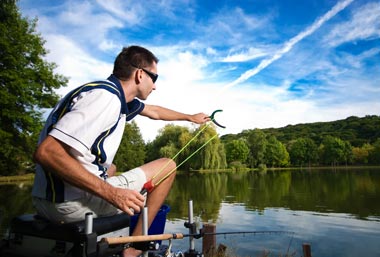
- Float Fishing: Using a float or bobber to suspend bait at a set depth, common in lakes and slow rivers.
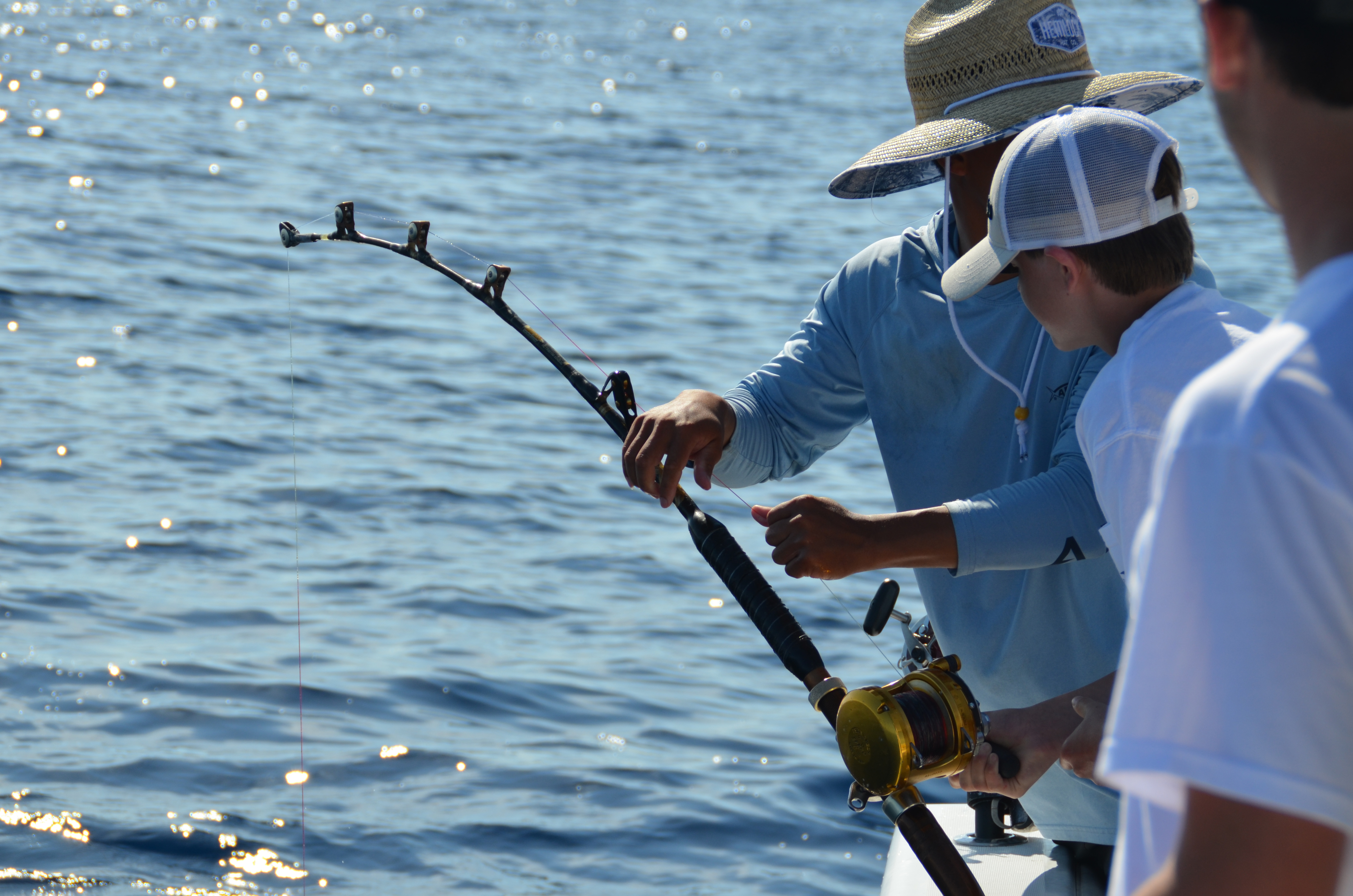
- Big Game Angling: Targeting huge fish like marlin, tuna, or sharks in deep sea.
Each type requires different gear, techniques, and often a different attitude. For example, fly fishing is famous for its quiet, artistic feel, while big game angling is about excitement and strength.
Angling Techniques And Skills
A big part of angling’s appeal is its mix of skill, knowledge, and luck. Here are some important angling techniques:
Casting
Casting means sending your bait or lure into the water. Good casting is about timing, strength, and accuracy. There are many styles, like overhead cast, side cast, and roll cast.
Choosing Bait
Fish respond to different foods depending on species, season, and location. Common baits include worms, insects, small fish, dough balls, or artificial lures. Knowing what works takes experience and sometimes local advice.
Hooking And Playing Fish
Once a fish bites, the angler must set the hook (a quick movement to anchor the hook in the fish’s mouth) and play the fish—using the rod and line to tire it out before landing it. This is often the most thrilling part.
Landing And Releasing
Landing means bringing the fish to shore or into the boat. Many anglers use nets or careful hand techniques. If practicing catch and release, it’s vital to handle fish gently and return them to the water quickly.
Equipment: Angling Vs Fishing Gear
The equipment used in angling is more specialized than in general fishing. Here’s a side-by-side look:
| Item | General Fishing | Angling |
|---|---|---|
| Rod | Optional (not always used) | Essential |
| Net/Trap | Often used | Rarely used for catching, mostly for landing |
| Reel | Not required | Almost always required |
| Bait/Lure | Optional; can use nets/traps without bait | Essential |
| Boat | Common in commercial fishing | Used for some angling types |
The Social Side: Community And Culture
Both fishing and angling can be social or solitary. Some go fishing for quiet time alone; others join groups and clubs.
Angling Clubs And Competitions
In many countries, angling clubs are common. These clubs organize:
- Competitions: Friendly or serious, with prizes for biggest or most fish.
- Education: Teaching kids and beginners about safe, responsible angling.
- Conservation Projects: Protecting water quality, restocking fish, and cleaning litter.
Competitive angling is a major sport in places like the UK, USA, and Japan. Some matches draw hundreds of competitors and big audiences.
Family And Tradition
In many families, angling is passed down from parents to children. It’s a way to teach patience, responsibility, and a love for nature. Many people remember their first fish as a special childhood memory.
Conservation And Environmental Impact
Overfishing And Ecosystem Damage
One difference between fishing and angling is their impact on the environment. Commercial fishing, especially with large nets and trawlers, can harm fish populations and habitats. Overfishing is a serious problem worldwide. According to the United Nations, 34% of global fish stocks are overfished, threatening the balance of marine ecosystems.
Angling’s Role In Conservation
Many anglers support conservation. They follow size and bag limits, use barbless hooks, and participate in habitat restoration. Angling groups often work with scientists to collect data about fish populations and water quality.
Ethical Angling
Good anglers practice ethical fishing. This means:
- Following local laws
- Respecting wildlife and other people
- Using proper techniques for catch and release
- Avoiding litter and pollution
These habits help keep waters healthy for future generations.
The Health And Well-being Benefits
Both angling and fishing offer physical and mental health benefits. Spending time outdoors can reduce stress, improve mood, and provide gentle exercise. Angling, in particular, is known for its calming, mindful qualities. It encourages focus, patience, and appreciation for nature.
Recent studies show that people who fish regularly have lower rates of depression and anxiety. For example, a 2021 survey in the UK found that anglers reported higher life satisfaction and lower stress compared to non-anglers.
Myths And Misunderstandings
There are several common myths about angling and fishing:
- Angling and fishing are the same: Not quite. All angling is fishing, but not all fishing is angling.
- Angling is only for experts: Beginners are welcome! Many clubs offer lessons and starter events.
- Anglers always keep their catch: Many practice catch and release.
- Fishing hurts the environment: Commercial fishing can, but responsible angling usually helps conservation.
- You need expensive gear: Many people start angling with simple, affordable equipment.
Angling And Fishing Around The World
Different countries have unique traditions and favorite styles. Here are a few examples:
- Japan: Tenkara is a traditional form of fly fishing in mountain streams.
- USA/Canada: Bass fishing is very popular, with many tournaments and TV shows.
- UK: Coarse fishing (for non-salmon species) is a favorite pastime.
- Scandinavia: Ice fishing is common in winter, with special competitions.
- Africa/Asia: Fishing is often linked to daily food and survival, but recreational angling is growing.
Credit: www.adventurenation.com
Legal And Ethical Issues
In many places, there are rules about who can fish, when, and how. These may include:
- Licenses: Most countries require a license or permit for angling.
- Seasons: Some fish can only be caught at certain times to protect breeding.
- Limits: Rules on how many fish you can keep, or what size.
- Protected Species: Some fish are off-limits to protect endangered populations.
Breaking these rules can result in fines or bans. Responsible anglers learn local laws before fishing.
How To Get Started With Angling
If you want to try angling, here are steps to follow:
- Learn the Basics: Read guides, watch videos, or join a beginner’s class.
- Get Equipment: Start with a simple rod, reel, line, and some hooks and bait.
- Find Local Waters: Lakes, rivers, and even urban ponds often have angling spots.
- Get a License: Check local rules and buy any required permits.
- Practice Casting: Try in your backyard or a quiet spot before going to busy waters.
- Respect Nature: Take only photos, leave no litter, and follow local rules.
- Join a Club: Many clubs welcome beginners and offer advice, trips, and friendship.
A non-obvious tip: talk to local anglers! They often share the best advice on where to go, what bait to use, and when to fish. Another insight: weather and water temperature matter more than most beginners realize. Fish are more active at certain times of day or in certain conditions.
Future Of Angling And Fishing
Technology is changing both angling and fishing. Smart fish finders, electric reels, and advanced materials make fishing easier and more efficient. However, the challenge is to balance technology with tradition and conservation.
Climate change, pollution, and overfishing are big threats. Angling and fishing communities are working with scientists and governments to protect water bodies and fish populations. The future depends on education, responsible practice, and respect for nature.
For more detail on the differences and history of fishing, see the Wikipedia page on Fishing.
Frequently Asked Questions
What Is The Main Difference Between Angling And Fishing?
Angling is a specific type of fishing that uses a rod, line, and hook to catch fish, usually for sport or recreation. Fishing is a broad term that includes all methods of catching fish, such as nets, traps, and spears, for any purpose including food, business, or fun.
Can You Be An Angler Without Catching Fish?
Yes. An angler is someone who tries to catch fish using a rod and line. Even if you don’t catch anything, you’re still angling. Many anglers value the process, the peace, and the connection to nature as much as catching fish.
Is Angling Safe For Fish Populations?
When done responsibly, angling is generally safe. Many anglers use catch and release techniques, follow local rules, and help with conservation. However, using the wrong gear or breaking rules can harm fish and habitats.
Do I Need Special Equipment To Start Angling?
You don’t need expensive or complicated gear. A basic rod, reel, line, and hook are enough to start. As you gain experience, you can try more advanced equipment or techniques.
How Can I Learn Angling As A Beginner?
Start by reading guides, watching videos, or asking local anglers for advice. Many clubs offer beginner lessons. Practice casting in a safe place, get the right permits, and always respect nature and the rules.
Angling and fishing offer adventure, peace, and a lifelong connection to the water. Whether you choose to fish for food, sport, or simple enjoyment, understanding the difference helps you join a tradition that’s as old as human history.

Credit: en.wikipedia.org