
Fishing is full of small details that make a big difference, and beads are one of those details. If you have ever looked at a fishing rig and wondered about the small, round pieces—often plastic or glass—threaded onto the line, you are not alone. Many beginners see beads in fishing tackle boxes or on rigs but do not know why they are there. Some believe beads are just for decoration, but in reality, they play several important roles that can improve your fishing results. Understanding what beads do in fishing can help you fish smarter, avoid simple mistakes, and even catch more fish.
Let’s dive deep into the world of fishing beads, explore why they matter, how to use them, and what makes them essential for both beginners and experienced anglers.
What Are Fishing Beads?
Fishing beads are small, round objects made from materials like plastic, glass, or metal. They come in various sizes, colors, and finishes. Most commonly, they are used as part of a fishing rig, placed on the fishing line, between other components such as hooks, swivels, weights, or lures.
At first glance, fishing beads might look like simple craft beads, but their designs and materials are chosen for specific fishing purposes. Some beads are bright and colorful, while others are transparent or glow in the dark. Each type has its own use and advantage depending on the fishing situation.
Main Functions Of Beads In Fishing
To understand why beads are used, it’s important to look at their main functions. Here are the most common reasons anglers include beads in their rigs:
1. Protecting Knots
When fishing, you often use sinkers or weights to get your bait down to the right depth. These weights can slide along the line and hit the knot that attaches your hook or swivel. Over time, this repeated impact can weaken or even break the knot. Beads act as a buffer or cushion between the knot and the weight. By absorbing the shock, beads help your knots last longer and keep your rig stronger.
2. Attracting Fish
Many fish species are curious about bright colors or flashing objects. Beads can attract fish by adding visual appeal to your bait or lure. Brightly colored beads or those that glow in the dark can make your rig more noticeable, especially in murky water or low-light conditions. Some anglers also believe that beads can mimic fish eggs, which are a natural food source for fish like trout and salmon.
3. Making Noise
Certain beads, especially when made of glass or metal, can click or rattle when they knock against other parts of your rig. This noise can attract fish, especially in muddy water or at night when visibility is low. The sound can trigger a fish’s curiosity or instinct to strike.
4. Acting As Spacers
Beads are sometimes used to keep different parts of a rig separated. For example, you might want to prevent a spinner blade from rubbing against a knot, or keep a float in the right position. In these cases, beads work as spacers to maintain the correct distance between components.
5. Controlling Bait Depth
On some rigs, especially with sliding floats, beads help control the depth at which your bait sits. The bead can stop the float from sliding too far, keeping your hook at the right level in the water.
6. Preventing Line Damage
Sharp or hard components, like metal sinkers or swivels, can damage fishing line over time. Placing a bead between the line and these components reduces friction and wear, helping your line last longer.
7. Improving Rig Efficiency
Beads can make rigs work more smoothly. For example, on a Carolina rig, a bead placed between the sliding weight and swivel allows the weight to move freely without catching on the knot, making your bait presentation more natural.
Types Of Fishing Beads
Fishing beads are not all the same. Their type and material can change how they behave and what they are best for.
Plastic Beads
Plastic beads are the most common and are used for many purposes. They are light, inexpensive, and come in almost every color imaginable. They are often used as spacers or for adding color to a rig.
Glass Beads
Glass beads are heavier and make a louder noise when they hit metal weights or swivels. This makes them popular for noise-making rigs, like the Texas or Carolina rig. Glass beads also have a shiny, attractive appearance.
Metal Beads
Metal beads are less common but are sometimes used for noise or to add a bit of weight. They are very hard and can create sharp clicking sounds, which can be attractive to some fish.
Soft Beads
Soft beads are made from rubbery materials. They can be squeezed or slid over knots to protect them. Soft beads are also used to mimic fish eggs for species like salmon and trout.
Glow-in-the-dark Beads
Glow beads are made with materials that absorb light and glow in the dark. These are especially useful for night fishing or in deep, murky water where visibility is low.
Scented Beads
Some beads are infused with fish-attracting scents. These can add an extra layer of attraction, especially for fish that use their sense of smell to find food.
How To Use Beads In Common Fishing Rigs
Knowing which bead to use and where to place it is key. Here are some popular fishing rigs that use beads, and how beads work in each setup.
Carolina Rig
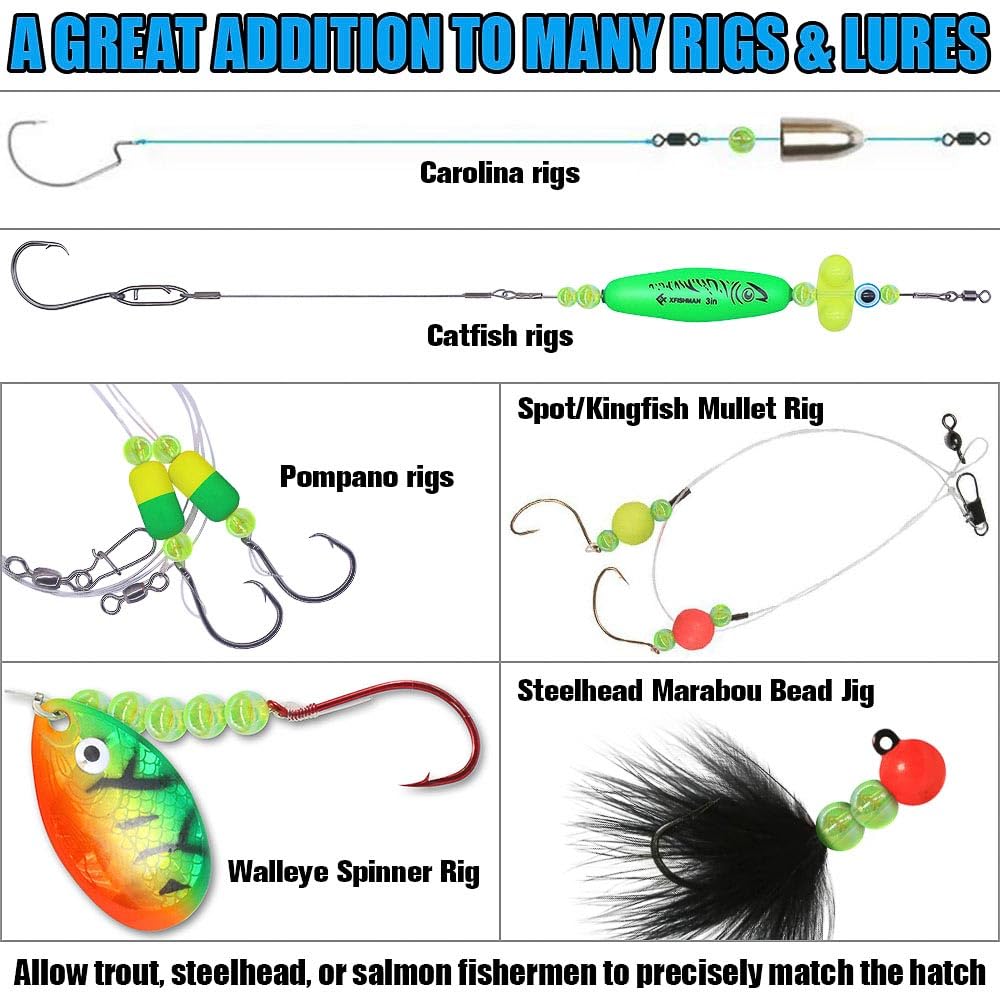
The Carolina rig is popular for bass fishing. It uses a sliding egg sinker, a bead, a swivel, and then a leader to the hook. The bead is placed between the sliding weight and the swivel.
- Purpose of the bead: Protects the knot from the weight, adds clicking noise when the weight hits the bead, and attracts fish with color or sound.
Texas Rig
The Texas rig is another favorite for bass anglers. It uses a sliding bullet weight, a bead, and a hook.
- Bead placement: Between the weight and the hook.
- Purpose: Protects the knot, adds noise, and can make the rig more noticeable.
Slip Bobber Rig
Slip bobbers or floats are used to adjust bait depth easily. A bead is placed above the float stop and below the bobber.
- Purpose: The bead prevents the bobber from sliding past the stop, keeping your bait at the desired depth.
Salmon And Trout Bead Rigs
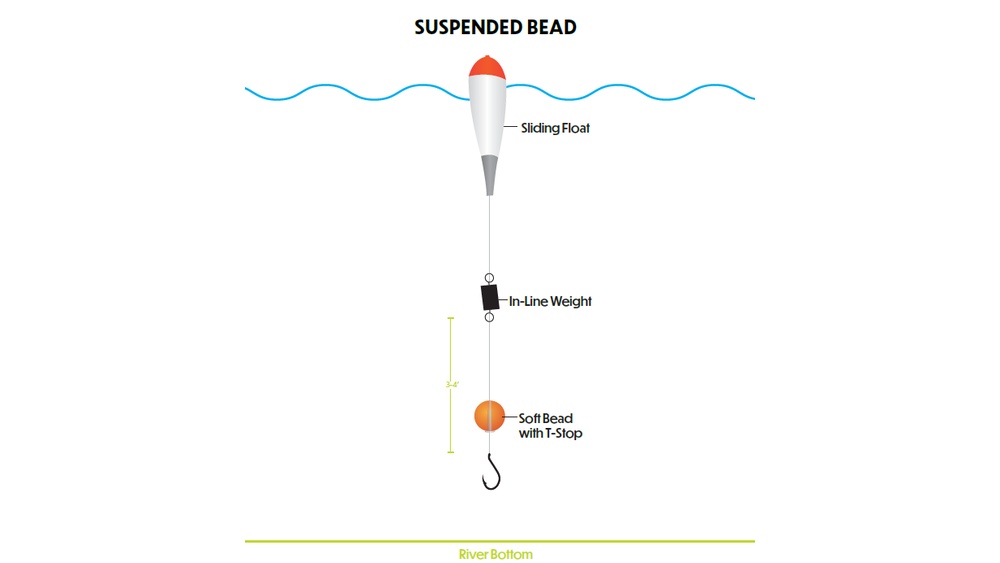
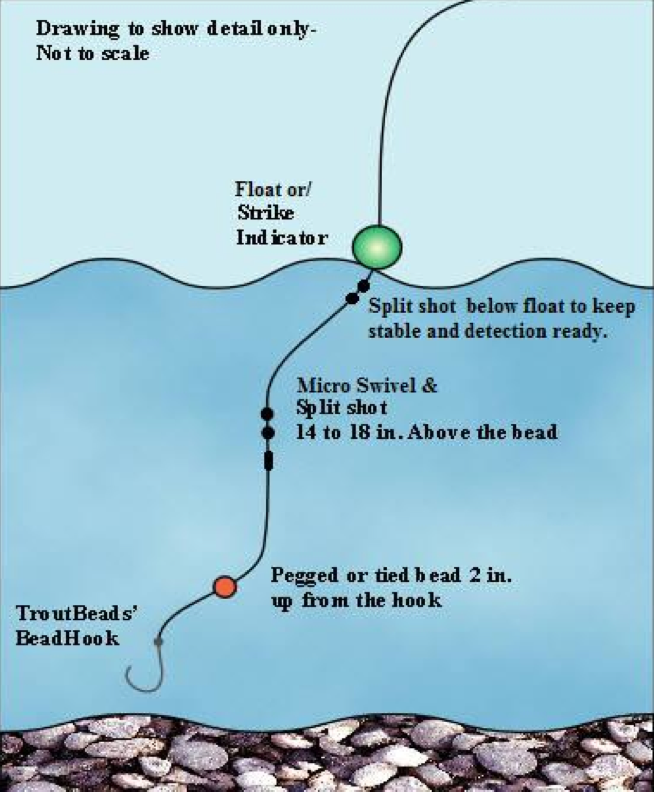
For salmon and trout, anglers often use soft beads that mimic fish eggs. The bead is threaded onto the leader and fixed in place with a stop, with a small hook trailing behind.
- Purpose: The bead imitates a single fish egg, which salmon and trout love to eat. The setup makes the presentation look natural.
Spinner Rigs
Spinner rigs often use beads to separate the spinning blade from the hook or to add extra color and flash.
- Purpose: Beads act as spacers and add visual appeal, making the rig more attractive to fish.
Bottom Bouncer Rigs
Beads can be used with bottom bouncers to protect knots and add attraction.
- Purpose: Keep the metal arm from damaging the line, and add color or noise.
Credit: www.amazon.com
Choosing The Right Beads For Fishing
Selecting the right bead for your fishing setup depends on several factors. Here are some things to consider:
Size
Beads come in many sizes, from tiny 3mm beads up to 10mm or larger. The right size depends on your rig and target fish. For example, small beads (3-5mm) are good for finesse rigs or small fish, while larger beads are better for salmon or when you need to make more noise.
Color
The color of the bead can make a difference. In clear water, natural or soft colors often work best. In murky water, bright colors like red, orange, or chartreuse are easier for fish to see. For salmon and trout, beads that match the color of real fish eggs (pale orange, pink, or red) are especially effective.
Material
- Plastic: Good for most uses, cheap, and versatile.
- Glass: Best for noise-making rigs.
- Soft beads: Ideal for imitating eggs and protecting knots.
Scent
Some beads are scented to attract fish. This is not always necessary but can be helpful, especially for scent-driven species like catfish or carp.
Glow
For night fishing or deep water, glow-in-the-dark beads can help fish find your bait.
Durability
If you are fishing in rough conditions or for strong fish, use tougher beads (hard plastic or glass) to prevent breaking.
Benefits Of Using Beads In Fishing
Adding beads to your fishing rig has many benefits, not just for professionals but also for beginners.
- Longer-lasting rigs: Beads protect knots and line, so you spend less time fixing problems and more time fishing.
- Increased strikes: Attracting fish with color, sound, or scent leads to more bites.
- Better bait presentation: Beads can help your bait move more naturally or sit at the right depth.
- Easier rigging: Beads make it simple to keep parts of your rig separated and organized.
- Versatility: You can use beads in many different rigs, for many types of fish.
Common Mistakes When Using Fishing Beads
Even experienced anglers sometimes misuse beads. Here are some mistakes to avoid:
- Using beads that are too big or too small: This can make your rig look unnatural or not work as intended.
- Choosing the wrong color: Fish may ignore your bait if the bead color is too bright or doesn’t match the environment.
- Forgetting to check for sharp edges: Some cheap beads have seams or sharp spots that can cut your line.
- Not securing beads in place: On some rigs, beads need to be fixed so they do not slide away from the right spot.
- Using the wrong material: Glass beads are great for noise, but can break if used with heavy weights on rocky bottoms.
Real-world Examples And Data
Beads are used by both recreational and professional anglers. For example, a study on trout fishing showed that using egg-like beads increased catch rates by up to 30% during spawning seasons compared to plain hooks. In bass fishing tournaments, anglers using Carolina rigs with glass beads reported more bites in stained water conditions due to the extra noise.
Let’s compare some common bead materials:
| Bead Material | Strength | Noise Level | Best For |
|---|---|---|---|
| Plastic | Medium | Low | General use, spacers, color |
| Glass | High | High | Noise, attraction |
| Metal | Very High | Very High | Noise, added weight |
| Soft | Low | None | Egg imitation, knot protection |
Example: Salmon Bead Rig
For salmon fishing, anglers often use a 8mm or 10mm soft bead in a natural egg color, placed 2 inches above a size 10 hook. The bead is fixed with a small rubber stop, and the rig is drifted through pools where salmon are feeding on loose eggs.
Example: Carolina Rig For Bass
A typical Carolina rig uses a 6mm glass bead between a 1/2 oz egg sinker and a swivel. The glass bead not only protects the knot but also creates a clicking sound that bass find interesting, especially in muddy water.
Comparing Bead Sizes For Different Fish
Choosing the right bead size is important. Here’s a quick guide:
| Target Fish | Bead Size (mm) | Recommended Material |
|---|---|---|
| Trout | 6-8 | Soft/plastic |
| Salmon | 8-12 | Soft/plastic |
| Bass | 5-8 | Glass/plastic |
| Panfish | 3-5 | Plastic |
| Catfish | 8-10 | Plastic/metal |
Non-obvious Insights About Fishing Beads
Most beginners think beads are optional or just for show, but here are two things many miss:
- Subtle movement matters: Small beads can help your bait move in a more lifelike way when the current pushes it. This can trigger bites from fish that are not hungry but react to movement.
- Matching bead color to real eggs: For salmon and trout, using beads that perfectly match the color and size of natural eggs can dramatically increase your success. Fish are less likely to ignore your bait if it looks exactly like what they are feeding on.
Another insight is that beads can help you detect bites. On some rigs, if you feel the bead tapping the weight, you know your bait is moving correctly and not tangled—a small detail that can make a big difference.
How To Add Beads To Your Rig
If you want to add beads to your fishing rig, the process is simple:
- Thread your fishing line through the bead before tying on your hook or swivel.
- If using a sliding sinker, place the bead between the sinker and the knot.
- For rigs like salmon bead rigs, use a small rubber stop to fix the bead in place above the hook.
- Make sure the bead fits snugly but can slide if needed (unless you want it fixed).
- Check that the bead has no sharp edges.
Tips For Using Fishing Beads Successfully
- Test bead color in water: Sometimes a color looks good in the air but is invisible underwater. Test beads in the water you plan to fish.
- Listen for noise: If you want to make noise, try different bead and sinker combinations until you find one that makes a strong clicking sound.
- Change beads for different conditions: Use brighter beads on cloudy days or in muddy water, and natural colors in clear water.
- Keep extra beads: Beads are small and easy to lose. Carry a few sizes and colors in your tackle box.
- Inspect for damage: Beads can crack or wear down. Replace any that look damaged.

Credit: thenorthernangler.com
Environmental Considerations
Fishing beads are usually made from plastic, which can be harmful if lost in the water. Some companies now make biodegradable beads that break down over time. Whenever possible, use eco-friendly options and avoid leaving beads in the environment.
Where To Buy Fishing Beads
Fishing beads are sold at most tackle shops, online retailers, and big outdoor stores. If you want to learn more about the types of beads and their uses, the Wikipedia page on fishing beads provides a good overview.
Credit: woolyyarn.com
Frequently Asked Questions
What Size Bead Should I Use For Trout Fishing?
For trout, use 6mm to 8mm beads. Soft or plastic beads in pale orange or pink work well, as they imitate natural fish eggs. Adjust the size based on local conditions and the size of trout in your area.
Do Beads Really Help Attract Fish?
Yes, beads can attract fish by adding color, flash, or noise to your rig. For some species, such as salmon and bass, beads increase your chances of getting a bite, especially in low-visibility water.
Can I Use Any Type Of Bead For Fishing?
Not all beads are good for fishing. Use beads made for fishing as they have smooth holes and are less likely to damage your line. Avoid craft beads unless you are sure they are strong and have no sharp edges.
How Do I Keep Beads From Sliding On My Line?
To keep beads in place, use a rubber bead stop or tie a small knot above the bead. For some rigs, such as salmon egg rigs, this is necessary to maintain the correct presentation.
Are Fishing Beads Safe For The Environment?
Traditional plastic beads are not eco-friendly if lost in water. Look for biodegradable beads or always retrieve your rig to reduce pollution. Some companies now make beads from materials that break down safely over time.
Fishing beads might seem like a small thing, but they offer big advantages. From protecting your knots to attracting more fish, understanding how and why to use beads can make your fishing trips more productive and enjoyable. With the right knowledge and a few simple beads, you’ll find yourself fishing with more confidence and success than ever before.