

Fishing Kayak Vs Regular Kayak: Which Should You Choose?
Kayaking offers freedom, adventure, and a way to connect with nature. But if you’re thinking about buying a kayak, the choices can feel overwhelming. One of the biggest questions people have is: Should I get a fishing kayak or a regular kayak? The answer isn’t simple. Your decision depends on what you want to do on the water, your comfort, and your budget.
Many beginners think a kayak is just a kayak. They all float, right? Not exactly. There are important differences in design, features, and performance. Choosing the wrong type can lead to frustration, wasted money, or even safety issues. This guide will walk you through every key difference so you can make the smartest choice for your adventures.
What Is A Regular Kayak?
A regular kayak is designed for general paddling. People use them for recreation, touring, or sports. They come in different shapes and sizes, but most focus on speed, ease of use, and maneuverability. Typical regular kayaks include sit-in and sit-on-top models. They are lighter, easier to transport, and often less expensive than fishing kayaks.
Regular kayaks can be made from plastic, fiberglass, or even wood. They come in lengths from 8 to 16 feet. Shorter kayaks turn easily and are good for rivers or lakes. Longer kayaks go faster and are better for long-distance trips.
Most regular kayaks have basic storage, comfortable seats, and foot braces. They’re designed for people who want to paddle for fun, exercise, or simple travel on water.
What Is A Fishing Kayak?
A fishing kayak is built with anglers in mind. It’s not just a regular kayak with a rod holder. Fishing kayaks are wider and more stable so you can move, cast, or even stand without tipping over. They have special features like rod holders, tackle storage, gear tracks, and sometimes even pedal systems.
These kayaks often have extra space for coolers, bait, and electronics. Some even let you add a small motor or fish finder. While fishing kayaks are heavier and sometimes slower, they make fishing much easier and more comfortable.
Fishing kayaks can be sit-on-top or sit-in, but sit-on-top is much more common. This gives you better movement, easier access to gear, and the ability to get on and off from the water.
Core Differences: Fishing Kayak Vs Regular Kayak
Let’s compare the two types side by side. This will help you see the main differences quickly.
| Feature | Fishing Kayak | Regular Kayak |
|---|---|---|
| Width | Wider (30–40 inches) | Narrower (22–28 inches) |
| Stability | Very stable (stand-up possible) | Less stable (mainly seated) |
| Weight | Heavier (60–120 lbs) | Lighter (35–70 lbs) |
| Speed | Slower | Faster |
| Storage | Large with special fishing features | Basic, limited |
| Cost | More expensive | Cheaper |
| Customization | Very high (add-ons, mounts, electronics) | Low |
Design And Build
Width And Stability
Fishing kayaks are much wider than regular kayaks. This extra width makes them very stable in the water. You can shift your weight, stand up, or move around without worrying about tipping over. This is important when you need to cast a rod, fight a fish, or reach for gear.
Regular kayaks are narrower. This makes them faster and easier to paddle over long distances. However, they feel tippy if you move around too much. Standing up is not safe in most regular kayaks.
Length And Speed
Regular kayaks are often longer and slimmer. This shape lets them glide through the water with less effort. If you want to cover several miles or paddle across a big lake, a regular kayak is usually the better choice.
Fishing kayaks are shorter and wider. While they don’t go as fast, they are easy to control in tight spaces—like small lakes, ponds, or marshes. If speed is important, some fishing kayaks have pedal drives or even small motors.
Weight
Many people don’t realize how much heavier fishing kayaks are. A basic regular kayak might weigh 40 pounds. A fully loaded fishing kayak can weigh 100 pounds or more. This matters when you have to lift your kayak onto your car or carry it to the water.
If you fish alone, think carefully about how you’ll transport your kayak. Some people invest in carts or trailers for their fishing kayak.
Features And Accessories
Storage And Gear Space
Fishing kayaks are loaded with smart storage. You’ll find rod holders, tackle trays, gear tracks, and bungee cords. There are hatches for dry gear and open wells for coolers or crates. This makes organizing your equipment much easier.
Regular kayaks offer basic storage—maybe a small hatch for lunch or a dry bag. If you want to bring more than a water bottle and a camera, you’ll quickly run out of space.
Mounts And Customization
One of the big advantages of fishing kayaks is customization. Most have gear tracks where you can mount rod holders, cameras, fish finders, or even cup holders. Some brands let you add a pedal drive or a trolling motor. You can make the kayak fit your exact fishing style.
Regular kayaks don’t come with these options. You can sometimes add a rod holder with a clamp, but the kayak isn’t designed for fishing accessories.
Seating Comfort
Fishing kayaks usually have upgraded seats. They’re higher, padded, and adjustable. You might spend hours waiting for a bite, so a comfortable seat matters. Some seats are even raised above the deck to keep you dry and offer a better view.
Regular kayaks have lower, basic seats. They’re fine for short trips, but can get uncomfortable after a few hours. If you have back problems, a fishing kayak seat is a big upgrade.
Performance On Water
Stability
Fishing kayaks win here. Their wide hulls and flat bottoms make them almost impossible to tip by accident. You can stand, stretch, or lean to one side. This is vital for fishing, especially when landing a big catch.
Regular kayaks are less stable. Quick turns or sudden movements might cause a capsize. They’re not made for standing or changing position often.
Speed And Tracking
Regular kayaks move faster and track straighter. If you want to paddle several miles or cross open water, you’ll save energy in a regular kayak. The narrow shape cuts through waves and wind more easily.
Fishing kayaks are slower. Their wide bodies create more drag, so you’ll notice more resistance. Some models fix this with pedal drives or motors, but the average fishing kayak is not for speed.
Maneuverability
Fishing kayaks are easy to turn and control in small spaces. This is perfect for fishing in coves, around docks, or near weeds. Regular kayaks—especially longer ones—can be harder to turn in tight spots.
Typical Use Cases
Where Fishing Kayaks Shine
Fishing kayaks are best when:
- You plan to fish often
- You need to bring lots of gear
- You want to stand or move around
- You fish in small lakes, slow rivers, or marshes
- You want to customize your setup
If you’re serious about fishing, a fishing kayak will make your experience much easier and safer.
Where Regular Kayaks Excel
Regular kayaks are ideal when:
- You want to paddle for fun or exercise
- You travel light
- You care about speed or covering distance
- You paddle on big lakes, rivers, or the ocean
- You want something easy to carry and transport
If fishing is only a small part of your plan, a regular kayak is simpler and often cheaper.
Cost Comparison
Let’s break down the typical prices you can expect for each type.
| Kayak Type | Entry-Level Price | Mid-Range Price | High-End Price |
|---|---|---|---|
| Fishing Kayak | $500–$900 | $1,000–$2,000 | $2,000–$4,000+ |
| Regular Kayak | $300–$700 | $800–$1,200 | $1,500–$2,500 |
Fishing kayaks cost more because of extra features and stronger materials. Regular kayaks are cheaper, but advanced models for racing or sea kayaking can be expensive.
Don’t forget hidden costs: Paddles, life jackets, electronics, and transportation add up quickly, especially with fishing kayaks.
Pros And Cons
Here’s a clear look at the main advantages and disadvantages of each type.
Fishing Kayak
Pros:
- Very stable (can stand up)
- Lots of storage and gear space
- Customizable with mounts and electronics
- Comfortable seats
- Good for serious anglers
Cons:
- Heavy and hard to transport
- Slower to paddle
- More expensive
- Not ideal for long-distance touring
Regular Kayak
Pros:
- Lightweight and easy to carry
- Faster and more efficient for paddling
- Cheaper entry price
- Great for fitness, touring, or exploring
Cons:
- Limited storage and customization
- Less stable (not for standing)
- Basic seating (less comfort for long trips)
- Not designed for fishing accessories
Important Factors To Consider Before Buying
Choosing between a fishing kayak and a regular kayak is a big decision. Here are some key questions to ask yourself:
- Main Activity: Is fishing your main goal, or do you want to paddle for fun?
- Water Type: Will you use your kayak on lakes, rivers, or the ocean?
- Transport: Can you lift and move a heavy kayak, or do you need something lighter?
- Budget: How much can you spend, including gear and accessories?
- Comfort: Will you spend many hours in the kayak?
- Customization Needs: Do you want to add electronics, rod holders, or other gadgets?
- Storage at Home: Do you have space for a large, heavy kayak?
Many beginners overlook transport and storage. A fishing kayak may look great in the store, but it’s no help if you can’t get it to the water or store it safely at home.
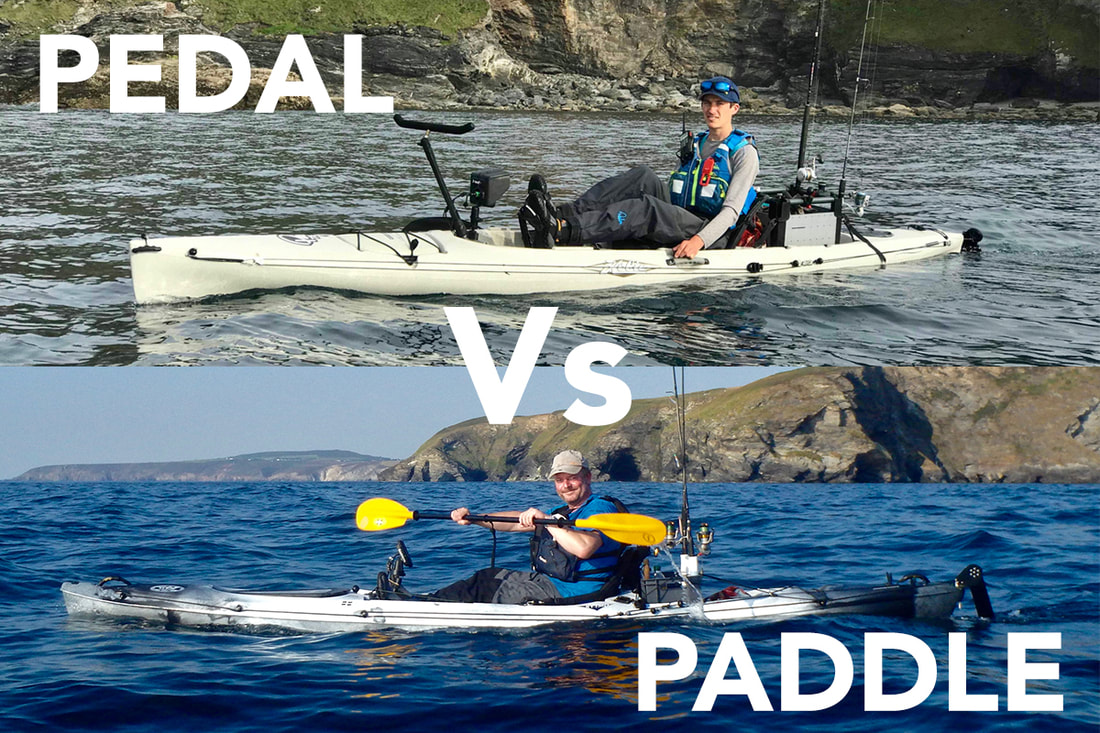
Credit: www.kayakfishing.blog
Common Beginner Mistakes
Many new kayakers make the same errors when picking a kayak. Watch out for these:
- Choosing by price alone: Cheaper models might lack key features.
- Ignoring kayak weight: Heavy kayaks can be a hassle off the water.
- Not trying before buying: Test different kayaks if you can.
- Forgetting about resale: Specialty fishing kayaks may be harder to sell later.
- Not considering long-term use: Your needs might change as you get more experienced.
A non-obvious point: Some regular kayaks can be modified for fishing. But these “hybrids” rarely match the comfort and features of a true fishing kayak. If you’re serious about fishing, don’t expect a regular kayak to do the job with simple add-ons.
Safety Considerations
Safety should always come first. Fishing kayaks, with their stability, are less likely to flip, especially when you’re moving around. Regular kayaks can tip if you reach too far or lose balance.
Wear a life jacket at all times. Bring a whistle, a light, and know the weather before you go. Fishing kayaks often sit higher, making you more visible to boats, but also more exposed to wind.
If you fish in cold water, choose a sit-on-top kayak for self-rescue. Sit-in kayaks can fill with water and are harder to re-enter if you fall out.
Who Should Buy A Fishing Kayak?
You should choose a fishing kayak if:
- You plan to fish regularly (once a month or more)
- You need to carry multiple rods, tackle, and gear
- You want to fish in small or shallow waters
- You want comfort and stability for long periods
- You like to customize your setup
A fishing kayak is an investment in your hobby. You’ll enjoy fishing more, spend less time fighting with gear, and feel safer on the water.
Who Should Buy A Regular Kayak?
A regular kayak is better if:
- You want to paddle for exercise, fun, or touring
- You don’t need to bring much gear
- You travel often and need a light, portable kayak
- You want to save money
- You’re new to kayaking and want to try it before buying lots of gear
Regular kayaks are simple, easy to use, and great for learning the basics. If you decide you love kayaking and want to fish more, you can always upgrade later.

Credit: www.youtube.com
Real-world Examples
Imagine two friends: Lisa and John.
Lisa loves exploring rivers and getting a workout. She wants a kayak she can lift by herself and take on short trips. A regular kayak suits her perfectly.
John is a passionate angler. He likes to spend all day on the water, brings four rods, a cooler, and a fish finder. He needs stability and lots of gear space. A fishing kayak is the right choice for him.
Many people try to save money by buying a regular kayak for fishing. They quickly realize it’s hard to balance, there’s nowhere for rods, and the seat gets uncomfortable. They end up wishing they’d bought a fishing kayak from the start.
Environmental Impact
One often-missed point: Fishing kayaks are heavier and larger, which means they use more plastic and resources to build. If you’re concerned about your footprint, look for kayaks made from recycled materials. Some brands now offer eco-friendly options.
Both types of kayaks have a small impact compared to powerboats, but regular kayaks are lighter and often last longer with less maintenance.
Making Your Final Choice
If you’re still unsure, try renting both types. Many kayak shops offer test paddles or day rentals. Spend a few hours on the water with each. Notice how stable you feel, how easy it is to carry, and if you miss any features.
Think about your long-term plans. If you dream of fishing at sunrise every weekend, a fishing kayak is worth the extra cost and weight. If you want to paddle with friends, explore, or get fit, a regular kayak is a smart, flexible choice.
Remember, the best kayak is the one you’ll use the most. Features and price matter, but comfort and fun are what keep you coming back to the water.
For more details on kayak types and their features, you can check the official Wikipedia page on kayaks.
Frequently Asked Questions
What Is The Main Difference Between A Fishing Kayak And A Regular Kayak?
The main difference is stability and features. Fishing kayaks are wider and more stable, with special storage, rod holders, and comfort for anglers. Regular kayaks are lighter, faster, and designed for general paddling.
Can I Use A Regular Kayak For Fishing?
Yes, you can, but it’s less comfortable and harder to manage gear. You may not have enough space or stability. If you fish often, a fishing kayak is much safer and more practical.
Are Fishing Kayaks Harder To Paddle?
Most fishing kayaks are slower and heavier due to their wide shape and extra features. Some have pedal drives or motors to help, but you’ll use more energy paddling a fishing kayak over long distances.
How Much Should I Spend On My First Kayak?
For beginners, $500–$1,000 is a good range. This gives you quality and safety without spending too much. Remember to budget for paddles, life jackets, and accessories.
Can I Stand In A Regular Kayak?
Standing in a regular kayak is not safe for most people. They are too narrow and unstable. Fishing kayaks are designed for safe standing with flat, wide hulls and anti-slip decks.
Kayaking is a rewarding sport, whether you fish or paddle for fun. By understanding the differences between fishing kayaks and regular kayaks, you can make a choice that fits your style and keeps you happy on the water.
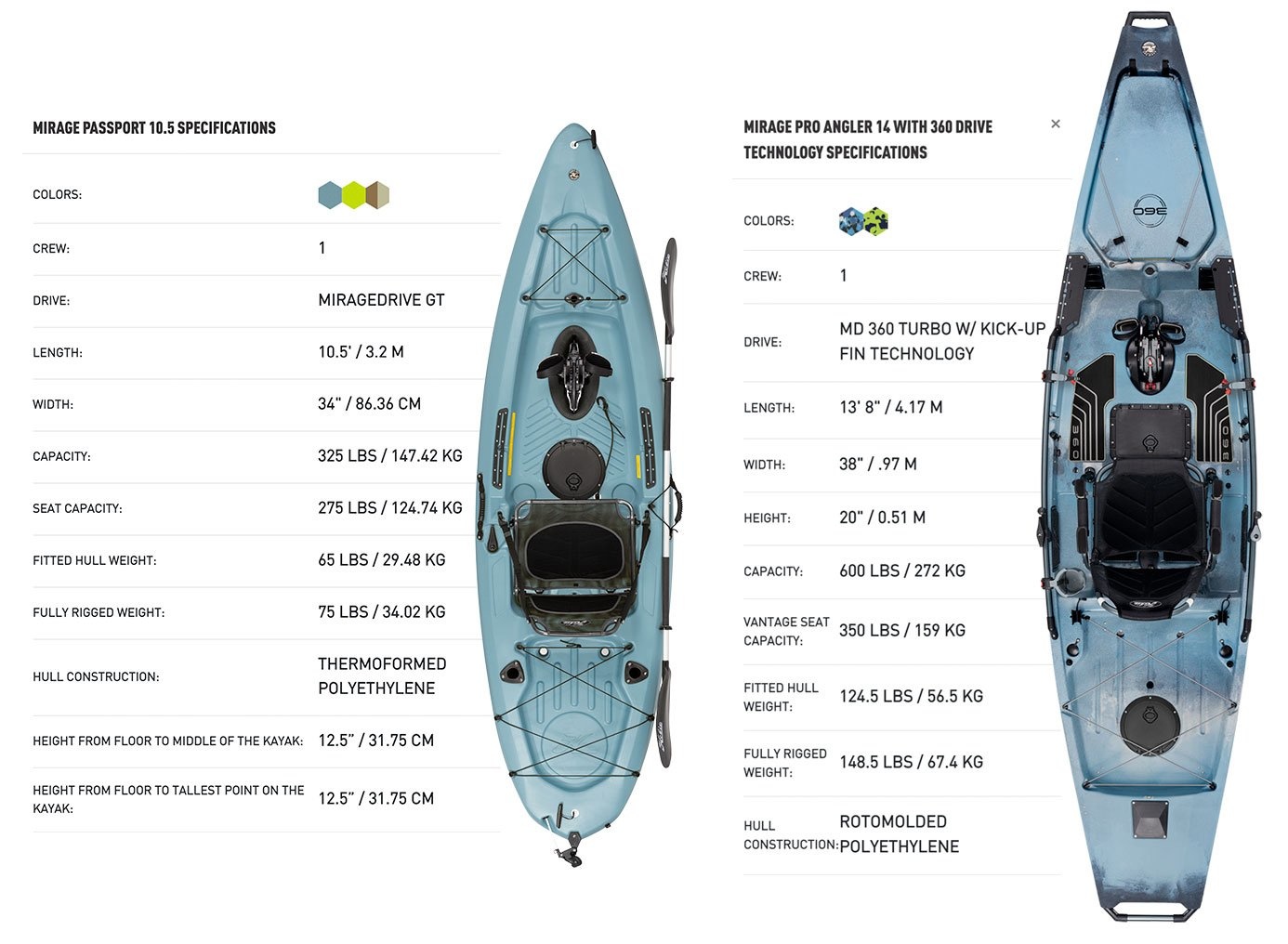
Credit: www.hitempo.com