
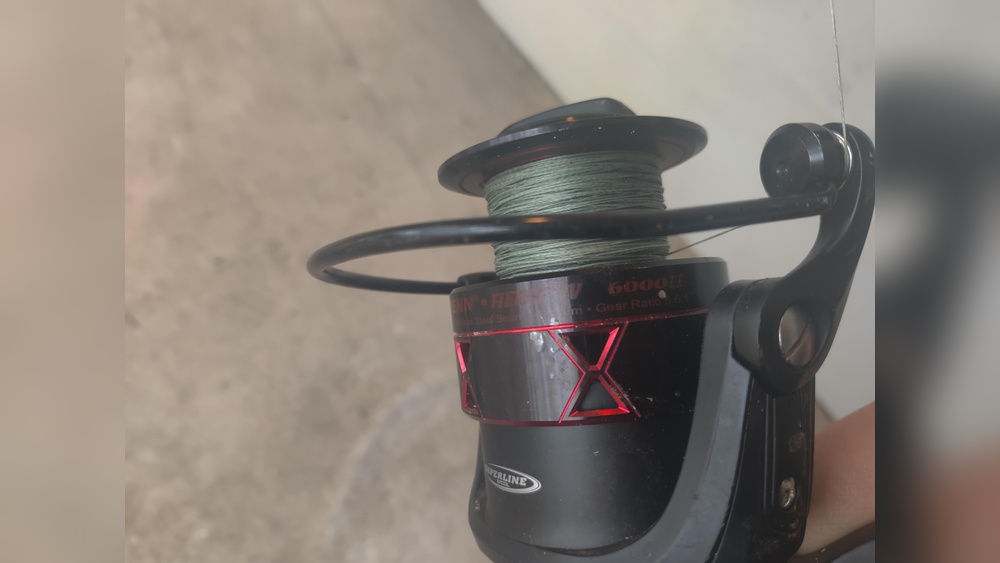
What Is A 6000 Size Reel Good For
Choosing the right fishing reel can feel confusing, especially with so many options on the market. Among them, the 6000 size reel stands out for its versatility and strength. If you are new to fishing, or even if you have some experience, you might wonder what exactly a 6000 size reel is used for, and whether it suits your fishing needs. This article will break down the main uses, benefits, and key considerations for a 6000 size reel. You will also find real-world examples, helpful comparisons, and practical advice, so you can make a confident choice the next time you shop for fishing gear.
Understanding Reel Sizes: Where 6000 Fits In
Fishing reels come in different sizes, usually marked in numbers like 1000, 2500, 4000, and so on. The size number gives you a general idea of the reel’s capacity, power, and suitable fishing style.
A 6000 size reel is considered medium-large. It is bigger than light reels (1000–4000), but smaller than heavy-duty surf reels (8000 and up). This makes it a popular choice for people who want a balance between power and manageability.
Key Specifications Of A 6000 Size Reel
- Line Capacity: Usually holds 200–300 yards of 15–20 lb monofilament line or 30–40 lb braided line.
- Gear Ratio: Commonly 4.7:1 to 5.7:1, offering a balance between speed and torque.
- Weight: Typically 15–24 ounces (425–680 grams).
- Drag Power: Often 20–30 lbs maximum drag.
These numbers can change depending on the brand and model, but they provide a good starting point.
Common Uses For A 6000 Size Reel
The 6000 size reel is known for its versatility. Here are the main fishing situations where it excels:
1. Inshore Saltwater Fishing
A 6000 size reel is ideal for inshore saltwater fishing. It has the strength to handle tough saltwater species, yet is not too heavy for casting all day.
- Target species: Redfish, snook, sea trout, striped bass, and small tarpon
- Fishing techniques: Casting lures, live bait, jigging
- Advantages: Enough line capacity for long runs, strong drag for hard-fighting fish
Many anglers choose a 6000 reel for pier, jetty, and surf fishing along the coast.
2. Light Offshore Fishing
Offshore fishing usually needs heavy gear, but a 6000 reel can handle many light offshore situations.
- Target species: School-sized tuna, mahi-mahi, kingfish, snapper
- Advantages: Big enough for offshore, but still comfortable for long fights
- Line options: Braided line is often used for more capacity and strength
This reel size is especially good for beginners who want to try offshore fishing without investing in the largest, most expensive gear.
3. Heavy Freshwater Fishing
For big freshwater species, the 6000 size reel is a top choice.
- Target species: Catfish, pike, muskie, carp, sturgeon
- Fishing locations: Large rivers, lakes, reservoirs
- Benefits: Holds enough heavy line for trophy fish, strong drag to control powerful runs
If you are targeting fish that can grow over 20 pounds in freshwater, this size is a smart pick.
4. Surf Fishing
Surf fishing means casting from the shore into the ocean. The 6000 size reel is often recommended for this because of its line capacity and ability to handle rough conditions.
- Casting distance: Large spool allows for longer casts
- Weather resistance: Many 6000 size reels have corrosion-resistant parts for saltwater
- Line strength: Can use both mono and braid, depending on target fish
This size is a favorite among surf anglers who need both distance and strength.
5. Heavy Bottom Fishing
When you drop bait to the bottom in deep water, you want a reel that can handle weight and strong fish.
- Applications: Wreck fishing, reef fishing, heavy sinkers
- Target species: Grouper, snapper, drum
- Why 6000 works: Holds plenty of heavy line, strong enough for vertical battles
6. Casting Large Lures Or Baits
If you enjoy casting big lures or live baits for predator fish, a 6000 size reel gives you the power and line capacity you need.
- Popular lures: Large swimbaits, big spoons, heavy jigs
- Benefit: Handles the weight and strain of repeated casting
Anglers who want to fish with larger offerings often find the 6000 size reel just right.
6000 Size Reel: Main Features And Advantages
A 6000 size reel offers several advantages, making it a favorite among many anglers. Here’s what makes it stand out:
1. Balance Of Power And Portability
Smaller reels are lighter but may lack the strength for big fish. Larger reels are powerful but can be heavy and tiring to use. The 6000 size offers a sweet spot: enough power for big fish, but still portable enough for active fishing styles.
2. Versatility Across Environments
This reel can be used in both saltwater and freshwater, across many types of fishing. If you want a “do-it-all” reel, a 6000 is a safe bet.
3. Good Line Capacity
A larger spool means you can use thicker line or load more line. This is important for:
- Long casting
- Deep water fishing
- Handling fish that run far
4. Strong Drag System
Drag is what lets you control a running fish. A 6000 reel often has a drag system strong enough for most medium-large fish, giving you more confidence during long battles.
5. Durability
Most 6000 size reels are built to handle tough use. Many have features like:
- Sealed bearings for saltwater protection
- Sturdy frames (aluminum or carbon)
- Corrosion-resistant finishes
6. Suitable For Heavy Tackle
If you want to use heavy line, big hooks, or large sinkers, this reel can handle it without problems.
Comparing Reel Sizes: 6000 Vs. Other Common Sizes
To help you understand where the 6000 size reel fits, look at this simple comparison:
| Reel Size | Line Capacity (Mono) | Target Fish Size | Main Uses |
|---|---|---|---|
| 2500 | 100 yds / 8 lb | 1–8 lbs | Light freshwater |
| 4000 | 150 yds / 12 lb | 5–15 lbs | Medium freshwater, light inshore |
| 6000 | 200–300 yds / 15–20 lb | 10–40 lbs | Inshore, surf, heavy freshwater, light offshore |
| 8000 | 350 yds / 20–25 lb | 20–70 lbs | Heavy surf, offshore, sharks |
As you can see, the 6000 size sits in the middle, covering a wide range of fishing needs.
Practical Examples: When To Choose A 6000 Size Reel
Selecting the right reel depends on where and how you fish. Here are some real-world situations where a 6000 size reel is the best choice:
Example 1: Pier Fishing For Redfish
You’re fishing from a pier along the Gulf Coast, targeting redfish and sea trout. The fish can weigh 8–25 lbs, and you need to cast far from the pier. With a 6000 reel, you can spool 250 yards of 20 lb line, giving you both distance and power to fight big fish around structure.
Example 2: Surf Fishing For Striped Bass
Along the Atlantic coast, you want to catch striped bass from the surf. The fish may run far, and waves are strong. A 6000 size reel matches well with a 10-12 foot surf rod, giving you the casting distance and line strength needed for these powerful fish.
Example 3: Big Catfish In The River
Targeting trophy catfish in a large river means using heavy bait and strong line. A 6000 reel holds enough 30 lb braided line to handle deep water and strong current, plus the drag system is strong enough to control a 40-pound catfish.
Example 4: Offshore School Tuna
If you’re on a small boat chasing school tuna (15–30 lbs), a 6000 size reel is enough for the job. It’s not too big to handle, but still has the power and capacity for these fast, hard-fighting fish.
What Rod Matches Best With A 6000 Size Reel?
Pairing your reel with the right rod is important. For a 6000 size reel, the best rod choices are:
- Length: 8 to 12 feet (for surf/pier), 7 to 8 feet (for boats or heavy freshwater)
- Action: Medium-heavy to heavy
- Power: Enough to cast heavy lures and control big fish
A longer rod gives more casting distance, while a shorter, heavier rod offers more control and lifting power.

Credit: www.reddit.com
Best Line Types For A 6000 Size Reel
Choosing the correct line helps get the most from your reel:
- Monofilament: Good for general use, affordable, and easy to handle. Load 15–20 lb test for most uses.
- Braided Line: Thinner and stronger. Fits more line on the spool (e.g., 30–40 lb braid). Great for casting distance and big fish.
- Fluorocarbon Leader: Often added for better abrasion resistance and low visibility.
Remember, the line you use should match your target fish and local conditions.
Not-so-obvious Insights About 6000 Size Reels
Many beginners miss these important points when choosing a 6000 size reel:
1. Not All 6000 Reels Are The Same
Different brands and models can have big differences, even if the number says “6000.” For example, a 6000 reel from one brand might be lighter and hold less line than another. Always check the actual line capacity, weight, and drag before buying.
2. Overkill For Small Fish
Using a 6000 reel for small panfish or trout is unnecessary and may ruin your fishing experience. The reel will feel heavy, and you lose the fun of fighting smaller fish. Always match your gear to your target species.
3. Maintenance Matters
A 6000 size reel will last longer if you rinse it after every use, especially after saltwater fishing. Salt and sand can damage bearings and gears quickly. Regular cleaning and oiling can add years to your reel’s life.
4. Pay Attention To Balance
Your rod and reel should balance well in your hand. If your setup feels tip-heavy or awkward, fishing will be less comfortable. Try holding your rod and reel together before you buy.
5. Don’t Forget About Handle And Spool Design
Some reels have oversized handles or special spool lips for better grip and longer casting. These small features can make a big difference in comfort and performance.
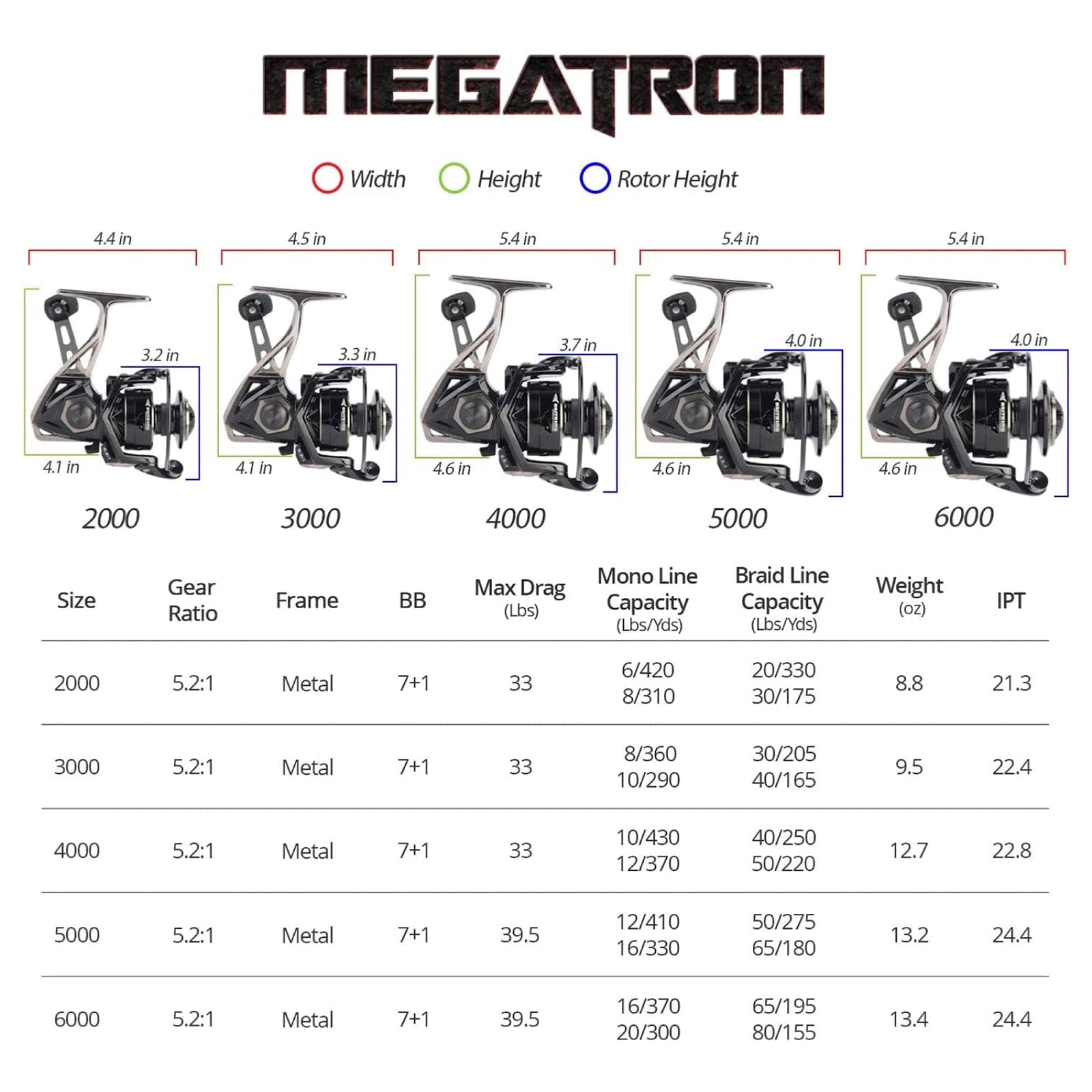
Credit: kastking.com
How To Choose The Right 6000 Size Reel
If you’ve decided a 6000 size reel is right for you, here’s what to look for:
1. Build Quality
- Frame material: Aluminum is strong and corrosion-resistant. Graphite is lighter but less tough.
- Sealed drag and bearings: Important for saltwater use.
- Brand reputation: Choose trusted brands with good reviews.
2. Weight
The reel should not feel too heavy for your fishing style. Check the weight and compare to your rod.
3. Drag Strength
Look for a drag system with at least 20 lbs of smooth, reliable power. Test the drag before you buy if possible.
4. Spool And Line Capacity
Make sure the spool holds enough line for your target fish and fishing location. Braided line can increase capacity.
5. Gear Ratio
A higher gear ratio (5.0:1 and up) retrieves line faster, which is useful for fast-moving fish. Lower ratios (4.7:1) give more torque for big, stubborn fish.
6. Price
6000 size reels are available from $60 to $350+, depending on brand and features. Don’t just buy the cheapest—invest in quality for better performance and longer life.
Popular 6000 Size Reel Models
Here are some well-known options in the 6000 size range:
- Shimano Stradic FL 6000
- Penn Spinfisher VI 6500 (note: Some brands use 6500 instead of 6000)
- Daiwa BG 6000
- Okuma Azores 6000
- Abu Garcia Revo 60
Each model has its own strengths, so read reviews and check specs before making your decision. For more details on fishing reel sizing and usage, see Wikipedia.
6000 Size Reel Comparison Table
To help you compare, here’s a quick look at some popular 6000-size reels:
| Model | Weight (oz) | Max Drag (lbs) | Line Capacity (Mono) |
|---|---|---|---|
| Shimano Stradic FL 6000 | 20.6 | 24 | 195 yds / 20 lb |
| Penn Spinfisher VI 6500 | 22.3 | 30 | 300 yds / 15 lb |
| Daiwa BG 6000 | 22.6 | 33 | 210 yds / 20 lb |
| Okuma Azores 6000 | 20.1 | 44 | 260 yds / 16 lb |
As you see, specs can vary, so always check before you buy.
When Not To Use A 6000 Size Reel
While a 6000 size reel is versatile, it’s not always the best choice:
- Ultra-light fishing: Too heavy for small fish or finesse techniques.
- Extreme surf or big game: May not have enough line or drag for sharks or giant tuna.
- Backcountry hiking: The weight can be tiring for long walks.
Choose the right tool for your needs.
Maintenance Tips For 6000 Size Reels
To keep your reel working smoothly:
- Rinse with fresh water after each use, especially after saltwater trips.
- Dry thoroughly to prevent rust.
- Lubricate moving parts with reel oil.
- Store in a dry, cool place.
- Check line for damage and replace as needed.
A little care goes a long way and saves money in the long run.
Frequently Asked Questions
What Fish Can I Catch With A 6000 Size Reel?
A 6000 size reel can handle fish from 10 to 40 pounds, such as redfish, striped bass, catfish, small tuna, and snapper. It’s perfect for inshore saltwater and heavy freshwater fishing.
Is A 6000 Reel Good For Surf Fishing?
Yes, a 6000 size reel is one of the most popular choices for surf fishing. It offers enough line capacity and drag strength for long casts and fighting strong fish in the surf.
Can I Use A 6000 Reel For Freshwater Fishing?
Absolutely. It’s excellent for big freshwater species like catfish, carp, muskie, and sturgeon. Just make sure your rod matches the reel’s size and power.
What Rod Should I Use With A 6000 Size Reel?
Pair it with a medium-heavy to heavy rod that is 7–12 feet long, depending on your fishing style (longer for surf, shorter for boat or river fishing).
How Much Line Fits On A 6000 Size Reel?
Most 6000 reels hold 200–300 yards of 15–20 lb monofilament, or 30–40 lb braided line. Always check the manufacturer’s specs for exact numbers.
A 6000 size reel is a great investment for anglers who want versatility, power, and reliable performance across many fishing situations. It’s the “goldilocks” size for many, not too big and not too small. With the right care and matching gear, it can be your go-to reel for years.
Whether you fish the surf, rivers, or go offshore, a 6000 size reel will help you land more and bigger fish—so you can focus on the joy of fishing, not worrying about your equipment.

Credit: www.reddit.com