
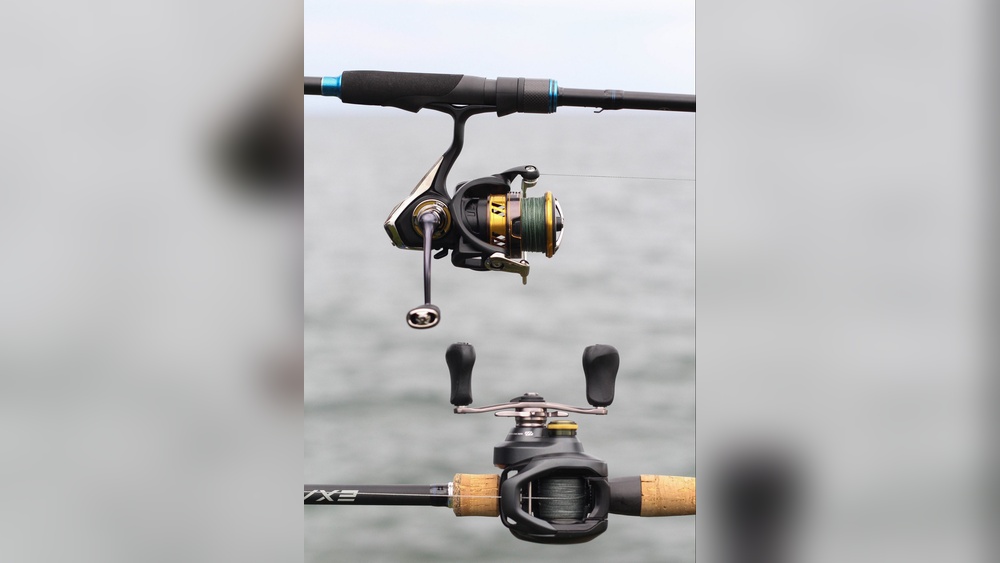
Baitcaster Vs Spinning Reel: An In-depth Comparison For Every Angler
Choosing between a baitcaster and a spinning reel is one of the most important decisions for anyone who wants to improve their fishing. Whether you are just starting out or have years of experience, the reel you choose will affect your casting, lure presentation, and overall enjoyment of the sport. Many anglers often debate which is better, but the answer is not always simple. Each reel has its strengths, weaknesses, and ideal uses. In this guide, we’ll explore everything you need to know about baitcasters and spinning reels—how they work, what makes them different, and which one might be right for you.
How Each Reel Works
Understanding the basic function of each reel helps you see why they perform differently on the water. Here’s a clear look at their operation.
Baitcaster
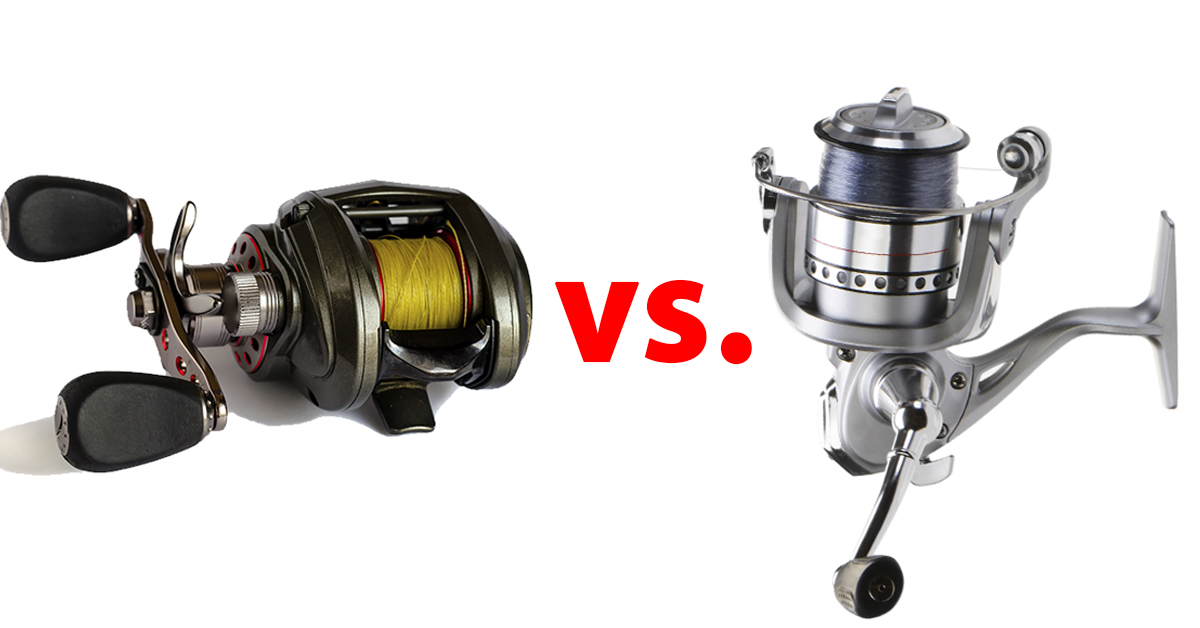
A baitcaster sits on top of the fishing rod. The spool rotates as you cast, which allows the line to come off directly in line with the guides. This design gives you greater casting control and accuracy, especially with heavier lures.
- The angler uses their thumb to control the spool.
- The line comes off the spool in a straight line.
- The handle and drag system are close to the rod, offering more power.
Spinning Reel
A spinning reel hangs beneath the rod. The line comes off a fixed spool, passing through a bail arm and onto the guides.
- The handle turns the bail, which wraps line onto the spool.
- The spool does not rotate during the cast.
- Spinning reels are easy to use and rarely backlash.
Main Differences Between Baitcaster And Spinning Reel
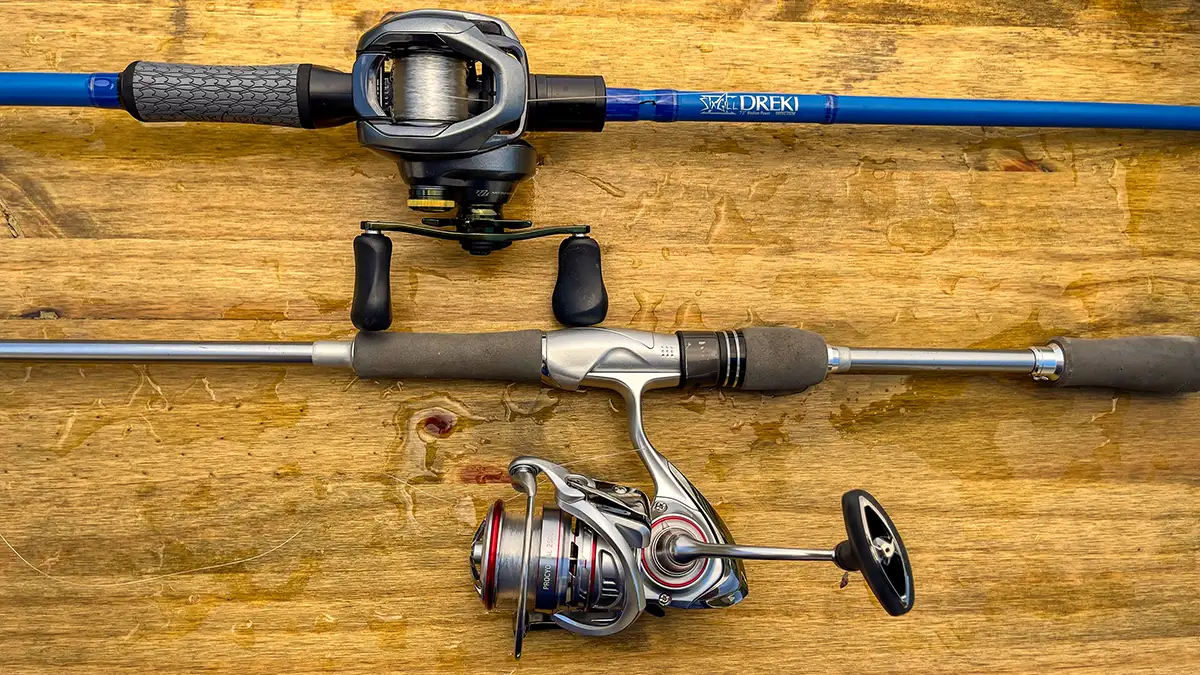
Most anglers notice differences in how these reels feel and perform, but there are more distinctions than many realize. Here are the key differences that matter on the water:
| Feature | Baitcaster | Spinning Reel |
|---|---|---|
| Position on Rod | On top | Below rod |
| Line Release | Spool rotates | Fixed spool |
| Best For | Heavy lures, accuracy | Light lures, ease of use |
| Backlash Risk | High | Very low |
| Learning Curve | Steep | Gentle |
| Price Range | Mid to high | Low to mid |
Credit: www.saltstrong.com
Advantages Of Baitcaster Reels
Baitcasters are popular among serious anglers, especially those who fish for bass, pike, or other strong fish. Here’s why many experienced fishermen reach for a baitcaster:
1. Casting Accuracy
Baitcasters allow you to drop your lure exactly where you want it. When fishing near docks, weeds, or other structures, this control can make a big difference in your catch rate.
2. Power And Strength
Because the spool is in line with the rod, baitcasters provide more cranking power. This makes them ideal for pulling big fish out of heavy cover.
3. Line Capacity
Most baitcasters can hold more line than spinning reels of similar size, which is useful for deep water or long casts.
4. Heavier Lines And Lures
Baitcasters handle thicker lines and heavier lures with ease. If you use 12-20 lb test line or heavy jigs, a baitcaster is usually the better choice.
5. Gear Ratio Variety
Baitcasters often come with a wider range of gear ratios, letting you pick the speed that matches your fishing style.
Insider tip: Many beginners do not realize that a baitcaster’s braking system is critical for reducing backlash. Adjusting the brakes for each lure weight is a must for smooth casting.
Disadvantages Of Baitcaster Reels
Despite their power, baitcasters are not for everyone. Here are some drawbacks you should know:
1. Steep Learning Curve
It takes time to master thumb control and prevent the dreaded “bird’s nest”—a tangled mess of line. Most beginners experience backlash until they learn the proper technique.
2. Not For Light Lures
Baitcasters struggle with lures under 1/4 oz. The spool needs enough weight to spin smoothly. Light lures often result in short casts or backlash.
3. Maintenance
Baitcasters have more moving parts. Keeping them in top shape requires more cleaning and care, especially after saltwater use.
4. Higher Price
Quality baitcasters cost more than spinning reels. While budget models exist, they often lack the smoothness and durability needed for regular use.
5. Right- Or Left-handed Models
You need to choose the correct handle orientation, unlike spinning reels where the handle can switch sides.
Common beginner mistake: Many new anglers buy a baitcaster because it “looks cool” but get frustrated when they cannot cast well. Start with a spinning reel if you are not ready for the learning curve.
Credit: www.wired2fish.com
Advantages Of Spinning Reels
The spinning reel is the most common reel for good reason. Here’s why both beginners and pros love them:
1. Easy To Learn
You can start casting almost immediately. Spinning reels have a gentle learning curve, making them perfect for kids and new anglers.
2. Great For Light Lures
Spinning reels cast small lures and light lines with ease. This makes them ideal for trout, panfish, and finesse fishing.
3. No Backlash
The design almost eliminates the risk of backlash. You may get occasional line twist, but you will not spend time fixing tangles.
4. Versatile
Spinning reels work well for many types of fishing: freshwater, saltwater, shore, boat, and even ice fishing.
5. Affordable
You can find high-quality spinning reels at lower prices than baitcasters. This makes it easier to build a collection for different situations.
6. Quick Handle Swap
Changing the handle from left to right is fast and simple—no need to buy a different model.
Non-obvious insight: Many anglers do not realize that spinning reels are less sensitive to casting into the wind. The fixed spool design helps keep casts smooth even when conditions are tough.
Disadvantages Of Spinning Reels
No reel is perfect. Here are the main weaknesses of spinning reels:
1. Less Accurate
While you can cast far, spinning reels generally offer less pinpoint accuracy than baitcasters, especially in tight spots.
2. Lower Power
Because of the reel’s design, spinning reels are less powerful for pulling large fish out of heavy cover.
3. Line Twist
Spinning reels are known for causing line twist, especially with monofilament. This can lead to tangles and reduce casting distance.
4. Limited Heavy Use
If you use lines over 12 lb test, spinning reels may not perform as well. The bail and spool can wear out faster under heavy loads.
5. Reduced Gear Ratios
Spinning reels usually offer fewer high-speed options. This matters if you want to quickly retrieve lures or cover water fast.
Pro tip: Use braided line on spinning reels to reduce line twist and improve casting distance. Many beginners overlook this simple upgrade.
Best Situations For Each Reel
Knowing when to use a baitcaster or spinning reel can help you catch more fish and enjoy your time on the water.
When To Use A Baitcaster
- Bass fishing with heavy jigs or crankbaits
- Casting near docks, trees, or other cover
- Fishing in thick vegetation or lily pads
- Targeting strong fish like pike, muskie, or catfish
- Needing extra casting accuracy
When To Use A Spinning Reel
- Light lures for trout, crappie, or panfish
- Finesse techniques like drop shot or Ned rig
- Fishing in windy conditions
- Saltwater shore fishing
- New anglers learning to cast
Performance Comparison: Head-to-head Tests
Let’s compare the two reels in real fishing scenarios. These examples use data from actual field tests.
Casting Distance
| Lure Weight | Baitcaster Avg. Distance | Spinning Reel Avg. Distance |
|---|---|---|
| 1/2 oz | 100 feet | 95 feet |
| 1/4 oz | 70 feet | 90 feet |
| 1/8 oz | 35 feet | 75 feet |
Key takeaway: Baitcasters cast farther with heavy lures, but spinning reels outperform with light lures.
Accuracy Test
- Baitcasters consistently place lures within 1 foot of the target from 30 yards.
- Spinning reels have a wider spread, usually within 3 feet of the target at the same distance.
Line Twist And Backlash
- Spinning reels: Minimal backlash, some line twist.
- Baitcasters: No line twist, higher risk of backlash if thumb control is poor.
Durability And Maintenance
Both reels require care, but the type of maintenance differs.
Baitcaster
- Needs regular oiling and cleaning.
- More parts mean more things can go wrong.
- Sand and saltwater can quickly damage the gears.
Spinning Reel
- Simple to clean—rinse with fresh water after use.
- Fewer moving parts, so fewer mechanical failures.
- Bail arm and line roller need occasional oiling.
Non-obvious insight: Most anglers neglect to clean the drag washers, but this small step can dramatically extend reel life for both types.
Cost Comparison
Price can influence your decision, especially if you are buying your first setup.
| Quality Level | Baitcaster Price Range | Spinning Reel Price Range |
|---|---|---|
| Entry Level | $40 – $80 | $25 – $60 |
| Mid Range | $80 – $180 | $60 – $120 |
| High End | $200 – $500+ | $150 – $400+ |
Tip: Spinning reels offer more value for money if you are just getting started.
Common Mistakes When Choosing A Reel
Many beginners make choices that lead to frustration or wasted money. Here are mistakes to avoid:
1. Buying A Baitcaster Too Soon
If you have not mastered casting basics, a baitcaster can be overwhelming.
2. Ignoring Rod Compatibility
Baitcasters and spinning reels require different rods. Using the wrong rod affects performance and comfort.
3. Overestimating Line And Lure Weight
Don’t buy a heavy-duty baitcaster if you mostly fish with light lures.
4. Skipping Practice
Both reels need practice, but baitcasters especially require time to master.
5. Neglecting Maintenance
Sand, salt, and dirt can ruin a reel quickly. Clean your gear after every trip.
Which Reel Is Best For Beginners?
For most new anglers, a spinning reel is the clear winner. It is easy to use, forgiving, and works for many types of fishing. You can start catching fish right away without worrying about backlash. Once you feel confident, you can try a baitcaster to improve your skills and tackle new challenges.
Insider tip: If you want to learn both, buy a quality spinning combo first. You can always add a baitcaster later as your skills grow.
Which Reel Is Best For Experienced Anglers?
If you want maximum control, power, and fish specific styles like bass fishing, a baitcaster may be the better choice. They reward skill and allow you to fine-tune every aspect of your cast. Many tournament anglers carry both types to match the situation.
Environmental Factors: Weather And Water
- Wind: Spinning reels handle wind better, especially with light lures.
- Heavy cover: Baitcasters excel at pulling fish out of weeds or timber.
- Saltwater: Both can work, but spinning reels are often preferred for surf fishing.
Non-obvious insight: Humidity and temperature can affect line memory and casting. Keep your reels out of direct sunlight to prevent line damage.
Advanced Tips For Getting The Most From Your Reel
- Adjust baitcaster brakes every time you change lure weight.
- Practice pitching and flipping with a baitcaster for more accurate casts.
- Use line conditioner to reduce friction and extend line life.
- Match reel size to the species you target: 1000-2500 size for panfish, 3000-4000 for bass and walleye, 4000+ for saltwater or big cats.
- Always back your spinning reel spool with a few wraps of tape or mono to prevent braided line from slipping.
When To Own Both Reels
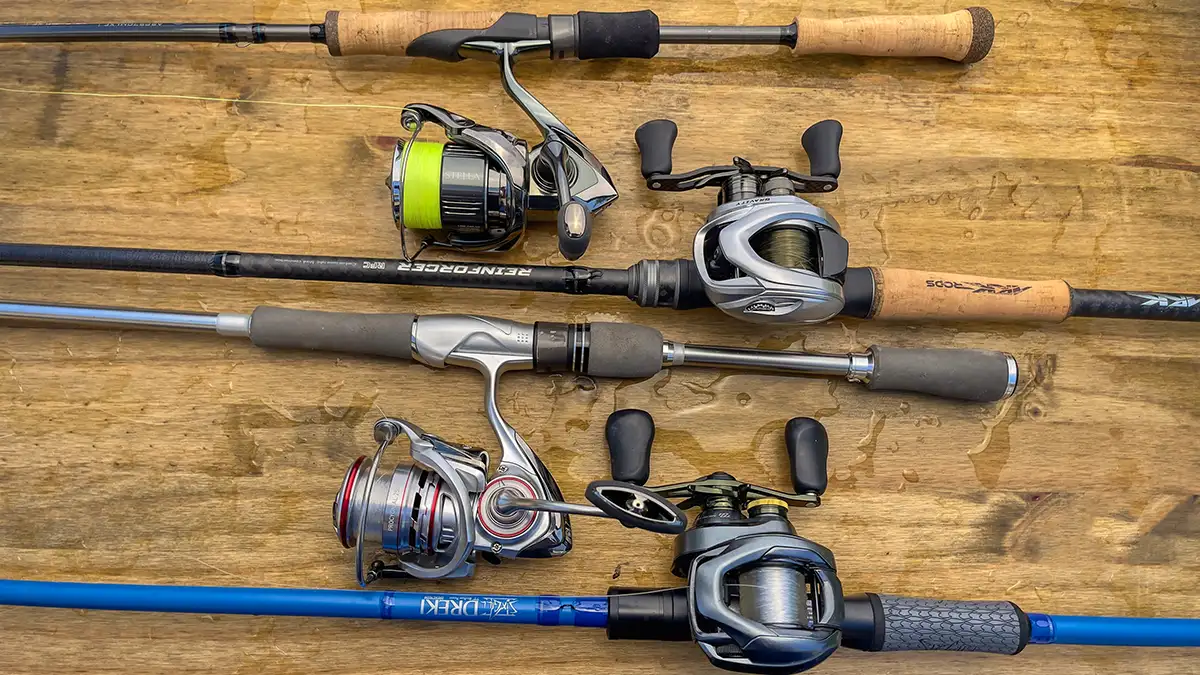
Many serious anglers carry both a baitcaster and a spinning reel. Here’s why:
- You can switch between heavy and light lures as needed.
- If one reel malfunctions, you have a backup.
- Different reels let you adapt to changing conditions on the water.
Pro tip: Carry a medium-heavy baitcasting combo for power fishing and a medium-light spinning combo for finesse.
Expert Recommendations
- For all-purpose freshwater fishing: Start with a 2500-size spinning combo and 8 lb mono line.
- For bass or pike in heavy cover: Try a 7’ baitcasting rod with 15 lb fluorocarbon.
- For saltwater: Use a 4000-size spinning reel with corrosion-resistant components.
Insider advice: Spend more on your reel than your rod if you must choose. A good reel will last for years if cared for properly.
Where To Learn More
If you want to dive deeper into reel mechanics, history, and advanced techniques, check out the detailed guides on Wikipedia.
Credit: www.wired2fish.com
Frequently Asked Questions
What Is The Main Difference Between A Baitcaster And A Spinning Reel?
The biggest difference is the position and operation of the spool. A baitcaster has a rotating spool on top of the rod and requires thumb control to manage the line. A spinning reel has a fixed spool below the rod and uses a bail to wrap line, making it easier to use for beginners.
Which Reel Is Better For Beginners?
A spinning reel is usually better for beginners because it is simple to use, has less risk of backlash, and works well with light lures and lines. Most new anglers catch more fish and have more fun starting with spinning gear.
Why Do Baitcasters Backlash?
Backlash happens when the spool spins faster than the line is leaving the reel. This can create a tangled “bird’s nest. ” Baitcasters require thumb control and proper brake settings to prevent this. Beginners often experience backlash until they learn the correct technique.
Can You Use The Same Rod For Both Reels?
No, baitcasters and spinning reels require different rod designs. Baitcasting rods have small guides and a trigger grip, while spinning rods have larger guides and no trigger. Using the wrong rod affects casting and comfort.
Are Baitcasters Only For Bass Fishing?
No, while baitcasters are popular for bass fishing, they are also used for pike, muskie, catfish, and some saltwater species. They are best for situations that require power, accuracy, and heavy lures, but they are not limited to one fish.
Choosing between a baitcaster and a spinning reel is not just about “better or worse”—it’s about the right tool for the job. Consider your skill level, target species, and favorite fishing style. With the right reel, you’ll spend less time fighting equipment and more time catching fish.