
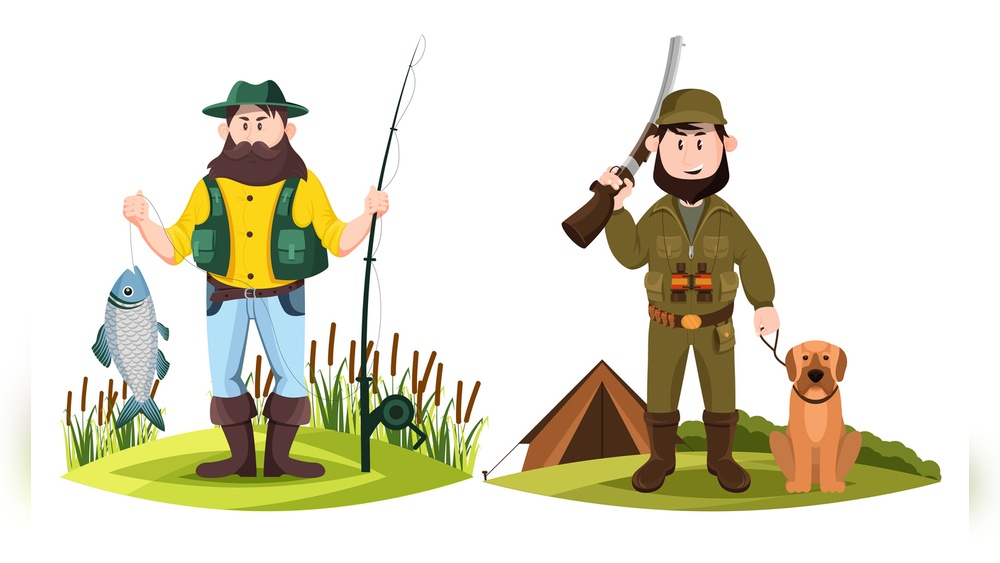
Fishing and hunting are two of the oldest human activities. Both have shaped the way people live, eat, and connect with nature. While some see them as pure sport, others depend on them for food or tradition. If you are curious about how these two outdoor pursuits compare, you’re not alone. Many people want to know which is more challenging, which is safer, or which fits their lifestyle better. This article will explore fishing vs hunting from every angle. Whether you are new to outdoor activities or looking to deepen your understanding, you’ll find clear answers and practical insights here.
What Is Fishing?
Fishing means catching fish or other aquatic animals, usually from rivers, lakes, or oceans. It can be done with simple tools like a rod and line or with nets and traps. Some people fish for food, while others do it for sport or relaxation. Fishing is often seen as a peaceful activity, but it can also be competitive.
Types of fishing include:
- Freshwater fishing – done in lakes, rivers, or ponds.
- Saltwater fishing – takes place in the ocean or sea.
- Fly fishing – uses a special lightweight lure called a fly.
- Ice fishing – involves fishing through holes in ice-covered water.
- Deep-sea fishing – targets large fish in deep ocean waters.
Fishing is not only about catching fish. It teaches patience, observation, and respect for nature.
What Is Hunting?
Hunting involves tracking and killing wild animals, usually mammals or birds, for food, sport, or population control. It is a skill that dates back to early humans. Today, hunting is regulated by laws and requires permits in most places.
Popular forms of hunting:
- Big game hunting – targets large animals like deer, elk, or bears.
- Small game hunting – focuses on rabbits, squirrels, and similar animals.
- Bird hunting – includes ducks, pheasants, and other fowl.
- Bow hunting – uses a bow and arrow instead of a gun.
- Upland hunting – involves walking fields to flush out game birds.
Hunting tests physical strength, patience, and knowledge of animals. For many, it is about tradition and the challenge of matching wits with wild animals.
Key Differences Between Fishing And Hunting
On the surface, both activities involve seeking out and capturing wild animals. However, there are important differences in how they are practiced, what skills they require, and the experiences they offer.
| Aspect | Fishing | Hunting |
|---|---|---|
| Main Target | Fish and aquatic life | Mammals, birds, sometimes reptiles |
| Tools Used | Rods, reels, bait, nets | Guns, bows, traps |
| Legal Requirements | License, sometimes catch limits | License, tags, strict seasons |
| Physical Effort | Usually less physical | Often requires more walking, stamina |
| Noise Level | Quiet, talking possible | Must stay silent, avoid scaring prey |
| Food Yield | Often smaller meals | Can provide large amounts of meat |
One non-obvious difference: fishing can be done alone or with a group without disturbing the activity much, while hunting often requires careful coordination to avoid accidents.
The Skills Involved
Each activity needs its own set of skills. While both demand patience, the details are quite different.
Fishing Skills
- Casting technique – Knowing how to place bait in the right spot.
- Reading water – Understanding where fish hide or feed.
- Knot tying – Keeping hooks and lines secure.
- Fish handling – Removing hooks safely and releasing fish if needed.
- Knowledge of fish species – Knowing what fish eat and when they are active.
Hunting Skills
- Tracking – Reading signs like footprints or broken twigs.
- Stealth – Moving quietly and staying hidden.
- Marksmanship – Shooting accurately with a gun or bow.
- Game calling – Imitating animal sounds to attract them.
- Field dressing – Cleaning and preparing animals in the field.
A common beginner mistake is underestimating the importance of local knowledge. In both fishing and hunting, knowing your area’s rules, animal habits, and weather patterns can be more important than gear.

Credit: www.americanhunter.org
Equipment: What Do You Need?
The tools you need depend on your goals and style. Fishing equipment is usually simpler, but hunting gear can be more complex and expensive.
Typical Fishing Gear
- Fishing rod and reel – The basic tool for most anglers.
- Hooks and lines – Chosen based on fish size.
- Bait or lures – Live worms, artificial flies, or spinners.
- Tackle box – For organizing gear.
- Net – Helps land fish without hurting them.
- Fishing license – Required in most places.
- Cooler – For storing your catch.
- Safety gear – Life jacket if fishing from a boat.
Typical Hunting Gear
- Firearm or bow – Chosen for the type of game.
- Ammunition or arrows – Matched to your weapon.
- Hunting clothing – Camouflage, scent blockers, or blaze orange for safety.
- Backpack – Carries supplies and harvested game.
- Knife – For field dressing.
- Binoculars – For spotting animals.
- Game calls – Attract animals by mimicking their sounds.
- Hunting license and tags – Always required.
One insight many overlook: hunting often means hiking long distances with heavy gear, especially if you are successful. Beginners sometimes focus on the weapon and forget about boots, rain gear, or packs.
Safety Considerations
Both fishing and hunting have risks, but they are different in nature.
Fishing Safety
- Drowning – Always wear a life jacket in boats or around deep water.
- Hooks and lines – Be careful of sharp objects, especially around children.
- Sun exposure – Use sunscreen to avoid burns.
- Weather – Sudden storms can be dangerous on open water.
Hunting Safety
- Firearm safety – Always point the barrel in a safe direction and keep fingers off the trigger.
- Accidental shooting – Identify your target before firing.
- Animal encounters – Be aware of dangerous animals, especially in remote areas.
- Getting lost – Carry a map, compass, or GPS.
Hunting accidents are usually more serious than fishing ones. However, fishing can also be deadly if you ignore water safety.
Credit: www.grandviewoutdoors.com
Environmental Impact
Both activities can affect the environment, but in different ways. Responsible practices are essential for keeping nature healthy.
Fishing Impact
- Overfishing – Catching too many fish can harm populations.
- Bycatch – Unwanted species may be caught and injured.
- Litter – Lost lines and hooks can harm wildlife.
Hunting Impact
- Population control – Can help balance animal numbers and prevent overpopulation.
- Habitat disturbance – Walking through forests can disrupt wildlife.
- Lead poisoning – Lead bullets can harm scavengers if left in animal remains.
Both activities are regulated to reduce harm. Following local rules and practicing catch-and-release (fishing) or ethical shots (hunting) helps protect nature for everyone.
Laws And Regulations
The legal side is important. Both fishing and hunting are controlled by national and local governments. Breaking the rules can lead to fines or even jail.
Fishing Laws
- Licenses – Almost always required.
- Season limits – Some fish can only be caught at certain times.
- Size and bag limits – Only fish above a certain size or a set number can be kept.
- Protected species – Some fish must be released immediately.
Hunting Laws
- Licenses and tags – Required for every animal hunted.
- Season dates – Hunting outside these is illegal.
- Weapon restrictions – Some areas ban certain guns or bows.
- Protected species – Killing endangered animals is a crime.
One thing beginners often miss: hunting laws can change yearly, and what is legal in one state or country may not be in another. Always check the latest rules before heading out.
Popularity And Participation
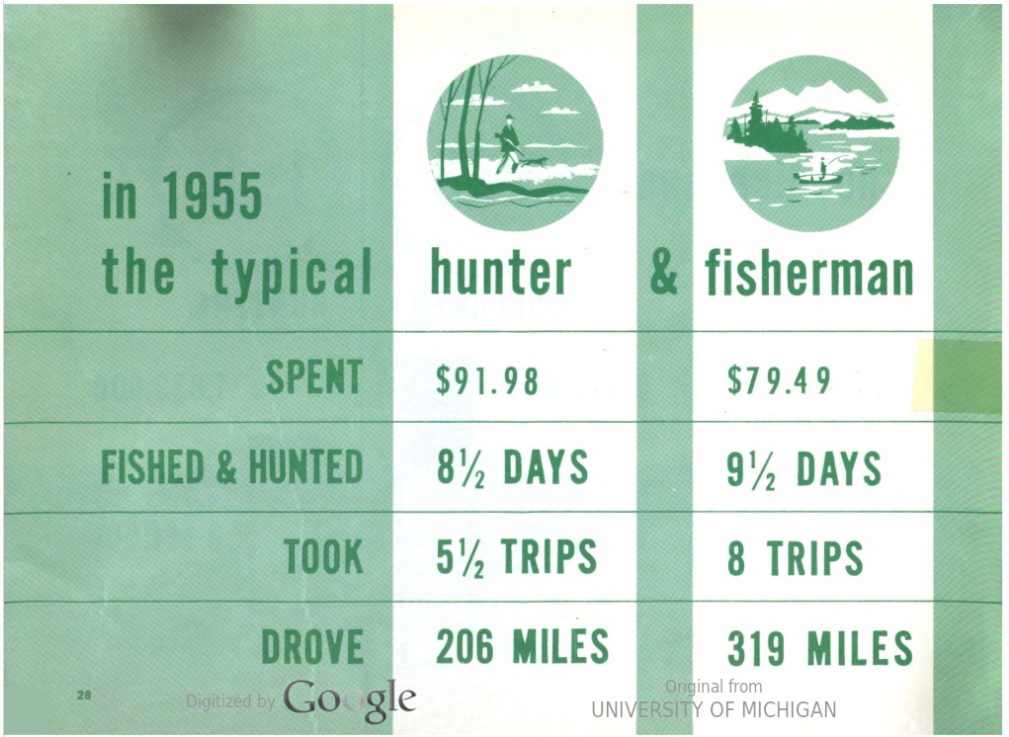
Fishing is often called the world’s most popular outdoor activity. According to the American Sportfishing Association, over 49 million Americans fish every year. Hunting is less common, with around 15 million licensed hunters in the U.S.
Why Is Fishing More Popular?
- Easier access – Lakes and rivers are everywhere.
- Lower cost – Basic fishing gear is cheaper than hunting equipment.
- Fewer barriers – People of all ages and abilities can fish.
Hunting, on the other hand, often needs more time, travel, and skill. It is also more controversial due to animal rights issues.
Which Is More Challenging?
This is a common debate with no simple answer. The challenge depends on your goals, experience, and the species you target.
- Fishing can be easy (catching small fish from a dock) or very hard (landing a trophy marlin).
- Hunting can range from a short rabbit hunt to tracking elk in the mountains for days.
One detail often missed: hunting usually has a lower success rate. For example, deer hunters in the U.S. succeed about 35% of the time, while most anglers catch at least one fish on a typical trip.
Cost Comparison
Both activities have “entry-level” and “advanced” price points. Here’s a simple breakdown:
| Expense | Fishing (USD) | Hunting (USD) |
|---|---|---|
| Basic license | 20-50/year | 20-60/year |
| Starter gear | 50-100 | 300-800 |
| Advanced gear | 200-1000+ | 1000-3000+ |
| Trip costs | Low (local) | High (travel, guides) |
A big surprise for many: processing game animals (butchering, freezing) can add big costs to hunting that people don’t expect. Fishing, on the other hand, usually has few extra fees.
Health Benefits
Both outdoor activities offer real health advantages.
Fishing Benefits
- Stress relief – Water and quiet help calm the mind.
- Physical activity – Walking, casting, or rowing a boat.
- Vitamin D – Sunlight exposure boosts mood.
Hunting Benefits
- Exercise – Hiking and carrying gear builds strength.
- Focus – Demands attention and sharp senses.
- Fresh food – Wild meat is lean and chemical-free.
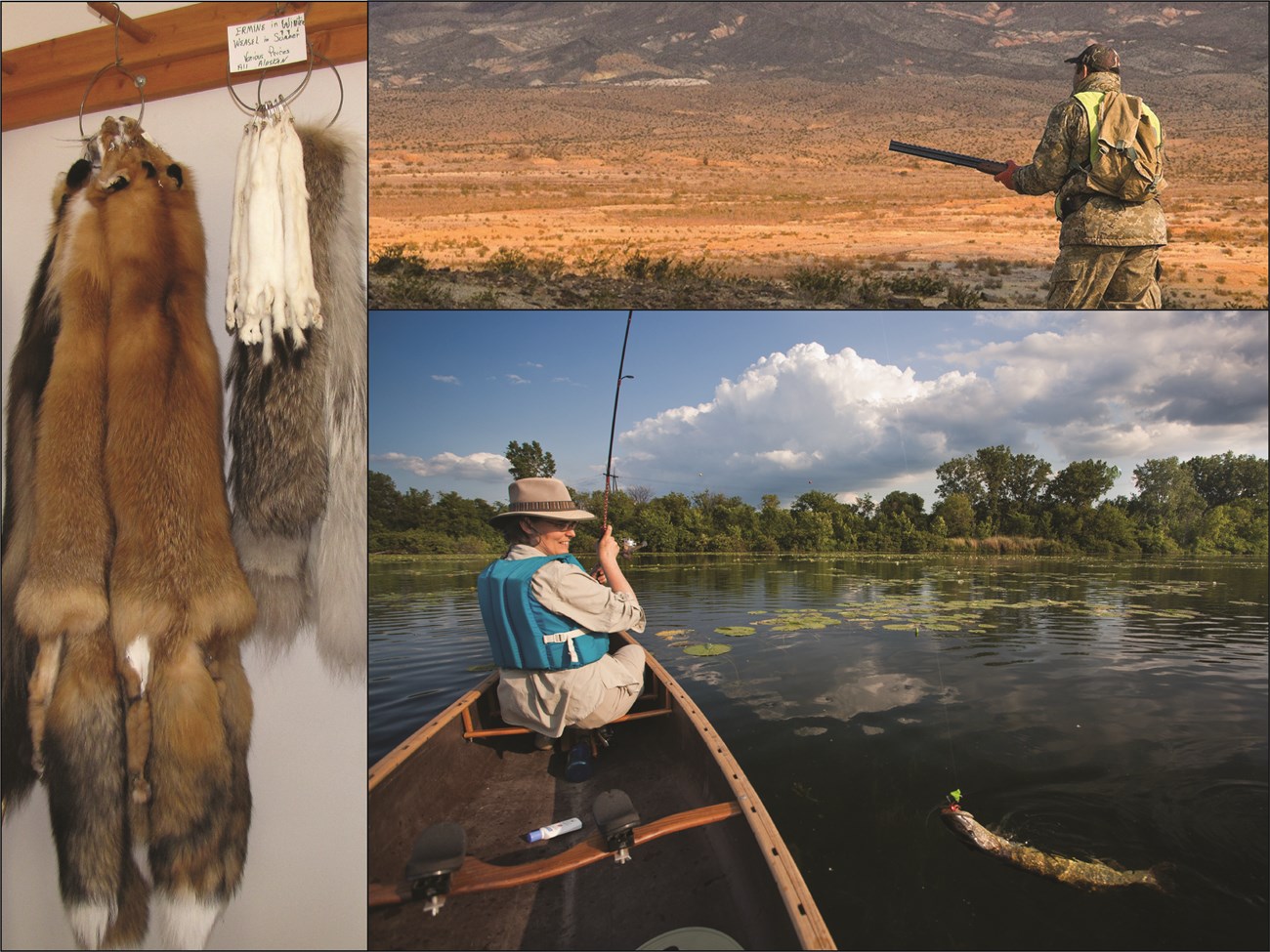
Studies show that people who spend time in nature, whether fishing or hunting, have lower stress and better sleep. However, hunting usually provides a more intense workout.
Credit: www.nps.gov
Social And Cultural Importance
Fishing and hunting are about more than just the catch or the kill. They are deeply woven into many cultures and families.
- Fishing is often a social event. Many people remember their first fish with a parent or grandparent. In some cultures, fishing is tied to survival and local economy.
- Hunting traditions are strong in rural areas. Passing down hunting skills is a way to bond and share values.
In some places, both are seen as rites of passage. They teach patience, respect, and the value of life.
Ethical Debates
Both activities face questions about animal welfare, conservation, and rights.
Common Fishing Concerns:
- Catch-and-release – Is it stressful for fish?
- Overfishing – Can sport fishing harm wild populations?
Common Hunting Concerns:
- Fair chase – Does hunting give animals a “sporting chance”?
- Trophy hunting – Is it ethical to hunt only for antlers or horns?
Responsible anglers and hunters support conservation, follow laws, and respect animals. Many groups fund wildlife protection through license fees and donations.
Which Is Better For Beginners?
If you are new to outdoor sports, fishing is usually the easier way to start. Here’s why:
- Lower cost – You can start with just a rod and bait.
- Easier locations – Try a local pond or river.
- Less physical skill – No shooting or tracking required.
- Fewer risks – Water safety is key, but no weapons are involved.
Hunting is rewarding but needs more preparation. You must learn about firearms, safety, and animal behavior. Most hunters start by joining experienced friends or taking a safety course.
The Experience: What To Expect
The actual experience of fishing and hunting can be very different.
A Day Fishing
- Early morning or late afternoon is best.
- Pack light: Rod, tackle, snacks, and water.
- Cast your line and wait. Relax, talk, or enjoy the view.
- You may catch nothing, or you may land a big one!
A Day Hunting
- Start before sunrise. Dress for the weather.
- Walk or sit for long periods. Stay silent.
- Scan for movement, tracks, or sounds.
- If successful, field dress the animal quickly.
Fishing is often more relaxing, while hunting is more intense and focused. Both can be deeply satisfying.
Environmental Stewardship
Modern anglers and hunters play a key role in conservation. Their fees support wildlife management and habitat protection. For example, the Pittman-Robertson Act in the U.S. uses hunting taxes to pay for conservation programs. Learn more about this important law at U.S. Fish & Wildlife Service.
Women And Youth In Fishing And Hunting
Traditionally, these activities were male-dominated, but that is changing fast.
- Women now make up over 35% of new anglers in the U.S.
- Youth hunting programs encourage safe and ethical hunting for kids.
Getting the next generation involved helps keep traditions alive and teaches responsibility.
Urban Vs Rural: Accessibility
Where you live matters. In cities, fishing is usually more accessible. Many towns have local ponds, rivers, or pay-to-fish lakes. Hunting often requires travel to rural areas, permission to access land, and more planning.
Some cities offer controlled hunts for deer or other animals, but these are rare. In contrast, urban fishing is growing worldwide, from New York’s Central Park to the canals of Amsterdam.
Weather And Seasonality
Seasons affect both activities.
- Fishing – Some fish bite best in spring or fall. Ice fishing is a winter sport.
- Hunting – Strict seasons for each animal. Weather can change plans quickly.
A useful tip: Plan for weather changes, especially if you are far from your car or shelter.
Modern Trends And Technology
Technology is changing both sports.
- Fishing – GPS fish finders, electric reels, and online maps make it easier to locate fish.
- Hunting – Trail cameras, digital rangefinders, and apps help track animals.
However, some purists prefer traditional methods, seeing them as more sporting and fair.
Summary Table: Fishing Vs Hunting At A Glance
For a quick overview, compare the main points side by side.
| Feature | Fishing | Hunting |
|---|---|---|
| Entry cost | Low to moderate | Moderate to high |
| Skill learning curve | Gentle | Steep |
| Physical demand | Low to moderate | Moderate to high |
| Social aspect | Group-friendly | Often solo or small group |
| Environmental impact | Low if catch limits followed | Managed for conservation |
| Success rate | Usually high | Usually low |
Final Thoughts
Fishing and hunting are both rich traditions with deep roots in human history. Each offers unique rewards and challenges. If you want a peaceful day outdoors, fishing may be your best choice. If you crave adventure and don’t mind a tough challenge, hunting could be more your style.
Many outdoor lovers enjoy both. The best way to decide is to try each, follow the rules, and respect nature. Whichever you choose, you’ll discover new skills, deep connections with the wild, and memories that last a lifetime.
Frequently Asked Questions
What Is Easier For Beginners, Fishing Or Hunting?
Fishing is generally easier for beginners. It requires less special equipment, has fewer safety risks, and is more accessible in most places. Beginners can start with basic gear and a local pond or river.
Is Fishing Or Hunting Better For Families?
Fishing is usually better for families, especially with young children. It is safe, social, and can be enjoyed at any age. Hunting can be family-friendly too, but needs more preparation and safety training.
Do You Need A License For Both Activities?
Yes, you need a license for both fishing and hunting in most countries. Hunting often requires additional tags for certain animals. Always check local laws before you start.
Which Activity Has A Bigger Impact On The Environment?
Both can impact the environment if not done responsibly. Overfishing and illegal hunting are harmful. However, legal fishing and hunting help fund conservation and wildlife management.
Can You Do Both Fishing And Hunting In The Same Area?
In some places, yes. Many public lands offer both activities, but you must follow the rules for each. Always confirm seasons, licenses, and safety guidelines before planning a trip.