
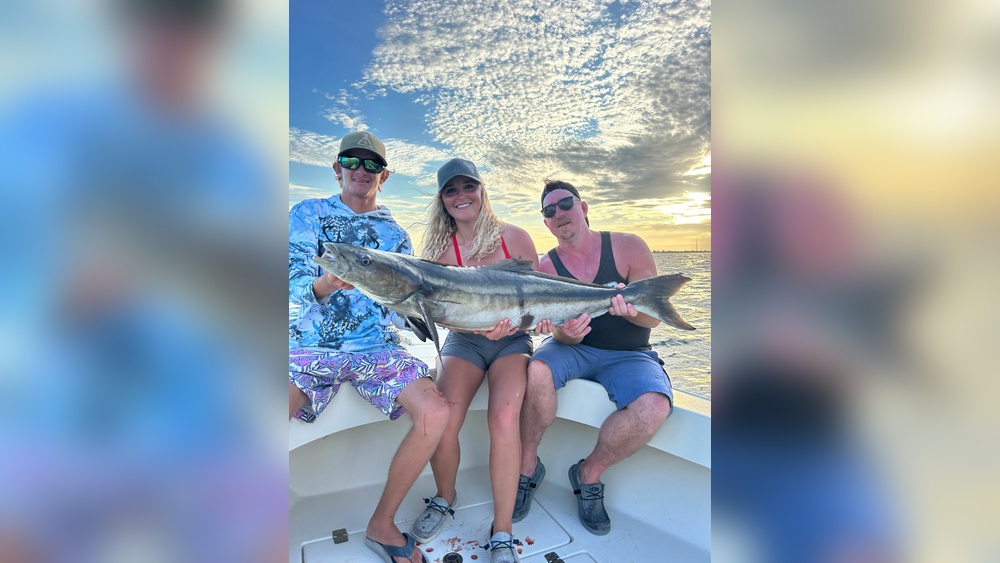
Going deep sea fishing is not just about the thrill of catching big fish. It’s also about staying safe, comfortable, and dry when you’re far out on the open water. Many people overlook one key detail: what shoes to wear deep sea fishing. It may seem simple, but your choice of footwear can make or break your fishing trip. Wet decks, salty spray, and the constant movement of the boat create special challenges for your feet. That’s why picking the right shoes is as important as bringing your rod and bait.
Let’s explore the best options for deep sea fishing shoes, what makes them work, and how you can avoid common mistakes. You’ll find clear advice, practical examples, and tips you won’t hear from most beginners. After reading this, you’ll feel confident choosing the right shoes for your next big fishing adventure.
Why Footwear Matters In Deep Sea Fishing
When you step onto a deep sea fishing boat, your shoes become your best friend or your worst enemy. The deck is usually wet and slippery. Waves can come over the side, soaking your feet in salty water. Sometimes, you stand for hours, waiting or fighting a fish.
The wrong shoes can lead to sore feet, blisters, or even accidents. Good shoes, on the other hand, give you grip, comfort, and protection.
There are several risks you might not think about:
- Slipping on a wet deck can cause dangerous falls.
- Sharp objects like hooks or fish fins can hurt your feet.
- Long hours of standing without support can lead to pain or fatigue.
- Saltwater exposure can damage ordinary shoes and cause blisters or skin irritation.
Understanding these risks helps you see why choosing the right shoes is more than just a style decision.
Key Features To Look For In Deep Sea Fishing Shoes
Not all shoes are created equal. Before you shop, know what features matter most for deep sea fishing.
1. Non-slip Soles
The most important feature is a non-slip sole. Decks get slippery from water, fish slime, and bait. You need shoes that grip, even when wet. Look for soles made from rubber with a special tread pattern designed for traction.
2. Water Resistance And Quick Drying
Your shoes will get wet. Choose water-resistant or quick-drying materials like synthetic mesh, neoprene, or treated leather. Avoid shoes that soak up water and stay wet.
3. Good Drainage
Shoes with drain holes or mesh panels let water flow out, so your feet don’t stay soggy. This also helps prevent blisters and bad smells.
4. Comfort And Support
You may stand for hours. Look for cushioned insoles and arch support. This protects your feet and reduces fatigue.
5. Protection
A closed-toe design protects against sharp objects. Some shoes offer reinforced toes or sides for extra safety.
6. Easy To Clean
Salt, fish blood, and bait can make a mess. Shoes that are easy to rinse or scrub are a big plus.
7. Lightweight
Heavy shoes tire your feet. Lightweight designs make it easier to move around the boat.
8. Durability
Saltwater is tough on shoes. Choose materials that resist corrosion and wear.
Most beginners miss how quickly saltwater can break down cheap shoes. Within one trip, you might notice glue coming undone, fabric getting stiff, or soles losing grip. That’s why it’s smart to invest in quality, even if it costs a bit more.
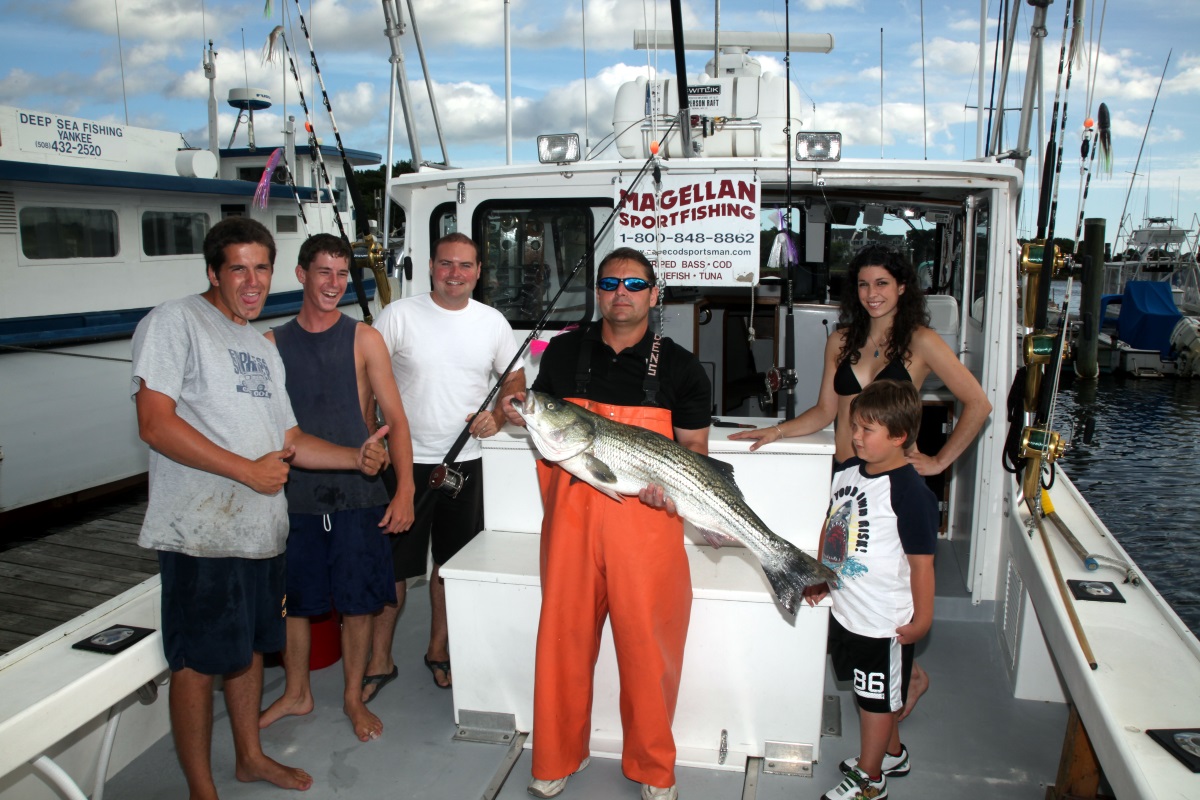
Credit: www.capecodsportsmen.com
Top Types Of Shoes For Deep Sea Fishing
Let’s look at the best categories of shoes for deep sea fishing. Each has pros and cons, so you can pick what fits your needs.
1. Fishing Boots
These are usually ankle or mid-calf height, made from rubber or neoprene.
Pros:
- Excellent water protection
- Non-slip soles
- Protect feet from fish spines, hooks, and stings
Cons:
- Can be hot in warm weather
- Less breathable
When to choose: If you fish in cold water, rough weather, or areas with lots of sharp objects on deck.
2. Boat Shoes
Classic boat shoes are low-cut, usually made from treated leather or synthetic material, with a special non-slip sole.
Pros:
- Good grip on wet decks
- Comfortable for long wear
- Stylish and easy to clean
Cons:
- Not fully waterproof
- Less protection for toes
When to choose: Good for calm weather and boats with less water on deck.
3. Water Shoes
These are made for getting wet. Most are lightweight, with mesh uppers and rubber soles.
Pros:
- Quick-drying
- Lightweight and flexible
- Good drainage
Cons:
- May not offer much toe protection
- Some models lack arch support
When to choose: Warm weather, lots of water on deck, or if you want to keep feet cool.
4. Sandals (fishing-specific)
Some brands make sandals designed for fishing, with non-slip soles and toe protection.
Pros:
- Breathable
- Quick-drying
- Easy to rinse
Cons:
- Less protection than boots or closed shoes
- Can let in debris
When to choose: Hot climates, short trips, or when you want maximum ventilation.
5. Deck Shoes
Similar to boat shoes but with more focus on grip and water resistance.
Pros:
- Superior traction
- Often treated to resist saltwater
- Lightweight
Cons:
- Some lack full toe protection
When to choose: All-around option for most conditions.
6. Athletic Sneakers (with Modifications)
Some people use regular sneakers, but only if they have non-marking, grippy soles and are made from synthetic, quick-drying materials.
Pros:
- Comfortable, familiar fit
- Good support
Cons:
- Most sneakers absorb water
- Not designed for saltwater
When to choose: Only if you have no other option and conditions are dry.
Comparing Popular Deep Sea Fishing Shoe Options
To help you see the differences, here’s a quick comparison.
| Shoe Type | Best For | Water Protection | Deck Grip | Toe Protection | Breathability |
|---|---|---|---|---|---|
| Fishing Boots | Cold, rough, or dirty conditions | Excellent | Very Good | Excellent | Poor |
| Boat Shoes | General use, dry decks | Moderate | Good | Fair | Good |
| Water Shoes | Wet decks, warm weather | Good | Good | Poor | Excellent |
| Fishing Sandals | Hot weather, short trips | Fair | Good | Moderate | Excellent |
| Deck Shoes | All-around | Good | Excellent | Fair | Good |
| Modified Sneakers | Dry weather, short trips | Poor | Moderate | Fair | Poor |
This overview shows why specialized shoes beat ordinary sneakers for most deep sea fishing trips.
Credit: fishpanamatoday.com
Top Brands And Models For Deep Sea Fishing Shoes
Let’s get specific. Some brands are known for making shoes that handle the demands of deep sea fishing.
Xtratuf
Xtratuf is famous for its deck boots and slip-on shoes. Their boots are used by commercial fishermen in Alaska and around the world.
Highlights:
- 100% waterproof
- Slip-resistant soles
- Strong protection against fish spines and hooks
Columbia
Columbia’s Drainmaker and Bahama Vent lines combine sneaker comfort with water shoe features.
Highlights:
- Great drainage
- Fast drying
- Lightweight
Sperry
Sperry is the original maker of the boat shoe. Their styles focus on grip and classic looks.
Highlights:
- Non-marking rubber soles
- Water-resistant leather
- Comfortable for all-day wear
Huk
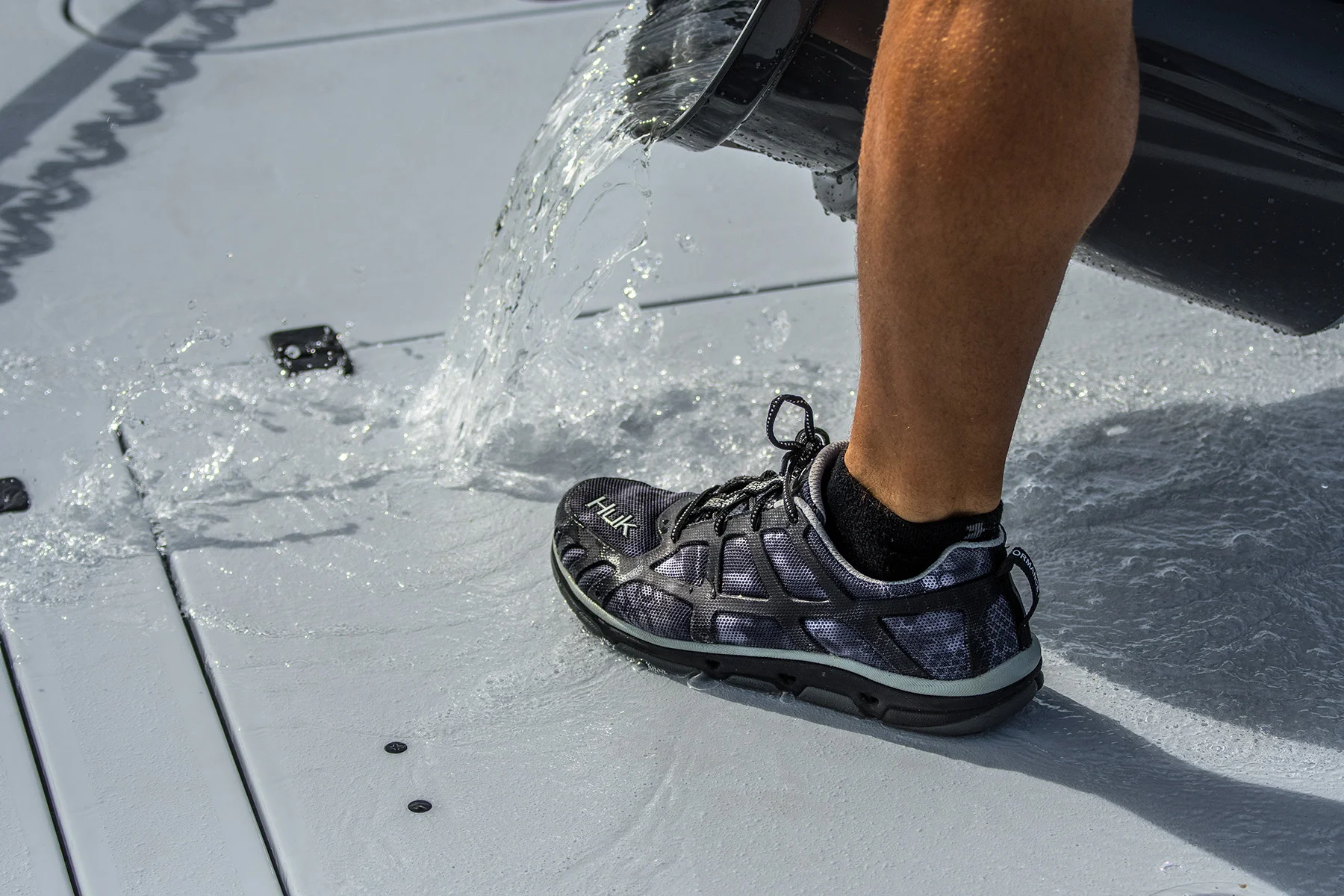
Huk designs shoes just for anglers, like the Rogue Wave boot and Attack water shoe.
Highlights:
- High-tech materials
- Reinforced protection
- Good ventilation
Simms
Simms makes deck shoes and boots for serious fishermen.
Highlights:
- Non-slip Vibram soles
- Saltwater resistant
- Supportive fit
Crocs
Surprisingly, Crocs’ Swiftwater and Bistro models work well for some fishing conditions.
Highlights:
- Lightweight
- Quick-drying
- Easy to clean
Not every brand fits every foot. Try shoes on before your trip and walk around to test fit and grip.
What Not To Wear Deep Sea Fishing
Many beginners make mistakes with footwear. Here’s what to avoid:
- Flip-flops or open sandals: These may seem cool and easy, but they slip easily, offer no toe protection, and can get caught on equipment.
- Bare feet: You risk cuts, stings, and burns from the hot deck.
- Heavy hiking boots: These are not made for wet decks and become heavy when soaked.
- Standard sneakers: Most soak up water, lose grip, and smell bad after a few hours.
- Leather dress shoes: They are slippery and get ruined by saltwater.
Wearing the wrong shoes can turn a fun trip into a painful memory. Don’t take chances.
How To Choose The Right Size And Fit
The best deep sea fishing shoes are useless if they don’t fit well. Here’s how to get the right size:
- Try shoes on with the same socks you’ll wear while fishing.
- Walk and twist your feet to check if they slip or pinch.
- Leave a little extra room for swelling, but not so much your foot slides inside.
- If you have wide feet, look for brands with wide sizes.
- For boots, try them with your fishing pants to make sure they fit over the ankles.
Remember, feet can swell during long hours in the sun and heat. A tight shoe in the morning might be painful by afternoon.
How To Care For Deep Sea Fishing Shoes
Good shoes are an investment. Take care of them to make them last.
- Rinse with fresh water after each trip. Saltwater eats away at materials and stitching.
- Dry shoes in the shade. Avoid direct sun, which can crack rubber and fade colors.
- Remove insoles and laces to let air circulate and prevent mold.
- Scrub off fish blood or dirt as soon as possible to avoid stains and smells.
- Store in a dry, cool place. Don’t leave them in a hot car or sealed bag.
A common beginner mistake is forgetting to rinse shoes after a trip. The next time you wear them, they might be stiff, smelly, or even falling apart.
Socks: Do You Need Them?
You might be wondering if you should wear socks with your fishing shoes. The answer depends on the shoe type and your personal comfort.
- For boots or closed deck shoes, moisture-wicking socks help prevent blisters.
- For water shoes or sandals, skip socks or use thin, quick-drying ones.
- Cotton socks are a bad choice—they stay wet and cause skin problems.
Modern fishing socks are made from synthetic fibers that dry quickly. These keep your feet comfortable, even if they get wet.
When To Replace Your Fishing Shoes
Even the best shoes wear out. Watch for these signs:
- Soles lose grip or become smooth
- Holes or tears in the upper
- Cracked or stiff material
- Persistent bad smell, even after cleaning
- Shoes feel uncomfortable or loose
Most fishing shoes last one to three seasons, depending on how often you fish and how you care for them.
Real-world Examples: Shoe Choices For Different Fishing Trips
Let’s look at some real situations.
Case 1: Offshore Tuna Charter
You’re on a large boat with 8 other anglers. The deck is busy and often wet. You’ll be on your feet for 8 hours.
Best choice: Waterproof deck boots with non-slip soles.
Case 2: Summer Inshore Trip
Fishing for snapper in warm weather, lots of sun, and a dry deck.
Best choice: Boat shoes or ventilated deck shoes.
Case 3: Island Hopping By Small Boat
You’ll get on and off the boat, sometimes wading in shallow water.
Best choice: Water shoes with good drainage.
Case 4: Multi-day Expedition
Sleeping on the boat, fishing day and night, with changing weather.
Best choice: Bring two pairs—deck boots for rough weather and water shoes for calm, sunny periods.
It’s smart to pack a backup pair, just in case one gets soaked or damaged.
Common Mistakes And How To Avoid Them
- Ignoring non-slip soles: Deck grip is vital. Never use shoes with smooth or worn-out soles.
- Choosing style over function: Fashionable shoes may look good but perform badly on wet decks.
- Buying shoes too small: Feet swell during long trips. Tight shoes cause blisters.
- Not breaking in new shoes: Wear your shoes for a few hours before your trip to soften them up.
- Forgetting about socks: The right socks can make even average shoes feel much better.
How Deep Sea Fishing Shoes Compare To Other Outdoor Shoes
Fishing shoes are different from hiking, running, or everyday shoes. Here’s a quick overview.
| Shoe Type | Water Resistance | Deck Grip | Toe Protection | Weight | Best Use |
|---|---|---|---|---|---|
| Fishing Shoes | Excellent | Excellent | Good | Light to Medium | Boat decks, saltwater |
| Hiking Shoes | Fair | Poor | Very Good | Medium to Heavy | Trails, rocks |
| Running Shoes | Poor | Fair | Poor | Light | Pavement |
| Everyday Sneakers | Poor | Poor | Fair | Light | Casual |
This shows why using the right tool for the job makes a big difference.
Where To Buy Deep Sea Fishing Shoes
Most outdoor retailers and fishing shops carry a selection of shoes. You can also shop online at sites like Bass Pro Shops, Cabela’s, or Amazon. Always check return policies, especially if you’re unsure of your size.
For more on fishing safety and shoe features, you can visit the Wikipedia entry on boat shoes.
Credit: www.saltwaterexperience.com
Frequently Asked Questions
What Is The Most Important Feature In Deep Sea Fishing Shoes?
The most important feature is a non-slip sole. This keeps you safe on wet and slippery decks. Without it, you risk falling, which can lead to serious injury.
Should I Buy Waterproof Or Water-resistant Shoes For Deep Sea Fishing?
Waterproof shoes are best for rough conditions or long trips. Water-resistant or quick-drying shoes work well in warm weather or when you expect to get wet but not soaked. Always consider the weather, the boat, and your comfort.
Can I Use Regular Sneakers For Deep Sea Fishing?
You can, but it’s not recommended. Most sneakers lose grip when wet, absorb water, and take a long time to dry. Specialized fishing shoes perform much better and last longer in saltwater.
How Do I Clean And Care For My Fishing Shoes?
Rinse them with fresh water after each trip to remove salt. Scrub off any fish blood or dirt. Dry them in the shade and remove insoles to prevent mold. This routine keeps your shoes in good shape for many trips.
Are Socks Necessary With Deep Sea Fishing Shoes?
Socks are helpful with boots or closed shoes to prevent blisters. Use synthetic, moisture-wicking socks. For water shoes or sandals, you can skip socks or use thin, quick-drying ones for extra comfort.
When you plan your next deep sea fishing trip, don’t forget that the right shoes are as important as your tackle box. With the right pair, you’ll stay safe, comfortable, and focused on catching that big one. Happy fishing!