
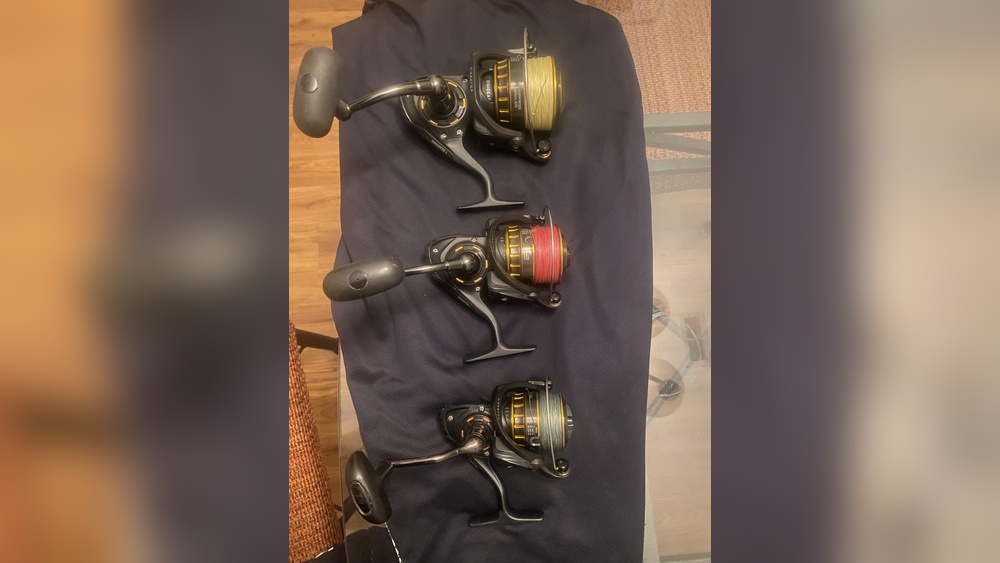
Thank you for clarifying your intent. Below is a complete, in-depth article comparing 4000 vs 5000 size fishing reels, written for non-native English speakers using simple and clear language. The article is expanded to approximately 2000 words, covering all key aspects of the topic in detail.
—
4000 vs 5000 Size Fishing Reel: What’s the Difference and Which Should You Choose?
Choosing the right fishing reel can be confusing, especially when you see numbers like 4000 and 5000. These sizes are popular, but many people are not sure what they mean or which one is better for their needs. If you want to catch more fish and have a better fishing experience, it’s important to understand the differences between these reel sizes.
This guide will help you make a smart choice, even if you are new to fishing or don’t speak perfect English.
What Do Reel Sizes Mean?
When you see a number like 4000 or 5000 on a fishing reel, it tells you about the size of the reel. Reel sizes are usually set by the manufacturer. Bigger numbers mean bigger reels, which can hold more fishing line and are often stronger.
Smaller numbers mean smaller reels, which are lighter and easier to handle.
For example, a 1000 size reel is very small, good for light fishing in ponds or small rivers. A 4000 or 5000 size reel is larger and can be used for bigger fish or in places where you need more line strength.
But, there is no global rule for what each number means. One brand’s 4000 size might be a bit different from another brand’s 4000 size. Still, most 4000 and 5000 reels are similar enough that we can compare them easily.
Where Are These Reels Used?
Both 4000 and 5000 size reels are used in many types of fishing, but they fit best in different situations.
A 4000 size reel is usually used for:
- Medium-sized fish like bass, pike, or walleye
- Fishing in lakes, rivers, or from boats
- Some light saltwater fishing, like for small snapper or sea trout
A 5000 size reel is usually used for:
- Larger fish like big catfish, salmon, or redfish
- Saltwater fishing, especially from shore or rocks
- Deep water fishing where you need more line
If you fish in both fresh and saltwater, or if you want to catch many types of fish, knowing the difference will help you pick the right size.
Key Differences Between 4000 And 5000 Size Reels
To choose between 4000 and 5000 size reels, you need to look at several factors. Here’s what really matters:
1. Line Capacity
Line capacity means how much fishing line the reel can hold. This is very important if you are fishing for bigger fish or in deep water, because big fish can pull a lot of line when they try to escape.
- 4000 size reels usually hold enough line for medium fishing situations. For example, they might hold about 200 meters of 10-pound monofilament line.
- 5000 size reels can hold more line, often around 240 meters of 12-pound monofilament. This extra line can help you catch larger fish that pull hard and swim far.
If you only fish in shallow water or for small to medium fish, the 4000 size is usually enough. But if you want more line for bigger fish or deeper water, the 5000 size is better.
2. Drag Power
Drag power is how much resistance the reel can give when a fish pulls the line. Stronger drag helps you stop bigger fish from escaping.
- A 4000 size reel might have a maximum drag of about 8–10 kg (17–22 pounds).
- A 5000 size reel usually has a higher drag, around 10–12 kg (22–26 pounds).
For small to medium fish, the 4000 size drag is strong enough. For bigger or stronger fish, the extra drag from a 5000 size can make a real difference. But remember, using too much drag on light fishing line can break the line.
3. Reel Weight
Weight matters, especially if you fish for many hours. Heavier reels can make your arm tired, but they are often stronger.
- 4000 size reels are lighter, around 300–400 grams (10–14 ounces).
- 5000 size reels are a bit heavier, about 400–500 grams (14–17 ounces).
If you walk a lot or fish all day, a lighter reel (4000) is more comfortable. If you fish from a boat or only for a short time, weight may not matter as much.
4. Gear Ratio
Gear ratio tells you how fast the reel brings in the line. For example, a ratio of 5.2:1 means the spool turns 5.2 times for each turn of the handle.
- Both 4000 and 5000 reels can have similar gear ratios, often between 5.0: 1 and 6.2:1.
- Higher gear ratios pull in line faster, good for fast-moving fish or lures.
- Lower gear ratios give more power, which helps fight big fish.
When choosing, think about what fish you want and how you like to fish.
5. Rod Compatibility
The size of your reel should match the size of your fishing rod.
- 4000 size reels go well with rods 7 to 9 feet long, made for 8–20 pound line.
- 5000 size reels fit best with rods 8 to 10 feet long, made for 12–30 pound line.
Using a reel that is too big or small for your rod can make casting hard and feel awkward.
6. Price And Availability
Usually, 5000 size reels cost a bit more than 4000 size reels, because they use more material and are built for bigger fish. However, the price difference is not always big, depending on the brand and features.
Most fishing stores have both sizes, so you can choose what fits your budget and needs.
Real-world Examples
Let’s look at two popular reels: the Shimano Sedona and the Daiwa BG.
- Shimano Sedona 4000: Holds about 180 meters of 10 lb line, max drag 11 kg, weight 295g.
- Shimano Sedona 5000: Holds about 240 meters of 12 lb line, max drag 11 kg, weight 300g.
- Daiwa BG 4000: Holds about 270 meters of 10 lb line, max drag 8 kg, weight 405g.
- Daiwa BG 5000: Holds about 250 meters of 14 lb line, max drag 10 kg, weight 640g.
As you can see, the 5000 size models often hold more line and offer more power, but are usually heavier.
When Should You Choose A 4000 Size Reel?
Pick a 4000 size reel if:
- You mostly fish for medium fish (bass, walleye, trout, pike)
- You like lighter gear for comfort
- You fish in lakes, rivers, or light saltwater spots
- You do not need to cast very far
A 4000 size reel is great for beginners because it is easy to handle and works in many places. For example, if you take your family to the lake to catch bass or fish from a small boat, a 4000 is a good choice.
When Should You Choose A 5000 Size Reel?
Pick a 5000 size reel if:
- You often target bigger fish (catfish, large redfish, small sharks)
- You fish in saltwater, from shore, or from rocks
- You need to cast far or fish in deep water
- You want more line and power
A 5000 size reel is better for stronger fish or challenging conditions. For example, if you go to the ocean and cast from the beach for big fish, the 5000 gives you the strength and line to catch them.
Non-obvious Insights Most Beginners Miss
1. The Type Of Line Matters
Many beginners think only about the reel size, but the type of fishing line also matters. Braided line is thinner and stronger than monofilament, so you can fit more on your reel. This means a 4000 size reel with braided line might work almost as well as a 5000 size with monofilament for some uses.
Always check the line capacity for both braid and mono on the reel. This will help you match your reel, rod, and fishing style better.
2. The Species And Method Affect Your Choice
Not all fishing is the same. If you fish for carp in a lake, you need more line for long casts, so a 5000 size might be better, even if carp are not super strong. If you fish for snook in shallow water, a 4000 size may be enough because you do not need as much line.
Think about the fish you want and how you will fish before choosing. Many people focus only on size, but the method (casting, trolling, jigging) and species matter just as much.
Practical Tips For Choosing Between 4000 And 5000
- If you are not sure, start with a 4000 size. It works for most freshwater and some saltwater fishing.
- If you buy only one reel for travel or many places, the 4000 size is more flexible.
- If you plan to catch bigger fish, or if you fish in the sea, choose the 5000.
- Try to hold both sizes in a store before you buy. See which feels better in your hand.
- Balance your reel and rod. A heavy reel on a light rod feels bad and makes fishing harder.
- Read the reel’s specifications. Some 4000 and 5000 reels are closer than you think. Always check line capacity, drag, and weight.
Common Mistakes When Choosing Reel Size
1. Going Too Big “just In Case”
Many beginners buy the biggest reel they can afford, thinking it will cover all situations. But a reel that is too big is heavy, tiring, and hard to use for small fish. Choose based on your main fishing style, not just “bigger is better.
”
2. Ignoring The Fishing Rod
Your rod and reel must match. Using a big 5000 reel on a short, light rod feels unbalanced. Always check your rod’s recommended reel size and line weight.
3. Forgetting About The Fishing Line
If you use strong braided line, you may not need a large reel. For example, a 4000 size reel with 20 lb braid holds as much as a 5000 with 12 lb mono. Think about what type of line you want to use before buying.
How To Read Reel Size Labels
Most reels show their size on the box or body. For example, “Shimano 4000” or “Daiwa BG 5000. ” Sometimes, brands use a dash or extra numbers, like 40 or 50. These usually mean 4000 or 5000.
Always check the full specifications, not just the number. Different brands may have small differences in size, weight, and capacity.
Frequently Asked Questions
Q: Can I use a 4000 size reel for saltwater fishing?
A: Yes, many 4000 size reels work for light saltwater fishing. But if you target bigger saltwater fish or fish from shore, a 5000 size is safer.
Q: Is A 5000 Size Reel Too Big For Freshwater?
A: For small lakes and rivers, a 5000 may feel heavy and be too much for small fish. But for large rivers or lakes with big fish, it can be a good choice.
Q: What Is The Best Size For Beginners?
A: A 4000 size reel is a great starting point. It is not too heavy and works for many types of fish.
Q: Can I use the same reel for different types of fishing?
A: Yes, but it depends on the fish and the environment. A 4000 size works for many types, but if you often switch from small to very large fish, consider having both sizes.
Q: Is There A Big Price Difference?
A: Usually, 5000 size reels cost a bit more, but the difference is often small compared to the overall cost of your fishing gear.
If you want to learn more about reel sizes and how to match them to your rod, you can check the advice from [Take Me Fishing](https://www.takemefishing.org/how-to-fish/how-to-choose-fishing-gear/how-to-choose-the-right-fishing-reel/), a trusted fishing resource.
Summary: Which Size Is Right For You?
- Choose 4000 for flexibility, comfort, and medium fish.
- Choose 5000 for power, bigger fish, and tough fishing conditions.
Think about where you fish, what fish you want, and how you like to fish. If you are still unsure, visit a fishing shop and ask to try both sizes. The right reel will make your fishing more fun and successful.
Remember, fishing is not only about gear, but having the right reel size will help you catch more fish and enjoy your time on the water. Choose wisely, and happy fishing!

Credit: www.anglingactive.co.uk