

Fishing is a peaceful activity that many people enjoy for relaxation, sport, or even food. But if you are new to fishing, you might hear people say, “You have to be quiet!” This idea is so common that many see it as a rule.
But is it true? Do you really have to stay silent for a successful day by the water? Or is it just a myth passed down through generations of anglers? Understanding the real impact of noise on fishing is important, whether you are a beginner or have been fishing for years.
Let’s explore why being quiet matters, what science says about fish and sound, and how different types of noise affect your catch rate. We’ll also look at practical situations—like fishing from shore, a boat, or with kids—and even discuss when talking and laughter might not hurt your chances at all.
By the end, you’ll have a clear, complete answer to whether you truly need to be quiet when fishing, and what to do in different situations for the best results.
The Origin Of The “be Quiet” Rule In Fishing
Many anglers grow up being told to “be quiet or you’ll scare the fish. ” This advice comes from traditions that stretch back centuries. Before modern science, people noticed that loud noises—like stomping or dropping objects—sometimes sent fish swimming away.
Over time, this turned into a rule. But just because something is repeated often does not make it always true.
Much of this belief comes from observations made in shallow water. In small ponds or near the shore, vibrations from talking, footsteps, or splashing can travel easily through the ground and water. Early fishermen noticed fish reacting to these sounds, especially in calm, clear water.
This created a strong link between silence and fishing success in the fishing community.
How Fish Hear: The Science Of Sound In Water
To understand if silence is necessary, it helps to know how fish sense sound. Fish do not have ears like humans. Instead, they use special organs to detect vibrations and pressure changes in the water.
- Lateral line system: This is a row of tiny sensors along the sides of a fish. The lateral line picks up vibrations and movement in the water, helping fish “feel” what’s happening around them.
- Inner ear: Fish also have an inner ear that detects sound waves. Water carries sound better than air, so fish can sense low-frequency noises from farther away.
Fish are most sensitive to vibrations that move through the water or are transmitted from the ground into the water. For example, dropping something heavy on the dock or walking heavily on a wooden pier can create shockwaves that fish detect quickly.
But here’s a key point: fish are much less sensitive to sounds made in the air (like talking) compared to underwater vibrations. This is why understanding the type of noise and where it happens matters.
Credit: www.epropulsion.com
Types Of Noise And Their Effects On Fishing
Not all noises are the same. Some have a big impact, while others are harmless. Let’s break down the main types of noise and how they affect your chances of catching fish.
1. Underwater Vibrations
These are the most important for fish. Vibrations travel quickly and strongly through water. Examples include:
- Dropping tackle boxes or anchors into the water
- Walking heavily on a dock or boat deck
- Splashing with paddles or oars
Such vibrations can scare fish, especially in shallow or clear water. Fish may move away or become less likely to bite.
2. Surface Noises
Sounds made on the water’s surface—like gentle talking or quiet footsteps—are less noticeable to fish, especially in deeper water. However, loud thumping or running can be detected.
3. Airborne Sounds (talking, Music, Laughter)
Surprisingly, most airborne sounds do not travel well from air into water. Normal conversations, quiet laughter, or even background music usually do not disturb fish, unless you are very close to the water or the noise is extremely loud.
4. Engine And Motor Noise
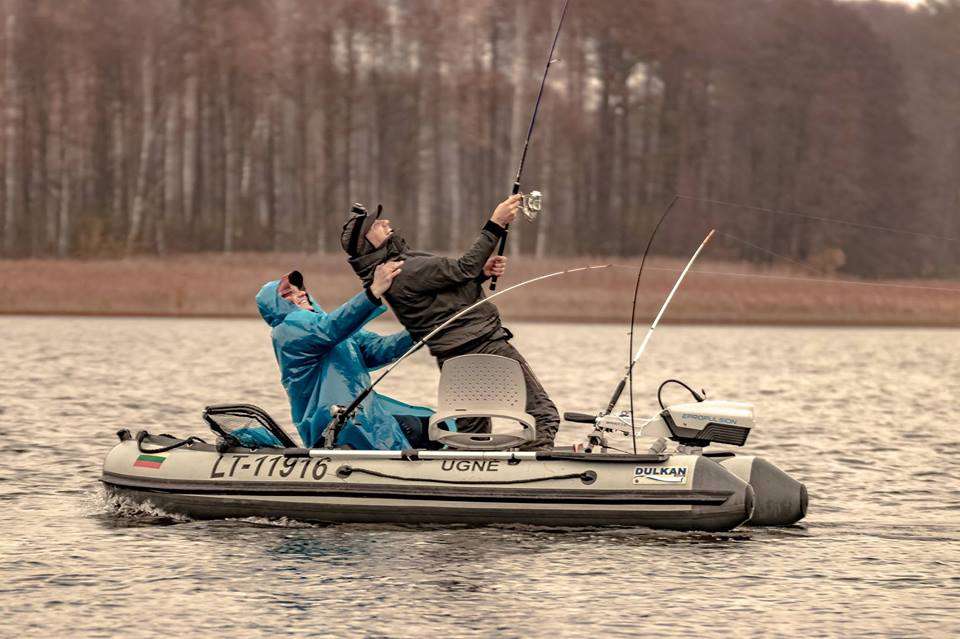
Boats with engines create loud underwater noise. Some fish get used to these sounds in busy areas, but in quiet lakes or rivers, a boat motor can send fish swimming away.
5. Environmental Sounds
Wind, rain, and flowing water all create background noise that can mask other sounds. On a windy day, fish are less likely to notice small noises made by anglers.
Does Silence Always Improve Fishing Success?
Staying quiet can help, but it is not always necessary for catching fish. The need for silence depends on several factors:
- Water depth: In shallow water, fish are more sensitive to noise and vibrations. In deep water, noise from the surface is less of a problem.
- Water clarity: In clear water, fish are easily scared by sudden movements and sounds. In muddy or cloudy water, fish rely more on vibration than sight.
- Fish species: Some fish are more sensitive than others. For example, trout and carp are easily startled, while catfish and bass are less nervous about noise.
- Fishing location: In busy, urban areas, fish may get used to regular noise. In remote, quiet lakes or rivers, even small sounds can matter.
Real-world Examples: When Noise Matters (and When It Doesn’t)
Let’s look at some situations to see how important silence is in practice.
Shore Fishing In A Quiet Pond
If you are fishing from the shore in a small, clear pond, being quiet is a good idea. Fish are close to the surface and can detect footsteps, dropped equipment, or splashing. Here, silence and gentle movements help you catch more fish.
Boat Fishing In Deep Water
When fishing from a boat in deep water, normal talking or moving around quietly does not usually scare fish. Fish are farther away from surface noise. However, dropping heavy items or stomping on the deck can send vibrations through the hull, which fish can sense.
Fishing With Children
Kids are often noisy. Many parents worry this will ruin their fishing trip. In reality, as long as children are not throwing things into the water or making constant splashes, their voices and laughter are unlikely to have a big effect—especially if fishing in deeper water or on a breezy day.
Night Fishing
At night, everything is more still. Fish may be more alert to vibrations, but normal talking is rarely a problem. Using a flashlight or stomping on the bank can be more disruptive than speaking.
Urban Vs. Remote Locations
In city parks or busy lakes, fish often get used to constant noise from people, cars, and boats. In remote, quiet locations, fish are more “wild” and cautious. Here, being quiet matters more.
Scientific Studies On Noise And Fish Behavior
Research shows that fish can be affected by both natural and man-made noise. According to a study published in the journal “Proceedings of the Royal Society B,” fish exposed to loud, sudden noises became stressed and less likely to feed for several minutes.
However, they adapted to regular background noise over time.
Another study found that boat engine noise can reduce feeding activity for some species. But in areas with constant boat traffic, fish often ignore these sounds. This shows that fish can learn to filter out “normal” noise, but sudden, sharp sounds still scare them.
For more on how fish perceive sound, see this Wikipedia article about fish hearing.
When Silence Is Essential
In some situations, being quiet is very important. These include:
- Fly fishing in shallow rivers: Trout and other sensitive fish are easily scared by sudden movements and noise. Move slowly, speak quietly, and avoid dropping anything.
- Ice fishing: Sound travels well through ice and water. Stomping or drilling can alert fish below.
- Fishing in clear, still water: Any disturbance can send fish swimming away. Make all movements slow and controlled.
When Noise Is Less Important
In other cases, you do not need to worry as much:
- Fishing in deep lakes: Fish are far from most surface noise.
- On windy or rainy days: Natural sounds cover up talking and small noises.
- Urban fishing: Fish are used to people and background noise.
- Catching hardy species: Catfish, carp, or bass are less scared by noise than species like trout.

Credit: www.amazon.com
Common Myths And Misunderstandings
There are many half-truths about noise and fishing. Here are a few:
- Talking always scares fish: Not true. Only loud, sudden noises that create strong vibrations make a big difference.
- Fish can hear every sound: Fish do not hear the way humans do. They sense vibrations and pressure changes.
- Total silence is best: In some places, a bit of noise does not matter. Fish can get used to regular sounds.
Practical Tips For Staying Quiet (when Needed)
If you are fishing in a place where silence helps, here’s how to reduce noise without spoiling your fun:
- Wear soft-soled shoes: Avoid hard boots that create loud steps.
- Move slowly: Fast movements scare fish more than quiet talking.
- Place items gently: Set down tackle boxes, rods, and anchors instead of dropping them.
- Control your cast: Avoid whipping the line hard onto the water surface.
- Mute your phone: Avoid ringtones or alarms near the water.
- Minimize splashing: Cast smoothly and avoid dragging objects through the water.
Even small changes can help you blend into the environment, making you a better angler.
Comparing Noise Impact Across Different Scenarios
To better understand when noise matters, let’s compare common fishing situations:
| Situation | Noise Sensitivity | Examples of Sensitive Species |
|---|---|---|
| Shallow, clear pond | High | Trout, carp |
| Deep lake | Low | Bass, catfish |
| Urban fishing spot | Medium | Mixed species |
| Flowing river | Medium | Salmon, pike |
| Ice fishing | High | Panfish, trout |
How Different Fish React To Noise
Not all fish respond to noise the same way. Here’s a comparison of popular sport fish and their sensitivity to noise:
| Fish Species | Sensitivity to Noise | Recommended Approach |
|---|---|---|
| Trout | Very High | Move quietly, avoid splashing |
| Bass | Medium | Be mindful, but normal talk is fine |
| Catfish | Low | Focus on bait, not silence |
| Carp | High | Be quiet, slow movements |
| Perch | Medium | Minimize sudden noises |
Advanced Insights: What Beginners Often Miss
Many new anglers focus only on being quiet, but two non-obvious insights can help improve your fishing:
- Vibrations matter more than voices: Fish sense movement and vibration through water much more than human speech. Quiet walking and gentle casting matter more than whispering.
- Fish can get used to regular noise: In popular fishing areas, fish often ignore the sound of talking, music, or even boat motors because these are part of their daily environment. It’s the sudden, unusual noises that are a bigger problem.
When Breaking The Silence Is Okay
Fishing should be enjoyable. If you are with friends or family, a bit of laughter or conversation will not ruin your day, especially if you follow the main rules about avoiding sudden, loud disturbances. Many experienced anglers catch plenty of fish while chatting or listening to music at a reasonable volume.
Tips For Fishing With Groups Or Kids
If you are not alone, keeping everyone silent is almost impossible. Here’s how to make the most of your trip:
- Choose the right spot: Pick a deeper or busier area where noise matters less.
- Set expectations: Let everyone know when to be quiet (casting, landing a fish), but do not stress about every sound.
- Focus on fun: Enjoy the time together. The memories last longer than the catch.
Do’s And Don’ts For Noise While Fishing
Do:
- Be careful with equipment
- Move gently, especially near the water’s edge
- Watch for fish behavior—if they scatter, stay quieter
Don’t:
- Slam things onto boat or dock
- Run or jump near the water
- Worry too much about talking softly
Credit: www.discoverboating.com
The Role Of Technology And Modern Gear
New fishing gear is often designed to be quiet. For example, electric trolling motors are much quieter than gas engines. Soft, rubber-soled shoes help reduce footsteps. Even fishing lines and lures are made to enter the water softly.
Some advanced anglers use fish finders or underwater cameras. These devices do not make noise that fish can detect, so you can use them freely.
Making The Most Of Your Fishing Experience
Fishing is about more than just catching fish. It’s about being close to nature, relaxing, and sometimes enjoying good company. While being quiet can help in some cases, it should not take away from your enjoyment. The key is to match your behavior to the situation—be extra careful in shallow, clear water, but relax and have fun in deeper or noisier places.
If you’re not catching anything, try changing your location, bait, or presentation. Do not blame normal conversation or laughter unless you see fish reacting to your presence.
Frequently Asked Questions
Does Talking Really Scare Fish Away?
Normal talking does not usually scare fish, especially if you are not right at the water’s edge or fishing in deep water. Fish are more sensitive to vibrations and sudden loud noises than to human voices.
Are Some Fish More Sensitive To Noise Than Others?
Yes. Species like trout and carp are easily spooked, while bass and catfish are more tolerant of noise. Always adjust your behavior based on the type of fish you are targeting.
Is It Okay To Play Music While Fishing?
Playing music quietly is usually fine, especially on windy days or in deeper water. Very loud music or sudden blasts of sound are more likely to disturb fish, especially in calm and shallow spots.
Will Dropping My Tackle Box Ruin My Chances?
Dropping heavy gear can send strong vibrations into the water, which may scare nearby fish. Try to place items down gently, especially in sensitive environments like clear ponds or shallow rivers.
Can I Fish Successfully With Kids Who Are Noisy?
Yes! As long as kids are not making constant splashing or throwing things into the water, their voices and laughter are unlikely to ruin the trip. Choose deeper water or busy areas if you are worried about noise, and focus on having a fun outing.
Fishing is a blend of skill, patience, and enjoyment. While silence can sometimes help, it is not a strict rule for all situations. Learn to read your environment, respect the fish, and most importantly, enjoy your time on the water—quiet or not.