
Absolutely, let’s proceed with a comprehensive, in-depth article about what a 4000 size reel is good for, including all key aspects, practical uses, comparisons, and frequently asked questions. This article will help both beginners and intermediate anglers understand why, when, and how to use a 4000 size spinning reel.
—
What A 4000 Size Reel Is Good For: Complete Guide
Fishing reels come in many sizes, each with specific uses. Among these, the 4000 size spinning reel is one of the most versatile. Many anglers, both beginners and experienced, wonder where a 4000 reel fits best. Let’s explore what makes this size popular, what fish you can target, and how to get the most from your 4000 size reel.
Understanding Reel Sizes
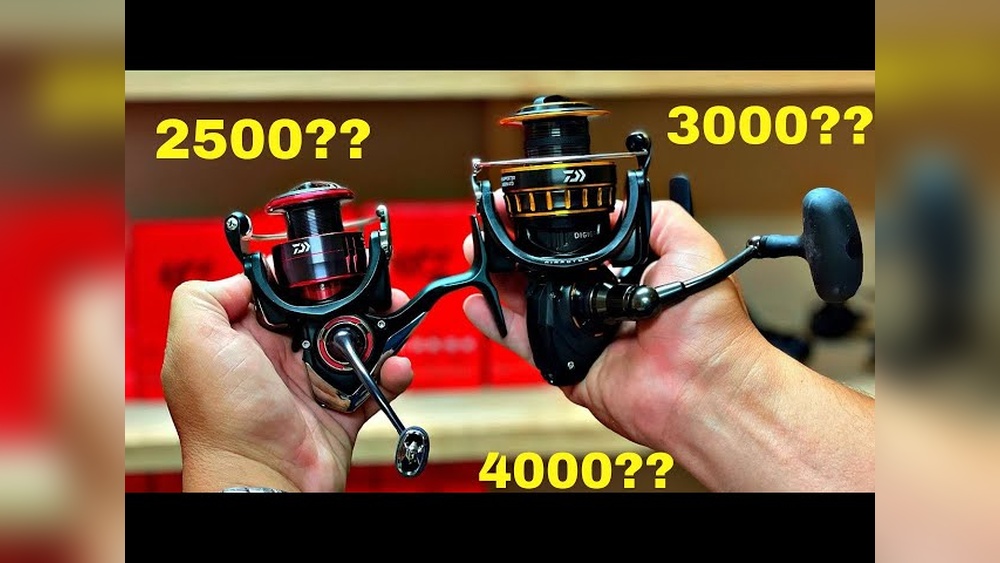
Fishing reel sizes can be confusing at first. Companies like Shimano, Daiwa, and Penn use numbers to describe reel sizes: 1000, 2500, 4000, and so on. The number refers to the physical size of the reel and its spool. A higher number means a bigger reel, which holds more fishing line and has a stronger drag system.
A 4000 size spinning reel is in the mid-to-large range. It is not as small as 1000 or 2500 reels, which are for light freshwater fishing, but not as big as 6000 or 8000 reels, which are for big saltwater fish.
Examples Of Reel Sizes And Common Uses
- 1000–2500 size: Small streams, panfish, trout, ultralight fishing
- 3000–3500 size: Larger freshwater fish, light inshore saltwater
- 4000–5000 size: Big freshwater, inshore saltwater, light surf
- 6000+ size: Large saltwater species, offshore fishing, heavy surf
This helps you see where the 4000 fits in.
What Can You Fish With A 4000 Size Reel?
A 4000 size reel is made for medium to heavy freshwater fishing and light to moderate saltwater fishing. Here are some examples of fish that are a good match:
Freshwater
- Largemouth and smallmouth bass: When fishing heavy cover or using bigger lures.
- Northern pike and muskellunge (muskie): These fish fight hard and need stronger gear.
- Catfish: Medium-sized catfish are common targets.
- Walleye: Especially in big rivers and lakes.
- Carp: Their strong runs need more line and power.
Saltwater
- Redfish (red drum): Inshore species, popular for their fight.
- Snook: Known for their power and runs through mangroves.
- Sea trout (spotted seatrout): A common inshore catch.
- Smaller tarpon: Juvenile tarpon or “baby tarpon” are fun on a 4000 reel.
- Bluefish, striped bass: Inshore or from jetties.
- Snapper: Inshore and small reef snapper.
Non-obvious Insight
Many anglers think the 4000 reel is only for big fish. But it is also great when you need to cast farther or use heavier lures, even for medium fish. For example, when fishing from a pier or jetty, the extra line capacity helps if a fish takes a long run.
Features Of A 4000 Size Reel
When you look at a 4000 size spinning reel, you will notice several features that make it special.
1. Line Capacity
A 4000 reel holds much more line than a 2000 or 3000 reel. For example, you might fit:
- 200 yards of 10-pound monofilament
- 250+ yards of 20-pound braided line
This means you can fish deeper water or for species that make long runs. It also helps when fishing in areas with strong current or when casting long distances.
2. Drag System
The drag system is stronger than on smaller reels. Most 4000 reels have a max drag between 15 and 25 pounds. This lets you fight bigger fish without breaking your line.
3. Gear Ratio
Most 4000 reels have medium gear ratios (like 5.2:1 to 6.2:1). This is a good balance between speed and power. You can fish slow presentations (like soft plastics for bass) or fast (like topwater lures for bluefish).
4. Handle Size And Body Strength
A 4000 size reel is bigger and stronger than a 1000 or 2000. The handle is larger, and the body is built to handle more stress. This helps you control big fish and heavy lures.
5. Weight
Most 4000 reels weigh 10–14 ounces. This is heavier than ultralight reels, but still light enough for a day of casting.
Practical Tip
If you plan to fish long hours, look for lighter reels made with carbon or composite materials. These reduce fatigue.
When Should You Use A 4000 Size Reel?
Choosing the right reel size depends on your fishing style. Here are some situations where a 4000 shines:
1. Heavier Lines And Lures
If you use lines of 10–20 pounds or lures between 1/2 to 2 ounces, a 4000 is ideal. This is common for fishing jigs, plugs, or live bait for larger fish.
2. Fishing In Heavy Cover
When fishing near weeds, rocks, or docks, you need more power to pull fish out. A 4000 reel with a strong rod helps you avoid break-offs.
3. Long Casting
A bigger spool means less line twist and longer casts. If you need to reach distant fish, a 4000 reel is a good choice.
4. Inshore Saltwater Fishing
Saltwater fish are strong, and they often run far. The extra line and drag help land them.
5. Pier, Jetty, Or Surf Fishing
Fishing from a high pier or jetty requires more line to reach the water and fight fish. Light surf fishing for species like bluefish or small stripers is also a good match.
Non-obvious Insight
A 4000 reel is sometimes the best choice for beginners fishing in mixed environments, like lakes with both bass and pike, or coastal areas with both freshwater and saltwater species. It covers many situations.
What Rods Work Well With A 4000 Reel?
A reel’s size should match the rod for balance. For a 4000 reel, the best rod lengths are usually between 7 and 9 feet, with medium-heavy to heavy power.
Examples
- 7’0” medium-heavy fast action: Good for bass, pike, snook, and redfish
- 7’6” to 8’0” medium-heavy: Better for long casts and saltwater fishing
- 8’6” to 9’0” heavy: For light surf or big freshwater fish
Practical Tip
Always check the rod’s line and lure rating. A balanced setup improves casting distance and reduces fatigue.
Pros And Cons Of A 4000 Reel
Let’s compare the main advantages and disadvantages.
Pros
- Versatile: Handles many species and environments
- Good line capacity: For long casts and big fish
- Strong drag: For fighting hard-pulling fish
- Works for freshwater and saltwater
Cons
- Heavier than small reels: Not ideal for panfish or ultralight fishing
- Can be overkill for small fish
- Not big enough for very large saltwater fish (like sharks or big tuna)
Common Mistake
Some anglers buy a 4000 reel thinking it will work for everything. For small trout or panfish, it is too heavy and overpowered. Use the right size for the target fish.
4000 Reel Vs. Other Sizes
How Does A 4000 Compare To Smaller Or Bigger Reels?
4000 Vs. 2500
- 2500: Great for bass, trout, light inshore. Lighter and easier to cast all day.
- 4000: Better for big fish, heavy cover, saltwater, and long casts.
4000 Vs. 5000
- 5000: More line, bigger body, more drag. Used for surf, big catfish, heavy saltwater.
- 4000: Lighter, more flexible. Easier for all-day use and more accurate casting.
Practical Example
If you fish both freshwater lakes for pike and saltwater flats for redfish, a 4000 is a better “one reel” solution than a 2500 or 5000.
Best Fishing Techniques For 4000 Size Reels
Here are some fishing styles where a 4000 reel shines:
1. Jigging
Heavy jigs for bass, pike, or saltwater species are easy to cast and retrieve with a 4000.
2. Live Bait
A 4000 has the power and line capacity for drifting live bait for snook, redfish, or catfish.
3. Casting Plugs And Swimbaits
Medium to large plugs, spoons, and swimbaits are perfect for this reel size.
4. Bottom Fishing
Drop bait or lures to the bottom for snapper, sea trout, or carp.
5. Light Surf Fishing
Cast cut bait or lures into the surf for bluefish, small stripers, or whiting.
Non-obvious Insight
A 4000 reel can handle light trolling in small boats, especially in lakes or nearshore areas. Just be sure the reel is rated for saltwater if you use it in the ocean.
How To Set Up A 4000 Size Reel
To get the most out of your reel, set it up the right way.
1. Choose The Right Line
- Braided line: 20–30 lb test is common. Strong, thin, and casts far.
- Monofilament: 10–17 lb test works well. Stretches, so good for shock absorption.
- Fluorocarbon: Good leader material, not for main line.
2. Fill The Spool Properly
Don’t overfill. Stop about 1/8 inch below the rim. This prevents tangles and wind knots.
3. Set The Drag Correctly
Set your drag to about 25–30% of your line’s breaking strength. For 20 lb line, set drag to 5–6 lbs. Use a scale for accuracy if possible.
4. Match The Rod
Use a rod rated for the line and lure weight you plan to use. This improves casting and landing fish.
Practical Tip
Always rinse your reel with fresh water after saltwater fishing to prevent corrosion.
Common Questions About 4000 Size Reels
Can I Use A 4000 Reel For Both Freshwater And Saltwater?
Yes, but make sure the reel is designed for saltwater. Saltwater reels have better seals and corrosion-resistant materials.
What Is The Best Lure Weight For A 4000 Reel?
Most 4000 reels cast lures from 1/2 ounce up to 2 ounces well. Check your rod’s rating for the best match.
Is A 4000 Reel Too Big For Bass Fishing?
Not always. For big bass, heavy cover, or large lures, a 4000 is great. For finesse or light fishing, a 2500 or 3000 is better.
How Much Line Should I Put On My 4000 Reel?
Fill the spool to about 1/8 inch from the edge. Too much causes tangles, too little reduces casting distance.
Can I Use A 4000 For Surf Fishing?
Yes, for light surf fishing or small species. For big surf fish, a 5000 or 6000 is better.
How Do I Prevent Line Twist?
Use a quality line, don’t overfill, and close the bail by hand after each cast.
Maintenance Tips For Long Life
- Rinse the reel with fresh water after each trip, especially in saltwater.
- Lubricate the gears and bearings with reel oil every few months.
- Store in a dry place, out of direct sunlight.
- Check for loose screws, worn gears, or damaged line roller often.
When Should You Not Use A 4000 Reel?
- When targeting small fish like sunfish, crappie, or small trout.
- When you need ultralight presentation (small lures, light line).
- For heavy surf or offshore fishing for big sharks or tuna.
Summary
A 4000 size spinning reel is a smart choice for anglers who want one reel for many situations. It’s strong enough for big freshwater fish and most inshore saltwater species. It casts far, holds plenty of line, and offers strong drag.
If you fish in rivers, lakes, and coastal waters, a 4000 reel is likely the most versatile tool you can buy.
If you want to learn more about spinning reel sizes and how they’re rated, [here is a helpful guide from Tackle Warehouse](https://www.tacklewarehouse.com/guides/spinning-reel-sizes.html).
Choose your reel based on your target fish, fishing style, and environment. With good care, a 4000 size reel will serve you well for years.