
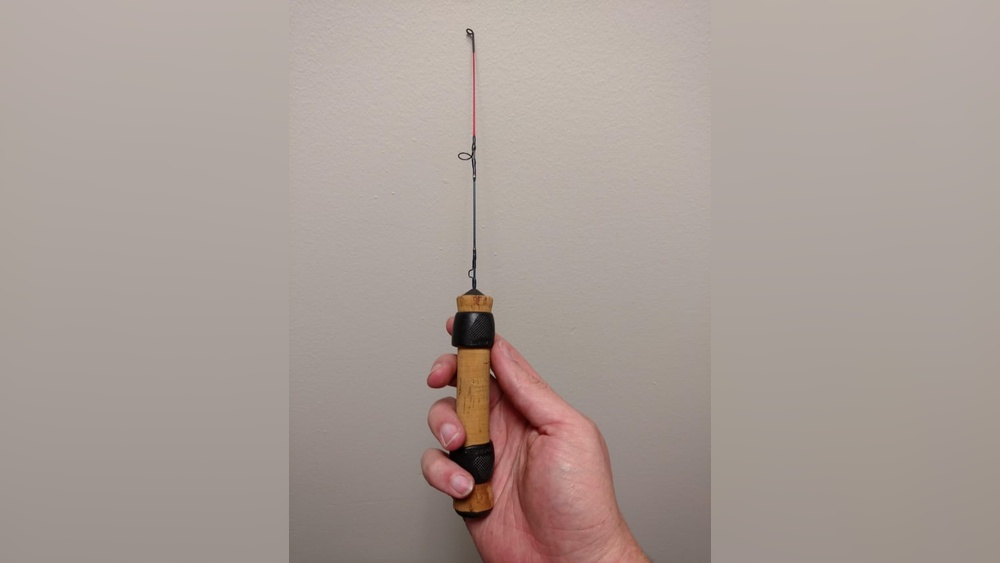
Why Are Ice Fishing Rods So Small?
If you walk onto a frozen lake during winter and watch people ice fishing, one thing stands out: the fishing rods look much shorter than normal rods. At first, this might seem strange, especially if you’re used to regular fishing rods that can be 6 feet or longer. But there are good reasons why ice fishing rods are so small. Their compact size isn’t just for show — it’s a clever solution to the unique challenges of fishing through ice.
Understanding why these rods are small helps you fish better, avoid common mistakes, and even save money by choosing the right gear. Whether you’re new to ice fishing or just curious, this article will break down all the main reasons, the science, and the practical benefits behind the design.
You’ll also learn how rod size affects your fishing results, which rod to pick, and what makes ice fishing so different from fishing in open water. Let’s dig deeper and see why small rods make such a big difference on the ice.
What Makes Ice Fishing Different?
Before looking at the rods themselves, it’s important to understand what sets ice fishing apart from regular fishing. The biggest difference is obvious: you fish through a small hole in thick ice, not from an open shoreline or boat. Most ice holes are just 6 to 10 inches wide. There’s no way to cast a long distance. Instead, you drop your line straight down into the water below.
You usually fish in cold, cramped conditions, often inside a small shelter or tent. Space is tight, especially if you’re with friends. Every piece of equipment needs to be compact and easy to carry. The fish you catch are often the same as in the summer, but the way you reach them is completely different.
The Main Reasons Ice Fishing Rods Are So Small
Let’s look at all the major reasons why ice fishing rods are designed to be short and compact.
1. Limited Space
The most basic reason is space. When you fish through a small hole, you can’t cast your line far. There’s no need for a long rod. Most ice fishing happens inside a shelter or “ice hut,” which can be just a few feet across.
A normal 6-foot rod would bump into the roof, walls, or other people.
A small rod, usually between 24 and 36 inches long, is easy to handle even in a crowded shelter. You can move it up and down without hitting anything. This makes it much more comfortable and practical when you’re fishing in close quarters.
2. Vertical Fishing Style
In ice fishing, all your movement is vertical — you drop the bait straight down and lift it up. There’s no casting or sideways movement. A long rod is built for casting far distances, but you don’t need that on the ice.
Instead, you want a rod that’s easy to control up and down.
A short rod gives you better control over your lure or bait. You can make small, quick movements (“jigging”) to attract fish. This precision is especially important for species like crappie or perch, which can be picky about how the bait moves.
3. Sensitivity
Short rods are more sensitive than long ones, which helps you feel even the slightest bite under the ice. In winter, fish move slower and bite softer because the cold water slows their metabolism. If your rod is too long and stiff, you might not notice when a fish nibbles your bait.
With a shorter rod, you feel every movement directly in your hand. This can make the difference between catching a fish or missing the strike completely. Many experienced ice anglers say sensitivity is the single most important feature in an ice rod.
4. Strength And Control
It might seem like a small rod would be weak, but the opposite is true. Ice fishing rods are made to be strong and flexible. Since you’re pulling fish straight up through a hole, you don’t need the leverage of a long rod. You need strength and the ability to react quickly.
A short rod lets you pull fish up through the ice with more control and less risk of breaking your line. It’s easier to manage a sudden tug or a heavy fish with a small, sturdy rod.
5. Portability And Convenience
Winter fishing often means walking across snowy, icy surfaces to reach your spot. Carrying lots of gear can be tiring and dangerous. A short, lightweight rod is much easier to transport, especially if you have to walk a long way or carry other equipment like an auger, bait bucket, or heater.
Short rods also fit easily into a sled or backpack. Some even come in two pieces so you can pack them down even smaller. This makes the whole experience safer and less stressful.
6. Preventing Rod Damage
Cold weather makes regular rods more likely to break, especially if they get bumped or banged against hard ice or shelter walls. A short rod has fewer weak points and is less likely to get damaged. The materials used for ice fishing rods are often chosen for their durability in freezing temperatures.
7. Better For Light Line
In ice fishing, anglers often use very light line — sometimes as thin as 2-pound test — because fish are more cautious in winter. A short rod with a soft tip is perfect for using light line. It helps prevent the line from snapping and gives you more control over the fish.
8. Easier Hook Setting
Setting the hook means pulling the rod to drive the hook into the fish’s mouth. With a short rod, your movement is direct and powerful. You don’t lose force over the length of the rod. This is especially helpful when the fish are biting lightly, which is common in winter.
9. Cost And Accessibility
Short rods use less material, so they’re often less expensive than full-length rods. This makes ice fishing more accessible for beginners or people who want to try it out before investing in lots of gear. There’s also a huge variety of short rods, so you can find one that matches your budget and style.
10. Tradition And Innovation
Finally, short rods have become a tradition among ice fishers. Early ice anglers cut down old rods or made their own short sticks to fit their needs. Over time, manufacturers have developed new materials and designs, but the basic idea remains the same: keep it small, simple, and effective.
How Small Are Ice Fishing Rods Compared To Regular Rods?
To really see the difference, here’s a comparison between the typical sizes of ice fishing rods and open water fishing rods:
| Rod Type | Typical Length (inches) | Purpose |
|---|---|---|
| Ice Fishing Rod | 18–36 | Vertical jigging, tight spaces |
| Spinning Rod (Regular) | 66–84 | Casting, longer reach |
| Fly Rod | 90–120 | Long casting, rivers |
As you can see, ice fishing rods are less than half the length of most regular rods. This size difference is not just about comfort — it’s a key part of the gear’s function.
Types Of Ice Fishing Rods
There isn’t just one kind of ice fishing rod. The size and style can change depending on the target fish and the technique. Here are the main types you’ll find:
Ultralight Rods
These are for small fish like panfish (bluegill, perch, crappie). They’re the shortest and most sensitive, usually around 18 to 24 inches. The tip is very soft, making it easy to see and feel even tiny bites.
Medium Rods
For fish like walleye or trout, you need a bit more backbone but still want sensitivity. Medium rods are around 24 to 36 inches and have a firmer tip. They balance strength and feel.
Heavy Rods
If you’re going after big fish like northern pike or lake trout, you want a rod that can handle the fight. These rods are still short (30–38 inches) but made with heavier materials for strength.
Specialty Rods
Some ice rods are built for special techniques, like deadsticking (leaving the bait still) or using tip-ups (mechanical devices that signal when a fish bites). These can vary in length and design, but they’re all shorter than regular rods.
Do Small Rods Limit Your Fishing Ability?
Some beginners worry that a small rod might make it harder to catch big fish. In reality, ice fishing rods are designed to maximize your chances. Here’s why:
- You’re only lifting the fish a few feet, not dragging it across a lake.
- The short rod gives you more leverage to pull straight up.
- Modern rods are built to be both strong and flexible.
- You have better control in tight spaces.
The main challenge is learning to use light line and being patient with your movements. Most big fish caught through the ice are landed with rods under 36 inches long. The rod size is not a limit — it’s a tool made for the job.
What Happens If You Use A Long Rod For Ice Fishing?
Trying to use a regular 6- or 7-foot rod on the ice creates several problems:
- It’s hard to fit inside a shelter.
- The tip can freeze or break more easily.
- You lose sensitivity and control.
- Landing a fish through a small hole is awkward.
There are rare cases where someone uses a longer rod (outside, on very thick ice with big holes), but these are exceptions. For most people, a small rod is the best choice.
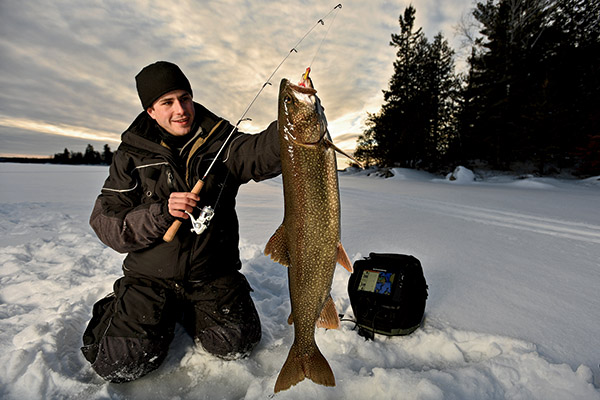
Credit: www.in-fisherman.com
The Science Behind Sensitivity And Short Rods
One of the biggest advantages of a short ice fishing rod is how it transmits vibration. When a fish bites, the movement travels through the rod blank to your hand. The shorter the rod, the less distance the vibration has to travel, so you feel even the smallest nibble.
Material matters too. Most ice rods are made from fiberglass or graphite. Graphite is lighter and more sensitive, but fiberglass is more durable in extreme cold. Some rods combine both materials for the best features.
Here’s a simple comparison of sensitivity in rod materials:
| Material | Sensitivity | Durability | Best For |
|---|---|---|---|
| Graphite | High | Medium | Panfish, jigging |
| Fiberglass | Medium | High | Bigger fish, harsh conditions |
| Composite | Medium-High | High | All-around use |
Choosing the right material helps you match the rod to your fishing style and conditions.
How Small Rods Improve Your Ice Fishing Success
Short rods are not just about fitting into small spaces. They actually help you catch more fish. Here are two key ways they make a difference:
Faster Reaction Time
When a fish bites, you need to set the hook quickly. With a short rod, there’s less slack in the line and less delay between your movement and the hook setting. This means more positive hook-ups, especially with light-biting fish.
More Accurate Jigging
Ice fishing often involves “jigging” — moving the bait up and down to attract fish. A short rod lets you make very precise movements. You can control the speed, depth, and action much better than with a long rod. This is especially useful for species that like subtle motions.
Common Mistakes Beginners Make With Ice Fishing Rods
If you’re new to the sport, it’s easy to make a few common errors with your rod choice or use:
- Picking a rod that’s too stiff for small fish, missing bites.
- Using a rod that’s too long and struggling in a small shelter.
- Not checking the rod’s action (how much it bends) for your target species.
- Forgetting to test the rod for sensitivity before buying.
A good tip is to visit a store and hold the rod in your hand. See how it feels and moves. Don’t just choose based on looks or price — the right rod for you feels comfortable and responsive.
Real-world Example: Catching Walleye Through The Ice
Let’s say you want to catch walleye. This species is common in North America and popular among ice anglers. Walleye bite softly in winter and fight hard when hooked.
Here’s how a small rod helps:
- You can use a sensitive 28–32 inch medium rod.
- The soft tip lets you feel the bite, and the strong backbone lets you lift the fish.
- You can jig with precise movements to attract the walleye.
- When it bites, you set the hook quickly and pull it straight up through the hole.
Anglers who try to use longer rods often miss bites or lose fish at the hole. The right small rod gives you the best chance to succeed.
Ice Fishing Rod Innovations
Modern ice fishing rods are constantly improving. Some of the latest features include:
- Interchangeable tips: Switch between soft and stiff tips for different fish.
- Built-in spring bobbers: Tiny wires at the end of the rod that move with even the lightest bite.
- Glow-in-the-dark markings: Helps you see the rod tip in low light.
- Ergonomic handles: Designed for gloved hands and cold weather.
These innovations show that even a small rod can have advanced technology. It’s not just about size — it’s about making every inch work for you.
Ice Fishing Rods Vs. Tip-ups
Some people use tip-ups instead of rods. Tip-ups are devices you set over the hole, and they raise a flag when a fish bites. While tip-ups are great for passive fishing or targeting big predators, they don’t offer the same sensitivity or control as a rod.
Here’s a quick comparison:
| Feature | Ice Fishing Rod | Tip-Up |
|---|---|---|
| Sensitivity | High | Low |
| Active Fishing | Yes | No |
| Best For | Panfish, walleye, trout | Pike, large predators |
| Space Needed | Minimal | Requires room |
Most serious ice anglers use both, but if you want to feel the action and react to every bite, a small rod is the way to go.
Two Non-obvious Insights About Ice Fishing Rod Size
Most beginners don’t realize these two important points:
- Short rods can protect your hands from the cold. With a long rod, your hand is farther from the hole and more exposed to the wind. A small rod lets you keep your hand close to the ice, sometimes even inside a shelter or glove, reducing heat loss.
- Short rods reduce the risk of line freeze. The less line outside the hole, the less chance it has to freeze in the cold air. This means fewer tangles and less time wasted unthawing your setup.
These small details can make a big difference in comfort and success during a long day on the ice.
Choosing The Right Ice Fishing Rod For You
Picking the right rod depends on your target fish, the type of lures you use, and your personal comfort. Here are a few tips:
- For small fish like perch or bluegill, go with an ultralight, 18–24 inch rod.
- For walleye or trout, a medium power, 24–36 inch rod works best.
- For large fish like pike, use a heavy power rod, up to 38 inches.
- Try to match the rod’s action (how much it bends) to your bait — softer for live bait, firmer for jigging lures.
If you’re unsure, ask a local tackle shop or join an online ice fishing forum. Many experienced anglers share their favorite setups for local conditions.
For more detailed advice on gear, check reputable sources like In-Fisherman.
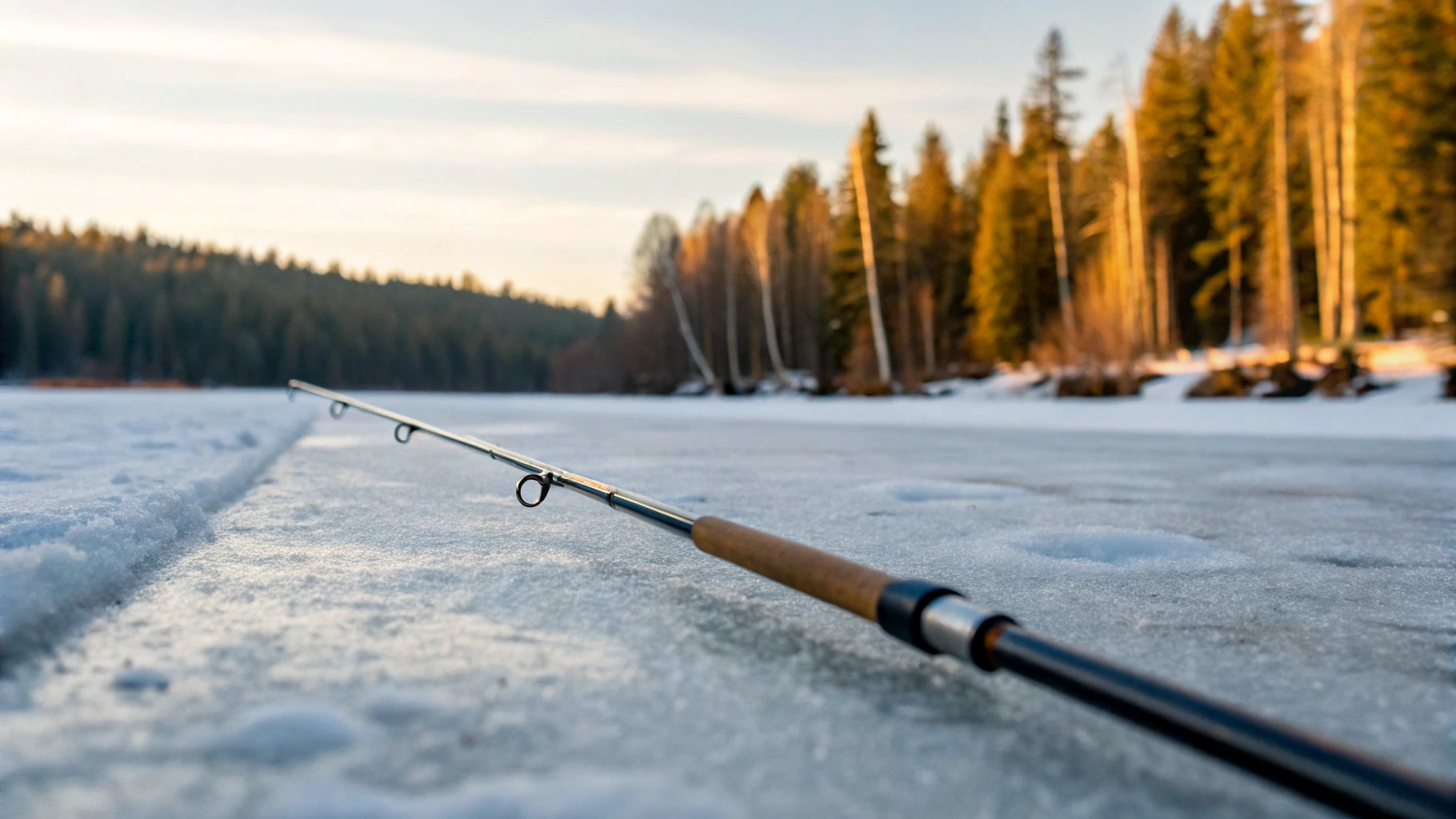
Credit: www.battlbox.com
Frequently Asked Questions
What Length Should An Ice Fishing Rod Be?
Most ice fishing rods are between 18 and 36 inches long. The right length depends on your target fish and the space you have. For small fish and tight shelters, shorter rods (18–24 inches) are ideal. For larger fish or outdoor fishing, choose rods up to 36 inches.
Credit: www.reddit.com
Are Short Rods Strong Enough For Big Fish?
Yes. Ice fishing rods are designed to be strong and flexible. Even though they’re short, they can handle big fish like pike or lake trout when matched with the right line and reel.
Can I Use A Regular Fishing Rod For Ice Fishing?
You can, but it’s not recommended. Regular rods are too long for tight spaces and don’t offer the sensitivity or control needed for ice fishing. Short rods are safer, more comfortable, and more effective in icy conditions.
Why Do Ice Rods Have Such Sensitive Tips?
Fish are less active in winter and bite more gently. A sensitive tip lets you see and feel even the smallest movements, helping you set the hook at the right moment and catch more fish.
Do I Need Different Rods For Different Fish Species?
It helps. Use a lighter, shorter rod for small fish and a heavier, slightly longer rod for big fish. This gives you the right balance of sensitivity, strength, and control for each situation.
Ice fishing is all about adapting to the environment. The small size of ice fishing rods is a smart design choice that fits the unique needs of fishing through the ice. Next time you see someone with a tiny rod on a frozen lake, you’ll know — it’s the perfect tool for the job.