
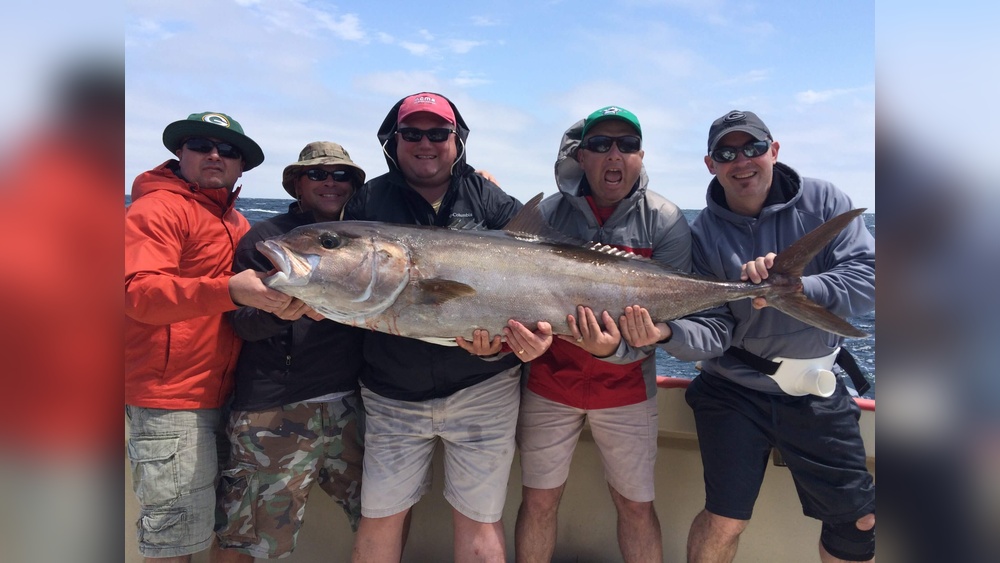
Heading out for deep sea fishing is always exciting. You’re on a boat, feeling the ocean breeze, and hoping for a big catch. But, the right clothing can make or break your trip. What you wear on land is very different from what you need miles from shore. The sun, wind, water, and even fish can be tough on your body and gear. If you get your outfit wrong, you might end up sunburned, soaked, or even cold. Many beginners only think about fishing rods and forget about comfort and safety. In this guide, you’ll learn exactly what to wear deep sea fishing. Whether you’re a total beginner or you just want to stay dry and protected, this article will help you dress smart for your next ocean adventure.
Why Clothing Matters For Deep Sea Fishing
Deep sea fishing is not like fishing at a pond or river. You’ll be far from land, sometimes for hours or even all day. The weather can change quickly. The sun is stronger on the open water. Waves can splash into the boat. Fish can be heavy and slippery. These things mean your clothes need to protect you from sunburn, wind, rain, and even accidents.
Wearing the wrong clothes can lead to:
- Sunburn: The sun’s rays reflect off the water, doubling exposure.
- Chill: Even in warm places, wind and wet clothes make you cold.
- Fatigue: Heavy, wet clothing is tiring to wear.
- Injury: Slippery shoes or no gloves can cause accidents.
Many people don’t realize that most boat injuries are slips and falls. Wet decks and poor footwear are a big reason. Good clothing keeps you comfortable, safe, and focused on fishing—not on fixing your outfit.
Key Factors To Consider When Choosing Deep Sea Fishing Clothing
Before packing your bag, keep these factors in mind:
- Weather: Will it be hot, cold, rainy, or windy? Check the forecast, but prepare for sudden changes.
- Sun Protection: UV rays are stronger at sea and can cause fast sunburn.
- Water Resistance: Splashing is common, even if it’s sunny.
- Comfort: You might be on the boat for hours, so soft, breathable materials matter.
- Safety: Good grip shoes and gloves prevent many injuries.
- Mobility: You’ll need to move quickly, sometimes bend or kneel.
- Storage: Pockets and loops for gear are handy.
Many beginners only prepare for the temperature, not realizing how wet and windy it gets offshore. Layers are your best friend for changing conditions.
Credit: www.doubletimecharters.com
Essential Clothing For Deep Sea Fishing
Let’s break down what you need, piece by piece. Each item plays a role in keeping you safe and comfortable.
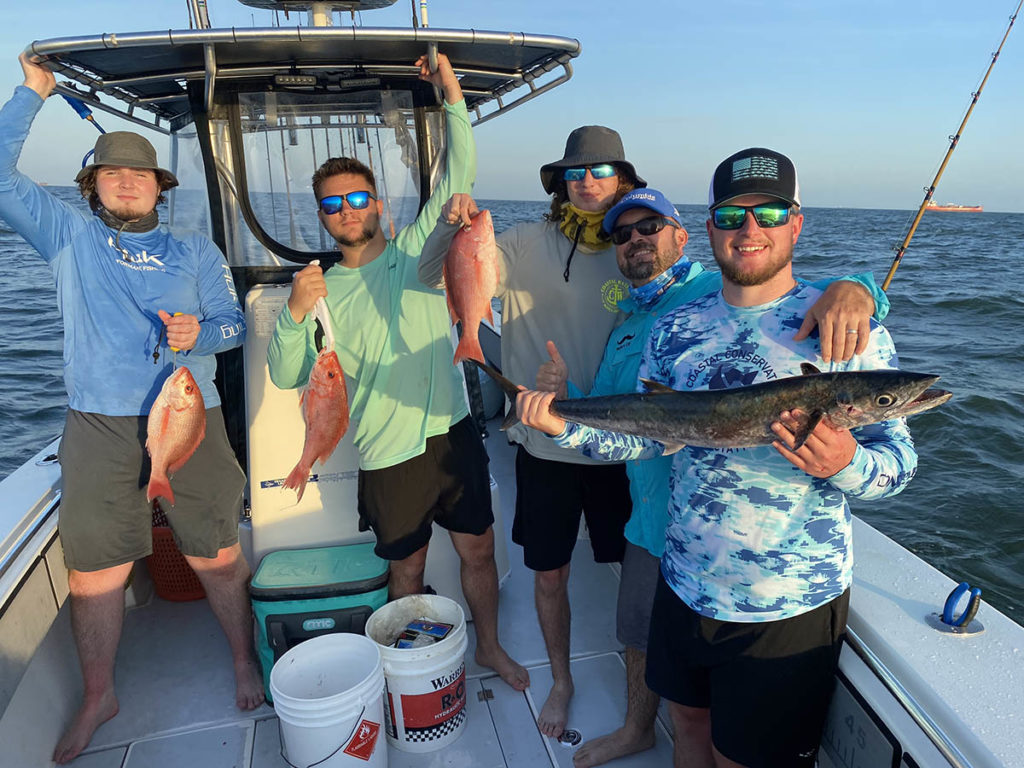
1. Sun-protective Shirt
A long-sleeved, UPF-rated shirt is a must. Light colors reflect sun, and synthetic fabrics dry fast. Cotton stays wet and heavy.
- UPF 30+ or higher: Blocks more than 97% of UV rays.
- Breathable: Mesh panels or vents keep you cool.
- Quick-dry: Avoids chafing and cold from wet fabric.
Non-obvious tip: Some fishing shirts have built-in neck gaiters or thumb holes to protect your hands and neck.
2. Lightweight Fishing Pants Or Shorts
Long pants protect against sun, fish fins, and jellyfish stings. But, in very hot climates, fishing shorts with UPF protection work too.
- Stretch fabric: For easy movement.
- Pockets: Secure storage for pliers, phone, or lures.
- Water-repellent: Keeps you dry after splashes.
Some anglers bring both pants and shorts, changing if it gets too hot or cold.
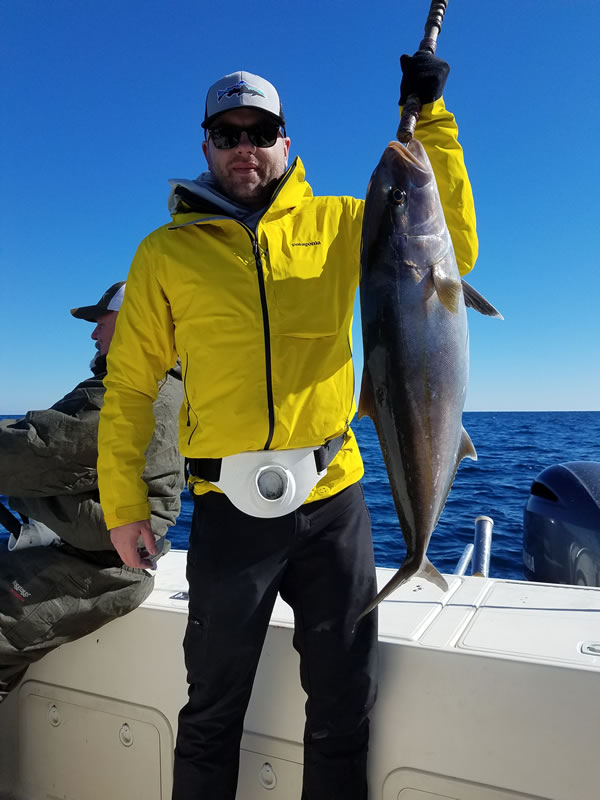
3. Waterproof Or Windproof Jacket
Even on sunny days, a sudden squall can soak you. A waterproof shell (not just “water-resistant”) blocks wind and spray.
- Adjustable hood: For extra protection.
- Pit zips or vents: Let sweat escape.
- Packable: Easy to store if it gets warm.
Many beginners skip the jacket if the forecast is clear, but ocean weather can change fast.
4. Base Layer (for Cold Weather)
If you’re fishing early morning or in cooler seasons, a thermal base layer helps. Choose synthetic or merino wool—never cotton.
- Wicks moisture: Keeps you dry from sweat.
- Adds warmth: Without bulk.
- Easy to layer: Goes under shirts and pants.
If temperatures rise, you can always remove this layer.
5. Hat With Brim
A wide-brimmed hat protects your face, ears, and neck from sunburn. Baseball caps are common but don’t shield the neck.
- Dark under-brim: Reduces glare from the water.
- Chin strap: Keeps it from blowing away.
- Breathable fabric: For comfort in the heat.
A buff or neck gaiter can add even more sun protection.
6. Polarized Sunglasses
Polarized sunglasses are not just for style. They cut glare on the water, helping you see fish below the surface and protecting your eyes.
- UV protection: Look for 100% UVA/UVB blocking.
- Floating straps: Prevent loss if you drop them.
- Amber or copper lenses: Improve contrast in bright conditions.
Many new anglers skip this, but eye strain is real after a day at sea.
7. Deck Shoes Or Non-slip Sandals
Slippery decks cause most injuries on fishing boats. Non-slip shoes are a must.
| Shoe Type | Pros | Cons |
|---|---|---|
| Deck Shoes | Best grip, covers toes, usually waterproof | Can be hot in summer |
| Sandals (with back strap) | Cooler, dry quickly, easy to clean | Less protection for toes |
| Flip-flops | Cheap, easy to wear | Very slippery, no protection, not recommended |
Non-obvious tip: Avoid black soles—they can mark the boat deck.
8. Gloves
Fishing gloves protect your hands from sharp fins, hooks, and line cuts. They also help you grip wet fish.
- Fingerless design: Lets you tie knots easily.
- UV protection: Stops sunburn.
- Rubberized palms: Better grip.
Experienced anglers always keep a spare pair. Wet gloves are common after handling fish.
9. Buff Or Neck Gaiter
A neck gaiter or “buff” is a simple tube of fabric. It shields your neck, face, and ears from sun and wind.
- Breathable: Won’t feel too hot.
- Easy to pull up or down: Adjust as needed.
- Can double as a hat liner: For extra warmth or sweat control.
Most people don’t realize how easy it is to burn your lips and ears at sea.
10. Waterproof Bag Or Dry Sack
Spare clothes, electronics, and snacks stay safe in a waterproof bag.
- Roll-top closure: For best water protection.
- Shoulder strap: Easy to carry on and off the boat.
- Clear window: To see contents.
Some anglers bring two—one for clothes, one for electronics.
11. Socks (if Wearing Closed Shoes)
Synthetic or wool socks dry quickly and prevent blisters. Cotton socks get soggy and cold.
- Midweight: Not too thick for hot days.
- Seamless toe: Less rubbing.
- Extra pair: In case they get wet.
If you wear sandals, skip socks. But for long trips, socks are more comfortable with deck shoes.
12. Rain Pants Or Bibs
A waterproof bib or rain pants keep your lower half dry in rough seas or rain.
- Adjustable straps: Fit over your regular clothes.
- Zippered legs: Easy to put on over boots.
- Reinforced knees: Good for kneeling to land big fish.
Some fishing charters provide rain gear, but it’s better to bring your own for proper fit.
13. Personal Flotation Device (pfd)
Many boats supply life jackets, but a comfortable, fishing-specific PFD is safer—especially for kids and non-swimmers.
- Lightweight: Won’t restrict movement.
- Pockets: For small gear.
- Automatic-inflate: Only inflates when needed.
Even strong swimmers wear PFDs offshore—help is far away if something goes wrong.
Layering For Changing Weather
One of the smartest things you can do is layer your clothing. This lets you adjust as the weather changes without getting too hot or cold.
| Layer | Purpose | Material |
|---|---|---|
| Base Layer | Wicks sweat, keeps you dry | Synthetic or merino wool |
| Mid Layer | Adds warmth (optional) | Fleece or lightweight jacket |
| Outer Layer | Blocks wind, rain, spray | Waterproof shell |
Non-obvious insight: Even in tropical places, early mornings can be chilly. Layers help you stay comfortable from sunrise to afternoon.
Credit: galvestonseaventures.com
What Not To Wear Deep Sea Fishing
Many beginners make clothing mistakes that can ruin their trip. Here are some things to avoid:
- Cotton shirts or jeans: Stay wet, get heavy, and cause chafing.
- Flip-flops: Easy to slip, no protection.
- Dark clothes: Absorb heat, increase risk of overheating.
- Loose jewelry: Can get caught on gear.
- Perfume or scented lotions: Attract insects and can bother fish.
- Short shorts: No sun or jellyfish protection.
- Open-toed shoes: No defense against hooks or dropped gear.
Wearing the wrong gear can turn a fun trip into a cold, wet, or painful experience.
Packing List For Deep Sea Fishing
To make your trip easy, here’s a simple checklist for what to wear and bring:
- Long-sleeved, UPF-rated shirt
- Lightweight fishing pants or shorts (plus base layer if cold)
- Waterproof or windproof jacket
- Wide-brimmed hat
- Polarized sunglasses with strap
- Deck shoes or non-slip sandals (no flip-flops)
- Fishing gloves
- Neck gaiter or buff
- Waterproof bag or dry sack
- Synthetic or wool socks (if wearing shoes)
- Rain pants or bibs (optional)
- Personal flotation device (if not supplied)
- Extra set of clothes (in dry sack)
- Sunscreen (reef-safe)
- Lip balm with SPF
- Reusable water bottle
Add or subtract items based on the season and your own comfort.
Special Considerations For Different Conditions
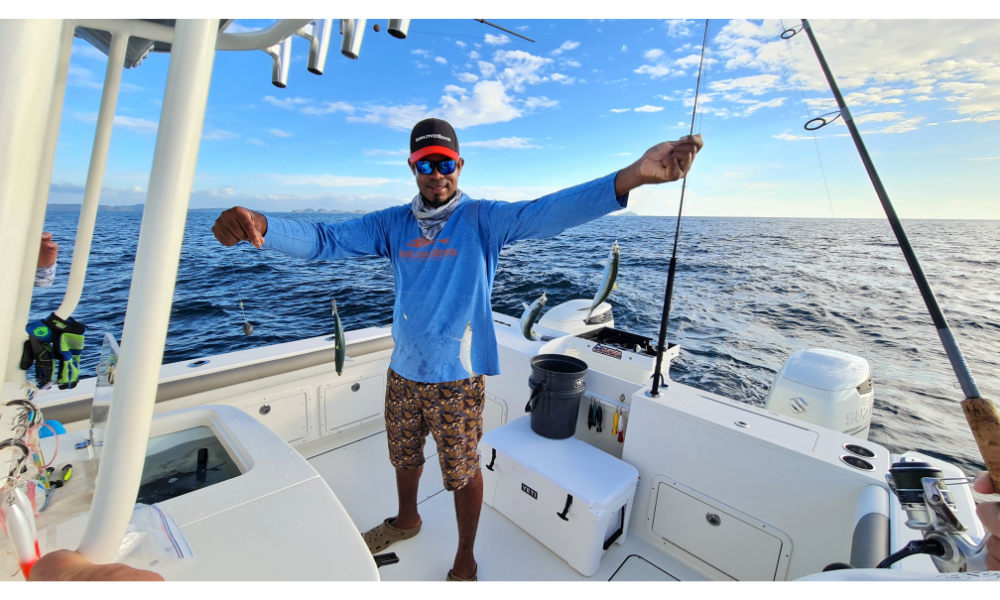
Hot And Sunny Weather
In tropical places, the main risk is sunburn and dehydration. Focus on:
- UPF clothing
- Wide-brimmed hat
- Neck gaiter
- Plenty of water
Non-obvious tip: Wear light, loose-fitting clothes, but always cover your skin instead of relying only on sunscreen.
Cold Or Rainy Weather
Early mornings or northern waters can be surprisingly cold.
- Thermal base layer
- Insulated mid layer
- Waterproof outer layer
- Warm hat (under your brimmed hat)
- Extra gloves and socks
A rainstorm offshore is much colder than on land, so overprepare.
Overnight Or Multi-day Trips
You’ll need to pack extra layers, underwear, and maybe a change of shoes.
- Multiple base layers: One for each day.
- Dry sack: For dirty/wet clothes.
- Headlamp: For early or late fishing.
Non-obvious insight: Bring a pair of dry “camp shoes” for relaxing after fishing.
Clothing For Kids And Beginners
Children and first-timers need extra care:
- Bright clothing: Easier to spot on deck.
- Properly fitted PFD: Never “one size fits all.”
- Sun hat with chin strap: Won’t blow away.
- Extra snacks and water: Kids tire and dehydrate faster.
Kids’ skin burns much faster than adults, so reapply sunscreen often.
Women’s Clothing Tips
Many fishing clothes are unisex, but some brands make women’s-specific gear.
- Fitted shirts and pants: More comfortable, less baggy.
- Sports bra: For support and quick drying.
- Hair ties or buffs: To keep hair out of the way.
Non-obvious tip: Some women use men’s rain pants for extra room and comfort.
How To Choose The Best Materials
Fishing clothes are made from different fabrics. Each has pros and cons.
| Material | Best Use | Drawbacks |
|---|---|---|
| Polyester | Shirts, pants, base layers | Can hold odor |
| Nylon | Jackets, pants | Not as soft as polyester |
| Merino Wool | Base layers (cold) | Expensive, slower to dry |
| Cotton | Never recommended | Stays wet, heavy, chafes |
Synthetic blends (polyester/nylon) are usually best for deep sea fishing.
Additional Safety Tips
- Always wear your life vest when fishing offshore, especially if seas are rough.
- Secure your sunglasses and hat with straps so you don’t lose them overboard.
- Keep a spare set of dry clothes in your waterproof bag.
- Let someone know your trip plan before heading out.
For more information on safe fishing practices and gear, check resources like the National Weather Service.
Frequently Asked Questions
What Shoes Are Best For Deep Sea Fishing?
Non-slip deck shoes or sandals with a back strap are best. They keep you steady on wet decks. Avoid flip-flops or open-toed shoes, as they can cause slips or injuries.
Should I Wear Jeans For Deep Sea Fishing?
No. Jeans get heavy and cold when wet. They also dry slowly and can cause chafing. Use lightweight, quick-dry fishing pants or shorts for more comfort and safety.
Do I Really Need A Waterproof Jacket If The Forecast Is Clear?
Yes. Weather can change quickly at sea. Even if it looks sunny, a sudden rain or splash from a big wave can soak you. A waterproof jacket also blocks wind and keeps you warm.
Are Fishing Gloves Necessary For Beginners?
Yes. Gloves protect your hands from sharp fins, hooks, and fishing lines. They also help you grip slippery fish and avoid blisters if you’re handling rods for hours.
What’s The Best Way To Protect Against Sunburn While Fishing?
Wear UPF-rated long sleeves, a wide-brimmed hat, a buff, and polarized sunglasses. Reapply sunscreen often, especially to your hands and ears. Clothing is better protection than sunscreen alone.
Deep sea fishing is much more enjoyable when you’re dressed right. The right clothing keeps you safe, comfortable, and focused on the thrill of the catch. With the tips above, you’ll be ready for whatever the ocean brings—and you’ll look like you know what you’re doing, even if it’s your first trip.
Credit: fishpanamatoday.com