
Nymphing is a special technique in fly fishing that often feels like a secret weapon for catching trout and other freshwater fish. Many anglers discover nymphing after struggling to catch fish on dry flies, especially when fish ignore everything on the surface. If you ever wondered why some people catch more fish than others, nymphing is a big reason. This method targets fish where they spend most of their time—underwater, feeding on insect larvae and nymphs. Understanding nymphing can change your fishing success, making days on the water more exciting and productive.
The Basics Of Nymphing
Nymphing is a method in fly fishing where you use artificial flies that imitate immature insects called nymphs. Most freshwater fish, especially trout, feed on these nymphs below the surface. Unlike dry fly fishing, where the fly floats on top, nymphing focuses on getting the fly down in the water column. This approach is effective because, according to research, more than 80% of a trout’s diet is made up of underwater insects.
The main goal is to make the fly drift naturally, mimicking real insects. To do this, anglers use weighted flies or add split shot to their line. Nymphing can be done in rivers, streams, and lakes, but it’s especially popular in moving water where fish hold in deeper pockets.
Types Of Nymphing Techniques
There are several ways to nymph, each with its own style and advantages. Choosing the right method depends on water conditions, fish behavior, and personal preference.
1. Indicator Nymphing
This is the most common nymphing method. Anglers attach a strike indicator (a small float) to their leader, which helps detect bites. When a fish takes the fly, the indicator moves or stops. This method is great for beginners because it’s easy to see when a fish bites.
2. Euro Nymphing
Also known as tight-line nymphing, this technique uses a long leader and no indicator. Anglers keep direct contact with their flies, feeling bites through the rod. Euro nymphing is very effective in fast, shallow streams. Many competitive anglers use this method because it offers precise control.
3. Czech Nymphing
This method is similar to Euro nymphing but focuses on short drifts and heavy flies. Czech nymphing is used in turbulent water, where fish stay close to the bottom. The angler keeps the rod high and leads the flies through the drift.
4. Traditional Wet Fly Nymphing
Older styles use classic soft-hackle flies that imitate emerging insects. Wet fly nymphing can be less technical but still effective, especially during insect hatches.

Credit: www.flyfisherman.com
Why Nymphing Works So Well
Fish spend most of their time feeding below the surface. Nymphs are always available, unlike dry flies that only hatch sometimes. When you nymph, you target fish where they are comfortable and hungry. In rivers, trout often sit behind rocks or in deep pools, waiting for food to drift by.
One non-obvious insight: Fish often ignore surface flies when they are not actively feeding. Even during a hatch, many fish eat nymphs rising in the water, not just the adults on top. Knowing this helps you catch fish even when you don’t see any rising.
Essential Gear For Nymphing
Choosing the right gear is important for nymphing. You don’t need the most expensive equipment, but some features make the process easier.
Rods
A standard fly rod (9 feet, 4–6 weight) works for indicator nymphing. For Euro or Czech nymphing, longer rods (10–11 feet) help control the drift and reach further.
Reels
Any reel with a smooth drag is suitable. Nymphing doesn’t require fast retrieves, so focus on reliability.
Lines
Most anglers use floating lines, but for Euro nymphing, a thin, specialized line gives better sensitivity.
Leaders
Leaders are longer than usual—sometimes up to 12 feet. Thinner tippet (4X–6X) helps present flies naturally.
Flies
Nymph flies come in many styles. Some popular patterns are Pheasant Tail, Hare’s Ear, and Prince Nymph. Weighted flies or bead-head nymphs sink quickly.
Strike Indicators
For indicator nymphing, foam or yarn indicators are common. Choose bright colors for visibility.
Weights
Split shot or tungsten putty helps get flies deeper, especially in fast water.
Below is a comparison of rod types for different nymphing methods:
| Rod Type | Length | Best For | Advantages |
|---|---|---|---|
| Standard Fly Rod | 9 ft | Indicator Nymphing | Easy handling, versatile |
| Long Euro Rod | 10–11 ft | Euro/Czech Nymphing | Better reach, improved control |
| Soft-Hackle Rod | 8–9 ft | Wet Fly Nymphing | Good for swinging flies |
How To Nymph: Step-by-step Guide
Learning to nymph is about practice and paying attention to details. Here’s a simple step-by-step guide:
- Choose Your Fly: Pick a nymph that matches the insects in the water.
- Rig Up: Attach your leader, tippet, and fly. Add weight if needed.
- Attach Indicator: Place it 1.5 times the water depth from your fly.
- Cast Upstream: Aim above where you think fish are holding.
- Mend Line: Adjust your line to reduce drag and keep the fly drifting naturally.
- Watch the Indicator: Look for any movement. Sometimes, bites are very subtle.
- Set the Hook: If the indicator stops or twitches, lift the rod quickly.
- Play the Fish: Use gentle pressure to bring the fish in.
Many beginners make the mistake of not setting the hook quickly. Fish often spit out the fly in less than a second. Another common mistake is using too much weight, which makes the fly look unnatural.
Reading Water For Nymphing Success
Knowing where to fish is just as important as how you fish. Fish hold in certain spots for safety and feeding.
Key Spots
- Runs and riffles: Fast-moving water with rocks is a food-rich area.
- Pools: Deep, slow water attracts larger fish.
- Seams: Where fast and slow water meet, insects gather and fish feed.
- Behind rocks: Fish use rocks for shelter and feeding.
Look for subtle changes in water speed or depth. Fish often sit just outside strong currents, waiting for food to drift by.

Credit: news.orvis.com
Popular Nymph Patterns
Choosing the right nymph pattern can make a big difference. Here are some favorites:
- Pheasant Tail Nymph: Imitates many mayfly nymphs.
- Hare’s Ear Nymph: Works almost everywhere.
- Prince Nymph: Attractive and effective in fast water.
- Copper John: Heavy and sinks fast.
- Zebra Midge: Great for small streams.
- Stonefly Nymph: Used in rivers with large stoneflies.
- San Juan Worm: Simple but works well.
- Frenchie: Used in Euro nymphing, imitates many insects.
- Caddis Larva: Good during caddis hatches.
- WD-40: Imitates small mayfly nymphs.
Below is a comparison of three popular nymph patterns:
| Pattern | Best Water | Sinking Speed | Target Fish |
|---|---|---|---|
| Pheasant Tail | Rivers/Streams | Medium | Trout, Grayling |
| Copper John | Fast Water | Fast | Trout |
| Zebra Midge | Small Streams | Slow | Trout |
Advanced Nymphing Tips
Once you master the basics, you can try advanced techniques to catch more fish.
- Double Nymph Rig: Use two flies at once, one heavy and one light. This covers different depths and attracts more fish.
- Adjusting Depth: Change the indicator or weight to fish at the right depth. Fish rarely feed in the same place all day.
- Sight Nymphing: Look for fish and target them directly. This is challenging but rewarding.
- Micro-Drifts: Make short casts and keep the line tight for better control.
A non-obvious insight: Fish often feed in shallow water early and late in the day. Many anglers miss these opportunities by only fishing deep pools.
Common Mistakes In Nymphing
Even experienced anglers make mistakes. Avoid these to improve your success:
- Too Much Drag: The fly moves unnaturally if the line is not mended.
- Ignoring Subtle Bites: Sometimes, the indicator barely moves.
- Fishing Only Deep Water: Fish feed in shallow areas too.
- Not Changing Flies: If you don’t get bites, switch patterns.
- Using Heavy Tippet: Thick line scares fish and reduces bites.
Nymphing Vs. Dry Fly Fishing
Many people wonder how nymphing compares to dry fly fishing. Both methods have strengths, but nymphing often catches more fish.
| Aspect | Nymphing | Dry Fly Fishing |
|---|---|---|
| Success Rate | High | Medium |
| Difficulty | Medium | Easy |
| Visibility | Low | High |
| Target Fish | All sizes | Often small |
| Best Conditions | Anytime | During hatches |
Nymphing In Different Water Conditions
Adapting your nymphing technique to water conditions is key.
Fast Water
Use heavy flies and short drifts. Fish hold close to the bottom, so get your fly down quickly.
Slow Water
Try lighter flies and longer drifts. Fish are more cautious, so use thin tippet.
Muddy Water
Bright or large nymphs work better. Fish rely on movement and silhouette.
Cold Water
Fish are sluggish. Fish slower and deeper, with small flies.
Seasonal Nymphing
Nymphing works all year, but knowing how insects change can improve your results.
- Spring: Many insects hatch. Use mayfly and caddis nymphs.
- Summer: Fish feed all day. Try a variety of patterns.
- Fall: Fish prepare for winter. Stonefly and large nymphs are good.
- Winter: Fish are slow. Small midges and slow presentations work best.
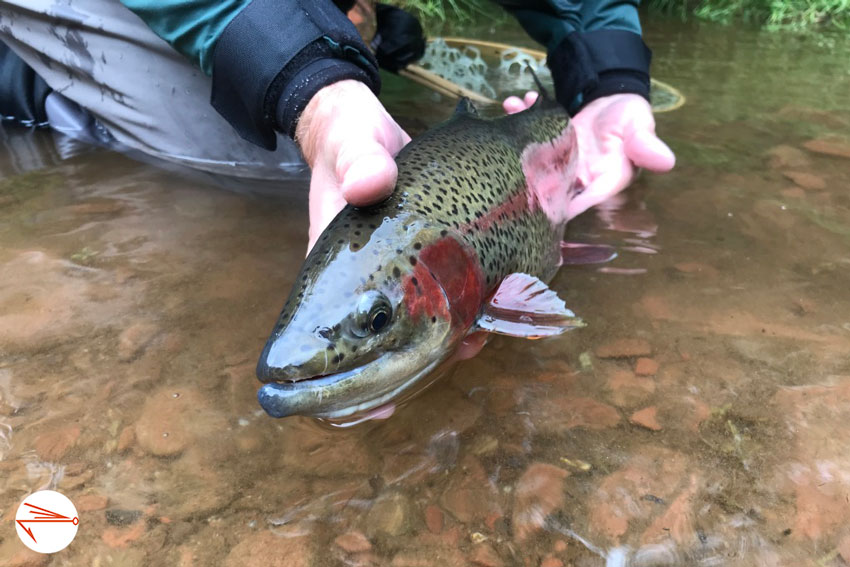
Credit: flyfishingfix.com
Safety And Conservation
Nymphing often means wading in rivers. Always check water depth before stepping. Wear a wading belt and use a wading staff for safety. Practice catch-and-release to protect fish populations. Use barbless hooks to reduce injury.
Following local regulations is important. For more about fishing rules and conservation, visit the U.S. Fish & Wildlife Service.
Frequently Asked Questions
What Is The Best Fly For Nymphing?
There is no single best fly. Pheasant Tail Nymph and Hare’s Ear Nymph are popular choices because they work in many waters. Try matching the local insects for best results.
How Deep Should I Fish My Nymph?
Fish your nymph about 1.5 times the water depth. Adjust your indicator or add weight until your fly drifts near the bottom without snagging often.
Can Nymphing Be Used For Other Fish Besides Trout?
Yes, nymphing works for grayling, bass, and even carp. Match your fly and gear to the fish species and water conditions.
What Is The Difference Between Euro Nymphing And Indicator Nymphing?
Euro nymphing uses a long leader and no indicator, relying on direct contact and feel. Indicator nymphing uses a float to signal bites, which is easier for beginners.
Do I Need Special Equipment For Nymphing?
You can start with standard fly fishing gear. Specialized rods and lines improve control, but are not required. Weighted flies and indicators are helpful.
Nymphing in fly fishing is a skill that anyone can learn, but mastering it takes practice and attention to detail. The technique lets you catch fish when other methods fail, and it opens up new possibilities in rivers, streams, and lakes.
With the right gear, a sense of curiosity, and an understanding of underwater insect life, you can enjoy consistent success. The next time you’re on the water, try nymphing—your results might surprise you.