
Shore fishing is one of the most popular ways to catch fish. You do not need a boat, expensive gear, or deep water. Just find a good spot along the coast, riverbank, or lake, and you are ready to fish.
But what bait should you use to catch fish from the shore? Many beginners think any bait will work, but the truth is, the right bait can make a big difference. Using the best bait means more bites, bigger fish, and less wasted time.
In this guide, you will learn which bait works best for shore fishing, how to choose based on your target species, and practical tips to boost your success.
Why Bait Matters In Shore Fishing
Choosing the right bait is not only about catching more fish; it is about catching the type and size of fish you want. Shore fishing usually means you are fishing in shallower water. Fish are closer to land and often feed on different foods than those found in deeper areas. The bait you use can affect:
- What species you attract
- How many bites you get
- How easy it is to hook the fish
For example, if you use bread, you might catch smaller fish like bluegill or carp. If you use live shrimp, you might catch bigger fish like redfish or snook. Understanding the bait types and their purpose helps you fish smarter.
Types Of Bait For Shore Fishing
There are many types of bait. Some are natural, some are artificial. Each type has its own advantages and disadvantages.
Natural Bait
Natural bait is what fish eat in their environment. It is usually more attractive to fish because it smells and looks real.
Live Bait
Live bait is the top choice for many shore anglers. Fish respond strongly to movement and smell.
- Worms: Nightcrawlers and red wigglers work well for freshwater fishing. They attract bass, catfish, bluegill, and even trout.
- Minnows: Small fish like minnows are great for catching predatory fish such as bass, crappie, and walleye.
- Shrimp: Live shrimp are a favorite in saltwater fishing. They attract species like redfish, snook, and sea trout.
- Crabs: Small crabs, especially fiddler crabs, are excellent for targeting sheepshead and drum.
- Sandworms and Bloodworms: These are common along the coast and attract striped bass, flounder, and perch.
Cut Bait
Cut bait is pieces of fish or other marine animals. It is easier to prepare and keeps longer than live bait.
- Mullet: Chunks of mullet are effective for saltwater species.
- Squid: Slices of squid are tough and stay on the hook longer.
- Sardines: These oily fish release strong scent, attracting predators.
Other Natural Bait
- Corn: Used for carp and panfish.
- Bread: Good for small fish, especially in ponds and lakes.
Artificial Bait
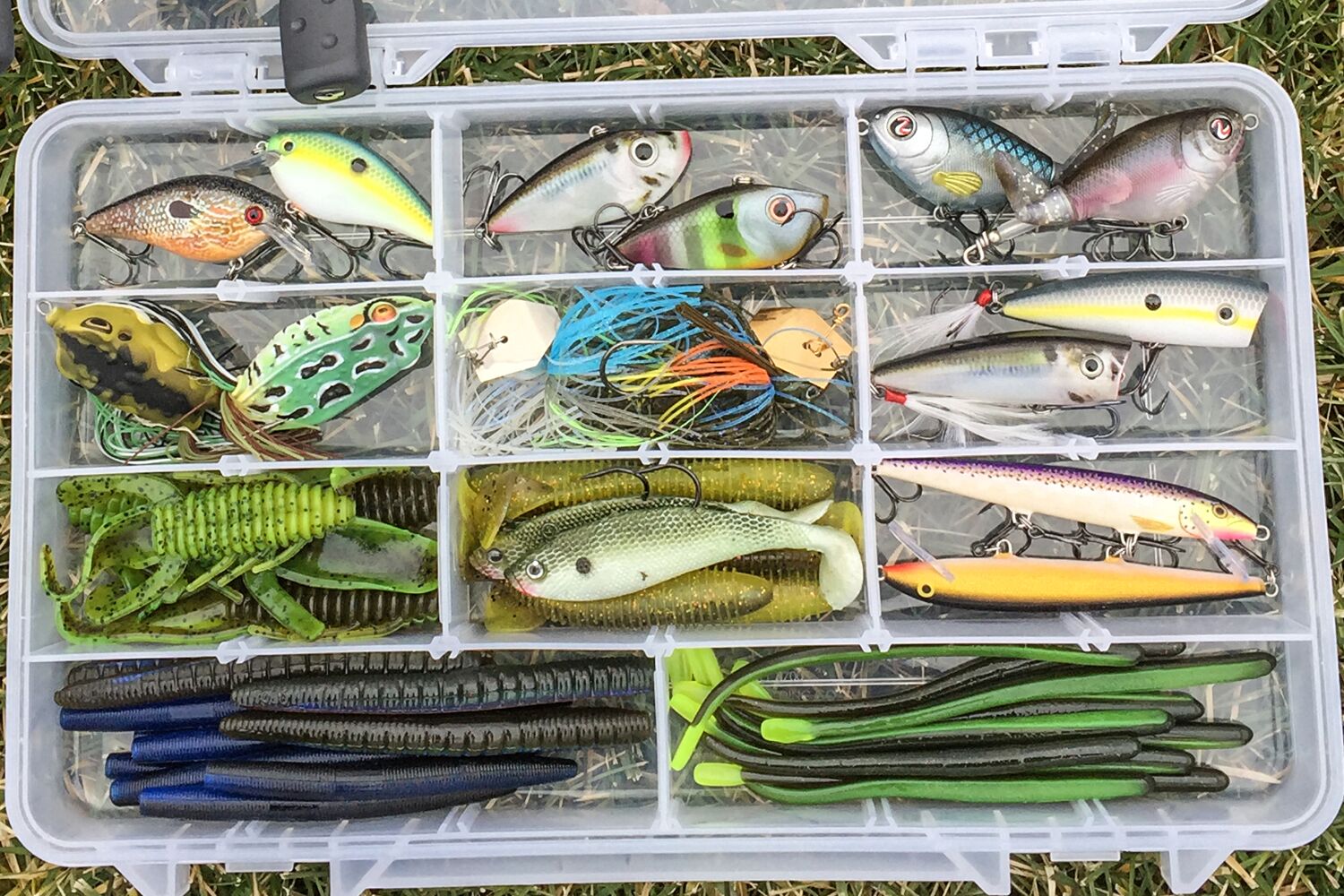
Artificial bait is made to look, smell, and move like real food. It is popular because it is easy to use, reusable, and less messy.
- Soft Plastics: Worms, grubs, and minnows made from soft plastic are flexible and can mimic the movement of live bait.
- Hard Lures: These include crankbaits, spoons, and plugs. They work well for active fish.
- Spinnerbaits: The flashing and spinning action attracts fish from a distance.
- Jigs: Weighted hooks with colorful skirts or bodies, great for both freshwater and saltwater.
| Bait Type | Best For | Pros | Cons |
|---|---|---|---|
| Live Worms | Freshwater (bass, catfish) | Natural scent, movement | Can die easily, messy |
| Soft Plastics | Freshwater & Saltwater | Reusable, variety | Less scent, requires technique |
| Cut Mullet | Saltwater (redfish, drum) | Strong scent, easy to use | Requires fresh supply |
| Shrimp | Saltwater | Attracts many species | Short shelf life |
Credit: www.floridasportsman.com
Choosing Bait Based On Water Type
Not all water is the same. The best bait depends on whether you are fishing in freshwater or saltwater.
Freshwater Shore Fishing
If you are fishing in lakes, rivers, or ponds, you will usually target bass, catfish, bluegill, carp, and trout. These fish prefer natural baits found in their environment.
- Bass: Use live minnows, worms, or soft plastic lures.
- Catfish: They like strong-smelling bait. Try chicken liver, cut bait, or stink bait.
- Bluegill: Small worms, crickets, or tiny jigs work well.
- Carp: Corn, dough balls, or bread are effective.
- Trout: Nightcrawlers, salmon eggs, or small spinners.
Saltwater Shore Fishing
Saltwater fish are often larger and more aggressive. You will find redfish, snook, flounder, sea trout, striped bass, and more.
- Redfish: Use live shrimp, cut mullet, or crab.
- Snook: Live bait like pilchards or artificial jerkbaits.
- Flounder: Small minnows, mud minnows, or scented soft plastics.
- Sea Trout: Shrimp, small baitfish, or topwater plugs.
- Striped Bass: Sandworms, bloodworms, or cut bait.
| Species | Best Bait | Water Type |
|---|---|---|
| Bass | Live minnows, soft plastics | Freshwater |
| Redfish | Live shrimp, cut mullet | Saltwater |
| Carp | Corn, bread | Freshwater |
| Flounder | Small minnows, mud minnows | Saltwater |
| Catfish | Chicken liver, stink bait | Freshwater |
Factors To Consider When Choosing Bait
Selecting the right bait is not only about what fish like. Several factors can affect your choice.
Water Conditions
- Clear Water: Fish rely more on sight. Use natural-colored bait or lures that look like real food.
- Murky Water: Fish use smell and vibration. Choose bait with strong scent or bright colors.
Season And Weather
Fish feeding habits change with the seasons.
- Spring: Fish are active after winter. Use live bait or moving lures.
- Summer: Fish go deeper during hot days. Use heavier bait or fish early/late.
- Fall: Fish feed heavily. Use bigger bait and faster lures.
- Winter: Fish are slower. Use smaller bait and slow-moving lures.
Weather also matters. Overcast days are good for bright lures, while sunny days work best with natural colors.
Local Regulations
Some areas have rules about what bait you can use. Always check local fishing regulations before you start. Some places ban live bait to protect native species.
Practicality And Availability
Sometimes the best bait is what you can get easily. If you cannot find live shrimp, use cut bait or soft plastics. If you are fishing in a remote area, bring artificial lures—they are easy to carry and store.
How To Prepare And Use Bait For Shore Fishing
Using bait the right way is as important as choosing it. Here are practical steps for preparing and using bait.
Preparing Live Bait
- Keep it fresh: Use a bait bucket with water or a cooler.
- Handle gently: Do not squeeze or injure the bait.
- Hook properly: Hook through the lips or back to allow natural movement.
Preparing Cut Bait
- Use sharp knife: Cut bait into pieces sized for your target fish.
- Remove bones: Bones can make hooking difficult.
- Keep refrigerated: Store cut bait in a cooler until use.
Using Artificial Bait
- Choose the right size: Match the lure size to the fish you target.
- Use proper technique: Retrieve the lure at the right speed.
- Add scent: Some artificial lures allow you to add scent for more attraction.
Casting And Retrieving
- Cast near structure: Fish often hide near rocks, piers, or grass.
- Vary retrieve speed: Sometimes fast or slow retrieves work better.
- Watch for bites: Pay attention to line movement or tugs.
Common Bait Mistakes For Shore Fishing
Many beginners make errors that reduce their chances of catching fish.
- Using the wrong bait for the species: Not all fish eat the same food.
- Using dead or dry bait: Old bait loses scent and appeal.
- Improper hook size: Hooks too big or too small can scare fish or miss bites.
- Ignoring water conditions: Clear vs. murky water needs different bait.
- Overusing artificial lures: Sometimes natural bait is needed, especially when fish are picky.
One insight many beginners miss is that fish may change their feeding habits during the day. Early morning and late evening are often the best times for shore fishing, so adjust your bait and technique based on the time.
Bait Storage And Handling Tips
Good bait is useless if it is not fresh. Here are ways to keep bait in top condition.
- Use insulated bait containers: Keeps live bait cool and alive longer.
- Change water often: For live bait, fresh water is important.
- Store artificial bait in dry boxes: Moisture can damage soft plastics.
- Keep cut bait on ice: Prevents spoilage and keeps scent strong.
Many shore anglers overlook the importance of bait storage, but keeping bait fresh is one of the simplest ways to catch more fish.
Advanced Bait Strategies For Shore Fishing
Once you know the basics, you can try advanced bait strategies to catch more or bigger fish.
Double Bait Rig
Use two types of bait on one rig. For example, a worm and a soft plastic lure. This increases your chances, especially when fish are picky.
Chumming
Chumming means throwing small pieces of bait into the water to attract fish. Use crushed bread, fish bits, or shrimp pieces. This works well for carp, catfish, and saltwater species.
Scent Boosters
Add scent gels or sprays to artificial bait. Fish will follow the smell, even in murky water.
| Strategy | Effectiveness | Best For |
|---|---|---|
| Double Bait Rig | High | Picky fish, mixed species |
| Chumming | Medium | Carp, catfish, saltwater |
| Scent Boosters | Medium-High | Murky water, slow fish |

Credit: www.pensacolasurffishing.com
Bait Recommendations For Popular Shore Fishing Locations
Different locations require different bait. Here are examples for common shore fishing spots.
Beaches
- Sandworms, shrimp, and cut bait work well for surf fishing.
- Use heavy weights to keep bait in place.
Piers And Docks
- Live minnows, crabs, and squid attract fish hiding under structures.
- Try jigs for active fish.
Riverbanks
- Worms, crickets, and dough balls are best for freshwater species.
- Use light tackle for shy fish.
Rocky Shores
- Crabs, cut fish, and artificial lures work for species like sheepshead and striped bass.
- Cast near rocks for best results.
Responsible Bait Use And Conservation
Fishing is fun, but it is important to protect the environment. Here are tips for responsible bait use:
- Use local bait: Reduces risk of introducing new species.
- Dispose of unused bait properly: Do not dump live bait into water.
- Follow regulations: Some areas limit bait types for conservation.
- Choose biodegradable artificial bait: Reduces pollution.
If you want to learn more about fishing regulations and conservation, visit the U.S. Fish & Wildlife Service.
Credit: midwestoutdoors.com
Frequently Asked Questions
What Is The Best Bait For Shore Fishing Beginners?
For most beginners, live worms or shrimp are easy to use and attract many fish. They are simple to hook and keep alive with a bait bucket. Soft plastic lures are also good because they are reusable and less messy.
Can I Use Artificial Bait For Shore Fishing?
Yes, artificial bait works well, especially in clear water and for aggressive species. Soft plastics, jigs, and spinners can catch bass, trout, and saltwater fish. Adding scent can boost results in murky water.
How Do I Keep Bait Fresh When Fishing From Shore?
Use an insulated bait bucket or cooler. Change water often for live bait. Keep cut bait on ice, and store artificial lures in dry, sealed boxes. Always prepare bait just before you fish for the best results.
What Bait Should I Use For Saltwater Shore Fishing?
Live shrimp, cut mullet, and crabs are top choices. Artificial lures like jerkbaits and scented soft plastics are also effective. Check local regulations, as some areas ban certain live bait types.
Are There Rules About Bait In Public Fishing Spots?
Yes, many places have bait regulations. Some ban live bait to protect local fish, while others limit types of artificial lures. Always check local laws before fishing to avoid fines or harming the environment.
Shore fishing is simple but rewarding. With the right bait and smart strategies, you can catch more fish and enjoy the outdoors. Remember, the best bait is not always the most expensive or complicated—it is what works for your local water, your target