
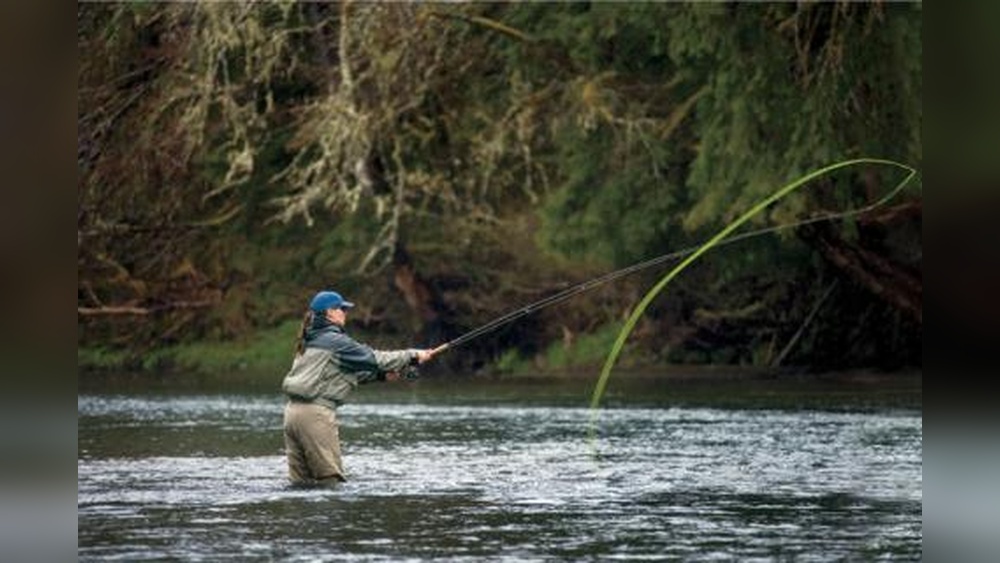
Is Trout Fishing Good In The Rain
The idea of standing by a river with rain falling on your shoulders may not sound appealing at first. Yet, for many anglers, rainy days can offer some of the most exciting and productive trout fishing experiences. Some even say that the best time to catch trout is when the weather turns wet. But is that really true? And if so, why does rain affect trout behavior? Understanding the science, the myths, and the practical realities of fishing for trout in the rain can help you decide whether to pack up your gear when the clouds roll in or head out with confidence.
In this article, you’ll learn how rain changes the water, the trout, and your fishing strategies. You’ll discover real-world tips from experienced anglers, safety considerations, and how to make the most of every rainy outing. By the end, you’ll know exactly how to answer the question: Is trout fishing good in the rain?
How Rain Affects Trout And Their Habitat
Understanding how rain transforms a river or stream is key to successful trout fishing. Rain doesn’t just make things wet—it changes water temperature, clarity, oxygen levels, and food availability. All these factors influence how and where trout behave.
Changes In Water Temperature
Rain often cools down the surface temperature of lakes and streams, especially during hot weather. Trout prefer cool water (generally between 50°F and 65°F). If the water has been too warm, a rain shower can bring temperatures back into a comfortable range for trout, making them more active. This is especially true in late spring and summer.
However, if the water is already cold, heavy rain may drop the temperature further and slow down trout metabolism. In these cases, you may need to adjust your approach and fish deeper or slower.
Water Clarity And Visibility
Rain can make water cloudy or muddy by washing in dirt, leaves, and other debris from the banks. At first, this can confuse trout, but soon after, it often gives them a sense of security. They are less likely to see predators (and more likely to come out from cover), so they may feed more aggressively.
But if the water turns extremely muddy, trout may have trouble seeing your lure or fly. In these conditions, using brighter colors or lures that make noise can help trout find your bait.
Oxygen Levels
Fresh rainwater increases the dissolved oxygen in streams and rivers. Higher oxygen levels make trout more comfortable and can boost their feeding activity. This effect is strongest in the first hours after a rain starts.
Food Supply
Rain washes insects, worms, and other small creatures into the water. Trout often position themselves near inflows (like small streams or ditches) where the new food is entering. This increased food supply can trigger a feeding frenzy, making trout less cautious and easier to catch.
Water Flow And Current
Rain increases the current in rivers and streams. Trout may move to the edges of fast water, behind rocks, or into slower pools where they can rest and wait for food to drift by. Understanding where trout hold during high water is critical to success.
The Science: Why Trout Feed More In The Rain
Many anglers notice that trout often bite better just before, during, or after a rain. There are scientific reasons for this behavior.
- Lower Pressure: Rain is often linked to a drop in barometric pressure. Trout sense this change and may become more active as they prepare for a possible change in weather or food supply.
- Disguised Presence: Rain disturbs the surface, making it harder for trout to see predators (and fishermen). This extra security can make them less cautious.
- Sudden Food Sources: As rain washes insects and worms into the water, trout take advantage of the sudden feast. They may feed heavily for a short period.
However, not all rain is equal. Light to moderate rain usually helps, while heavy storms or flooding can make fishing difficult or even dangerous.
When Is Trout Fishing Best During Rain?
Not every rainy moment is ideal for trout fishing. Timing and the type of rain can make a big difference.
Before The Rain
Trout often sense a coming storm through changes in air pressure and light. They may feed more actively just before the rain starts, especially if the sky becomes overcast. If you can get to the water before the first drops fall, you may enjoy the best action.
During Light To Moderate Rain
This is often the prime time for trout fishing. Light rain breaks up the water surface, reduces visibility (making trout less cautious), and often triggers feeding. The cooler air and water temperatures help keep trout active.
After The Rain
When the rain stops, trout may continue feeding, especially if the water is still clear or only slightly murky. Inflows and current seams may still be bringing food into the river. However, if the water turns very muddy or rises too high, trout may become inactive or hard to find.
Avoiding Heavy Storms
Heavy rain can create unsafe conditions, like fast-rising rivers, strong currents, and floating debris. Trout may hide or move to deep pools to avoid the turbulence. It’s best to avoid fishing during or immediately after a hard downpour.
Comparing Trout Activity In Rainy Vs. Dry Conditions
The difference between trout activity in rainy and dry weather can be dramatic. Here’s a comparison of what you can expect:
| Condition | Trout Activity | Fishing Strategy |
|---|---|---|
| Dry, sunny day | Often less active, stay under cover | Use small, natural lures; fish deep or shaded areas |
| Light rain/overcast | More active, feed in open water | Try bright or moving lures; target shallow and current edges |
| Heavy rain/flood | Less active, seek shelter | Fish deep pools, use large or noisy lures |
| After rain, slightly muddy | Active near inflows, feeding on washed-in food | Fish near inflows; use visible or scented baits |
As you can see, the best conditions are often just before and during light rain, while very heavy rain or flooding can reduce your chances.

Credit: huk.com
Essential Gear For Trout Fishing In The Rain
Fishing in the rain can be uncomfortable without the right gear, but a little preparation makes a big difference.
Clothing
- Waterproof jacket and pants: Keeps you dry and warm.
- Wide-brim hat or cap: Helps keep rain out of your eyes.
- Layered clothing: Rain can cool the air quickly.
- Waterproof boots or waders: Essential for comfort and safety.
Fishing Equipment
- Polarized sunglasses: Even on rainy days, these help you see into the water and protect your eyes from hooks or branches.
- Rain cover for your tackle box: Keeps gear dry and organized.
- Gloves: Thin, waterproof gloves help you handle wet gear.
Tackle And Bait
- Bright lures: Chartreuse, orange, or white are easier for trout to see in murky water.
- Scented baits: Can attract trout when visibility is low.
- Spinners or spoons: Their vibration and flash are more noticeable in cloudy water.
- Live bait (worms, insects): These match the natural food washed in by rain.
Keeping Gear Safe
Wet conditions can damage your equipment. Always dry your reels, rods, and tackle after a rainy trip. Store gear in a dry place to avoid rust and mold.
Best Trout Fishing Techniques For Rainy Days
Rainy weather often means adjusting your fishing style. Here are some proven techniques for catching more trout when the clouds open.
1. Target Inflows And Runoff Areas
Small streams, ditches, or culverts where rainwater enters the main river are prime spots. Trout gather here to catch worms and insects washed in by the rain. Cast upstream and let your bait drift naturally into these areas.
2. Fish Current Edges And Eddies
Rain increases the current, pushing food along the river. Trout often wait in slower water beside the fast current or behind rocks. Cast lures or flies into these seams and let them drift along the edge.
3. Use Larger, Brighter Lures
Muddy water means trout rely more on sight and vibration. Use lures with strong colors and extra movement. Spinners, spoons, and soft plastics with bright colors can make a big difference.
4. Fish Shallow Water
On rainy days, trout may leave deep pools and move into shallow flats to feed. Don’t be afraid to try areas that are usually too exposed on bright days.
5. Slow Down Your Presentation
In cold, rainy conditions, trout may be less willing to chase fast-moving lures. Slow down your retrieve or use techniques that keep your bait in the strike zone longer.
6. Match The Hatch
If you see lots of worms, insects, or minnows being washed in, try to use baits or flies that look similar. This is called “matching the hatch” and can greatly improve your results.
7. Pay Attention To Water Levels
Rising water can make trout move to new locations. If the river is rising, focus on new edges and cover. If it’s falling, look for trout returning to their usual spots.
Credit: www.fishing.net.nz
Common Mistakes Beginners Make When Trout Fishing In The Rain
Fishing in rainy weather isn’t just about standing by the water and hoping for the best. Many beginners make simple errors that cost them fish and comfort. Here are some common mistakes and how to avoid them:
- Wearing cotton clothing: Cotton soaks up water and gets heavy and cold. Use synthetic or wool layers instead.
- Ignoring safety: Fast-rising water and slippery banks are dangerous. Always check local weather and water conditions, and never fish alone in risky areas.
- Using the wrong lure color: Dull, natural colors disappear in muddy water. Switch to brighter lures or those with vibration.
- Not changing fishing spots: Fish move after rain. If you’re not catching anything, try inflows, new current seams, or shallow flats.
- Forgetting to dry gear: Wet rods and reels can rust quickly. Dry everything after each trip.
A key insight: Even experienced anglers sometimes forget that trout can change their behavior hour by hour as rain changes. Don’t be afraid to experiment or move spots if you’re not getting bites.
Real-world Examples: Trout Fishing Success Stories In The Rain
Many experienced anglers have stories of their best trout catches happening during a sudden shower. Here are two examples that show how rain can turn an average fishing day into a memorable one.
Example 1: Summer Rain Turns The Bite On
In Colorado, a group of anglers was having a slow day on a mountain stream. As the sky darkened and a light rain began to fall, insects started dropping from overhanging trees into the water. Within minutes, trout began rising to the surface.
By switching to small dry flies that matched the falling insects, the anglers quickly caught several large brown trout. The rain cooled the water, increased oxygen, and brought new food—creating perfect conditions.
Example 2: Spring Storm Brings A Feeding Frenzy
In Pennsylvania, an angler arrived at a favorite river right after a spring storm. The water was slightly muddy, and small worms were washing in from the banks. By using a bright pink worm lure and fishing near the inflows, the angler landed six rainbow trout in just an hour. Other fishermen who stayed in the main river caught nothing. The lesson: Rain brings food, but you have to be in the right place at the right time.
These examples show that understanding how rain changes the water can help you make smarter choices and catch more trout.
Comparing Rainy Day Fishing By Trout Species
Different types of trout respond to rain in slightly different ways. Here’s a quick look at the main species:
| Trout Species | Response to Rain | Best Strategy |
|---|---|---|
| Rainbow Trout | Very active in light rain, feed on surface and in current | Use flashy lures or flies; fish near inflows |
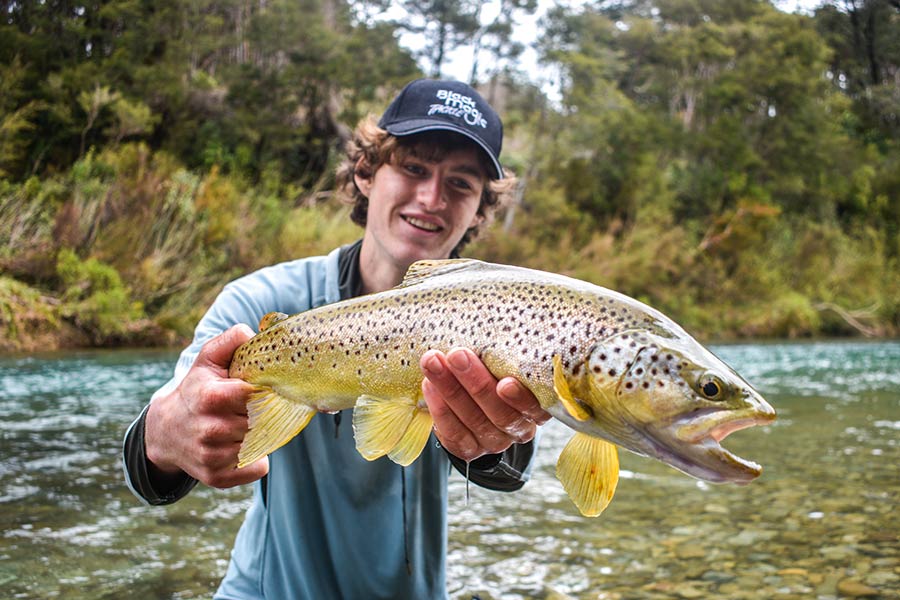
| Brown Trout | Become bolder, hunt for larger prey | Try larger streamers or bait; fish deeper pools and edges |
| Brook Trout | Feed heavily near cover, especially in cool rain | Use natural baits; fish shallow, woody areas |
| Lake Trout | May move shallower if surface cools | Troll brightly colored lures; try near shorelines |
Matching your strategy to the species you’re targeting can boost your success, especially during changing weather.
Safety Tips For Trout Fishing In The Rain
While fishing in the rain can be fun, it comes with extra safety risks. Here’s how to stay safe:
- Watch for rising water: Rain upstream can cause sudden floods. Know your river and check weather forecasts before you go.
- Avoid lightning: If you hear thunder, leave the water immediately. Lightning is extremely dangerous for anglers.
- Wear proper footwear: Rocks and banks get slippery. Use boots with good grip.
- Fish with a buddy: If possible, never fish alone in remote or risky areas.
- Carry a waterproof phone or radio: In case of emergency, you’ll need a way to call for help.
A non-obvious tip: After rain, banks can be unstable and collapse if you stand too close to the edge. Always test the ground before stepping near the water.

Credit: salmontroutsteelheader.com
Environmental Impact: Is Fishing In The Rain Bad For Trout?
Some anglers worry that fishing during rain might harm trout populations or their habitat. In general, fishing in the rain is not harmful if you follow local regulations and practice catch and release when needed.
However, avoid fishing during extreme floods, as trout are stressed and may be more vulnerable. Also, be careful not to damage fragile banks or spawning areas, which can be soft and easily disturbed when wet.
For more on ethical fishing practices, check out the Trout Unlimited website.
Should You Go Trout Fishing In The Rain?
After exploring the science, real-world experience, and expert advice, the answer is clear: Trout fishing can be excellent in the rain, but success depends on timing, safety, and adjusting your strategy. Light to moderate rain often creates perfect conditions—cool water, more oxygen, and lots of food. Trout become less cautious, feed more actively, and move into areas where you can catch them.
The key is to be prepared. Dress for the weather, use the right gear, and focus on areas where rain brings in fresh food. Watch for changing water levels, and always put safety first.
Next time the sky turns gray, don’t rush to pack up your gear. With the right knowledge and preparation, you might find your best trout fishing happens when the rain is falling.
Frequently Asked Questions
Is It Safe To Fish For Trout During A Thunderstorm?
No, it’s not safe. Lightning is a serious risk when you’re near or in water, especially with fishing rods that can conduct electricity. If you see or hear thunder, leave the water immediately and wait for the storm to pass.
What Is The Best Bait For Trout Fishing In The Rain?
Bright-colored artificial lures, spinners, and spoons work well in cloudy water. Live bait like worms or insects is also effective, as rain often washes these into streams and rivers. Scented baits can help attract trout when visibility is low.
Do Trout Bite More Before, During, Or After Rain?
Trout often bite best just before and during light rain, as changing pressure and increased food supply make them active. After rain, fishing can still be good, especially near inflows, but very muddy water can reduce bites.
What Should I Wear When Fishing For Trout In The Rain?
Wear a waterproof jacket, pants, and boots. Layer your clothing to stay warm and dry. A hat and polarized sunglasses help keep rain out of your face and improve visibility.
Does Rain Always Improve Trout Fishing?
Not always. Light to moderate rain usually helps, but heavy rain or flooding can make fishing difficult or unsafe. Pay attention to water clarity and current, and adjust your fishing methods as needed.