
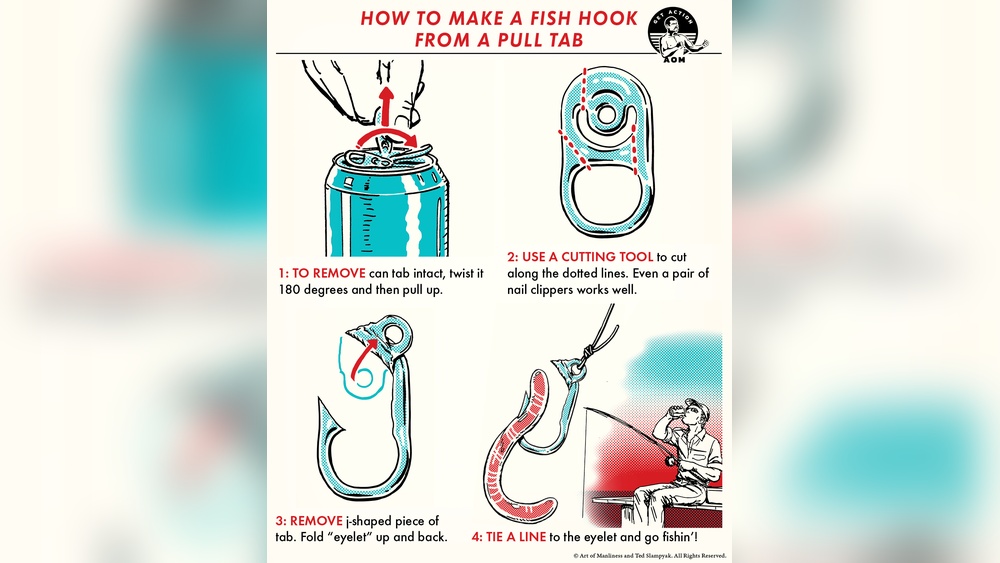
Making your own fishing hook is a fascinating skill that connects you with the long history of fishing. Before modern hooks existed, people had to make their own using simple tools and natural materials. Today, learning how to craft a fishing hook by hand is not just about survival—it’s about understanding fishing on a deeper level.
Whether you want to fish in the wild, replace a lost hook, or just enjoy a hands-on project, making a fishing hook will give you confidence and practical knowledge. Let’s explore the complete process, from choosing materials to shaping and sharpening your hook.
Why Make Your Own Fishing Hook?
Store-bought hooks are easy to find, but knowing how to make your own is valuable for several reasons. First, you can fish even if you lose your gear or are in a remote area. Second, making hooks helps you understand how hooks work and what makes them strong or weak.
Third, it’s a cost-saving hobby, especially if you fish often or teach others. Finally, it’s a rewarding challenge that improves your patience and creativity.
Essential Materials For Making A Fishing Hook
The material you use will decide the strength, sharpness, and durability of your fishing hook. Here are the most common options:
- Steel wire: The best choice for most homemade hooks. It’s flexible, strong, and easy to bend. Stainless steel is especially good because it resists rust.
- Safety pins: A popular choice in survival situations. They are strong, have a built-in curve, and are found in many first aid kits.
- Paper clips: Easy to bend and common, but not as strong as steel wire or safety pins.
- Nails: Small finishing nails can be shaped into sturdy hooks, but they require more effort to bend.
- Bone or wood: Used for primitive hooks. These materials need more time to shape and are less reliable, but they work if you have no metal.
Size And Thickness
Choose a wire or pin that matches the fish you want to catch. For small fish, use thin wire (about 0. 5–1 mm thick). For bigger fish, use thicker wire (1. 2–2 mm). Too thick and it will be hard to bend; too thin and it may break.
Basic Tools You Will Need
Making a fishing hook doesn’t require special tools, but the right ones make the job easier and safer.
- Pliers: Needle-nose or regular pliers help bend and shape the hook.
- Wire cutters: Needed to cut metal to the right length.
- File or sharpening stone: For making the point sharp.
- Sandpaper: Smooths rough spots and helps sharpen the tip.
- Heat source (optional): A lighter or candle can soften metal, making it easier to bend. This is called annealing.
Having these tools ready will save time and help you avoid injury.
Step-by-step Guide: How To Make A Fishing Hook
The process is simple but requires focus. Here’s how to make a basic metal hook, step by step.
1. Cut The Right Length
Start by cutting a piece of wire, safety pin, or paper clip. For most hooks, 5–7 cm (2–3 inches) is enough. Longer wire gives you a bigger hook, but it’s harder to manage.
2. Shape The Hook
Use pliers to bend one end of the wire into a tight circle or oval. This is the eye of the hook, where your fishing line will attach. A small, neat loop is best.
Next, grip the wire near the eye and bend the rest into a gentle curve. The curve should look like a “J” or a fishhook you see in stores. The open end (the point) should be about 1 cm (0.
4 in) from the shank (the straight part).
3. Form The Point
Cut one end at an angle to start the point. Use your file or stone to sharpen this end as much as possible. The tip should be very sharp, able to scratch your nail easily. This step is important—dull hooks miss fish.
4. Add A Barb (optional)
A barb is a small backward spike near the tip that keeps the fish from slipping off. To add a barb, use the tip of your file to make a small notch about 2 mm below the point. Bend this tiny piece outward with your pliers. Be careful—if you make the barb too big, the hook will break.
5. Final Adjustments
Check the hook’s shape. The point should be slightly turned in toward the shank for better hooking. Sand any rough spots. Test the eye by pulling on it to make sure it won’t slip or open.
6. Hardening The Hook (optional But Useful)
If you used soft wire, the hook may bend easily. Heat the hook with a lighter until it glows red, then let it cool slowly. This process, called tempering, makes the hook stronger. Be careful—don’t burn yourself.
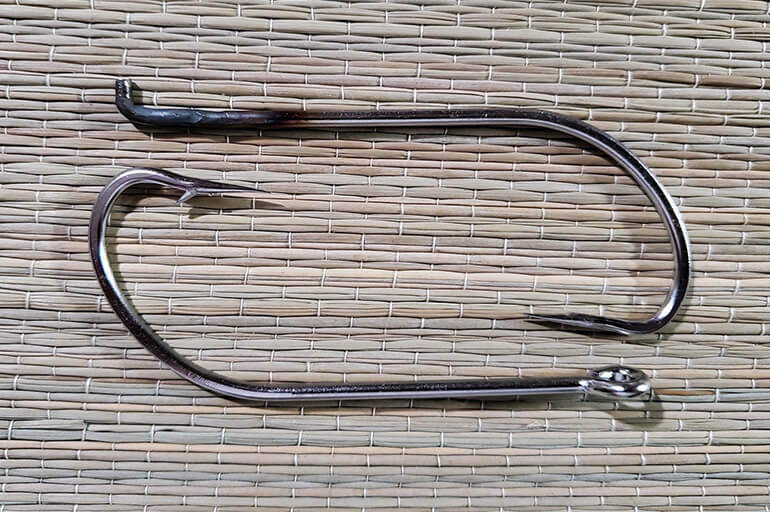
Credit: www.camplakewoodcampground.com
Visual Guide: Comparing Hook Materials
Understanding how different materials perform helps you choose the best one for your needs.
| Material | Strength | Ease of Bending | Rust Resistance | Availability |
|---|---|---|---|---|
| Steel Wire | High | Medium | High (if stainless) | Medium |
| Safety Pin | Medium-High | Easy | Medium | High |
| Paper Clip | Low | Very Easy | Low | High |
| Nail | Very High | Hard | Medium | Medium |
| Bone/Wood | Low-Medium | Difficult | High | Low |
Different Types Of Homemade Hooks
Over time, people have created many kinds of hooks. Here are a few you can try:
1. Classic “j” Hook
This is the most common type. It’s shaped like a letter “J,” easy to make, and works for most fishing.
2. Circle Hook
A hook with the point turned in more sharply toward the shank. It’s good for catch-and-release fishing because it usually hooks fish in the corner of the mouth.
3. Double Hook
Made by twisting two wires together and shaping both ends into hooks. It’s used for big fish or when you want to increase your chances.
4. Primitive Gorge Hook
A straight piece of wood, bone, or thorn sharpened at both ends. The fishing line is tied in the center. When the fish swallows the bait, the hook turns sideways and catches in the throat. Not as efficient as metal hooks but useful if you have no tools.
Key Measurements And Design Details
A good hook has the right proportions. Here’s what to look for:
- Shank: The straight part. About 2–3 times longer than the hook’s width.
- Bite (gap): The distance between the point and the shank. Should match the size of the fish’s mouth.
- Eye: Big enough to pass your fishing line through twice.
Here’s a comparison of hook sizes and their ideal use:
| Hook Size (mm) | Fish Type | Bait Size |
|---|---|---|
| 10–15 | Panfish, small trout | Worms, insects |
| 16–25 | Bass, perch | Small fish, artificial lures |
| 26–35 | Carp, catfish | Large worms, dough bait |
| 36–50 | Pike, large catfish | Fish chunks, big lures |
Non-obvious tip: For best results, avoid making a hook that is too big. Fish are often wary of large hooks, even if they’re hungry.
Safety When Making Fishing Hooks
Working with metal and sharp tools can be risky. Always protect your hands—wear gloves if possible. Work slowly, and keep your fingers away from the cutting edge. When heating metal, use pliers to hold the hook and never touch hot metal.
Keep your workspace clean and tools organized to avoid accidents.
Practical Tips For Better Homemade Hooks
Experienced anglers know that small details can make a big difference. Here are some useful tips:
- Test your hook’s strength before using it. Pull hard on the eye and the point. If it bends or breaks, start again.
- Sharpen the point often. Even store-bought hooks need resharpening after catching a few fish.
- Use rust-resistant materials if you plan to keep the hook for a long time, especially in saltwater.
- Smooth all edges. A rough hook will cut your line or injure the fish more than needed.
- Practice makes perfect. Your first hook may not look pretty, but each one will be better.
Beginner’s mistake: Many people make the hook eye too small for the fishing line. Always check that your line can pass through easily.
How To Attach Your Homemade Hook
Tying your hook to the fishing line is as important as making the hook. The best knot is the improved clinch knot:
- Thread the line through the hook’s eye.
- Wrap the line around itself 5–7 times.
- Pass the end of the line through the small loop near the eye.
- Bring it back through the big loop you just made.
- Pull tight and trim the excess.
This knot holds well and is easy to tie, even in the field.

Credit: www.youtube.com
Using Primitive Materials: Bone, Wood, And Thorns
If you are in a survival situation and have no metal, you can still make a fishing hook. Here’s how:
- Bone: Find a thick, strong piece. Sharpen one end to a point and carve a notch for your line. Bone hooks were used for thousands of years and can be surprisingly effective.
- Wood: Choose hardwood. Sharpen and harden the tip by rubbing it with sand or heat. Wood hooks are less sharp but work for slow, bottom-feeding fish.
- Thorns: Large, strong thorns (like those from locust trees) can be shaped into hooks with a knife or stone.
Non-obvious insight: Primitive hooks work best with soft bait and slow fishing methods. Don’t expect them to perform like modern hooks, but in a pinch, they will catch fish.
Testing And Adjusting Your Hook
Before you use your hook for fishing, test it:
- Pull test: Attach your line and pull on the hook with force. If it bends or straightens, make a new one.
- Sharpness test: Try to scratch your fingernail with the point. If it doesn’t dig in, sharpen it more.
- Bait test: Attach your chosen bait and see if it stays on the hook. If the bait falls off, adjust the barb or the curve.
Testing saves time and frustration on the water.
Caring For And Storing Homemade Hooks
Homemade hooks need care to last. After fishing, dry them well and wipe with a little oil to prevent rust. Store hooks in a small box or wrap in cloth. If you use bone or wood, check for cracks before each trip.
When To Use A Homemade Hook
Homemade hooks are most useful when:
- You lose your tackle on a trip.
- You want to teach children or beginners about fishing basics.
- You are in a survival or emergency situation.
- You want a custom hook for a special type of bait or fish.
They are not recommended for big-game fishing or where losing a fish could be dangerous.
Comparing Homemade Hooks With Store-bought Hooks
Homemade hooks can work very well, but they have limits. Here’s a quick comparison:
| Feature | Homemade Hook | Store-Bought Hook |
|---|---|---|
| Strength | Good (if made well) | Excellent |
| Rust Resistance | Varies | High |
| Sharpness | Needs frequent sharpening | Very sharp from factory |
| Cost | Very low | Low–medium |
| Customization | High | Limited |
| Time to Make | 10–30 minutes | Instant |
Pro tip: Many anglers carry a few homemade hooks as backup in their tackle box. They may not replace commercial hooks, but they are useful in emergencies.
Legal And Ethical Considerations
In some places, using homemade hooks made of natural materials may not be allowed. Always check local fishing regulations before you use primitive hooks or fish in protected waters. Also, consider catch-and-release fishing—make sure your hook is not too damaging to fish you plan to release.

Credit: www.youtube.com
Learning Resources
If you want to see examples or learn more about making fishing hooks, there are many online resources and videos. A good place to start is the Wikipedia article on fish hooks, which covers history and design in detail.
Frequently Asked Questions
How Strong Are Homemade Fishing Hooks?
The strength of a homemade hook depends on the material and how well you make it. Steel wire and safety pin hooks are strong enough for most freshwater fish. Primitive hooks made of bone or wood are less strong and best for small fish.
Always test your hook before fishing.
Can I Make A Barbed Hook At Home?
Yes, you can add a barb with a file and pliers, but it takes practice. The barb should be small and just below the point. If it’s too large, the hook will break or not penetrate well. Beginners often skip the barb until they are confident with basic hook making.
What Is The Best Material For A Homemade Hook?
Stainless steel wire is the best for most cases. It’s strong, easy to shape, and resists rust. Safety pins are a good second choice because they are common and already have a good shape. Avoid soft metals or rusty materials.
Are Homemade Hooks Good For Saltwater Fishing?
Homemade hooks can work in saltwater, but they must be made of rust-resistant material. Saltwater will quickly destroy normal steel or iron. If you use homemade hooks in the ocean, rinse them with fresh water afterward and dry them well.
Is It Legal To Use Homemade Fishing Hooks?
Laws depend on your area. Most places allow homemade hooks for personal use, but some fishing contests or protected areas may require standard gear. Always check local regulations before using homemade or primitive hooks.
Making a fishing hook by hand is a valuable skill for any angler. It’s not just about catching fish, but also about learning, adapting, and connecting with nature. With a little practice and the right materials, you can make a hook that works well and gives you a sense of accomplishment every time you land a fish.