
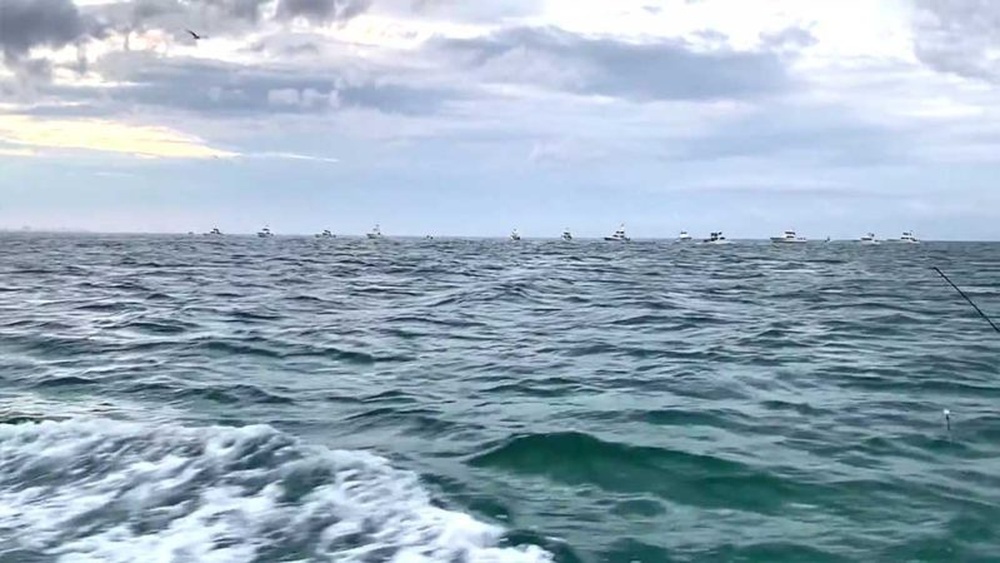
Many people imagine deep sea fishing as an adventure far from shore, battling giant fish in endless blue water. The idea sounds exciting, but it also raises a simple question: *How far out is deep sea fishing, really?* Is it just a few miles, or does it mean heading so far out that you lose sight of land? The answer is not as simple as most expect. Location, target species, boat size, and even local laws all change how far you need to go. If you’re thinking about trying deep sea fishing, or just want to know what makes it so different from other types of fishing, understanding the real distances involved is essential.
In this guide, we’ll break down exactly how far out you need to travel for deep sea fishing, and why. We’ll look at what “deep sea” actually means, how far popular locations are from shore, what happens as you move farther from land, and how factors like weather, equipment, and safety play a role.
By the end, you’ll know what to expect—and how to prepare for your own deep sea adventure.
What Does “deep Sea Fishing” Mean?
When people say deep sea fishing, they usually mean fishing in water that is both deep and far from land—often hundreds or even thousands of feet deep. This is very different from inshore fishing, which happens close to the coast, in shallower water.
But there’s no single rule for what “deep sea” means. Here are the most common guidelines:
- Water depth of at least 100 feet (30 meters), but often much deeper
- Far enough from shore that you can’t see land
- Fishing over the continental shelf or beyond it, in open ocean
Some charters call trips just 5 or 10 miles offshore “deep sea,” while others say you need to go 30, 50, or even 100 miles out. Local geography plays a big role. In some places, deep water starts very close to land.
In others, you need to travel much farther.
How Far Out Is Deep Sea Fishing?
There is no single distance that fits every trip or location. Still, most deep sea fishing trips take you anywhere from 10 to 100 miles offshore. Let’s break down the distances you might travel, and why they matter.
The Typical Ranges
- Nearshore (1-10 miles): Some trips called “deep sea” start just 1-2 miles from land, especially where the ocean floor drops off quickly. You’ll find some big fish here, but it’s usually not true open ocean fishing.
- Offshore (10-30 miles): Most deep sea charters travel at least 10-20 miles from shore. Here, you reach deeper water and start to find classic deep sea fish like tuna and mahi mahi.
- Bluewater (30-100+ miles): The farthest trips go 30 miles or more, sometimes up to 100 miles or even farther. This is where you find the largest pelagic fish—marlin, swordfish, bigeye tuna.
Why Does The Distance Change?
- Local coastline: In places like Hawaii, the ocean gets deep just a mile offshore. In Florida or the Gulf of Mexico, you may need to go 30-50 miles to find the same depth.
- Target fish: Some species live closer to shore, while others only appear in very deep, open water.
- Boat type: Larger, faster boats can go farther, while smaller boats stay closer for safety.
- Weather and safety: Longer trips mean more risk and require more planning.
Comparing Deep Sea Distances In Different Locations
Where you go deep sea fishing has a huge impact on how far you need to travel. Here’s a look at some popular spots and the typical distances to deep water.
| Location | Distance to Deep Water | Notes |
|---|---|---|
| Hawaii | 1-3 miles | Steep drop-off, deep water very close to shore |
| Florida Keys | 5-20 miles | Gulf Stream brings big fish close |
| Gulf of Mexico (Texas, Louisiana) | 30-60 miles | Continental shelf is wide, longer trip to deep water |
| Australia (Cairns, Great Barrier Reef) | 10-30 miles | Reef system, then deep water drop-off |
| New England (USA) | 20-50 miles | Need to reach canyons and ledges |
As you can see, the trip could be just a few miles—or many dozens, depending on the location.
Water Depths: What Counts As “deep”?
Distance from land is only part of the story. Water depth is often more important for the type of fishing you’ll do.
- Shallow (0-100 feet): Inshore fishing, reefs, or wrecks
- Moderate (100-300 feet): Near the edge of the continental shelf, bigger game fish start to appear
- Deep (300-1000+ feet): Classic deep sea fishing, big pelagic fish, swordfish, marlin, tuna
Most deep sea fishing happens in water over 300 feet deep. In some famous spots, you can be in 1,000 feet of water just a mile from shore.

Credit: fishingbooker.com
How Long Does It Take To Reach Deep Sea Fishing Spots?
Travel time depends on both distance and boat speed. Most fishing boats cruise at 15-25 knots (17-29 mph or 28-46 km/h).
| Miles from Shore | Boat Speed | Travel Time (One Way) |
|---|---|---|
| 10 miles | 20 knots | ~30 minutes |
| 30 miles | 20 knots | ~1.5 hours |
| 50 miles | 20 knots | ~2.5 hours |
| 100 miles | 20 knots | ~5 hours |
Longer trips mean less fishing time and more planning for fuel, food, and safety.
Types Of Fish And Where To Find Them
Different species live at different distances and depths. Here are some common targets and how far out you usually need to go.
- Kingfish, Snapper, Grouper: 5-20 miles offshore, 50-200 feet deep.
- Mahi Mahi (Dorado): 10-40 miles out, in blue water, often around floating debris.
- Tuna (Yellowfin, Bluefin): 20-100 miles offshore, 300-2,000 feet deep.
- Marlin, Sailfish, Swordfish: 30-100+ miles, open ocean, 500-2,000+ feet deep.
- Amberjack, Wahoo: 10-50 miles, near reefs or underwater ledges.
Some species come closer to shore at certain times of year, or after storms. Local knowledge is valuable.

Credit: fishmaster.com
What Changes As You Go Farther Offshore?
The farther you travel from land, the more the ocean changes. Here’s what to expect as you move from the coast to deep sea.
Water Color And Clarity
Near shore, water is often green or brownish because of sand, river runoff, and shallow depth. As you go farther, the water turns deep blue and becomes much clearer. This “bluewater” is the classic deep sea fishing zone.
Fish Size And Variety
Bigger, faster fish live in open water. You’ll see more pelagic species—fish that roam the open ocean, not the bottom. These include tuna, marlin, swordfish, and mahi mahi.
Sea Conditions
Waves and wind are often stronger far from land. Seas can be rough, and weather changes quickly. Seasickness is common for beginners. Always check the forecast and bring medication if needed.
Safety And Navigation
You may lose sight of land after 10-20 miles. Navigation relies on GPS and charts. Cell phone coverage disappears, so VHF radio or satellite communication is important.
Regulations
Some fishing rules change in federal waters (usually 3-12 miles out, depending on the country). Make sure you know the local laws for licenses, limits, and protected species.
Equipment Needed For Deep Sea Fishing
Going farther offshore means you need better gear. Here’s what sets deep sea fishing equipment apart.
Boats
- Size: Most deep sea trips use boats at least 25-30 feet long, often larger.
- Engines: Twin engines for safety, enough fuel for long trips.
- Safety gear: Life jackets, EPIRB (emergency beacon), flares, first aid.
- Electronics: GPS, fish finder, radar, VHF radio.
Fishing Gear
- Rods and reels: Heavy-duty, able to handle 50-200+ lb fish.
- Line: Braided or high-test monofilament, 50-130 lb test or more.
- Lures and bait: Large trolling lures, live bait, squid, or cut fish.
- Gaffs and nets: For landing big fish.
Other Essentials
- Coolers and ice: Keep fish fresh.
- Food and water: Bring more than you think you’ll need.
- Sun protection: Hat, sunscreen, long sleeves.
- Rain gear: Weather can change quickly.
How To Prepare For A Deep Sea Fishing Trip
It’s not just about showing up at the dock. Here’s how to get ready for a real deep sea adventure.
- Choose the right charter: Look for experienced captains, good safety records, and clear information about trip distance and target species.
- Ask about the distance: Don’t be afraid to ask how far out you’ll be going, and how long the trip will last.
- Check the weather: Trips are often canceled for rough seas. Ask for the forecast and don’t pressure the captain to go in bad weather.
- Pack smart: Bring only what you need—food, drinks, sunscreen, motion sickness meds, camera, ID, and tip for the crew.
- Know the rules: Ask about licenses, catch limits, and what happens to the fish you catch (some charters keep the catch, others let you take it home).
Costs Involved With Going Far Out
Traveling farther offshore is more expensive. Here’s why:
- Fuel: Longer trips use much more fuel, which is the biggest cost for charters.
- Time: More hours mean higher crew pay and boat wear.
- Equipment: Heavy gear is more expensive to buy and maintain.
A typical half-day nearshore trip might cost $500-800 for a group, while an all-day bluewater trip can run $1,500-$2,500 or more. Always ask what’s included (bait, licenses, food).
Deep Sea Fishing Vs. Other Types Of Fishing
How is deep sea fishing different from inshore or freshwater fishing? Here’s a side-by-side look:
| Type | Distance from Shore | Target Fish | Boat Size | Cost |
|---|---|---|---|---|
| Inshore | 0-3 miles | Redfish, snapper, trout | 15-25 ft | Low |
| Nearshore | 3-10 miles | Kingfish, cobia | 20-30 ft | Medium |
| Deep Sea | 10-100+ miles | Tuna, marlin, mahi mahi | 25-50+ ft | High |
| Freshwater | Lakes/rivers | Bass, trout, catfish | Small boats or shore | Low |
As you move farther from shore, trips get longer, riskier, and more expensive—but also offer a chance at much bigger fish.
Safety Considerations When Going Far Offshore
The ocean can be dangerous, especially far from land. Here’s what to keep in mind:
- Emergency gear: Make sure the boat has life jackets, flares, an EPIRB, and a working radio.
- Weather: Bad weather is more dangerous offshore. Trips are often canceled for storms or high winds.
- Seasickness: Even experienced anglers can get seasick. Bring medication and eat a light meal before the trip.
- Hydration and sun: Bring more water than you think you’ll need. Sunburn is worse on the water—cover up.
If you’re not sure about safety, ask the captain to explain all emergency procedures.
Common Beginner Mistakes
If it’s your first deep sea trip, avoid these errors:
- Underestimating the distance: Beginners are often surprised at how far and how long the trip is.
- Not preparing for seasickness: Even people who don’t get car sick can get queasy at sea.
- Bringing too much or too little: Pack light, but don’t forget sun protection, snacks, and water.
- Ignoring safety briefings: Always listen to the crew’s instructions.
- Expecting to catch a trophy: Fishing is never a guarantee—enjoy the experience, not just the catch.
Non-obvious Insights For Beginners
Many new anglers miss these important points:
- The best fishing is often at sunrise or sunset, which may mean leaving the dock in the dark and returning late.
- Fish move with currents and seasons. Some days, the best action is farther out than usual. Other days, big fish come closer after a storm or change in water temperature.
- Charter captains may adjust the plan mid-trip based on weather, current, or where fish are biting. Trust their experience.
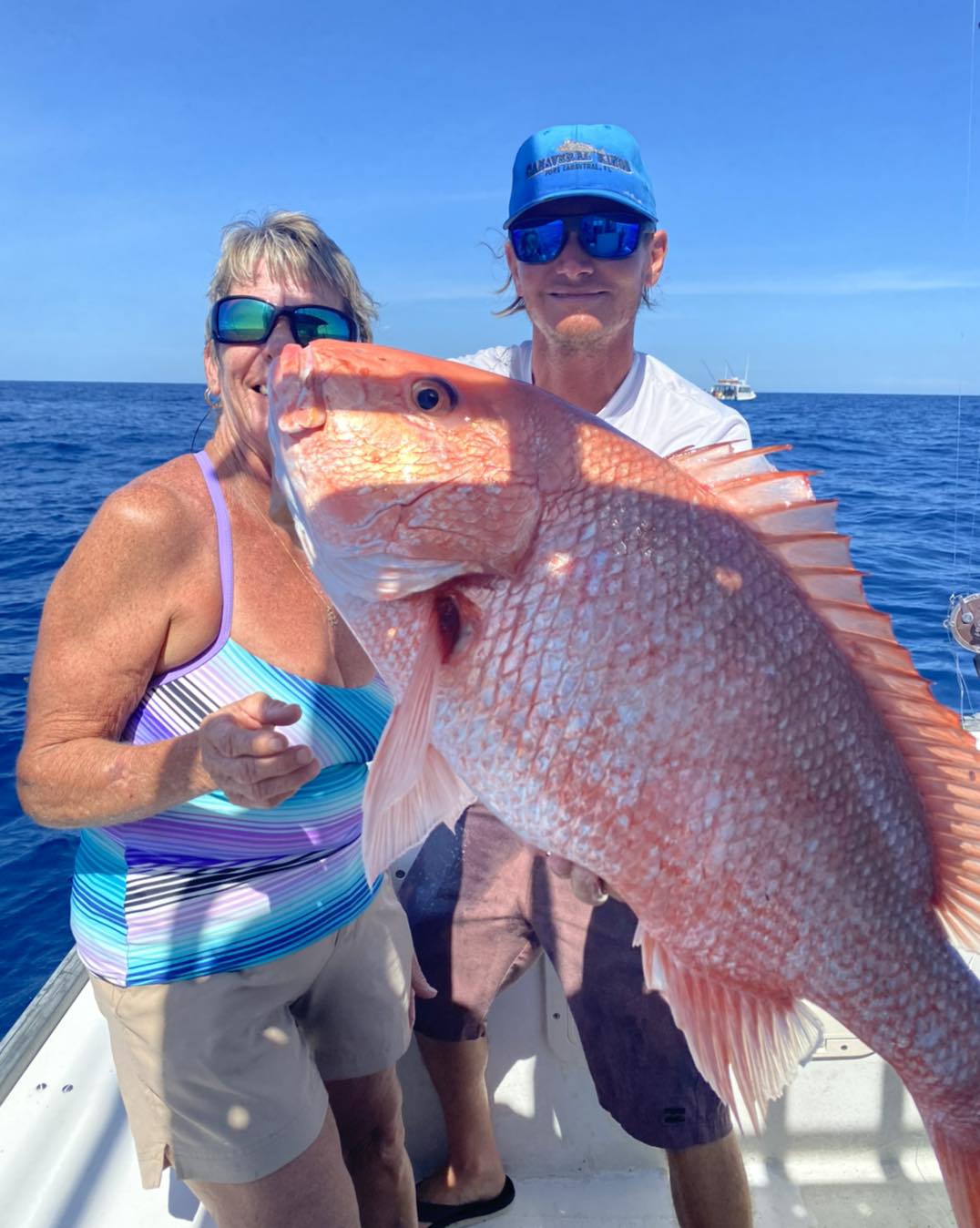
Credit: canaveralkings.com
Environmental And Legal Factors
There are also important laws and environmental rules for fishing offshore:
- Marine Protected Areas: Some spots are off-limits to protect fish stocks.
- Bag and size limits: These protect fish populations. Breaking the rules can mean big fines.
- Catch and release: For some species, releasing fish is encouraged or required.
Always ask your captain about the latest regulations.
How To Choose The Right Deep Sea Charter
Not all charters are equal. Here’s how to pick a good one:
- Check reviews: Look for recent feedback about safety, fish catches, and crew attitude.
- Ask about experience: How long has the captain been running offshore trips?
- Inspect the boat: Is it clean, well-kept, and equipped with safety gear?
- Understand costs: Ask about fuel surcharges, bait, licenses, and what happens to the catch.
- Communication: Do they answer questions clearly? A good captain wants you to feel comfortable.
For more tips, you can visit the Deep-sea fishing Wikipedia page.
What To Expect Onboard
Here’s a rough outline of a typical full-day deep sea fishing trip:
- Early start: Leave before sunrise, sometimes 5-6am.
- Travel out: 1-4 hours to reach the fishing grounds.
- Fishing: 4-6 hours, trolling or drifting for big game fish.
- Return: 1-4 hours back to dock.
- Fish cleaning: Crew may clean and pack your catch for you.
Trips can be exhausting. Drink water, take breaks, and don’t be afraid to ask for help.
The Real Experience: Stories From The Sea
Every trip is different. Some days, you’ll see dolphins, whales, or flying fish. Others, you may battle a giant tuna for an hour—only to have it break free. You might spend hours with no bites, then catch three big fish in ten minutes.
Experienced anglers know: the farther out you go, the less predictable—and more exciting—the ocean becomes. But with the right preparation, it’s an adventure few other sports can match.
Frequently Asked Questions
How Far Do You Have To Go For Deep Sea Fishing?
Most deep sea fishing trips go 10 to 100 miles offshore, depending on location and target fish. In some places with steep drop-offs, deep water starts just a mile or two from land. Always ask your charter how far you’ll be traveling.
What Is The Minimum Depth For Deep Sea Fishing?
The minimum depth is usually 100 feet (30 meters), but true deep sea fishing often happens in water 300 feet (90 meters) or deeper. Depth is more important than distance in many cases.
Is Deep Sea Fishing Dangerous?
It can be, especially in rough weather or with poor safety equipment. Choose a reputable charter, listen to the crew, and always wear a life jacket when told. Offshore trips are safe with good planning.
What Kind Of Fish Do You Catch Deep Sea Fishing?
Common catches include tuna, marlin, mahi mahi, swordfish, wahoo, and amberjack. The fish depend on location, season, and how far out you travel.
How Much Does A Deep Sea Fishing Trip Cost?
Prices range from $500 for half-day nearshore trips to $2,500 or more for long, offshore adventures. Costs depend on distance, boat size, group size, and included services.
Deep sea fishing is more than just a day on the water—it’s a unique journey far from land, full of challenge and reward. Whether you’re a first-timer or a seasoned angler, knowing how far out you’ll go, what to expect, and how to prepare makes all the difference.
With the right crew and planning, your next offshore trip could be the adventure of a lifetime.