Every year, anglers from all over the world dream of catching wild salmon in Alaska’s clear, cold rivers. But if you want the best chance, you need to pick the right month. Salmon fishing in Alaska is not just about luck or skill—it’s about timing.
Each species of salmon travels upriver at different times, and their numbers can change dramatically from one week to the next. Knowing when to go is the key to success, whether you want to fill your freezer, land a trophy fish, or simply enjoy the thrill of the fight.
This guide will help you understand the salmon fishing seasons in Alaska, including which months are best for each type of salmon, top locations, weather factors, and how to plan the perfect trip. Whether you’re a beginner or a seasoned angler, you’ll find practical advice, surprising insights, and data you won’t see in most travel brochures.
Why Month Matters For Salmon Fishing In Alaska
Many people think salmon are always running somewhere in Alaska, and in a sense, that’s true. But for the best fishing, timing is everything. The main reason is that salmon runs—when large groups of salmon return to rivers to spawn—happen on a strict schedule. These runs depend on species, river, location, and even the weather.
If you go too early, you might miss the peak run and see only a few fish. Too late, and the salmon could be tired and spawning, making them less interested in biting. For the best experience, you want to arrive just as the main waves of salmon are entering the river, still fresh from the sea.
The Five Salmon Species And Their Peak Months
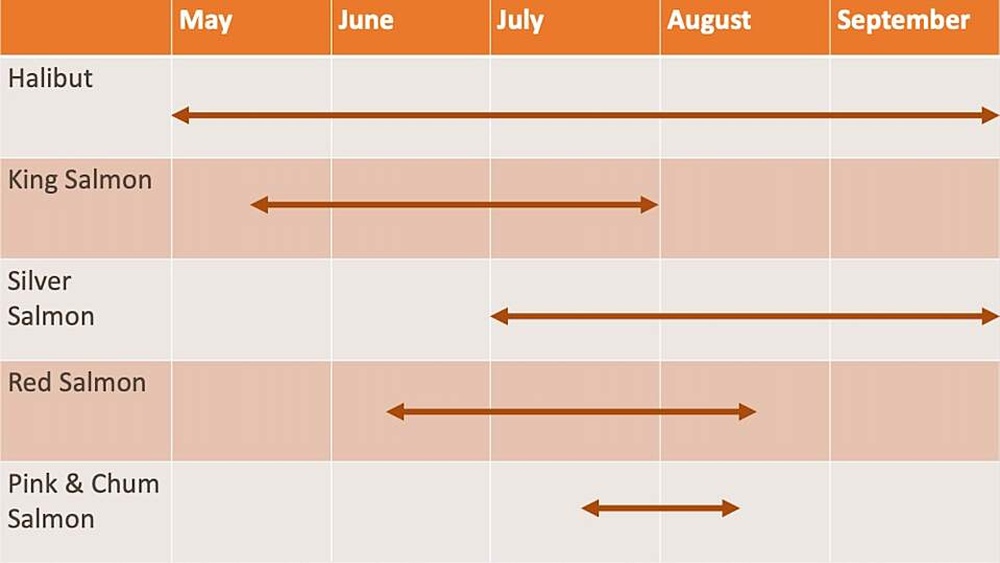
Alaska is famous for its five wild salmon species: King (Chinook), Sockeye (Red), Coho (Silver), Chum (Dog), and Pink (Humpy). Each has its own peak season. Understanding these differences is the first step to planning your trip.
| Salmon Species | Best Months | Typical Size | Notes |
|---|---|---|---|
| King (Chinook) | Mid-June to mid-July | 20–50 lbs (some up to 100 lbs) | Biggest, powerful fight |
| Sockeye (Red) | Late June to late July | 6–12 lbs | Best for eating, huge runs |
| Coho (Silver) | August to early September | 8–15 lbs | Aggressive, fun to catch |
| Chum (Dog) | Mid-July to August | 8–15 lbs | Strong fighters, less prized for eating |
| Pink (Humpy) | Late July to mid-August (even years only) | 3–5 lbs | Massive numbers, odd years low |

Credit: cooperlandingfishingguide.com
King Salmon: The Quest For The Biggest Catch
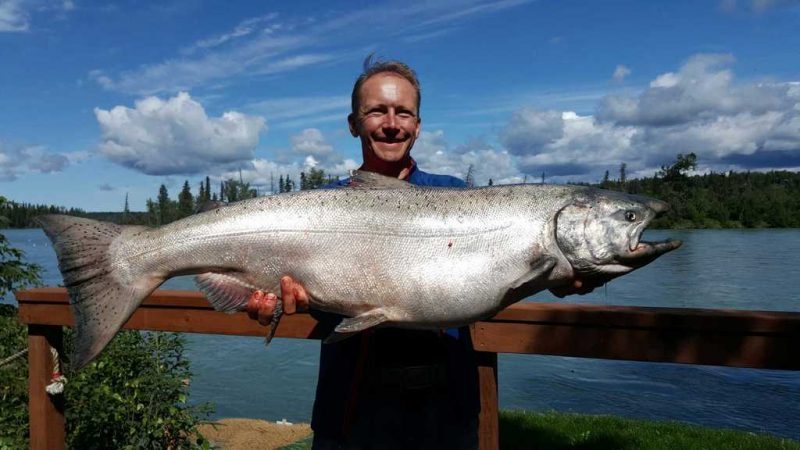
The King salmon is Alaska’s most famous fish, known for its size and strength. Most rivers have their peak runs between mid-June and mid-July, but there are exceptions. In Southcentral Alaska, the Kenai River and Kasilof River are famous for big kings, especially in late June. Some Southeast rivers, like the Stikine and Taku, peak a bit earlier, usually in early June.
Anglers who want a trophy King should aim for the last two weeks of June or the first week of July. Fishing at this time gives you a higher chance of catching a fresh, ocean-bright fish—these are the best for both fighting and eating.
A key tip: King salmon numbers have dropped in recent years, with more fishing restrictions. Many rivers use a lottery or have “catch and release only” periods. Always check the latest regulations before planning your trip.
Non-obvious insight: Some smaller rivers, often overlooked, get less pressure and offer surprisingly good King fishing during peak weeks. Don’t ignore local advice—guides often know hidden spots away from the crowds.
Sockeye Salmon: The Red River Rush
If you want fast action and lots of fish to take home, Sockeye salmon are your best bet. Their numbers can be incredible—on the Kenai River, it’s common to see over a million sockeye return each year. The peak is usually late June through late July, but the exact timing shifts a bit each year, depending on river temperature and water flow.
The Russian River is a popular spot, with the first run peaking in mid-June and a second run in mid-July. These fish are prized for their bright red meat and taste. Fishing for sockeye is different than for other salmon: most anglers use a technique called “flossing,” drifting a fly or yarn through the current to hook fish passing by.
Practical tip: Sockeye bite less than other salmon. The key is to be there during peak migration, when so many fish are passing by that you have a real chance on every cast.
Coho Salmon: The Late Summer Star
Coho salmon (also called Silver salmon) are known for their aggressive strikes and acrobatic jumps. They arrive later, with the main run from early August to early September. This is a great time for fishing because the crowds are smaller and the weather is still mild.
Top rivers for Coho include the Kenai, Kasilof, and many streams in Prince William Sound and Southeast Alaska. In Western Alaska, the Nushagak River sees huge runs in August.
A beginner mistake is to arrive too early—many rivers see their biggest Coho numbers in the last weeks of August, not the first. If you like fishing in solitude, aim for early September, when most tourists have gone but the Coho are still running strong.
Chum Salmon: The Underrated Fighter
Chum salmon don’t get as much attention as Kings or Silvers, but they are strong fighters and can be caught in big numbers from mid-July through August. Chums are often mixed in with other species, especially in rivers like the Yukon, Kuskokwim, and some Southcentral streams.
Their meat is less red than other salmon, but fresh chum is excellent smoked or grilled. Many fly anglers target them for their aggressive takes.
Non-obvious insight: Chum salmon are often ignored by locals focused on Kings or Sockeyes. During peak run, you may have entire stretches of river to yourself.
Credit: oasisalaskacharters.com
Pink Salmon: The “every Other Year” Bonanza
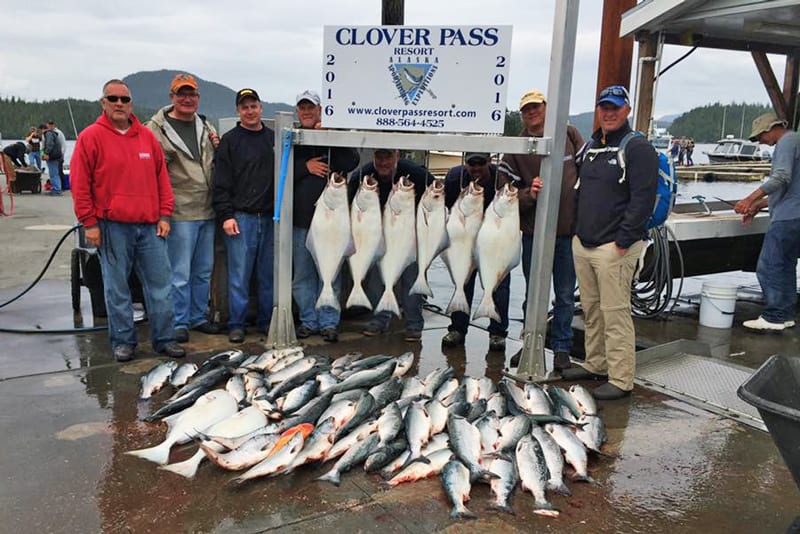
Pink salmon are the most numerous salmon in Alaska, but here’s the catch—they return in huge numbers only in even-numbered years (2022, 2024, etc.). The main run is from late July through mid-August. Pinks are smaller and not as prized for eating, but they’re perfect for families or anyone looking for non-stop action.
Good pink salmon rivers include the Susitna River, Valdez area, and many Southeast streams. If you want kids to experience “fish on every cast,” late July of an even year is the time to go.
Month-by-month Breakdown: What To Expect
To help you plan, here’s a look at each month’s fishing opportunities:
| Month | Main Salmon Species | Best Regions | Notes |
|---|---|---|---|
| May | Early King (few rivers) | Southeast, Copper River | Limited, mostly for locals |
| June | King, early Sockeye | Kenai, Kasilof, Russian, Southeast | King run peaks late June |
| July | Sockeye, King, Chum, Pink (late) | Kenai, Russian, Bristol Bay, Prince William Sound | Sockeye peak, late July for Pink |
| August | Coho, Chum, Pink | Kenai, Nushagak, Southeast, Valdez | Coho best in late August |
| September | Coho (late run) | Kenai, Southeast, Kodiak | Fewer fish, but big Coho |
Credit: jimmiejackfishing.com
Factors That Influence The Best Month For Salmon Fishing
Choosing the right month is not just about fish numbers. Other factors can shape your trip:
Weather And River Conditions
Alaska’s weather changes fast. June and July are warmer and drier, with long daylight hours. August brings more rain, which can raise river levels and make fishing tougher, but it also brings fresh runs of salmon. September is cooler, and some rivers get crowded with spawning fish.
Crowds And Competition
Peak salmon weeks attract many anglers, especially on famous rivers. If you want solitude, you might prefer the shoulder seasons or less-known streams.
Regulations And Permits
Some rivers have closures or special rules during certain months to protect fish. Always check the Alaska Department of Fish and Game website for up-to-date information.
Wildlife And Scenery
In June and July, you’ll see wildflowers and long days. By August and September, fall colors appear, and wildlife like bears and eagles are more active along the rivers.
Top Destinations And Their Peak Salmon Months
Alaska is huge, and each region has its own salmon calendar. Here are the most popular spots and their best months:
- Kenai River: June for Kings, July for Sockeye, August-September for Coho.
- Kasilof River: Similar to Kenai, but usually less crowded.
- Bristol Bay: July for Sockeye (world’s biggest run), August for Coho.
- Copper River: May-June for early King, June-July for Sockeye.
- Nushagak River: June for Kings, August for Coho.
- Kodiak Island: July for Sockeye and Pink, August-September for Coho.
- Southeast Alaska: June for King, July-August for Pink and Chum, August-September for Coho.
- Prince William Sound: July for Pink and Chum, August for Coho.
- Susitna River System: July for Sockeye and Chum, late July-August for Pink, August-September for Coho.
- Valdez Area: Late July-August for Pink and Chum, August-September for Coho.
Pro tip: Many local guides know “micro-timings”—some streams get an early or late run just days apart from the main river nearby. Asking a local can double your odds of hitting the perfect week.
How To Plan Your Perfect Salmon Fishing Trip
Now that you know the best months, here’s how to make your trip a success:
Book Early, Especially For Peak Weeks
Lodges, guides, and rental cabins fill up fast for popular dates, especially mid-June through late July. Book at least 6–12 months in advance if you want the best locations.
Choose Your Target Species
Decide which salmon you want to catch most—King, Sockeye, Coho, or another. This decision will shape the timing and location of your trip.
Prepare For The Weather
Alaska’s weather is unpredictable, even in summer. Always bring layers, rain gear, and waterproof boots. Temperatures can range from 40°F to 75°F in a single day.
Respect Local Regulations
Fishing rules change often, especially for King salmon. Learn about daily bag limits, catch-and-release areas, and gear restrictions. Some rivers require single, barbless hooks or prohibit bait.
Bring The Right Gear
A medium-to-heavy action rod and a strong reel are needed for Kings and Chums. For Sockeye and Coho, lighter tackle works well. Don’t forget polarized sunglasses—they help spot fish and protect your eyes.
Don’t Ignore The Tides
In tidal rivers, the best fishing often happens on the incoming tide, when fresh salmon enter the system. Check tide charts for your chosen area.
Hire A Local Guide
If you’re new to Alaska, a good guide can make all the difference. They know where the fish are, which techniques work, and how to stay safe in the wilderness.
Real Data: Salmon Run Timing By River
Salmon run timing can change a bit each year. Here’s a comparison of typical peak weeks for major rivers:
| River | King Peak Run | Sockeye Peak Run | Coho Peak Run | Pink/Chum Peak Run |
|---|---|---|---|---|
| Kenai | June 20 – July 10 | July 10 – July 31 | Aug 15 – Sep 10 | July 25 – Aug 15 (Pink even years) |
| Russian | N/A | June 11 – June 30, July 15 – July 31 | N/A | N/A |
| Nushagak | June 15 – June 30 | July 1 – July 20 | Aug 10 – Sep 1 | July 20 – Aug 10 |
| Valdez | N/A | N/A | Aug 10 – Sep 10 | July 25 – Aug 25 |
| Yukon | June 1 – June 20 | June 20 – July 10 | Aug 1 – Aug 20 | July 15 – Aug 15 |
Note: These are averages. Actual timing can shift by 1–2 weeks based on weather and water flow.
Common Mistakes To Avoid
- Arriving too early or too late. Salmon numbers can swing fast—missing the peak by a week can mean a slow trip.
- Ignoring local regulations. Fines are hefty for illegal fishing, and rules change often.
- Overpacking or underpacking gear. Bring only what you need, but don’t forget rain gear and layers.
- Not hiring a guide when needed. DIY is possible, but many rivers are challenging for newcomers.
- Chasing the wrong species. Know which salmon are running during your trip dates.
Two Surprising Insights Most Beginners Miss
- Even popular rivers have secret spots. Many anglers crowd the same famous holes, but walking just 10 minutes upstream or downstream can reveal untouched water full of fish. Don’t be afraid to explore.
- Late-season Coho fishing can be spectacular. Most visitors leave after July, but some of the best action—especially for large, aggressive Coho—happens in late August and early September.
Is There A Single “best” Month For All Salmon?
The short answer is no—there is no one “best” month for all salmon species. If you want Kings, mid to late June is ideal. For Sockeye, late June to late July is best. Coho fans should come in late August or early September. If you want the most variety, late July and early August offer a little of everything, especially on rivers where multiple species overlap.
When To Book For The Best Experience
Alaska’s busiest fishing weeks are the last two weeks of July and the first week of August. If you want the best mix of fish, weather, and daylight, this is the time to go. If you prefer fewer people and cooler weather, try late August or early September for Coho.
For more in-depth information on run timing and river conditions, the Alaska Department of Fish and Game is a trusted resource: Alaska Department of Fish and Game.
Frequently Asked Questions
What Is The Best Overall Month For Salmon Fishing In Alaska?
Late July is often the best month for a mix of species, high fish numbers, and good weather. This is when Sockeye, Pink (even years), Chum, and early Coho runs overlap on many rivers.
Can I Fish For All Five Salmon Species In One Trip?
It’s possible but challenging. Late July gives you the highest chance to catch multiple salmon species, especially in Southcentral Alaska. However, you might miss Kings, which start to slow down by then.
How Do Salmon Runs Change Each Year?
Salmon runs are affected by water temperature, river flow, and ocean conditions. The exact timing can shift by one or two weeks from year to year. Always check local reports before booking.
Are There Differences Between Guided And Diy Salmon Fishing Trips?
Yes. Guided trips offer local knowledge, equipment, and access to private water. DIY trips are cheaper but require more research and planning. New visitors often start with a guide for better results.
What Gear Is Best For Alaskan Salmon Fishing?
A medium-heavy spinning or baitcasting rod (8–9 feet) with 20–30 lb test line works for most salmon. Fly anglers should bring an 8–10 weight rod. Always check regulations for allowed gear in your chosen river.
Alaska’s salmon runs are legendary for a reason. With the right timing and a little planning, you’ll experience the thrill of wild salmon fishing at its best. Whether you go for the trophy King in June, the sockeye rush in July, or the Coho blitz in late August, there’s a perfect month waiting for every angler.