
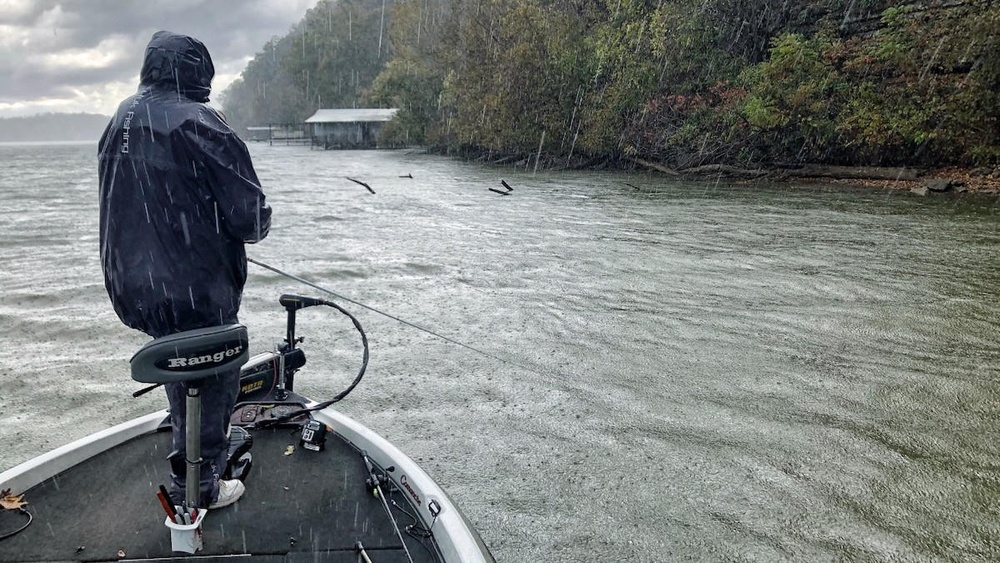
Is Bass Fishing Good After Rain
Rain can change everything about a day outdoors. For many anglers, a sudden downpour means packing up and heading home. But for those who chase bass, the time after rain can bring some of the most exciting fishing opportunities of the year.
Water conditions, bass behavior, and weather all shift in a matter of hours. Is bass fishing good after rain? The answer is more interesting—and more promising—than you might think.
This article explores why bass fishing after rain can be so rewarding. We’ll look at the science behind bass activity, practical techniques, timing, what gear works best, and common mistakes people make. Whether you’re a beginner or an experienced angler, you’ll find clear, practical advice on how to turn rainy weather into your advantage.
How Rain Changes The Water
After rain, the surface and the layers of a lake or river are different from what you see on a normal day. Rainwater does more than just make the ground wet; it brings in new nutrients, cools the water, and changes how bass and their prey act.
Water Clarity
Rain usually makes water murkier. As runoff flows into the lake, it carries dirt, leaves, and even small bugs. This reduced visibility can help anglers. Bass use their sense of sight to hunt, but when the water is cloudy, they rely more on vibration and smell. This means using lures that make noise or move a lot can attract more bites.
Oxygen Levels
A rainstorm adds fresh oxygen to the surface water. Bass, like all fish, are sensitive to oxygen. High oxygen levels can make them more active and willing to chase food. This is especially true on hot summer days, when deeper water may have less oxygen.
Temperature Shifts
Rain often cools the surface of the water. Bass, especially in summer, may move closer to the shore or to shallower depths where the water is now cooler and more comfortable. This can make them easier to reach from the bank or a small boat.
Insect And Bait Activity
Runoff brings worms, bugs, and other small creatures into the water. These become food for smaller fish, and bass quickly follow the action. Sometimes, you can see small fish or baitfish swarming near creek mouths or muddy inflows right after a rain.
Non-obvious insight: Some anglers overlook how small temperature changes can push bass into new locations. Even a drop of a few degrees can move them from deep water into shallows.
Bass Behavior After Rain
Understanding how bass act after rain is key to finding and catching more fish. Their activity level, feeding habits, and location all change in response to the new conditions.
Increased Feeding
Bass are opportunistic feeders. After rain, new food sources appear, and visibility drops. This combination makes bass more aggressive. They may chase prey in open water or ambush them near cover.
Movement Patterns
Rain often causes bass to spread out. Instead of staying in one deep spot, they may roam the shoreline, creek mouths, or areas where new water flows in. This is especially true for largemouth bass.
Preferred Cover
Bass like to stay near cover—things like logs, rocks, weed beds, or docks. After rain, they may move closer to these areas to ambush prey that gets washed in or disoriented by the changing water.
Post-rain Lulls
Not every moment after rain is perfect. If the rain is cold and heavy, it can actually shock the fish and make them less active for a short period. But once the water settles, the bite often picks up quickly.
Non-obvious insight: Anglers sometimes miss the “window” right after a rain stops. Bass can feed heavily for a short time, then slow down as conditions stabilize.
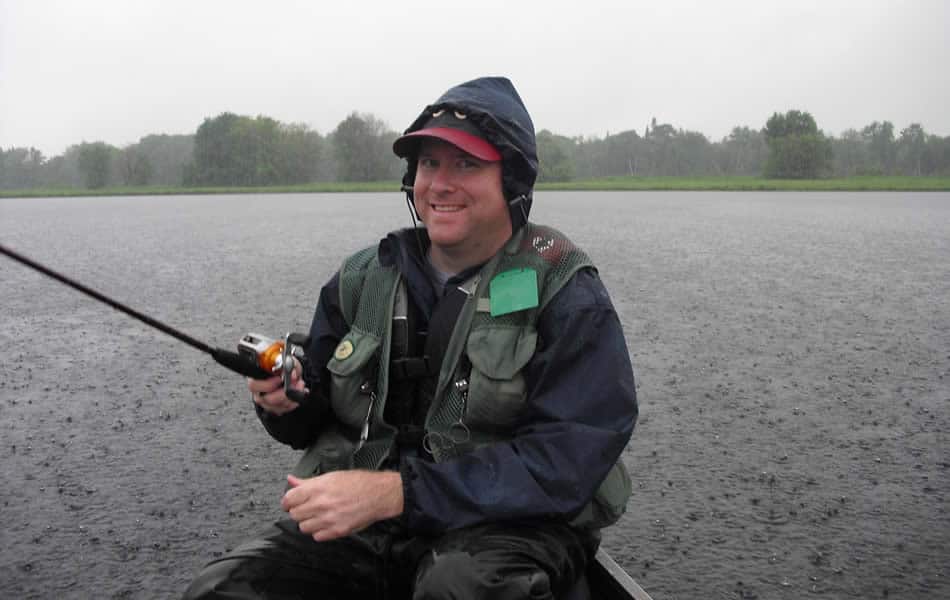
Credit: ioutdoor.com
Best Times To Fish For Bass After Rain
Timing is everything in fishing. After rain, certain windows are much better than others. Knowing when to go can make the difference between a slow day and a record catch.
Immediately After The Rain Stops
As soon as the rain ends and the clouds start to part, bass often move into shallow water to feed. This is especially true if there’s a gentle breeze and the water is still a bit cloudy.
Overcast And Cloudy Skies
Cloud cover keeps the light low, and bass are more likely to hunt in open water. If the rain is part of a longer cloudy period, you might have several hours of great fishing.
Early Morning Or Late Evening
These are always good times for bass, but after rain, they can be even better. The combination of low light and fresh water brings bass to the edges of lakes and rivers.
When Water Is Rising
If you notice the water level going up after a rain, focus on flooded grass, bushes, or new shoreline. Bass love to explore fresh areas for food.
Avoiding The “dead Zone”
Right during a heavy cold downpour, bass may become sluggish. Give it an hour or two after the rain stops before you start fishing hard.
Where To Find Bass After Rain
Location is one of the most important factors. Rain changes where bass hang out. Here are some of the best places to look after a storm.
Creek Mouths And Inflows
Where fresh water enters a lake or river, you’ll often find a mix of baitfish and active bass. The moving water brings in food and stirs up insects.
Shallow Flats
After rain, these areas warm up quickly and attract both bait and bass. Look for shallow spots with some cover, like grass or lily pads.
Points And Drop-offs
A “point” is a spot where land sticks out into the water. Bass use these as ambush points, especially when prey is on the move after rain.
Submerged Vegetation
Weed beds, underwater grass, or lily fields can hold a lot of bass. Rainwater carries food and oxygen into these areas, attracting fish.
Around Manmade Structures
Docks, bridges, and piers often have fish hiding underneath. After rain, bass may use these spots for shelter and to chase bait.
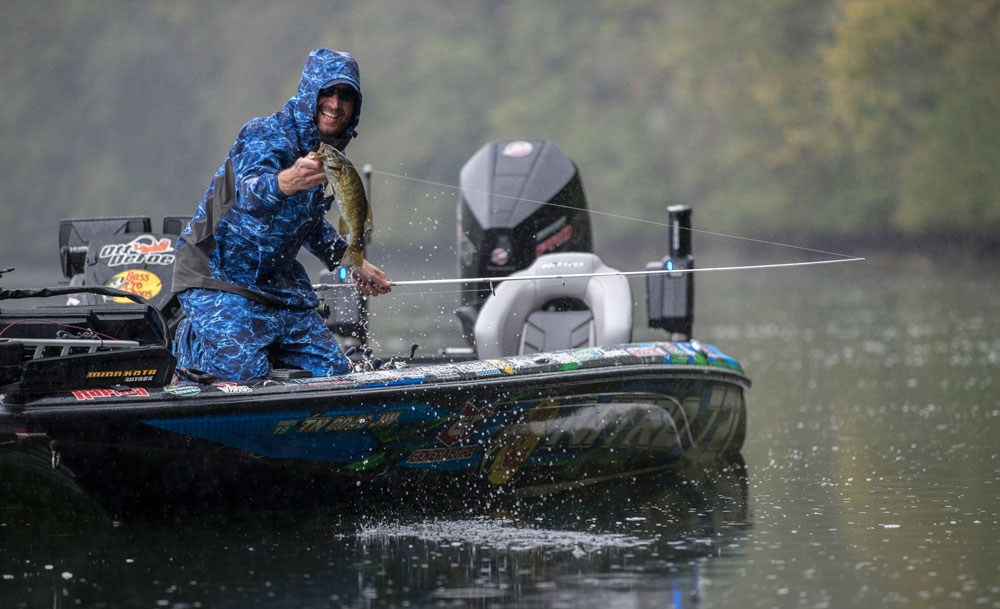
Credit: www.mossyoak.com
Best Techniques And Lures For Bass Fishing After Rain
Choosing the right technique and lure can make a huge difference. After rain, conditions demand a change from your usual approach.
Using Noisy And Vibrating Lures
Because the water is less clear, bass rely more on their lateral line—the sense that detects vibrations. Lures that rattle, buzz, or wiggle are easier for them to find.
Common choices:
- Spinnerbaits: Flashy and noisy, great for murky water
- Chatterbaits: Vibrate strongly, even at slow speeds
- Crankbaits: Can dive to different depths and make a lot of movement
- Buzzbaits: Excellent for topwater action when bass are shallow
Soft Plastics For Slow Presentations
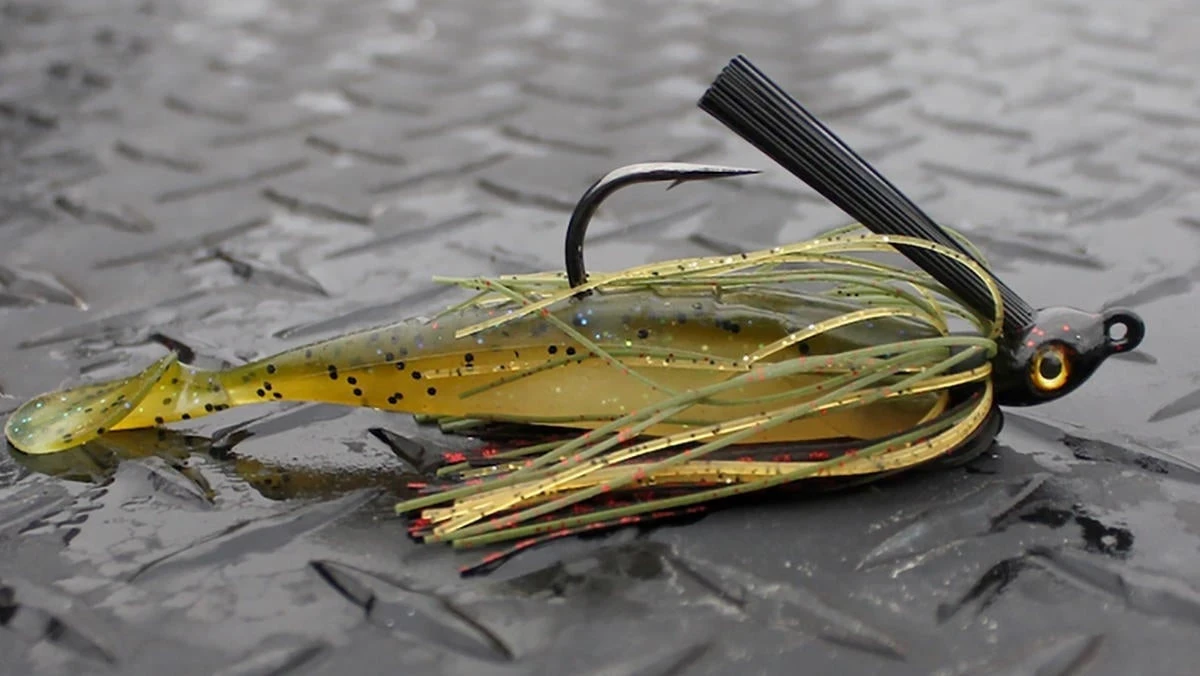
Sometimes, especially if the rain was heavy and cold, bass won’t chase fast lures. In these moments, use soft plastics like worms, craws, or creature baits. Fish them slowly near cover.
Topwater Lures
If the rain has just stopped and the surface is calm, try a topwater lure like a frog or a popper. Bass love to strike on the surface when insects and small fish are active.
Matching Color To Water Clarity
In muddy water, bright colors like chartreuse, white, or orange help bass find your lure. In slightly stained water, try darker colors like black or blue.
Adjust Your Retrieval Speed
After rain, experiment with how fast you reel in your lure. Sometimes a fast, noisy retrieve works best, but if bass are sluggish, slow down and pause your bait near cover.
Practical tip: Many anglers fail to switch up lures and speeds after rain. Don’t stick to your usual routine—experiment until you find what works.
Gear Recommendations For Post-rain Bass Fishing
Having the right equipment helps you deal with new challenges after rain. Here’s what to consider:
Rods And Reels
- Medium-heavy rods: Give you enough power to pull bass out of thick cover.
- Fast action tips: Help you feel subtle bites in murky water.
- Reels with strong drag: Important if you hook a big fish near cover.
Line Choice
- Braided line: Great for fishing in heavy vegetation or muddy water, since it doesn’t stretch and is very strong.
- Fluorocarbon line: Sinks faster and is less visible, good for clear or slightly stained water.
Lure Storage
After rain, lures can get wet and rusty. Use waterproof tackle boxes and dry your gear after each trip.
Rain Gear
A lightweight, breathable rain jacket and waterproof boots keep you comfortable. Wet clothes can ruin a good fishing trip.
Electronics
A fish finder can help you locate bass in deeper water or in areas where visibility is poor.
Safety Gear
Rain can make banks slippery and cause fast currents. Always wear a life jacket if you’re fishing from a boat, kayak, or near deep water.
Quick comparison: Here’s a look at how different line types perform in post-rain conditions.
| Line Type | Visibility | Strength | Best Use After Rain |
|---|---|---|---|
| Braided | Low in muddy water | Very high | Thick cover, murky water |
| Fluorocarbon | Very low | High | Clear or lightly stained water |
| Monofilament | Medium | Medium | Topwater lures, floating presentations |
Comparing Bass Fishing Before And After Rain
You might wonder: how does bass fishing after rain really compare to normal conditions? There are some clear differences in fish behavior and angler results.
| Condition | Bass Activity | Lure Choice | Location |
|---|---|---|---|
| Before Rain | Less active, predictable | Natural colors, subtle lures | Deeper water, stable cover |
| After Rain | More active, aggressive | Loud, bright, or vibrating lures | Shallow flats, creek mouths, new inflows |
Common Mistakes When Bass Fishing After Rain
Even experienced anglers can make errors in post-rain conditions. Here are some of the most frequent mistakes and how to avoid them:
- Fishing Too Deep: After rain, bass often move shallower. If you spend all your time in deep water, you might miss the action.
- Using the Wrong Colors: Dark or bright lures usually work better in muddy water. Using natural colors can make your bait hard to see.
- Ignoring New Cover: Flooded bushes, grass, or debris can be hotspots. Don’t just fish your usual spots.
- Not Adjusting Retrieval Speed: Bass may want a faster or slower lure after rain. Change your speed until you find what works.
- Skipping Safety Checks: Wet conditions can be dangerous. Always check your footing and wear a life jacket if needed.
- Overlooking Small Inflows: Even tiny creeks or ditches can attract bass after rain. Explore new areas.
- Giving Up Too Soon: Sometimes the bite picks up hours after a rain stops. Be patient and persistent.
Pro tip: Many anglers focus only on big, obvious inflows. But small trickles of water can sometimes hold the biggest bass, especially if they bring in food.
Real-world Examples And Success Stories
Stories from real anglers help show how good bass fishing can be after rain. Here are a few examples:
- Lake Guntersville, Alabama: After a summer thunderstorm, local angler Mike T. caught five bass over 4 pounds in just two hours, all near a small creek mouth where dirty water was flowing in.
- California Delta: In late spring, heavy rain brought thousands of worms and bugs into the sloughs. Anglers reported catching bass non-stop for hours using bright spinnerbaits and chatterbaits.
- Lake Erie, Ohio: After a cold rain, fishing was slow for an hour. But as the sun came out, bass moved onto shallow rocky points and hit topwater lures aggressively.
Key takeaway: Watch how the water changes. Even if fishing is slow at first, things can improve quickly as bass adjust to new conditions.
Local Laws And Conservation Tips
Fishing after rain can be productive, but it’s important to follow local rules and protect fish populations for the future.
- Check regulations: Some lakes or rivers have special rules after heavy rain or flooding. These can include catch-and-release zones, closed areas, or limits on bait types.
- Handle bass with care: Wet hands before touching fish to avoid damaging their protective slime.
- Respect private property: Rain can cause flooding, so be careful not to trespass on private land when accessing new water.
- Leave no trash: Rain can wash litter into the water. Always pack out what you bring in.
For more on fishing laws and conservation, visit the U.S. Fish & Wildlife Service.
Advanced Strategies For Experienced Anglers
If you’ve mastered the basics, here are some extra tactics for post-rain bass fishing:
- Use scent attractants: In muddy water, adding scent to your lures can help bass find them.
- Focus on transition zones: Areas where shallow water drops off quickly often hold bass after rain.
- Try flipping and pitching: These precise casting techniques help you reach bass hiding deep in cover.
- Night fishing: After a rainy day, bass may feed well after dark, especially in the summer.
Expert insight: Watch for subtle signs like small baitfish jumping, birds diving, or changes in water color. These can point you to the most active spots.
Frequently Asked Questions
Does Rain Always Improve Bass Fishing?
Not always, but often. Light to moderate rain usually improves bass activity by cooling the water and adding oxygen. Very cold or heavy rain can slow things down for a short time, but the bite often picks up as conditions stabilize.
What Is The Best Lure To Use After Rain?
No single lure works every time, but spinnerbaits, chatterbaits, and crankbaits with bright colors or strong vibrations are excellent choices in murky water. If bass are slow, try soft plastics like worms or craws fished near cover.
Where Should I Fish For Bass After Heavy Rain?
Focus on creek mouths, inflows, flooded grass, and shallow flats. These areas attract baitfish and active bass. Also, check for new cover created by rising water.
Is It Safe To Fish After Rain?
It can be, but always be careful. Wet banks are slippery, and water currents can be stronger than normal. Always wear a life jacket near deep or moving water, and check local conditions before you go.
Why Do Bass Bite Better After Rain?
Rain changes the water’s temperature, oxygen, and clarity. It brings in new food sources, making bass more active and aggressive. The reduced visibility also allows them to hunt more successfully.
Bass fishing after rain can be one of the most exciting experiences on the water. By understanding how rain changes the environment and how bass respond, you can turn a gloomy day into a great fishing adventure. Adapt your approach, stay safe, and enjoy the unique opportunities that rainy weather brings.
Credit: www.wired2fish.com