
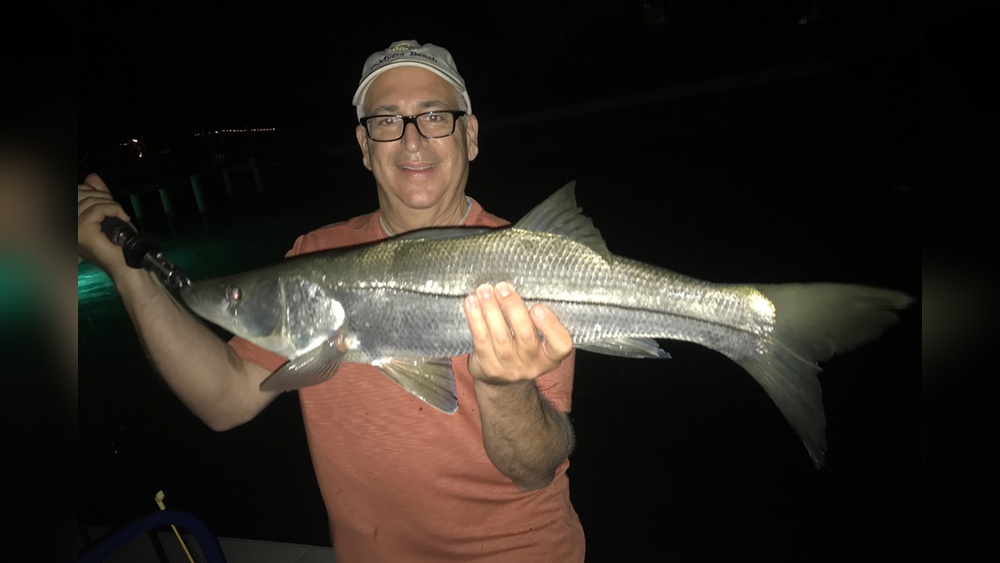
Fishing is one of those hobbies that brings people closer to nature. Many anglers wonder if they can go fishing at night, and whether it is safe, legal, or even effective. For some, the idea of fishing under the stars sounds exciting, but they are unsure how to start.
For others, night fishing is already a tradition. This article explores everything you need to know about fishing after sunset—from regulations and safety, to the best techniques and fish species. If you are thinking about trying night fishing, or just curious about how it works, you will find clear answers here.
Is Night Fishing Allowed?
The first question for many people is whether night fishing is legal. In most places in the United States and around the world, fishing at night is allowed. However, there are important rules to follow. Every state or country has its own fishing regulations, and these can change depending on the location, the season, and the species you want to catch.
Some lakes, rivers, or coastal areas may close at night for safety or conservation reasons. In other locations, night fishing is encouraged because certain fish are more active after dark. Always check local regulations before you plan a night fishing trip.
You can find this information on official government websites, local fishing guides, or by asking park rangers.
Common Night Fishing Regulations
- Permits: You usually need a valid fishing license. Some places may require special night fishing permits.
- Hours: Some waters close at sunset or have restricted hours.
- Species limits: Certain fish may be protected at night or have seasonal restrictions.
- Equipment rules: Some areas limit the types of lights or electronic devices you can use.
Ignoring these rules can lead to fines or losing your fishing privileges. For up-to-date information, you can check resources like the US Fish & Wildlife Service.
Why Fish At Night?
Night fishing is not just allowed, but it is often more productive. Many fish feed actively after sunset. Cooler temperatures and reduced light make fish feel safer, so they leave their hiding spots to hunt. This is especially true in warmer months, when the water surface can get hot during the day.
Key Advantages
- Less competition: Fewer anglers means more space and less noise.
- Fish activity: Predators like catfish, bass, and walleyes feed at night.
- Lower temperatures: Fish move shallower when the water cools.
- Unique experience: The silence, sounds, and stars make for a special trip.
Some people are surprised to learn that certain fish species are almost impossible to catch during the day, but become easy targets after dark. For example, channel catfish and striped bass are famous for night feeding.
Safety Considerations For Night Fishing
Fishing at night comes with different risks compared to daytime trips. You need to prepare carefully to stay safe, especially if you are fishing near water or in remote areas.
Essential Safety Tips
- Bring a buddy: Never fish alone at night, especially if you are new.
- Use lights: Headlamps, lanterns, and glow sticks help you see and be seen.
- Wear a life jacket: If fishing from a boat or near deep water, always wear one.
- Know your spot: Visit during the day first to learn safe paths and hazards.
- Carry a phone: Keep it charged, and know the emergency numbers.
- Dress appropriately: Use warm clothes and waterproof gear.
- Avoid alcohol: Stay alert and sober.
Night fishing can be peaceful, but darkness hides dangers. Slips, falls, and getting lost are more common at night. Also, insects like mosquitoes are more active, so bring repellent.
Night Fishing Safety Checklist
- Check weather forecasts before leaving.
- Inform someone of your location and return time.
- Pack extra batteries for lights.
- Bring a small first aid kit.
- Use reflective tape on gear and clothing.
Unexpected issues, such as sudden storms or equipment failure, are harder to handle in the dark. Planning ahead keeps your trip enjoyable.
Best Fish Species For Night Fishing
Not all fish are equally active at night. Some species are famous for biting after sunset, while others rest or hide.
Popular Night Fishing Targets
- Catfish: Channel, blue, and flathead catfish feed aggressively at night.
- Bass: Largemouth and smallmouth bass hunt shallow waters.
- Walleye: These fish have excellent night vision.
- Crappie: Often gather around lighted docks.
- Striped bass: Known for night feeding in rivers and lakes.
Other species, like carp and trout, can also be caught at night, but they are less predictable.
When Fish Are Most Active
Many fish use low light to hunt. For example, walleye have special eyes that let them see in the dark. Catfish use their sense of smell and taste to find food. Bass often attack surface lures at night, making for exciting strikes.
Here is a comparison of typical activity levels for popular fish:
| Fish Species | Day Activity | Night Activity |
|---|---|---|
| Catfish | Moderate | High |
| Bass | High | Moderate to High |
| Walleye | Low | High |
| Crappie | Moderate | Moderate |
| Striped Bass | Moderate | High |

Credit: pacificdrifterguideservice.com
Equipment For Night Fishing
Fishing after dark requires special gear. The right equipment makes the experience easier and safer. Beginners often overlook key tools that help them see, stay organized, and attract fish.
Essential Night Fishing Gear
- Lights: Headlamps, lanterns, and small LED lights. Choose waterproof models.
- Glow-in-the-dark lures: Attract fish with visible movement.
- Rod holders: Keep your rod stable while you wait for bites.
- Reflective tape: Mark your equipment for easy spotting.
- Bug spray: Mosquitoes are more active at night.
- Cooler and snacks: Keep hydrated and energized.
Many anglers also use fish finders with night mode. These devices use sonar to locate fish, even when you cannot see the water clearly.
Comparing Night Fishing Lights
The right light can make or break your trip. Here’s a quick comparison:
| Type | Brightness (Lumens) | Battery Life | Waterproof | Best Use |
|---|---|---|---|---|
| Headlamp | 100-300 | 6-24 hrs | Yes | Hands-free tasks |
| Lantern | 200-1000 | 10-48 hrs | Some models | Area lighting |
| LED Stick | 50-150 | 12-36 hrs | Yes | Marking gear/spotting |
For beginners, headlamps are the most versatile. Lanterns are great for group trips or stationary fishing, while LED sticks help mark the edges of piers or boats.
Techniques For Successful Night Fishing
Night fishing is not just about using the right gear—it also requires smart techniques. Fish behave differently after sunset, so you need to adjust your methods.
Key Night Fishing Strategies
- Use slow-moving lures: Fish rely more on vibration and sound than sight.
- Fish near light sources: Docks, bridges, and lamps attract baitfish and predators.
- Target shallow areas: Many fish move closer to shore at night.
- Listen for movement: Sounds are often your best clue.
- Experiment with scents: Fish like catfish find bait by smell.
One common mistake is using the same techniques as during the day. At night, fish need help finding your bait. Adding a rattle or scent to your lure increases your chances.
Example: Night Fishing For Catfish
Catfish are famous for feeding at night. Here’s how many anglers catch them:
- Use stinky bait like chicken liver or stinkbait.
- Cast near fallen trees or deep holes.
- Wait patiently, as catfish often investigate before biting.
- Use a rod holder and listen for your line to move.
Many beginners miss that catfish can take 10-20 minutes to approach bait. Patience is key.

Credit: www.in-fisherman.com
Preparing For Your First Night Fishing Trip
If you have never fished at night, preparation makes the difference between a fun adventure and a frustrating outing. Here’s how to get ready:
Step-by-step Preparation
- Scout your spot: Visit during the day. Look for safe entry points and hazards like rocks, holes, or slippery banks.
- Check the weather: Avoid storms or sudden temperature drops.
- Pack extra gear: Bring spare lights, batteries, and backup fishing supplies.
- Plan your bait: Use strong-smelling or glowing bait to attract fish.
- Charge your phone: Keep it in a waterproof case.
- Invite a friend: Two people can help each other if problems arise.
- Set up camp: If staying overnight, bring a tent or shelter.
Common Beginner Mistakes
- Not checking regulations or permits.
- Forgetting bug spray or warm clothes.
- Using the same lures as daytime fishing.
- Not marking gear, leading to lost equipment.
- Underestimating darkness—bring more lights than you think you need.
A little planning prevents most problems and makes night fishing enjoyable.
Where To Go Night Fishing
Your location affects your success. Some spots are much better for night fishing than others.
Best Locations
- Lakes: Many lakes allow night fishing, especially for catfish and bass.
- Rivers: Deeper pools and slow-moving parts are ideal.
- Piers and docks: Lights attract baitfish, which bring predators.
- Beaches: Surf fishing works well for striped bass and sharks.
Urban areas with lighted piers are popular for beginners. Rural spots offer more solitude but require extra caution.
Choosing A Good Night Fishing Spot
Look for areas with:
- Safe access (no steep banks or slippery rocks)
- Nearby parking or emergency help
- Known fish populations
- Some lighting (not too bright, but enough to attract baitfish)
Here’s a quick comparison:
| Location | Fish Species | Safety Level | Accessibility |
|---|---|---|---|
| Lake | Bass, Catfish, Crappie | High | Easy |
| River | Walleye, Catfish, Carp | Moderate | Medium |
| Pier/Dock | Striped Bass, Crappie | High | Easy |
| Beach | Striped Bass, Shark | Low | Medium |
For your first trip, choose a lake or dock with clear paths and emergency help nearby.

Credit: ahrexhooks.com
Environmental Impact And Ethics
Fishing at night can have extra impacts on the environment. Fish are sensitive to light, noise, and disturbance. Ethical anglers respect both the fish and the habitat.
Responsible Night Fishing Practices
- Use minimal lighting: Too much light can scare fish and harm local wildlife.
- Avoid loud noises: Fish are more sensitive to vibration at night.
- Catch and release: If not keeping your catch, handle fish gently and release quickly.
- Leave no trace: Pack out all trash, bait containers, and gear.
Some people do not realize that strong lights can disrupt spawning fish or attract unwanted predators. Use only what you need.
Night Fishing In Different Seasons
Seasonal changes affect night fishing. In summer, fish move shallow to escape the heat. In winter, night fishing is less common, but some species still bite.
Seasonal Tips
- Spring: Fish feed heavily after sunset. Look for shallow areas.
- Summer: Best season for night fishing. Fish hunt in cooler water.
- Fall: Fish prepare for winter, often feeding at dusk.
- Winter: Few species feed at night, but some lakes allow ice fishing after dark.
Always check local regulations, as some places close during certain months.
Night Fishing For Families And Kids
Many families enjoy night fishing together. It can be a fun way to bond, learn, and experience nature. However, extra care is needed when bringing children.
Family Night Fishing Tips
- Choose safe, well-lit spots.
- Bring snacks, water, and warm clothes.
- Use simple gear—small rods, bobbers, and glow lures.
- Teach kids to respect fish and nature.
- Keep trips short to avoid fatigue.
Some parents worry about safety, but with planning, night fishing can be a great family activity.
Frequently Asked Questions
Is Night Fishing Legal Everywhere?
No, night fishing is not legal everywhere. Laws vary by state, country, and even by individual lakes or rivers. Always check local rules before fishing at night.
What Is The Best Bait For Night Fishing?
Strong-smelling bait like chicken liver, stinkbait, or nightcrawlers works well. Glow-in-the-dark lures also attract fish. For bass, use noisy or scented soft plastics.