
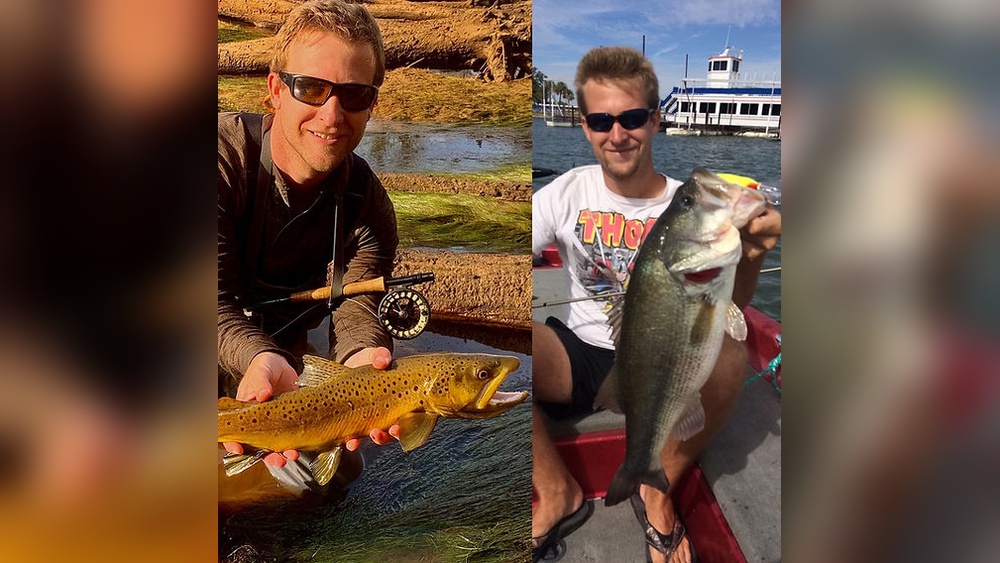
Bass fishing and trout fishing are two of the most popular freshwater angling experiences in the world. Both offer excitement, challenge, and the joy of being close to nature, but they are far from the same. If you are new to fishing or looking to expand your skills, understanding the real differences between bass and trout fishing will help you succeed and enjoy your time on the water.
This guide breaks down each type, explores their unique challenges, and offers practical tips to help you choose — or master — both.
The Basics: What Are Bass And Trout?
Many beginners confuse the two or think fishing for one is much like fishing for the other. In reality, bass and trout are very different fish.
Bass (mainly largemouth and smallmouth) are aggressive, warm-water fish, often found in lakes, ponds, and slow-moving rivers. They are famous for their hard strikes and acrobatic jumps. Trout (like rainbow, brown, and brook trout), on the other hand, prefer cooler, well-oxygenated water, often found in streams, rivers, and cold-water lakes. Trout are known for their wary nature and beautiful colors.
Both fish are prized, but catching them requires different knowledge, gear, and techniques.
Key Differences: Bass Fishing Vs Trout Fishing
Understanding the contrasts between bass and trout fishing is essential before heading to the water. Here are the main differences:
| Aspect | Bass Fishing | Trout Fishing |
|---|---|---|
| Typical Habitat | Warm lakes, ponds, slow rivers | Cold streams, rivers, clear lakes |
| Water Temperature | 65–85°F (18–29°C) | 45–65°F (7–18°C) |
| Common Species | Largemouth, Smallmouth Bass | Rainbow, Brown, Brook Trout |
| Main Techniques | Lure casting, power fishing | Fly fishing, spinning, bait fishing |
| Typical Bait/Lures | Plastic worms, crankbaits, spinnerbaits | Flies, small spinners, live bait |
| Fight Style | Aggressive, jumps, pulls hard | Runs, head shakes, subtle strikes |
| Best Times | Spring–Fall, early morning/evening | Year-round (varies), cooler months |
Gear And Tackle: What You Need For Each
Choosing the right gear is critical. Using bass gear for trout, or vice versa, can make fishing much harder.
Bass Fishing Gear
- Rod and Reel: Medium or medium-heavy action rods (6–7 feet), baitcasting or spinning reels
- Line: 8–20 lb test monofilament or braided line
- Lures: Plastic worms, jigs, spinnerbaits, crankbaits, topwater lures
- Hooks: Wide-gap hooks (2/0–5/0 size)
Pro tip: Bass are not line-shy, so you can use thicker, stronger line without worrying about scaring them away.
Trout Fishing Gear
- Rod and Reel: Ultralight or light rods (5–6.5 feet), spinning or fly reels
- Line: 2–6 lb test monofilament or fluorocarbon
- Lures: Small spinners, spoons, flies, live bait (worms, salmon eggs)
- Hooks: Small, fine-wire hooks (size 8–16)
Key insight: Trout have sharp vision and are easily spooked by thick lines or big lures. Always go as light and natural as conditions allow.
Techniques: How To Catch Bass Vs Trout
The way you fish for each species is shaped by their behavior and environment.
Bass Fishing Techniques
- Power Fishing: Casting and retrieving lures quickly to cover lots of water and trigger reaction strikes.
- Pitching and Flipping: Dropping baits accurately into heavy cover (weeds, timber) where big bass hide.
- Topwater Fishing: Using floating lures early or late in the day to create explosive surface strikes.
- Slow Presentation: Dragging soft plastics along the bottom when bass are less active.
Real-world example: On a warm afternoon, bass may be hiding under lily pads. Skipping a frog lure across the surface can trigger aggressive bites.
Trout Fishing Techniques
- Fly Fishing: Casting artificial flies with special lines to imitate insects or small fish. Often the most effective for wild trout.
- Drift Fishing: Letting live bait or small lures move naturally with the current.
- Still Fishing: Suspending bait under a float in lakes or calm pools.
- Ultra-Light Spinning: Casting tiny lures for stocked or wild trout in small streams.
Common mistake: Many beginners move their bait or fly too much. Trout often prefer a natural, almost motionless presentation.

Credit: www.texassaltwaterfishingmagazine.com
Understanding Fish Behavior
Success in fishing often comes down to understanding how bass and trout act during different seasons and times of day.
Bass Behavior
- Aggressive Feeders: Especially in spring and fall, bass chase prey and strike boldly.
- Structure-Oriented: Bass love cover—rocks, logs, weeds, docks.
- Warm Water Lovers: Bass get sluggish in cold water, so fishing slows in winter.
Trout Behavior
- Cautious Feeders: Trout test food before biting. They often feed just below the surface.
- Sensitive to Light and Sound: Trout flee from sudden shadows or loud noises.
- Temperature Sensitive: Trout need cooler, well-oxygenated water and move to deeper or faster areas when it’s hot.
Non-obvious insight: In clear water, wearing dull or natural-colored clothes can help you avoid spooking trout. This is much less important when bass fishing.
Where To Fish: Locations And Access
The best spots for each species can be very different.
Finding Bass
- Lakes and Ponds: Look for weed beds, docks, fallen trees, or rocky points.
- Slow Rivers: Focus on backwaters and eddies.
- Reservoirs: Bass often hold near drop-offs and submerged structures.
Finding Trout
- Cold Streams and Rivers: Pools below riffles, undercut banks, and shaded runs are prime.
- Mountain Lakes: Look for inlets, outlets, or drop-offs.
- Stocked Ponds: Often easier for beginners, but can be crowded.
Pro tip: Use online resources and local fishing reports to check recent catches and conditions. Many states publish weekly updates.
Environmental Factors
Water clarity, temperature, and weather all play big roles in both types of fishing, but in different ways.
Bass
- Stained or Murky Water: Bass use vibration and sound to find prey. Noisy lures work well here.
- Warm Weather: Best fishing is usually when water is between 65–80°F.
- Windy Days: Can improve fishing by stirring up baitfish.
Trout
- Clear Water: Trout rely on sight. Natural, small baits are critical.
- Cool Temperatures: Trout become stressed and stop biting if water gets above 68°F.
- Overcast Days: Often best for trout, as they feel safer and feed more.
Non-obvious insight: After a heavy rain, trout may move closer to the banks to catch food washed in by rising water. This is a great time for shore anglers.
Regulations And Conservation
Both bass and trout fishing are regulated to protect fish populations and habitats.
- Bass: Seasons, size limits, and bag limits vary by state or country. Catch-and-release is common, especially for large fish.
- Trout: Often stricter rules, especially on wild trout streams. Some areas require barbless hooks or artificial lures only.
Always check local regulations before fishing. Healthy fish populations mean more great fishing in the future.
Cost And Accessibility
Getting started in each type of fishing varies in cost and effort.
Bass Fishing Costs
- Gear: Basic combo kits can be affordable, but specialized gear (like baitcasting rods and electronics) can get expensive.
- Access: Public lakes are common, but some of the best spots may require a boat.
Trout Fishing Costs
- Gear: Ultralight spinning setups are very affordable. Fly fishing, however, can get costly with rods, reels, and waders.
- Access: Many streams and small lakes are public, but remote locations may require hiking or special permits.
Pro tip: For beginners, try local public waters with a simple spinning rod. You can target both species, depending on what’s stocked or available.
Comparing The Challenge: Which Is Harder?
Many anglers wonder which type of fishing is more difficult. The answer depends on your skills, location, and preferences.
| Aspect | Bass Fishing | Trout Fishing |
|---|---|---|
| Learning Curve | Medium (casting, lure choice) | High (presentation, stealth) |
| Physical Demand | Moderate (casting, reeling) | Can be high (hiking, wading) |
| Fish Selectivity | Lower (often bite many lures) | Higher (very picky eaters) |
| Gear Sensitivity | Lower (heavier line and gear OK) | High (light line, careful presentation) |
| Beginner Friendliness | Very good | Good, but more challenging for fly fishing |
Key insight: Catching big, wild trout in clear streams is often harder than catching bass in a pond. But bass can be more challenging in pressured lakes or during tournaments.
Which Is Right For You?
Choosing between bass and trout fishing depends on your goals, location, and personality.
- If you love action and power: Bass fishing offers explosive strikes and hard fights.
- If you prefer patience and finesse: Trout fishing rewards careful, quiet approaches and precise casting.
- If you want to fish close to home: Bass are more widespread in lowland areas, while trout often require travel to colder, higher places.
- If you want to eat your catch: Trout are usually considered better table fare, but always check local advisories.
Personal experience: Many anglers start with one and later try the other. Both have their own rewards and can teach you valuable fishing skills.
Practical Tips For Success
Here are some proven tips, based on years of experience, to help you get more bites and enjoy your time on the water.
- Match the Hatch: For trout, use lures or flies that look like the natural insects or baitfish in the water. For bass, use lures that mimic local prey like minnows or crayfish.
- Time Your Trips: Bass are most active at dawn and dusk. Trout may feed all day in overcast or cooler conditions.
- Stealth Matters: For trout, approach quietly and keep your shadow off the water. For bass, focus more on casting accuracy and lure action.
- Adjust for Conditions: On windy or murky days, use brighter or noisier lures for bass. In clear water, go natural and subtle for trout.
- Try Different Depths: Bass often move deeper in the heat of the day. Trout may stay near the surface if it’s cool, but go deep if it’s hot.
- Change Lures Often: If you’re not getting bites, don’t be afraid to swap colors, sizes, or types.
- Handle Fish with Care: Wet your hands before touching trout, as their protective slime is easily damaged.
- Respect Local Rules: Not only to avoid fines but to help conserve fish populations for the future.
Common Mistakes Beginners Make
If you’re new to either style, watch out for these errors:
- Using line that’s too heavy for trout, making it easy for them to see and avoid.
- Fishing too fast or loud for wary trout—slowing down and staying quiet makes a huge difference.
- Not covering enough water when bass fishing—sometimes the fish are spread out, so keep moving.
- Failing to check local fishing reports or regulations, which can lead to wasted trips or fines.
- Keeping fish in hot weather—especially trout. They stress easily and may die if not released quickly.
What Experienced Anglers Know
After years on the water, the best anglers learn to read the conditions and adapt. Here are two advanced tips:
- Weather Patterns: For bass, a falling barometer before a storm often triggers a feeding frenzy. For trout, stable, overcast days are ideal.
- Natural Edges: Both species relate to edges—like where weeds meet open water (for bass) or where riffles meet pools (for trout). Focus your efforts on these transition zones.

Credit: www.georgiawildtrout.com
Learning Resources
If you want to dive deeper, there are plenty of books, online forums, and local clubs dedicated to both bass and trout fishing. For up-to-date information on regulations and conservation, visit the U.S. Fish & Wildlife Service.
Frequently Asked Questions
What’s The Main Difference In Fishing Techniques For Bass And Trout?
Bass fishing often uses heavier rods and lures, and focuses on active, aggressive techniques like casting and retrieving. Trout fishing usually needs lighter gear and more finesse, with natural or fly presentations. Trout fishing rewards patience and careful casting, while bass fishing is more about covering water and triggering reaction bites.
Can I Use The Same Rod And Reel For Both Bass And Trout Fishing?
It’s possible, but not ideal. A medium-light spinning rod with 6–8 lb line can work for both in a pinch, but it will be too heavy for small trout and a bit light for big bass. If you plan to fish for both, consider getting a separate ultralight setup for trout and a medium setup for bass.
Do Bass And Trout Live In The Same Waters?
Rarely. Bass prefer warmer, slower water like ponds and lakes, while trout need cold, oxygen-rich streams and lakes. There are a few locations, such as some large reservoirs, where both can be found, but they usually stay in different parts of the water.
Which Fish Is Better For Eating: Bass Or Trout?
Most anglers agree that trout have a milder, more pleasant flavor and finer texture. Bass, especially largemouth, can have a stronger, sometimes muddy taste if taken from warm, weedy waters. However, taste is personal, and both can be good if prepared fresh.
Do I Need A Special License For Bass Or Trout Fishing?
In most places, a basic fishing license covers both. However, some trout waters require an extra “trout stamp” or special permit. Always check your local regulations before fishing.
Bass fishing and trout fishing each offer their own challenges and rewards. Whether you choose one, the other, or both, learning the specifics will help you catch more fish and enjoy your time outdoors. The best way to learn is to get out there, try different methods, and see what works for you.
Happy fishing!

Credit: www.youtube.com