
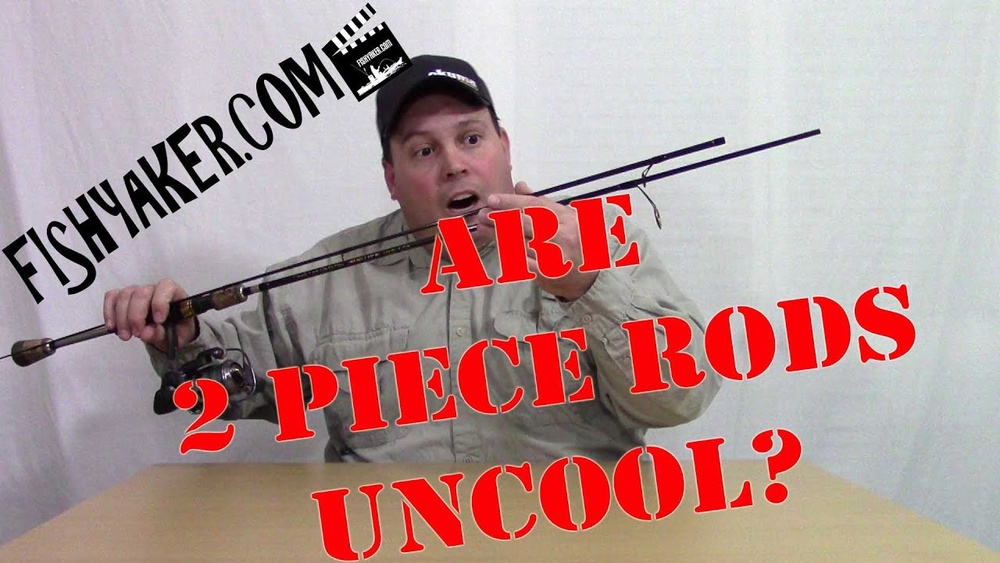
Fishing is more than just a way to catch fish—it’s a hobby, a sport, and for many, a way to relax and connect with nature. But with so many choices in gear, even picking a fishing rod can feel confusing. One question that comes up often is whether to choose a 1 piece fishing rod or a 2 piece fishing rod. Each has its own strengths and weaknesses, and the right choice depends on your fishing style, travel needs, and even your storage space. Let’s explore the key differences, pros, cons, and real-world advice to help you decide which rod is best for you.
What Are 1 Piece And 2 Piece Fishing Rods?
Before you can compare them, it’s important to understand what makes a rod 1 piece or 2 piece. A 1 piece rod is made from a single solid length of material. There are no joints or connections; it’s one continuous piece from the handle to the tip. This design is simple but effective.
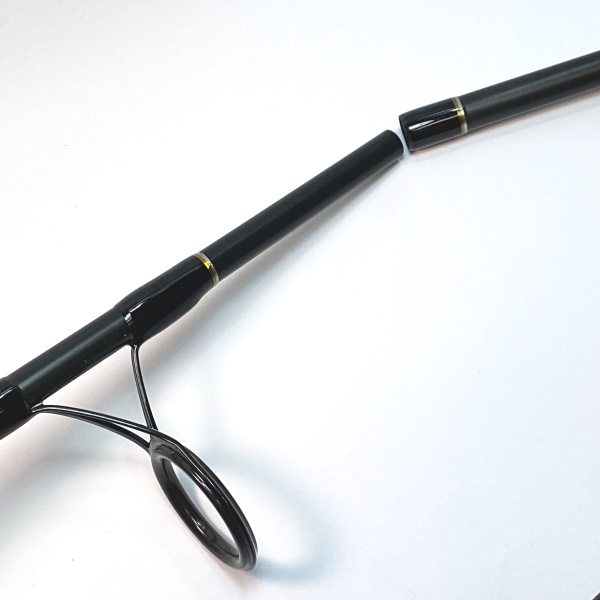
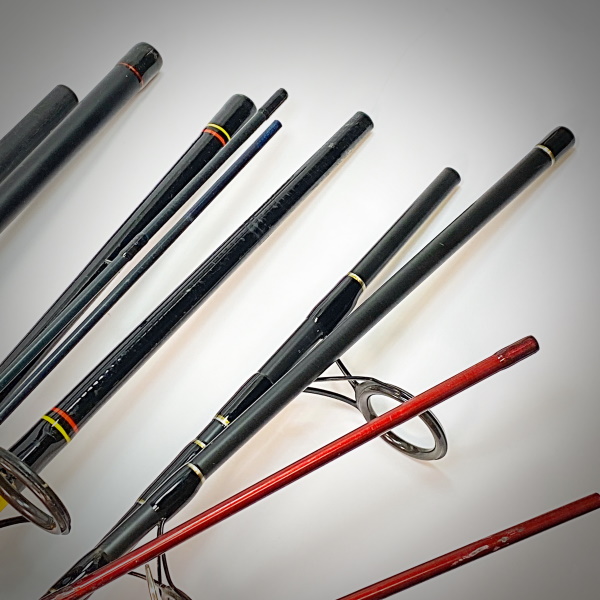
A 2 piece fishing rod breaks down into two separate sections, usually connected by a ferrule (a joint where the two parts fit together). This makes the rod much easier to transport and store. Some rods even break into more than two pieces, but for this article, we’ll focus on the classic 1 piece vs 2 piece debate.
The Main Differences: Construction And Use
The biggest difference is obvious—the number of pieces. But this simple change affects many aspects of fishing, including performance, convenience, and long-term durability.
Construction Details
A 1 piece rod has no weak points from joints, so it tends to have a smoother bend (action) and better sensitivity. A 2 piece rod has a connection point, which can slightly change how energy travels through the rod. Modern technology has made the difference smaller, but it’s still something experienced anglers notice.
Common Uses
- 1 piece rods are popular with serious anglers, especially those who fish in the same area and don’t need to travel far with their gear.
- 2 piece rods are a favorite for travelers, hikers, or anyone who needs to fit a rod in a car trunk or suitcase.
Credit: anglerwithin.com
Advantages Of 1 Piece Fishing Rods
Why do many experienced fishermen prefer 1 piece rods? The answer comes down to performance and feel.
- Better Sensitivity: With no joints, the rod transmits vibrations from the line more directly to your hand. This means you feel even small bites.
- Stronger Action: The bend is smooth and continuous, giving you more control when casting and fighting fish.
- Higher Durability: No ferrules means fewer parts that can wear out, loosen, or break.
- Less Maintenance: One solid piece means there’s nothing to check or tighten before each trip.
- Ideal for Power Fishing: If you’re casting heavy lures, targeting large fish, or need fast hook sets, a 1 piece rod performs reliably.
Real-world Example
Imagine you’re on a bass boat, making hundreds of casts in a day. Every second counts, and the more you can feel what’s happening at the end of your line, the more fish you’ll catch. That’s where a 1 piece rod shines.
Non-obvious Insight
Some beginners believe a 1 piece rod is only for professionals. This isn’t true—if you mostly fish from home or have storage, even beginners can benefit from the simple, direct feel of a 1 piece rod.
Disadvantages Of 1 Piece Fishing Rods
Of course, nothing is perfect. 1 piece rods have a few downsides that matter to many anglers.
- Transport Trouble: A 6- or 7-foot rod is hard to fit in most cars, public transport, or airplanes.
- Storage Needs: You need a safe, long spot at home or in your vehicle.
- Harder to Replace: If a 1 piece rod breaks, you usually need to replace the entire rod—not just a section.
- Less Convenient for Travel: Taking a 1 piece rod on a family vacation or hiking trip can be a big challenge.
Non-obvious Insight
Many people don’t realize that carrying a long rod can actually be dangerous in crowded places or while hiking. You might accidentally hit someone or get the tip caught in branches, increasing the risk of damage.
Advantages Of 2 Piece Fishing Rods
The main reason anglers choose 2 piece rods is convenience.
- Easy to Transport: You can break the rod in half, making it short enough to fit in cars, buses, planes, and backpacks.
- Simple Storage: No need for a long, dedicated space. Great for apartments or small homes.
- Versatile Travel: If you want to fish on vacation, you can pack your own rod instead of renting or buying a new one.
- Replaceable Sections: If one part breaks, you may only need to replace that section, not the whole rod.
- Good for Beginners: Many starter kits and combo sets come as 2 piece rods, making them accessible and affordable.
Real-world Example
Suppose you live in a city apartment and want to fish during weekends. A 2 piece rod fits in your closet and car, and you don’t need special racks or extra space.
Non-obvious Insight
Some high-end 2 piece rods are now made with ferrules that almost completely remove the “dead spot” feeling between sections. For most casual anglers, the difference in feel is barely noticeable.
Disadvantages Of 2 Piece Fishing Rods
With added convenience comes a few trade-offs.
- Slight Loss of Sensitivity: The connection point can absorb some vibrations, making it harder to detect very soft bites.
- Potential Weak Point: The ferrule joint can wear out, loosen, or break over time, especially with heavy use.
- Setup Time: You need to assemble the rod before fishing and check the joint for tightness.
- Possible Misalignment: If the sections are not perfectly aligned, the rod may not cast or fight fish as well.
- More Maintenance: Ferrules need cleaning and checking to prevent grit or corrosion.
Non-obvious Insight
Beginners often forget to check the ferrule connection during long fishing sessions. A loose joint can cause poor performance or even let the top section fly off during a cast.
Credit: www.youtube.com
Performance Comparison: 1 Piece Vs 2 Piece Rods
How do these rods perform in real fishing situations? Let’s look at the main factors.
| Feature | 1 Piece Rod | 2 Piece Rod |
|---|---|---|
| Sensitivity | Excellent—direct feel | Very good—slight loss at joint |
| Strength | High—no weak points | Good—ferrule can be a weak spot |
| Convenience | Poor—hard to transport/store | Excellent—easy to break down |
| Maintenance | Low—few things to check | Medium—ferrule needs care |
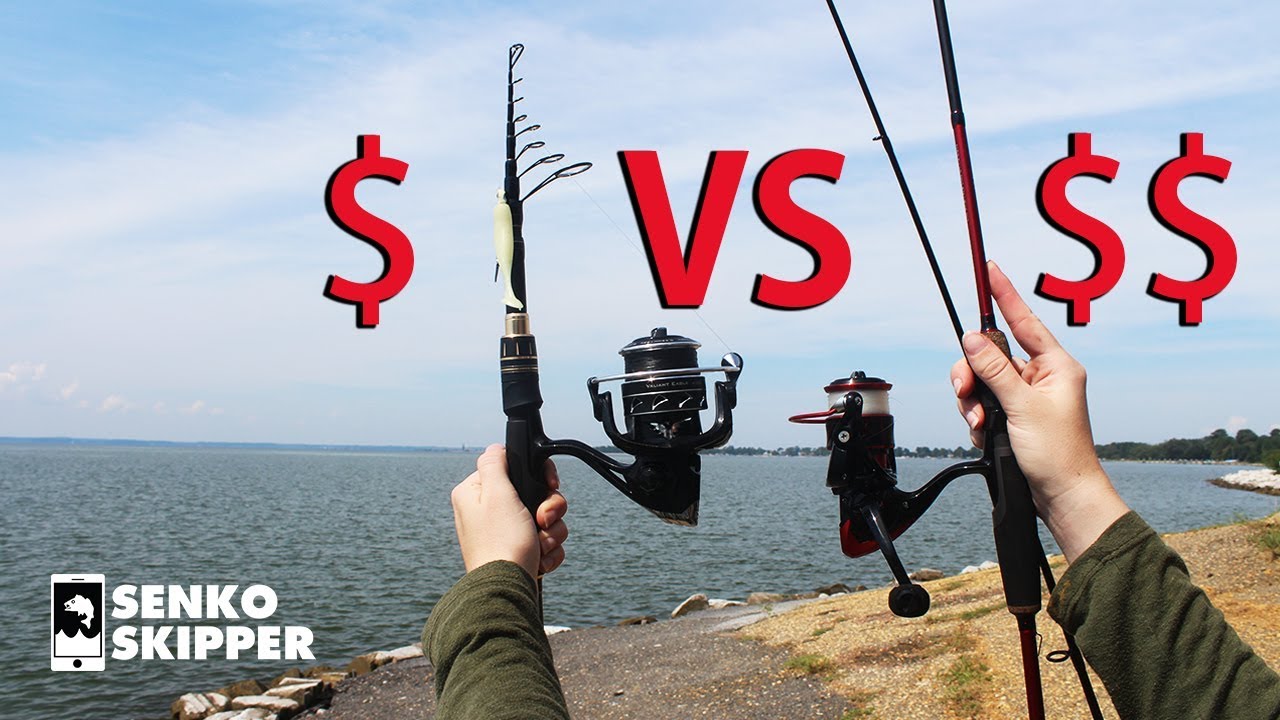
| Price | Often higher | Usually more affordable |
When Should You Choose A 1 Piece Rod?
If you want the best possible performance and have a way to carry and store a long rod, a 1 piece is often the top choice. Here are some situations where it really shines:
- Tournament Fishing: Every tiny advantage matters.
- Bass, Pike, Musky Fishing: These species demand power and sensitivity.
- Frequent Local Trips: You drive to the same fishing spot and don’t need to pack the rod.
- Saltwater Fishing: Salt can corrode joints, so a solid rod is better.
Additional Tip
If you have a garage, basement, or a dedicated rod rack, storing a 1 piece rod is much easier. Consider your home space before buying.
When Should You Choose A 2 Piece Rod?
A 2 piece rod is perfect if convenience or travel is important.
- Traveling Anglers: Going by car, train, or plane? A 2 piece rod is easier to pack.
- Hiking or Backpacking: Fits in or on a backpack for remote fishing.
- Limited Storage: Live in an apartment? No problem.
- Casual or Beginner Anglers: Easy to find, use, and replace.
- Sharing Rods: If friends or family borrow your gear, 2 piece rods are simpler to transport and assemble.
Additional Tip
When buying a 2 piece rod, always check that the joint is tight and smooth. Some cheap rods have poorly made ferrules that can break easily.
Price And Value
Cost is a real concern for most anglers. Are 1 piece rods always more expensive? Not necessarily, but in general, high-performance 1 piece rods cost more because of the materials and manufacturing.
| Rod Type | Average Price Range | Best Use Case |
|---|---|---|
| 1 Piece | $60 – $400+ | Serious anglers, tournaments |
| 2 Piece | $30 – $200 | Travel, beginners, casual use |
Important: There are budget and premium models in both categories. Always check the quality of guides, reel seat, and handle before buying.
Common Myths About 1 Piece And 2 Piece Rods
There are a few beliefs that keep getting repeated, but they aren’t always true.
- Myth: 2 piece rods are weak. Modern rods use better materials and ferrules, so most 2 piece rods are strong enough for regular fishing.
- Myth: 1 piece rods are always better. Not true—many casual anglers won’t notice the difference, and the convenience of a 2 piece rod may be more valuable.
- Myth: Joints always cause problems. With proper care and cleaning, ferrule joints can last years without issues.
- Myth: 2 piece rods are only for travel. Many people use them every day, especially in cities.
Choosing The Right Rod For Your Needs
The best rod depends on your personal situation. Here are a few questions to ask yourself:
- How will you transport your rod? If you have a small car or travel by plane, a 2 piece rod is a smart choice.
- Where will you store it? If you have space at home, a 1 piece rod is fine.
- How often will you fish? If you fish a lot and want top performance, a 1 piece rod can be worth it.
- What species are you targeting? Bigger fish need stronger rods, and 1 piece rods often handle heavy loads better.
- What’s your budget? 2 piece rods are usually cheaper and easier to replace.
Credit: anglerwithin.com
Tips For Caring For Your Fishing Rod
Whether you choose a 1 piece or 2 piece rod, proper care helps it last longer.
- Rinse after use: Especially after saltwater fishing, rinse the rod with fresh water.
- Check for damage: Look for cracks, loose guides, or worn ferrules.
- Store properly: Keep rods out of direct sunlight and avoid bending them.
- Clean ferrules: For 2 piece rods, clean the joint with a soft cloth to remove dirt and grit.
- Transport with care: Use a rod sleeve or case, especially for 1 piece rods.
Real-world Experiences And Angler Stories
Many experienced anglers own both types of rods and switch depending on the trip. For example, a tournament fisherman may use a 1 piece rod for local competitions but bring a 2 piece rod on vacations or business trips.
One fisherman shared that he caught his personal best bass on a 2 piece rod while on a road trip. He said, “I used to think only 1 piece rods could handle big fish, but with a good quality 2 piece, I had no problems landing a 7-pounder.
”
Another angler, who fishes saltwater flats, prefers 1 piece rods because the constant exposure to salt and sand can quickly damage ferrule joints. She keeps her rods on a wall rack at home, so transport isn’t an issue.
Innovations In Fishing Rod Design
Modern technology has helped close the gap between 1 piece and 2 piece rods. Spigot ferrules (where the joint is reinforced and fits inside the blank) and overlapping ferrules (where the joint extends beyond the end of the blank) now offer nearly seamless performance. Some companies use carbon fiber and graphite composites to create strong, light rods with minimal loss at the connection point.
For more about rod technology, visit the Wikipedia Fishing Rod page.
Environmental And Travel Regulations
One thing many anglers overlook: travel and airline rules for fishing gear. Many airlines count a 1 piece rod as oversized luggage, which can add fees or even prevent you from bringing it. Some national parks or protected areas also require rods to be packed in a certain way for hiking or boating. A 2 piece rod is easier to comply with these rules.
If you fish abroad, always check the airline and local rules before you go. This simple step can save money and prevent disappointment.
Summary Table: 1 Piece Vs 2 Piece Rods At A Glance
To help you decide quickly, here’s a summary comparison.
| Feature | 1 Piece Rod | 2 Piece Rod |
|---|---|---|
| Performance | Top level | Very good |
| Transport | Difficult | Easy |
| Storage | Needs space | Compact |
| Maintenance | Minimal | Regular (ferrule) |
| Cost | Often higher | Usually lower |
| Durability | Very strong | Good, joint may wear |
| Best For | Serious, local anglers | Travel, beginners, casual |
Frequently Asked Questions
What Is The Main Difference Between A 1 Piece And 2 Piece Fishing Rod?
The main difference is that a 1 piece rod is made from a single, solid length of material, while a 2 piece rod breaks down into two sections for easier transport and storage. This affects things like sensitivity, strength, and convenience.
Is A 1 Piece Rod Always Better Than A 2 Piece Rod?
Not always. A 1 piece rod offers the best sensitivity and action, but a 2 piece rod is much more convenient for travel and storage. Modern 2 piece rods are very good, and for most casual anglers, the difference is small.
Will A 2 Piece Rod Break More Easily?
Not if it’s well-made and properly cared for. The ferrule joint can be a weak spot, but with modern materials and regular cleaning, a quality 2 piece rod is strong enough for most fishing.
Can I Use A 2 Piece Rod For Big Fish?
Yes, many anglers catch large fish with 2 piece rods. Just make sure to buy a rod rated for the size and type of fish you’re targeting, and always check the ferrule joint before use.
How Do I Know Which Type Of Rod Is Right For Me?
Think about how you travel, where you store your gear, and what kind of fishing you enjoy. If you need to carry your rod often or have limited space, a 2 piece rod is probably best. If you want top performance and don’t need to break down your rod, choose a 1 piece.
Final Thoughts
Choosing between a 1 piece and 2 piece fishing rod is not just about performance—it’s about your lifestyle, travel habits, and fishing goals. Both rod types have come a long way in quality and design. If you understand your needs and follow the advice above, you can pick a rod that will serve you well for years. Whether you fish every weekend or only on vacation, the right rod makes your time on the water more enjoyable and successful.