
If you love fishing and boating, you know your fishing equipment is more than just tools—it’s part of your adventure. But what if your rods, reels, or tackle get damaged or stolen while on your boat? Many boat owners wonder: Is fishing equipment covered by boat insurance? The answer isn’t simple, and it depends on your policy, your insurer, and the value of your gear. This guide will help you understand how boat insurance treats fishing equipment, what coverage options exist, and how to protect your investment.
Understanding Boat Insurance Coverage
Boat insurance is designed to protect your vessel and you as an owner or operator. It usually covers physical damage, liability, and sometimes medical payments. However, coverage for personal property, such as fishing gear, is not always included.
Most policies break coverage into categories:
- Hull coverage: Protects the boat itself from accidents, fire, or theft.
- Liability coverage: Pays for injuries or damages you cause to others.
- Medical payments: Helps with medical costs from boating accidents.
- Personal property coverage: Covers items like fishing gear, electronics, and clothing.
Fishing equipment falls under personal property. But not all policies treat it the same way.
Fishing Equipment: What Counts And Why It Matters
Fishing equipment can mean different things to different people. Insurers often define it as:
- Rods and reels
- Tackle boxes
- Lures and bait
- Electronic gear (fish finders, GPS)
- Accessories (nets, coolers)
Some policies limit coverage to items stored permanently on the boat, while others include gear used temporarily. If you have high-end equipment, this difference matters.
A typical angler’s setup can easily reach several thousand dollars. According to the National Marine Manufacturers Association, the average boat owner spends over $1,500 per year on fishing accessories. With premium rods costing $300–$800 each and electronics often above $1,000, losing your gear could mean a big financial hit.
Does Standard Boat Insurance Cover Fishing Equipment?
Most standard boat insurance policies do not automatically cover fishing equipment. Coverage for gear is often limited or excluded unless you buy special protection.
Here’s a quick comparison between standard and extended coverage:
| Policy Type | Coverage for Fishing Equipment | Typical Limits |
|---|---|---|
| Standard Boat Insurance | Usually excluded or limited | $0–$1,000 (if included) |
| Personal Property Add-On | Included | $2,500–$10,000 |
| Homeowners Insurance Extension | May cover off-boat theft | Varies by policy |
Some insurers offer a personal property endorsement, which covers fishing gear, electronics, and other valuables. This add-on usually costs extra.
How Insurers Handle Fishing Equipment Claims
When you file a claim for lost or damaged fishing gear, insurers look at several factors:
- Location: Was the gear on the boat, dock, or somewhere else?
- Type of loss: Was it stolen, damaged in a crash, or lost overboard?
- Proof of ownership: Receipts, photos, or serial numbers help prove value.
- Policy limits: Most policies cap coverage for personal property.
Insurers rarely cover wear and tear, neglect, or losses while off the boat. Only accidental damage or theft is considered.
Here’s a comparison of common scenarios:
| Scenario | Typical Coverage | Notes |
|---|---|---|
| Gear stolen from boat | Possible, with personal property add-on | Must prove gear was on boat |
| Gear lost overboard | Rarely covered | Accidental loss sometimes excluded |
| Gear damaged in boat accident | Possible, if policy covers personal property | Depends on accident details |
| Gear stolen from home | Usually not covered by boat insurance | Homeowners insurance may apply |
Differences Between Boat Insurance And Homeowners Insurance
Some people rely on their homeowners insurance to cover fishing gear. This is only partly true. Homeowners policies may cover items stolen from your home, garage, or vehicle, but not always from your boat.
Boat insurance is designed for losses that happen on or near the water. Homeowners insurance is for property at home or in your car. If your fishing gear is stolen from your boat while docked at your home, some policies might overlap.
But there are limits:
- Homeowners insurance often requires a special rider for expensive gear.
- Claims may be limited to a percentage of your policy (often 10%).
- Off-premises losses may have lower coverage.
Many anglers make the mistake of assuming their homeowners policy covers everything. But unless you have a specific sports equipment endorsement, you could be underinsured.
Types Of Fishing Equipment Coverage
There are three main ways to get coverage for fishing equipment:
1. Boat Insurance Personal Property Add-on
Most insurers offer a personal property add-on. This covers fishing gear, electronics, and other valuables. You choose the amount of coverage and pay a small extra premium.
Benefits:
- Covers gear damaged or stolen while on the boat.
- Can include fishing electronics, tackle boxes, and more.
- Higher limits available ($2,500–$10,000 or more).
Drawbacks:
- Only covers gear while on the boat.
- May require proof of ownership.
2. Specialized Fishing Equipment Insurance
Some companies offer stand-alone fishing equipment insurance. This is for professional anglers or those with expensive setups. Coverage can be tailored for traveling, tournaments, or off-boat storage.
Benefits:
- Covers gear anywhere—boat, car, home, or during travel.
- High-value limits.
- Designed for frequent use and transport.
Drawbacks:
- Costs more than standard add-ons.
- May require detailed inventory.
3. Homeowners Insurance Riders
If your fishing gear stays at home, a homeowners insurance rider can protect it. This covers theft, fire, and some accidental damage.
Benefits:
- Covers gear at home or in your car.
- Can include loss from fire, flood, or theft.
Drawbacks:
- Usually does not cover on-water accidents.
- Lower limits unless you buy extra coverage.
Common Mistakes When Insuring Fishing Equipment
Many boaters overlook these points:
- Assuming automatic coverage: Standard boat insurance rarely covers fishing gear without an add-on.
- Ignoring policy limits: Personal property limits may be much lower than the value of your gear.
- Not keeping receipts: Proof of ownership is vital for claims.
- Leaving gear unsecured: Unattended gear is more likely to be stolen and may not be covered.
- Mixing policies: Homeowners and boat insurance cover different risks. Know where your coverage applies.
An overlooked mistake is failing to update your insurance when you buy new or upgraded gear. If you add a $1,000 fish finder, make sure your policy reflects the change.
What To Look For When Choosing Fishing Equipment Coverage
If you want to protect your fishing gear, consider these factors:
- Coverage limits: Make sure the policy covers the full value of your equipment.
- Deductibles: Check how much you must pay before insurance kicks in.
- Covered risks: Look for policies that cover theft, accidental damage, and loss overboard.
- Location: Confirm whether coverage applies on the water, at the dock, or during transport.
- Documentation requirements: Some insurers need photos, receipts, or serial numbers.
You should also ask about replacement cost vs. actual cash value. Replacement cost pays for new gear; actual cash value deducts for wear and tear.
Here’s a quick comparison:
| Coverage Type | Payout Method | Typical Deductible |
|---|---|---|
| Replacement Cost | New, similar item | $100–$500 |
| Actual Cash Value | Value after depreciation | $250–$1,000 |

Credit: www.charterlakes.com
Practical Tips To Protect Your Fishing Equipment
Insurance isn’t the only way to protect your gear. Here are practical steps:
- Record inventory: Keep a list of your fishing equipment, with photos and receipts.
- Secure gear: Use lockable storage on your boat and avoid leaving gear unattended.
- Install alarms: Boat security systems deter theft.
- Label items: Mark rods and electronics with your name or ID.
- Check policy annually: Update your coverage when you buy new gear.
A non-obvious tip: Some insurers offer discounts for using security devices or for participating in boating safety courses. These can lower your premium and improve your claim chances.
Real-life Examples: Claims And Coverage
Consider these situations:
- Case 1: An angler’s $2,000 rod and reel set is stolen from his boat docked at a marina. His standard policy does not cover personal property, so the loss is not reimbursed. If he had a personal property add-on, he could claim up to $2,500.
- Case 2: Another boater loses a tackle box overboard during rough weather. His policy specifically excludes accidental loss, so he receives nothing.
- Case 3: A professional tournament fisherman has specialized gear insurance. When his electronic fish finder is damaged during travel, the insurer pays for a new unit after he provides receipts.
These examples show why it’s important to check your policy details and choose coverage that fits your needs.

Credit: www.suncoastinsurance.com
The Role Of Boat Type And Usage
The kind of boat you own affects your insurance and fishing gear coverage:
- Bass boats: Often used for tournaments, requiring higher coverage limits and specialized gear insurance.
- Pontoon boats: Used for family outings, may have basic coverage but lower limits.
- Saltwater boats: Face higher risks (corrosion, theft), so policies often have stricter requirements.
If you participate in tournaments or travel frequently, discuss these details with your insurer. Some policies exclude commercial or professional use, so you may need a specialized plan.
How To File A Fishing Equipment Insurance Claim
If your gear is lost or damaged, follow these steps:
- Notify your insurer immediately: Quick reporting helps your claim.
- Gather documentation: Photos, receipts, and police reports if stolen.
- Describe the loss: Explain where and how it happened.
- Submit claim forms: Fill out insurer paperwork.
- Cooperate with adjusters: Provide any extra info they request.
A common beginner mistake is waiting too long to file a claim. Most insurers require prompt notice (often within days). Delays can result in denial.
Comparing Top Boat Insurance Providers
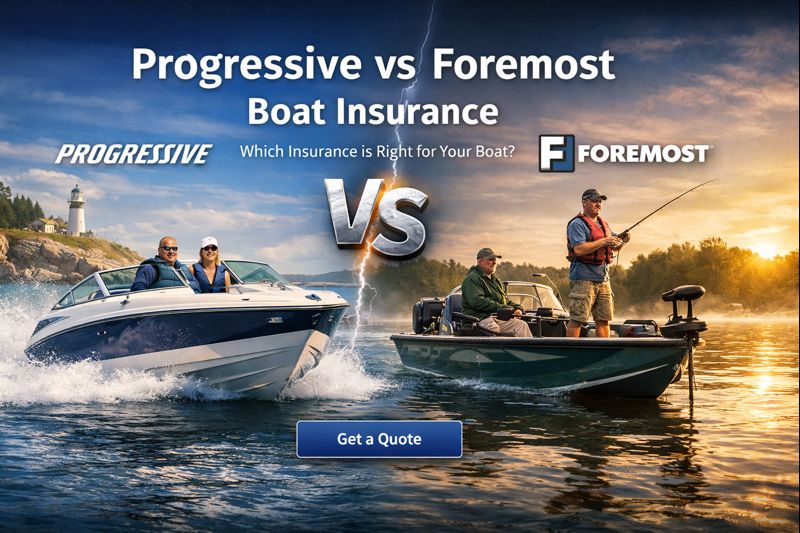
Here’s a brief overview of how leading US boat insurers handle fishing equipment coverage:
| Insurer | Fishing Equipment Coverage | Personal Property Add-On |
|---|---|---|
| Progressive | Optional, up to $10,000 | Available |
| GEICO | Optional, up to $5,000 | Available |
| State Farm | Optional, up to $2,500 | Available |
| Allstate | Optional, up to $3,000 | Available |
Always compare limits, deductibles, and exclusions. Ask about tournament or commercial use if it applies.
Legal And Regulatory Considerations
Boat insurance is regulated state by state. Some states require minimum coverage, but most do not mandate coverage for fishing gear. If you use your boat professionally, you may need extra insurance.
Check local laws and regulations to avoid mistakes. The National Association of Insurance Commissioners offers guidance and resources for boat owners.
Credit: blakeinsurancegroup.com
Frequently Asked Questions
Is Fishing Equipment Automatically Covered By Boat Insurance?
No, fishing equipment is not automatically covered by standard boat insurance. You usually need a personal property add-on or a separate policy to protect your gear.
Can Homeowners Insurance Cover Fishing Gear Stolen From My Boat?
Homeowners insurance may cover gear stolen from your home or vehicle, but usually not from your boat unless you have a sports equipment rider. Check your policy for details.
What Should I Do If My Fishing Equipment Is Stolen From My Boat?
Notify your insurer right away, file a police report, and gather proof of ownership (photos, receipts). Submit your claim quickly and cooperate with adjusters.
How Much Coverage Do I Need For My Fishing Gear?
Add up the value of your rods, reels, tackle, electronics, and accessories. Choose a policy or add-on with a limit that covers your total investment. Update coverage as you buy new gear.
Are There Discounts For Securing Fishing Equipment?
Some insurers offer discounts for using lockable storage, alarms, or participating in safety courses. Ask your agent about available savings.
Protecting your fishing equipment starts with understanding your boat insurance. Review your policy, ask questions, and make sure your gear is covered the way you need. With the right coverage, you can enjoy your time on the water without worry. For more information about insurance regulations, visit the National Association of Insurance Commissioners.