
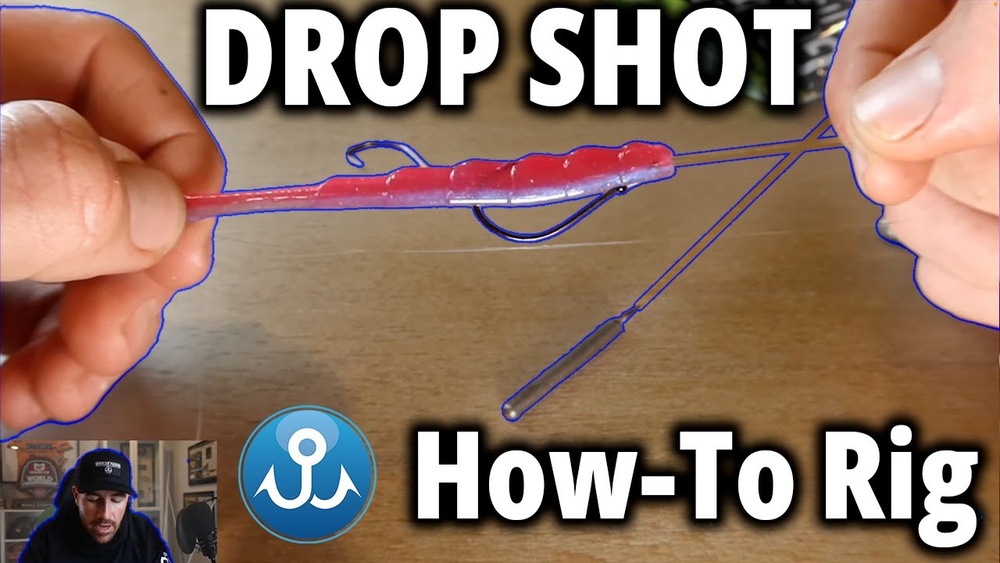
Drop shot fishing is a technique that has changed the way many anglers target fish, especially bass. This method allows your bait to hang above the bottom, making it look natural and tempting for even the most careful fish. Many people see tournament pros using drop shot rigs and think it’s advanced, but the truth is, anyone can learn it with the right steps and some practice.
Whether you fish from the bank, a kayak, or a boat, knowing how to rig a drop shot fishing rig can help you catch more fish when other methods fail.
If you’ve ever felt frustrated watching fish ignore your lure, or if you want a new way to catch pressured fish, drop shotting is a skill worth adding to your toolbox. This guide will show you, step by step, how to set up a drop shot fishing rig.
You’ll learn about the gear, the knots, the baits, and the small adjustments that make a big difference. Even if you’re a complete beginner, you’ll find tips here that will make your first drop shot fishing trip a success.
What Is A Drop Shot Fishing Rig?
A drop shot rig is a finesse fishing setup where the hook is tied above a weight. The weight sits on the bottom, while the bait hovers at a set distance above it. This presentation keeps your lure right in the strike zone, making it irresistible to fish. The technique became popular in Japan, but now it’s used everywhere for bass, perch, walleye, and other freshwater species.
One of the main reasons anglers love the drop shot is its ability to catch fish that ignore other lures. The bait looks natural and moves slowly, which is especially important when fish are inactive or the water is clear.
You can keep your bait in the same spot for a long time, letting the gentle movements attract a bite.
Essential Gear For Drop Shot Fishing
Before you start rigging, it’s important to choose the right gear. Each part of your setup affects how well the drop shot works. Here’s what you need:
Rod
A medium-light to medium spinning rod is the best choice. Look for a rod that’s 6’6” to 7’0” long. The tip should be sensitive so you can feel even light bites, but the backbone should be strong enough to set the hook.
Reel
A spinning reel in the 2000 to 3000 size range matches well with drop shot rods. Spinning reels cast light lines and lures with ease, which is critical for finesse presentations.
Line
For mainline, use 6 to 10-pound fluorocarbon or braided line with a fluorocarbon leader. Fluorocarbon is almost invisible underwater, which helps in clear water. Braided line offers extra sensitivity, but always use a fluorocarbon leader to avoid spooking fish.
Hooks
The best hooks for drop shot fishing are drop shot hooks (also called finesse or octopus hooks) in sizes 1 to 2/0. Choose the hook size based on the size of your bait and the fish you’re targeting.
Weights
Drop shot weights come in different shapes: cylindrical, round, and teardrop. They usually range from 1/8 to 1/2 ounce. Cylinder weights are best for rocky or weedy bottoms because they slide through cover better.
Baits
Soft plastic worms, minnows, and creature baits all work well. Most anglers use 3 to 6-inch baits. The color depends on water clarity and the type of fish.
Swivels And Clips (optional)
Some anglers add a small swivel above the hook to reduce line twist. Others use a quick-change clip for the weight, making it easy to adjust the distance between hook and weight.
Step-by-step: How To Rig A Drop Shot Fishing Rig
Setting up a drop shot rig is simple when you follow these steps. Here’s how to do it:
1. Cut Your Leader Line
Start with a 2 to 3-foot length of fluorocarbon line for the leader if you’re using braid as your mainline. If you’re using straight fluorocarbon, you can use the end of your mainline.
2. Tie The Hook To The Line
Use a Palomar knot to tie your hook about 12 to 24 inches above where the weight will be. Pass the line through the hook eye from the top side (the point side), then double the line and tie a loose overhand knot. Pass the hook through the loop, then tighten the knot. Leave a long tag end (12 to 24 inches) for attaching the weight.
Tip: Thread the line through the hook eye from the top so the hook stands out at a 90-degree angle.
3. Attach The Weight
Take the long tag end of your line and thread it through the top of your drop shot weight. Most drop shot weights have a clip—just pass the line through and pull it tight. If you get snagged, the weight will pull off without breaking your whole rig.
Tip: Adjust the distance between the hook and weight based on where fish are suspended. Shorter distances (6-10 inches) for bottom-hugging fish, longer (18-24 inches) if fish are off the bottom.
4. Add Your Bait
There are two main ways to rig your soft plastic bait:
- Nose hooking: Insert the hook through the nose of the bait. This gives the most natural movement.
- Wacky rigging: Hook through the middle of the bait. This works well with worms, creating more action.
Some anglers use a Texas rig style, hiding the hook point in the bait for fishing in heavy cover.
5. Connect Leader To Main Line
If you’re using a braided main line, connect your fluorocarbon leader using a double uni knot or an FG knot. If you’re using straight fluorocarbon, tie directly to your reel.
6. Final Checks
Before casting, make sure:
- The hook stands out at a 90-degree angle.
- The weight hangs straight below the hook.
- The bait is straight and not twisted.
Choosing The Right Drop Shot Weights
The weight you choose affects how your rig behaves underwater. Here’s a closer look at the types and when to use them:
| Weight Shape | Best For | Common Sizes |
|---|---|---|
| Cylinder | Rocky, weedy areas | 1/8, 3/16 oz |
| Teardrop | Sand, gravel | 1/8, 1/4 oz |
| Round | Open water, no snags | 1/4, 3/8 oz |
Non-obvious insight: Lighter weights (1/8 oz) let your bait move more naturally, but heavier weights (1/4 oz or more) are better for deep water or strong current.
Selecting The Best Drop Shot Hooks
The hook you use can make or break your drop shot presentation. Here’s what you should know:
| Hook Type | Best For | Common Sizes |
|---|---|---|
| Octopus (finesse) | Nose hooking small baits | 1, 1/0 |
| Wide gap | Texas rigging in cover | 1/0, 2/0 |
| Swivel shot | Reducing line twist | 1, 1/0 |
Pro tip: Nose hooks are best for open water, while wide gap hooks help you fish in grass or wood without getting snagged.
How To Choose The Right Bait For Drop Shotting
The right bait can make all the difference. Drop shot fishing is all about finesse, so small, lifelike soft plastics work best. Here’s how to choose:
- Clear water: Use natural colors like green pumpkin, shad, or watermelon.
- Stained water: Brighter colors like chartreuse or white can help fish see your bait.
- High pressure: Finesse worms and minnow-shaped baits look less threatening.
- Aggressive fish: Try creature baits or small crawfish imitations.
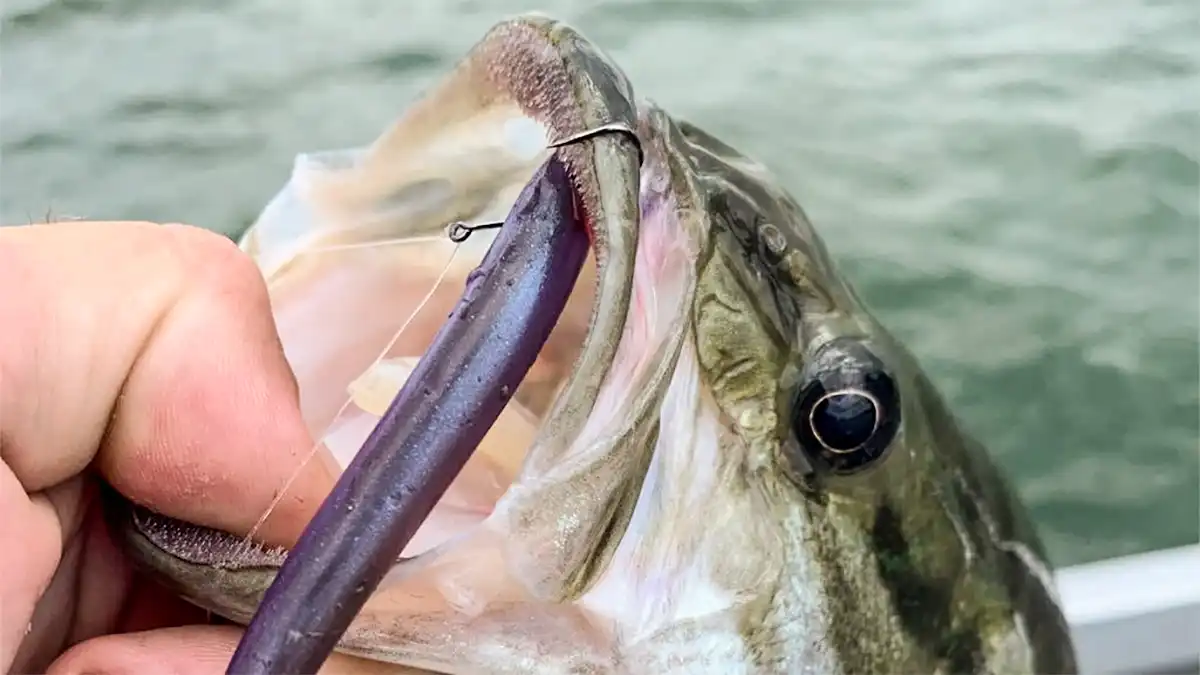
Example: A 4-inch straight tail worm in green pumpkin is a classic drop shot bait for bass.
Advanced tip: Sometimes, using a floating worm or minnow helps your bait sit perfectly horizontal, which can trigger more bites.
Credit: www.wired2fish.com
Casting And Presenting The Drop Shot Rig
Getting your rig in front of fish is only half the battle. How you move the bait matters too.
Casting
- Cast near cover, drop-offs, or where you see fish on your electronics.
- Let the weight hit the bottom, then tighten your line.
Presentation
- Keep your line semi-slack—not tight, not loose.
- Shake your rod tip gently to make the bait quiver without moving the weight.
- Pause often—sometimes fish bite when the bait sits still.
- If you feel a tap, wait a second, then lift your rod to set the hook.
Non-obvious insight: Don’t work the bait too much. Less action is often better. Fish are attracted to the subtle movement.
Adjusting The Drop Shot For Different Conditions
The drop shot rig is very flexible. Here’s how to adjust it for different fishing situations:
- Deeper water: Use heavier weights and longer leaders (18-24 inches).
- Shallow water: Use lighter weights and shorter leaders (6-12 inches).
- Rocks: Cylinder weights snag less.
- Grass: Use weedless hooks and lift the rig gently to avoid getting stuck.
Advanced: In cold water, use smaller baits and move them very slowly. In warm water, you can use bigger baits and work them faster.
Common Mistakes And How To Avoid Them
Even experienced anglers make mistakes with drop shot rigs. Here are some common ones and how to fix them:
- Using too heavy a weight: This makes the bait look unnatural. Try a lighter weight first.
- Not retying knots: Weak knots can break easily. Always check your knots before fishing.
- Too short or long leader: If you don’t know where fish are, start with 12-14 inches between hook and weight.
- Hooking the bait crooked: This makes the bait spin or look unnatural. Make sure the bait is straight.
- Setting the hook too hard: A gentle lift is enough. Pulling hard can rip the hook out of the fish’s mouth.
Extra tip: Always check your line for nicks, especially after fishing around rocks or wood. Fluorocarbon can get damaged easily.
Drop Shot Vs. Other Finesse Rigs
It’s useful to compare drop shot rigs with other finesse setups like the Ned rig and the wacky rig. Each has its strengths.
| Rig Type | Main Use | Advantages | Weaknesses |
|---|---|---|---|
| Drop Shot | Suspended/finicky fish | Keeps bait in strike zone | Not great in heavy cover |
| Ned Rig | Bottom-hugging fish | Simple, effective | Gets snagged easily |
| Wacky Rig | Shallow, clear water | Lots of action | Hard to use deep |
Credit: www.youtube.com
Advanced Drop Shot Modifications
Once you’re comfortable with the basics, you can try these tweaks to catch even more fish:
- Double drop shot: Add a second hook above the first. This lets you fish two baits at once, but check local fishing rules first.
- Weight color: Use a black or green weight in clear water to avoid spooking fish.
- Scented baits: Adding scent can help when fish are picky.
- Leader material: Try fluorocarbon for invisible presentations, but monofilament if you want your bait to float a bit.
Example: In tournaments, some anglers use a small blade above the weight for extra flash.
When And Where To Use The Drop Shot Rig
Drop shot rigs shine in certain places and conditions:
- Clear lakes: Fish can see well, so finesse rigs work best.
- Deep water: Drop shotting keeps your bait off the bottom, where fish suspend.
- Tough days: When fish ignore other lures, a drop shot can get bites.
- Vertical fishing: In a boat, you can drop your rig straight down to fish you see on sonar.
Not-so-obvious: The drop shot also works in shallow water when fish are bedding or cruising.
Drop Shot Fishing For Different Species
While most people use drop shot rigs for bass, they catch other fish too:
- Perch: Use a smaller hook and bait, like a 2-inch minnow.
- Walleye: Use a longer leader and try live bait.
- Crappie: Tiny tube baits or small plastics work well.
Tip: Adjust your hook size and bait to match the target species.
Safety And Conservation Tips
Fishing should always respect both the fish and the environment:
- Pinch barbs: For easier, safer release.
- Wet your hands: Before handling fish, to protect their slime layer.
- Release deep fish slowly: Fish brought up from deep water may need extra time to recover.
- Pick up used line and weights: Lead can harm wildlife, so use tungsten or steel when possible.

Credit: www.catfishedge.com
Frequently Asked Questions
How Long Should My Drop Shot Leader Be?
The leader length depends on where fish are in the water. A 12 to 18-inch leader is good for most situations. If fish are right on the bottom, use a shorter leader. If they’re suspended higher, use a longer one.
Can I Use A Baitcasting Reel For Drop Shot Fishing?
Most anglers use spinning reels because they handle light lines and baits better. You can use a baitcaster, but it’s harder to cast light rigs far. Spinning setups are more forgiving for beginners.
What Is The Best Knot For A Drop Shot Rig?
The Palomar knot is the most common for tying the hook. It’s strong and keeps the hook in the right position. For connecting braid to fluorocarbon, the double uni knot or FG knot works well.
Can I Use Live Bait On A Drop Shot Rig?
Yes, you can. Small minnows or nightcrawlers work well, especially for perch, crappie, and walleye. Just hook the bait lightly through the nose or lips for the best action.
Where Can I Learn More About Advanced Drop Shot Techniques?
A great place to find more information and videos is the Bassmaster Drop Shot Guide. They have tips from top pros and detailed tutorials.
Drop shot fishing is one of the most effective and flexible ways to catch finicky fish. With the right gear, a well-tied rig, and a little practice, you’ll catch more fish—even on tough days. Remember, the key is subtlety and patience.
Small changes in your rig or presentation can make a big difference. Get out on the water, try these steps, and you’ll soon see why the drop shot has become a favorite for so many anglers.