
Fishing is full of moments that stay with you—the silent anticipation, the sudden splash, and the quick pulse of excitement when a fish strikes. Among all the lures you might carry, the Jitterbug fishing lure has a legendary place in freshwater angling. Its unique design, wobbly action, and proven history make it a favorite for catching bass, pike, and other gamefish, especially at dawn and dusk. But to really get the most from a Jitterbug, you need more than just luck. You need to know how, when, and where to use it.
This guide is your complete resource for mastering the Jitterbug. Whether you’re new to fishing or a seasoned angler, you’ll find practical advice, pro-level tips, and real examples that go beyond just the basics. Get ready to discover why the Jitterbug is not only a classic, but a secret weapon in the right hands.
What Is A Jitterbug Fishing Lure?
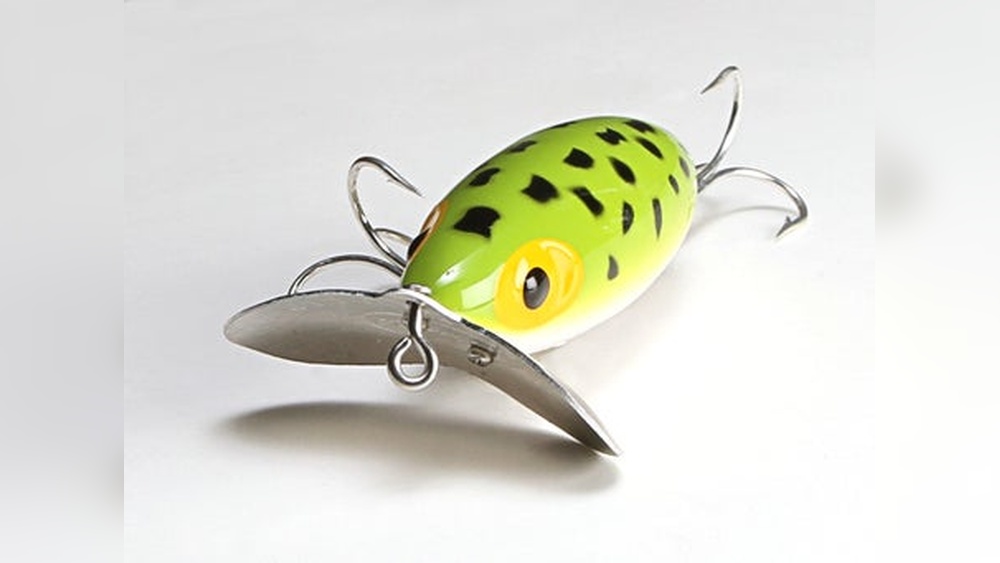
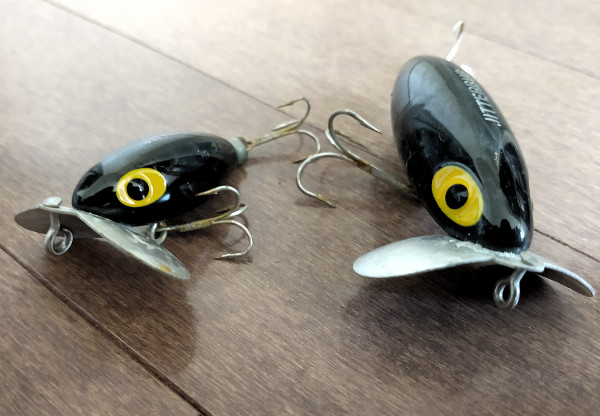
The Jitterbug is a topwater fishing lure invented in the 1930s by Fred Arbogast. Its most recognizable feature is a metal, cupped lip at the front. This lip creates a loud, rhythmic “plopping” sound and a wide-wobble action as you retrieve it across the surface. The design mimics a struggling prey animal, like a frog or injured baitfish, which triggers predatory fish to attack.
Jitterbugs come in different sizes and colors, but all share the same basic structure:
- Hard plastic or wooden body
- Metal front lip (sometimes double-lipped for more noise)
- Two or three treble hooks
- Typically floating
This lure is famous for catching largemouth bass, but it also attracts species like pike, muskie, and even catfish.
Why Use A Jitterbug? Unique Advantages
Many anglers wonder why the Jitterbug still works after nearly a century. The secret is in its sound and action. Fish often strike at the surface out of aggression or hunger, especially in low light. The Jitterbug’s wobble creates vibrations and noise that can wake up even sluggish fish.
Top Benefits Of The Jitterbug
- Surface Disturbance: The plopping sound draws fish from a distance.
- Nighttime Effectiveness: It’s one of the few lures that works well at night because fish can follow the sound.
- Easy to Use: Even beginners can get good results by casting and retrieving slowly.
- Versatility: Works in ponds, lakes, and rivers.
- Durability: Built to last, with strong hooks and tough bodies.
A study by the Illinois Natural History Survey showed that topwater lures like the Jitterbug can increase catch rates by up to 35% during the early morning and late evening, compared to subsurface lures.
Credit: thejighead.com
Choosing The Right Jitterbug
Not all Jitterbugs are the same. Picking the right size and color can make a big difference, depending on your target fish and local water conditions.
Size Guide
- Smaller Jitterbugs (1/8 to 1/4 oz): Best for panfish, small bass, and ponds.
- Medium Jitterbugs (3/8 to 1/2 oz): Good all-purpose choice for bass and pike.
- Large Jitterbugs (5/8 oz and up): Target bigger fish like muskie or fishing in weedy areas.
Color Choices
- Natural Colors (frog, black, green): Best in clear water or on sunny days.
- Bright Colors (yellow, orange): Useful in murky water or low light.
- Glow or Luminous: Effective at night, especially under a full moon.
Single Vs. Double Lip
Some newer Jitterbugs have two lips for extra noise. These are best for windy days or when fish seem less active.
Comparison Of Jitterbug Sizes
| Size | Best For | Water Type | Typical Species |
|---|---|---|---|
| 1/8 oz | Panfish, small bass | Ponds, calm lakes | Bluegill, smallmouth |
| 3/8 oz | All-around use | Lakes, slow rivers | Largemouth, pike |
| 5/8 oz | Big game | Weedy, rough water | Muskie, large bass |
When And Where To Use A Jitterbug
Timing and location are critical for success with the Jitterbug. This lure shines in very specific conditions.
Best Times
- Dawn: Fish are most active just before and after sunrise.
- Dusk: The “evening bite” is legendary for topwater action.
- Night: Few lures work as well in total darkness.
In hot summer months, surface feeding happens mostly during these low-light periods. The Jitterbug’s sound becomes a beacon for hungry fish.
Ideal Locations
- Weed Edges: Fish hide in weeds to ambush prey. Cast along the edge.
- Shallow Flats: Early morning and evening, bass cruise these areas.
- Near Structure: Fallen trees, docks, and rocks are perfect ambush spots.
- River Bends: Slow water near a bend can hold big bass.
Water Clarity And Weather
- Clear Water: Use subtle, natural colors. Fish can see well.
- Stained/Murky: Switch to bright or dark colors for better visibility.
- Windy Days: Fish may prefer a noisier lure or larger size.
- Calm Evenings: Slow your retrieve for best results.
Essential Gear For Jitterbug Fishing
Using the right gear helps you cast farther, avoid snags, and land more fish.
Rod And Reel
- Rod: A medium-action, 6 to 7-foot rod gives you control and casting distance.
- Reel: Spinning or baitcasting reels both work. Choose one you are comfortable with.
Line
- Monofilament (12-17 lb test): Floats well and absorbs shock from surface strikes.
- Braided Line (30 lb test): Good for heavy cover, but can sink and affect the lure’s action.
Leaders
If you’re targeting pike or muskie, add a steel leader. Their sharp teeth can cut normal line.
Hook Sharpening
Jitterbugs come with strong hooks, but check them often. Sharpen or replace dull hooks to avoid missed strikes.
Gear Comparison
| Gear Element | Best For | Notes |
|---|---|---|
| Monofilament | Bass, general use | Floats, stretches, easy to manage |
| Braided Line | Pike, heavy weeds | Strong, less stretch, may sink |
| Steel Leader | Muskie, pike | Prevents bite-offs |
How To Cast And Retrieve A Jitterbug
The Jitterbug is simple, but a few techniques can make it far more effective.
Casting Tips
- Aim Beyond Structure: Cast past weed lines, logs, or rocks.
- Use a Sidearm Motion: This helps with accuracy and reduces splash.
- Let It Rest: After the lure hits the water, let it sit still for a few seconds. Sometimes fish strike before you even start reeling.
Retrieve Techniques
- Slow and Steady: The classic Jitterbug technique. Just reel slowly enough so you hear the steady “plop-plop” sound.
- Pause and Twitch: Retrieve, then stop. Let ripples fade, then give a slight twitch. This can trigger strikes from cautious fish.
- Burn and Pause: On windy days, reel fast for a few feet, then pause.
- Walk the Dog: For more advanced anglers, use your rod tip to create a zigzag pattern.
Speed Matters
Most anglers make the mistake of reeling too fast. The Jitterbug works best at a slow crawl. If you stop hearing the rhythmic plop, slow down.
Example Scenario
Imagine casting a black Jitterbug at dusk along a lily pad edge. You let it sit, then start a slow retrieve. Halfway back, a bass explodes on the surface, drawn by the steady sound.

Credit: www.youtube.com
Topwater Strikes: How To Set The Hook
One of the biggest thrills—and challenges—of using a Jitterbug is the topwater strike. Fish often explode on the lure, but many anglers miss the hookset.
Key Tips For Hook Setting
- Wait a Split Second: When you see a splash, resist the urge to set the hook immediately. Pause until you feel the weight of the fish.
- Lower Your Rod Tip: Keep the rod tip down to help with hook penetration.
- Use a Firm Sweep: Set the hook with a smooth, sideways motion, not a jerk.
Common Mistake
Many beginners yank the rod too fast, pulling the lure away before the fish grabs it. Patience is key.
Advanced Jitterbug Techniques
If you want to catch more and bigger fish, try these advanced methods.
Night Fishing With The Jitterbug
Night fishing is where the Jitterbug truly shines. Bass and pike hunt by sound and vibration when visibility is low.
- Use Dark Colors: Black or dark green create the best silhouette.
- Listen for Strikes: You might not see the bite, but you’ll hear the splash.
- Short Casts Near Shore: Fish move shallower at night.
Modifying Your Jitterbug
Some anglers customize their Jitterbugs for even better results.
- Add a Feathered Hook: Increases movement and appeal.
- Upgrade Split Rings: Stronger hardware prevents lost fish.
- Paint the Lip: Some swear by painting the metal lip red for extra attraction.
Fishing In Heavy Cover
Jitterbugs can get snagged in thick weeds. Try using a weedless hook or trim the front lip slightly to reduce hang-ups.
Action Comparison: Jitterbug Vs. Other Topwaters
| Lure | Action | Noise Level | Best Conditions |
|---|---|---|---|
| Jitterbug | Wide wobble | Loud | Night, low-light |
| Popper | Short pops | Medium | Calm, clear water |
| Frog Lure | Walks/skips | Low | Heavy cover |

Credit: brt.cl
Safety And Conservation Tips
Fishing is fun, but it’s important to protect both yourself and the fish.
Handling Fish
- Wet Your Hands: Reduces slime removal and injury.
- Use Pliers for Hooks: Jitterbug hooks are sharp and can be tricky to remove.
- Quick Release: Keep fish in the water if possible.
Barbless Hooks
Consider flattening the barbs on your hooks. This makes catch and release easier and is often required by law in some areas.
Environmental Concerns
Never leave lures or packaging near the water. Respect local rules and help keep lakes and rivers clean.
Common Mistakes Beginners Make
Even the best lure won’t work if you use it wrong. Here are mistakes to avoid:
- Retrieving Too Fast: The Jitterbug is designed for slow movement. Fast retrieves reduce its wobble and sound.
- Wrong Time of Day: Avoid using it at midday in bright sun—fish are less likely to bite.
- Ignoring Water Clarity: Use the right color for the conditions.
- Fishing Too Deep: The Jitterbug is a surface lure, not for deep water.
- Not Checking Hooks: Dull hooks lead to missed fish.
- Fishing Only Open Water: Always target structure, weeds, or shade.
Real-life Success Stories
Many anglers have landed trophy fish with the Jitterbug. For example, in 2018, a 12-pound largemouth was caught in Texas using a black 5/8 oz Jitterbug at midnight. The angler credited the slow, steady retrieve and moonless night for his success.
Another story from Minnesota describes a father and son team catching five bass over 5 pounds in one evening, all on the same green Jitterbug, using the “pause and twitch” method along lily pads.
These stories are not rare. The Jitterbug’s reputation is built on decades of real-world results.
Caring For Your Jitterbug Lure
A well-maintained lure works better and lasts longer.
- Rinse After Use: Especially after fishing in muddy water.
- Check Split Rings and Hooks: Replace worn parts.
- Store Dry: Moisture can rust hooks.
- Keep Separate: Store topwater lures apart to prevent tangling.
When To Switch Lures
If you’re not getting bites after 20-30 minutes, try another spot or change lure size/color. Sometimes fish want a different action or sound.
Using The Jitterbug With Other Lures
Some anglers rotate between the Jitterbug and other topwaters, like poppers or frogs. This keeps fish interested if they get used to one type of lure. For example, start with a Jitterbug at dusk, then switch to a quiet frog lure if fish seem shy.
Building Confidence With The Jitterbug
Success with the Jitterbug comes with practice and patience. Here’s how to build your skills:
- Fish Regularly at Dawn or Dusk: These are your best windows.
- Experiment with Retrieve Speeds: Find what works in your local water.
- Keep a Journal: Record what colors, sizes, and conditions work best.
Over time, you’ll develop a feel for when and how to use the Jitterbug for maximum success.
Learning From Pro Anglers
Professional anglers often rely on old-school lures like the Jitterbug during tournaments, especially when the bite is tough. They stress the importance of listening to the lure’s rhythm and adjusting speed until it matches the natural sounds of the environment.
According to the Bass Anglers Sportsman Society, nearly 30% of tournament-winning fish in certain regions are caught on topwater lures during summer, with the Jitterbug being a common choice.
Additional Resources
For more tips and in-depth information about lure fishing, visit Wikipedia’s Fishing Lure page.
Frequently Asked Questions
How Do I Know If A Jitterbug Is Working Correctly?
You should hear a steady “plop-plop” sound as you reel. If the sound stops, slow down your retrieve. The lure should wobble side-to-side, creating a visible wake on the surface.
Can I Use A Jitterbug In Saltwater?
The Jitterbug is designed for freshwater. Saltwater can corrode the metal parts quickly. If you try it in saltwater, rinse thoroughly afterward and expect a shorter lure life.
What Is The Best Time Of Year For Jitterbug Fishing?
Late spring to early fall is best, especially during warm, calm evenings. Topwater action slows down in cold water or during winter.
Are There Any Special Knots I Should Use?
A simple improved clinch knot works well. For heavy fish like pike, consider a loop knot to give the lure more freedom to wobble.
Is The Jitterbug Good For Beginners?
Yes. The Jitterbug is easy to cast and retrieve. Its action is built-in, so even new anglers can catch fish with minimal practice.
Fishing with a Jitterbug is about more than just catching fish—it’s about enjoying the thrill of the surface strike and learning how to work with nature’s rhythms. With the right technique, a little patience, and the tips you’ve just learned, you’ll discover why this classic lure remains a favorite for generations of anglers.
Happy fishing!