
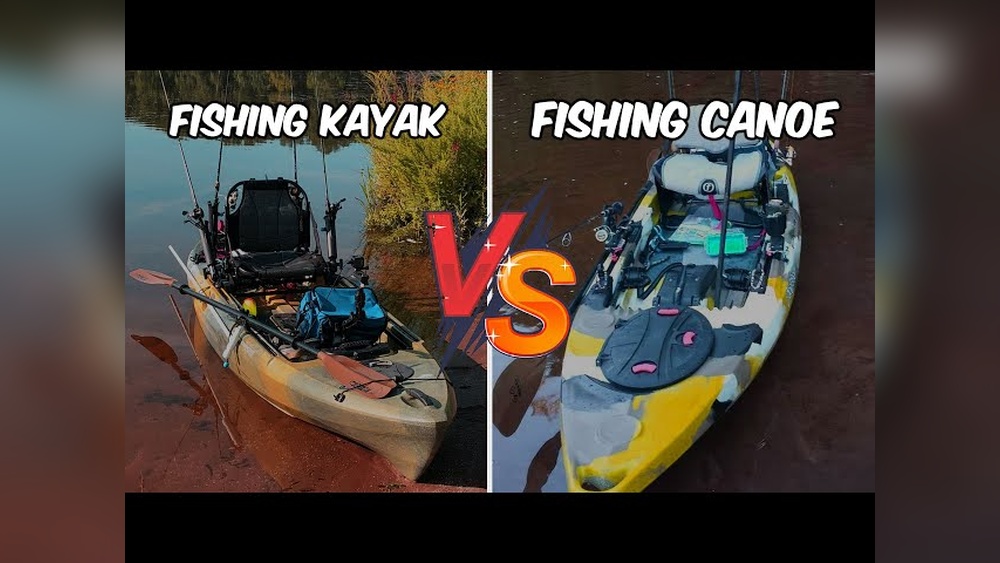
Canoe Vs Kayak Fishing: Which Is Right For You?
Picture yourself on a calm lake, the sun rising, and the only sounds are water lapping against your boat and the anticipation of your next big catch. For many anglers, this is the perfect start to a day of fishing. But if you want to fish from the water, you face an important choice: canoe or kayak? Both have passionate fans and both offer unique advantages. But which is better for your style, skill, and local waters?
Choosing between canoe and kayak fishing is more than picking a boat. It’s about comfort, gear, water type, solo or group trips, and your own fishing methods. Many beginners think a kayak is always better for fishing, but that’s not always true.
Let’s explore the strengths, weaknesses, and real-life differences so you can make the right decision and avoid costly mistakes.
What Makes Canoe And Kayak Fishing Different?
At first glance, canoes and kayaks may look similar—small, paddle-powered boats. But their design and use are quite different. Understanding these differences helps you see why anglers may prefer one over the other.
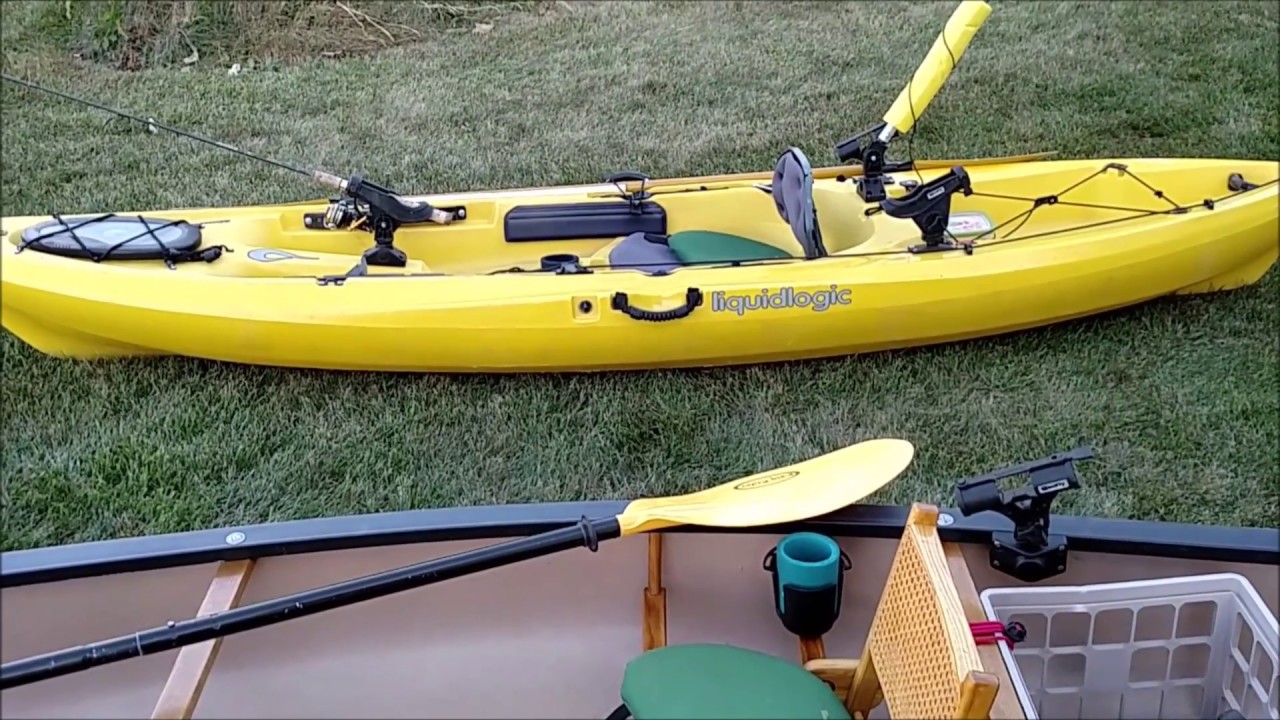
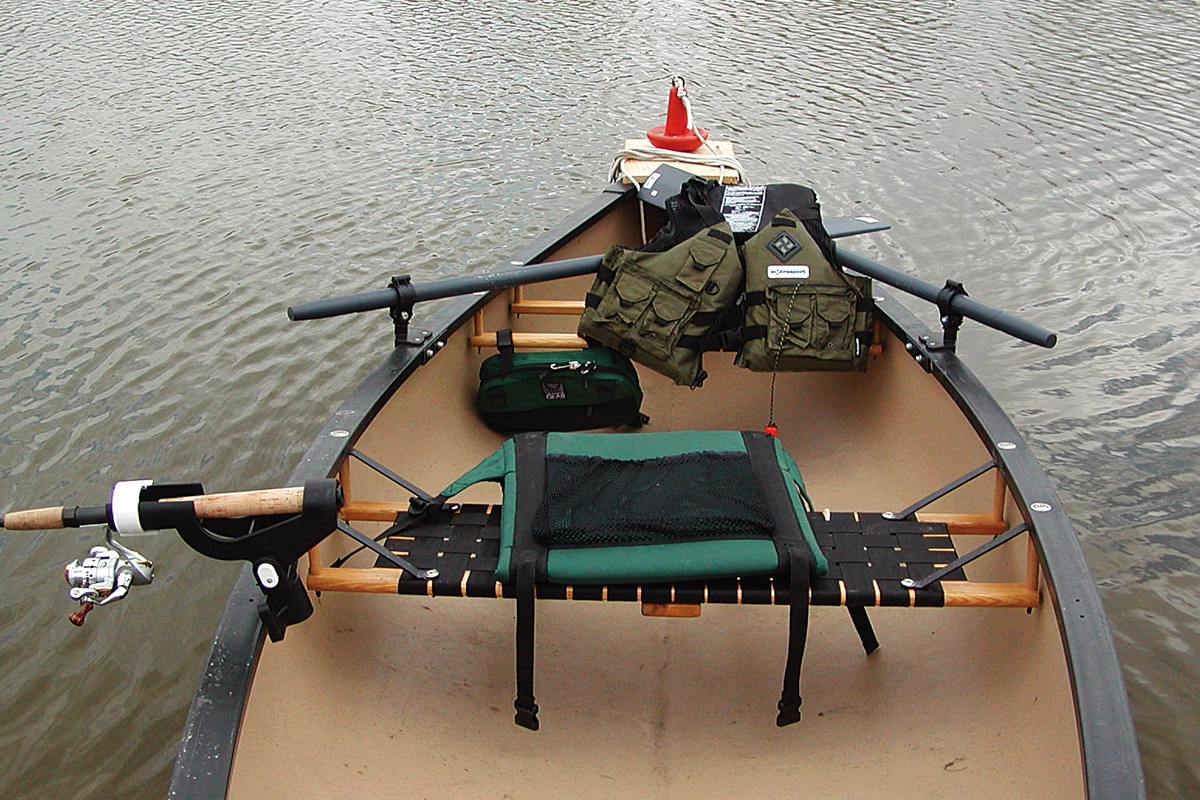
Canoes are generally open on top, with high sides and seats. You paddle them with a single-bladed paddle. They are often longer and wider, offering more space and stability, and are used with one or more people.
Kayaks are usually enclosed or semi-enclosed, with the paddler sitting low inside. You paddle a kayak with a double-bladed paddle. Fishing kayaks are often built for one person, though tandem models exist. They are sleek, fast, and often easier to handle for solo anglers.
These design differences lead to unique strengths and weaknesses for fishing.
Key Advantages Of Canoe Fishing
Canoe fishing isn’t as trendy as kayak fishing right now, but it has many advantages that matter for the right angler. Let’s look at what makes canoes a great choice for fishing.
1. More Room For Gear And People
Canoes shine when you need space. Their open design means you can carry coolers, tackle boxes, extra rods, camping gear, and even a friend or two. For long fishing trips or family outings, this extra room makes a big difference.
It’s common to see canoes loaded with gear for multi-day fishing and camping trips. If you fish with friends or want to bring your dog, a canoe is often the better choice.
2. Easy To Enter And Exit
Canoes have higher sides and open tops, which makes them easy to step in and out of—even from the shore or a dock. This is especially helpful for older anglers, those with limited mobility, or people who need to get in and out frequently during the day.
3. Stable And Comfortable
Because of their width and design, canoes can be very stable in calm water. Many models let you stand up to cast or stretch your legs—a big plus for fly fishing or sight fishing.
4. Great For Calm Waters
Canoes perform best on lakes, slow-moving rivers, and gentle streams. Their shape makes them glide smoothly across flat water, and you can cover a lot of ground without getting tired.
5. Versatile For Different Activities
Canoes are not just for fishing. You can use the same canoe for camping trips, family paddling, or just relaxing on the water. If you want a boat for more than fishing, this versatility adds value.
6. Carrying Capacity
Many canoes can handle 500–1,000 pounds or more, depending on size. This means you can carry multiple people and lots of gear without worrying about overloading.
Key Advantages Of Kayak Fishing
Kayak fishing has exploded in popularity over the last decade. There are now entire communities, tournaments, and gear designed for kayak anglers. Here’s why so many people love fishing from a kayak.
1. Easy To Transport And Launch
Fishing kayaks are usually lighter and shorter than canoes. Most people can load a kayak onto a car roof or truck by themselves. You can launch a kayak from almost any shore, even places without a boat ramp.
2. Stealth And Access To Tight Spots
Kayaks ride low in the water and are very quiet. You can sneak up on fish in shallow water, narrow creeks, or weedy areas where bigger boats can’t go. This stealth is a huge advantage for catching wary species like bass or trout.
3. Superior Maneuverability
Kayaks turn quickly and handle well, even in windy conditions or light waves. With a double-bladed paddle, you can change direction fast—a big plus for fishing around rocks, docks, or underwater structure.
4. More Specialized For Fishing
There are kayaks built just for fishing, with rod holders, gear tracks, mounts for fish finders, and comfortable seats. Some even have pedal drives or small motors for hands-free movement. This means you can focus more on fishing and less on paddling.
5. Solo-friendly
Kayaks are designed for solo use. You don’t need a partner to paddle or manage the boat. For many anglers, this independence is a major selling point.
6. Performs In More Water Types
While canoes excel on calm water, fishing kayaks can handle everything from small ponds to open bays and even rougher coastal waters. Some models are made for standing up and casting, even in waves.
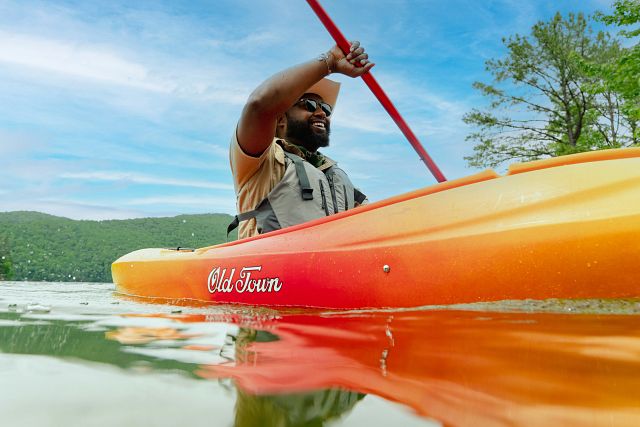
Side-by-side Comparison: Canoe Vs Kayak Fishing
To help you see the differences clearly, here’s a comparison of canoes and kayaks for fishing in some key areas:
| Feature | Canoe | Kayak |
|---|---|---|
| Seating | 1-3 people, benches | 1 person (mostly), molded seat |
| Stability | Very good on flat water | Good, can be excellent (wider models) |
| Standing to Fish | Possible in most models | Possible in wide/stand-up models |
| Transport | Heavier, needs two people for large models | Lighter, solo transport possible |
| Gear Storage | Open, easy to access | Built-in hatches and tracks, sometimes less space |
| Weather/Waves | Best for calm water | Handles wind/waves better |
| Cost | Similar, but varies by size and material | Wide range, more fishing-specific options |
Credit: oldtownwatercraft.johnsonoutdoors.com
When Is Canoe Fishing Better?
Canoes are not just old-fashioned. For certain anglers and situations, they still offer the best fishing experience.
Family Or Group Fishing
If you love fishing with your kids, friends, or pets, a canoe’s extra space and seating make it the clear winner. You can share the experience and help beginners without needing a separate boat.
Multi-day Trips
Canoes are ideal for carrying camping gear, food, and fishing tackle for overnight or multi-day trips. Their large storage area keeps everything dry and organized.
Fly Fishing
Many fly fishers prefer canoes for their stability and ability to stand up and cast. The open design also means your fly line won’t get caught as easily as it can in a kayak.
Rivers And Lakes With Easy Access
If you mostly fish on calm lakes, gentle rivers, or ponds with easy launches, a canoe’s speed and comfort are hard to beat.
Anglers With Limited Mobility
Getting in and out of a canoe is often easier for people who have trouble with their knees, hips, or backs. The higher seat and open cockpit are a big plus.
When Is Kayak Fishing Better?
Kayaks dominate in certain fishing environments and for certain types of anglers. Here’s when a kayak is usually the better choice.
Solo Anglers
If you fish alone most of the time, a kayak is hard to beat. You don’t need help launching or loading, and you have full control over your day.
Tight Spaces And Shallow Water
Kayaks let you reach places that bigger boats (including canoes) can’t go—skinny creeks, hidden coves, or weedy flats. This opens up new fishing spots where you might be the only angler.
Moving Water Or Choppy Conditions
Fishing kayaks are designed to handle wind, waves, and current better than most canoes. If you want to fish in the ocean, big lakes, or swift rivers, a kayak is usually safer and more comfortable.
Bass And Saltwater Fishing
Many bass and saltwater anglers prefer kayaks for their stealth and maneuverability. You can get close to structure, make quick moves, and even stand up in wider models.
Limited Storage Space
If you live in an apartment or have limited garage space, a kayak is easier to store. Some models are even inflatable or modular, fitting in a closet or car trunk.
Canoe Vs Kayak: Common Myths And Beginner Mistakes
Many new anglers pick a canoe or kayak based on what’s popular, not what actually fits their needs. Here are some common myths and mistakes to avoid:
- Myth: Kayaks are always more stable than canoes.
Reality: Many canoes are more stable for standing and moving around. Some fishing kayaks are very stable, but not all.
- Myth: Canoes are slower than kayaks.
Reality: On calm water, a well-designed canoe can be just as fast as most fishing kayaks, especially with two paddlers.
- Mistake: Choosing the wrong size.
New anglers sometimes buy a canoe or kayak that’s too big or small for their body, gear, or water conditions. Test before you buy, if possible.
- Mistake: Ignoring weight limits.
Overloading your boat can make it unsafe. Always check the maximum weight capacity and leave extra room for safety.
- Myth: Kayaks are always more expensive.
Reality: Both canoes and kayaks come in a wide range of prices. High-end fishing kayaks can be more costly than many canoes.
How To Choose: Questions To Ask Yourself
Choosing between a canoe and kayak for fishing depends on your own needs. Before you buy, ask yourself these questions:
- Will I fish alone or with others most of the time?
- Do I need lots of storage for gear or camping trips?
- What kind of water will I fish—lakes, rivers, ocean, small ponds?
- How will I transport and store my boat?
- Do I want to stand up to fish?
- How important is maneuverability vs. comfort?
- Do I want to add electronics or accessories to my boat?
- What’s my budget?
Your answers will point you toward the right type of boat.
Credit: www.youtube.com
Canoe And Kayak Materials: What To Know
Both canoes and kayaks come in different materials. This affects their weight, durability, and cost.
| Material | Pros | Cons |
|---|---|---|
| Polyethylene (Plastic) | Cheap, tough, low maintenance | Heavy, can fade in sun |
| Fiberglass | Light, fast, repairable | Expensive, can crack |
| Aluminum | Durable, low maintenance | Heavy, noisy, cold in winter |
| Inflatable | Easy to store/transport | Less durable, not for rough water |
| Composite (Kevlar/Carbon) | Very light, high performance | Very expensive, less rugged |
For most anglers, polyethylene is the best mix of cost and durability, but lighter materials are great if you have the budget.
Cost Comparison: Canoe Vs Kayak Fishing
The price range is wide for both canoes and kayaks. Here’s what you can expect:
- Entry-level canoes: $400–$900
- Entry-level fishing kayaks: $400–$1,000
- High-end canoes: $1,200–$3,000+
- High-end fishing kayaks: $1,000–$4,000+ (especially with pedal drives or motors)
Don’t forget to budget for paddles, life jackets, and accessories. Kayak fishing often requires extra gear like mounts, crates, and electronics, which can add hundreds of dollars.
Safety Considerations
Both canoe and kayak fishing require attention to safety, but the risks are a bit different.
Canoe Safety
- Canoes are more likely to tip in rough water or wind. Always stay low and balanced.
- Wear a properly fitted life jacket at all times.
- In cold weather, bring dry bags or waterproof gear.
Kayak Safety
- Kayaks are less likely to fill with water if you capsize, but self-rescue can be harder in deep water.
- Practice getting back in your kayak before your first real trip.
- Use a paddle leash and waterproof containers for your phone and valuables.
Many beginners forget to check the weather and water temperature before heading out. Cold water can be deadly even in warm weather.
Real-world Examples
Let’s look at a few anglers and see which boat suits them best:
- Sarah, a solo angler, fishes small lakes and creeks for bass. She wants to keep things simple and store her boat in her apartment. A fishing kayak fits her needs perfectly.
- John and his son love weekend fishing and camping trips. They need to carry camping gear, food, and two fishing setups. A canoe is ideal for their group trips.
- Carlos fishes saltwater flats and likes to stand and sight-fish for redfish. He chooses a wide, stable fishing kayak with a pedal drive.
- The Martinez family enjoys paddling, fishing, and picnics together. A large canoe lets them enjoy the water as a family, with room for everyone.
Credit: midwestoutdoors.com
Accessories And Customization
Both canoes and kayaks can be customized for better fishing, but kayaks have a wider range of purpose-built accessories:
- Rod holders: Easy to add to both, but many fishing kayaks have built-in mounts.
- Fish finders: Modern fishing kayaks often have special spots for electronics.
- Anchors and drift socks: Important for both, but more common on kayaks.
- Coolers and crates: Easier to fit in canoes, but kayak crates and bags are designed for small spaces.
- Standing platforms: Some kayaks have special decks for standing.
One insight beginners often miss: Over-accessorizing can make your boat crowded and hard to use. Start simple and add gear as you learn what you need.
The Environmental Impact
Both canoes and kayaks are eco-friendly compared to gas-powered boats. They don’t leak oil or gas, and they let you fish in quiet, hard-to-reach places without disturbing wildlife. If you fish in sensitive areas, paddling is the most responsible choice.
Community And Culture
Kayak fishing has a huge online and local community, with clubs, tournaments, and events worldwide. Canoe fishing is more traditional and family-oriented. If you want to meet other anglers, look for local kayak fishing groups or paddling clubs.
For more on fishing culture and boat types, you can read the detailed overview at Wikipedia’s Kayak Fishing page.
Making Your Choice
Here’s a quick guide to help you decide:
- Choose a canoe if you need maximum space, fish with others, or want a boat for fishing, camping, and family outings.
- Choose a kayak if you fish solo, want to reach hidden spots, or fish in windy or rough conditions.
If you’re still unsure, try renting or borrowing both types before buying. Nothing beats real-world experience.
Frequently Asked Questions
Can You Use A Kayak Paddle In A Canoe?
Yes, you can use a kayak paddle in a canoe, especially for solo paddling. It can be more efficient and less tiring, but you may need a longer paddle for wider canoes.
Is Kayak Fishing Safer Than Canoe Fishing?
Both can be safe if used correctly. Kayaks are less likely to fill with water if you capsize, but canoes are easier to enter and exit. Always wear a life jacket and check the weather before heading out.
Which Is Easier To Transport: Canoe Or Kayak?
Kayaks are usually lighter and easier for one person to load and move. Canoes may require two people, especially larger models. Inflatable or folding kayaks are the easiest to transport.
Can You Stand Up And Fish In Both?
Yes, but it depends on the model. Many canoes and some wide fishing kayaks allow you to stand safely. Always test stability before trying to stand up on the water.
What Is The Best Boat For Beginners?
A stable fishing kayak or a mid-sized recreational canoe are both good for beginners. Look for wide, flat-bottom models and avoid narrow or racing designs. Try before you buy if possible.
No matter which you choose—canoe or kayak—getting on the water opens up a new world of fishing. Both are quiet, eco-friendly, and offer unforgettable experiences. Make your choice based on your own needs, and you’ll enjoy many great days fishing ahead.