
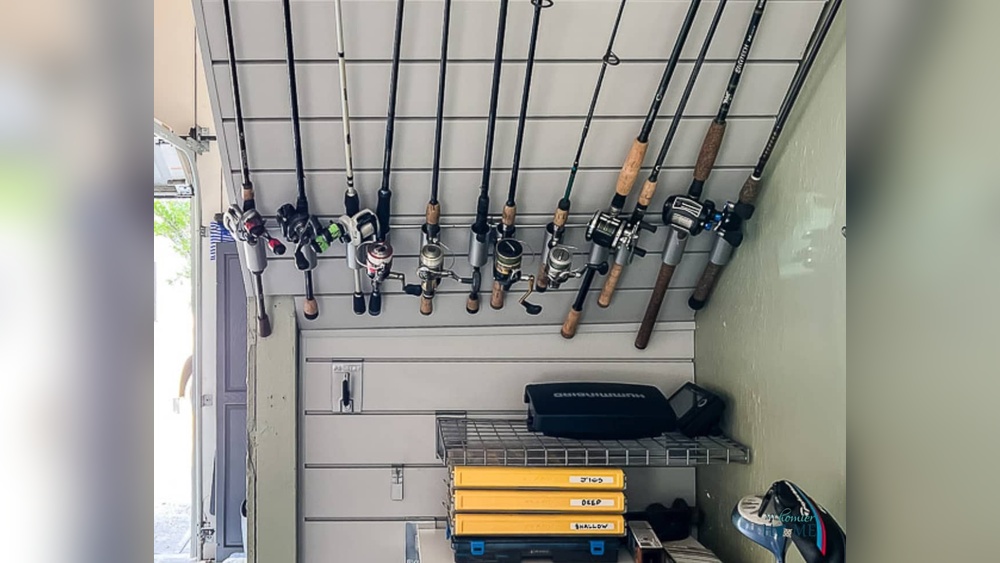
Fishing is more than just a hobby for many people. It’s a way to relax, connect with nature, and sometimes, provide food for the family. But after a day by the water, there’s something many anglers struggle with: storing fishing poles. If you leave your rods in a tangled mess or just toss them in a corner, you might end up with broken tips, bent guides, or even lost gear. To keep your fishing poles working well for years, you need to know how to store them correctly—at home, in your car, or even while traveling.
Some anglers store their fishing rods in a garage, others keep them in a basement, and some take them on the road for fishing trips. Each situation requires different care. The good news? You don’t need expensive storage systems to keep your rods safe, but you do need to know the basics.
Let’s explore the different ways to store fishing poles, mistakes to avoid, and tips to keep your gear in top shape.
Why Proper Storage Matters
It’s tempting to just lean your fishing pole against a wall after a day out. However, improper storage is one of the main reasons rods get damaged. Here’s what can go wrong if you don’t store your fishing rods correctly:
- Bent or warped rod blank: Leaving a rod resting against a wall or in a hot car can make it bend permanently.
- Damaged guides or tips: These small parts are easy to break if the rod falls or gets bumped.
- Reel corrosion: Storing with moisture or salt can rust the reel and other metal parts.
- Tangled lines: Loose lines can create knots and weaken your fishing line.
A survey by the American Sportfishing Association found that nearly 23% of anglers have damaged at least one rod due to poor storage. This means storing your rods well isn’t just about being neat—it protects your investment and saves money in the long run.
Key Factors To Consider Before Storing Your Fishing Poles
Before you decide how to store your fishing poles, it’s important to think about a few things:
- Type of fishing rod: Spinning, casting, fly, and telescopic rods can have different storage needs.
- Length and material: Longer rods and those made from graphite are more likely to warp if not stored flat or upright.
- Storage location: Will you keep your rods in the garage, basement, shed, or inside your home?
- Humidity and temperature: High humidity or extreme heat can damage both rods and reels.
- Frequency of use: If you fish every week, you need easy access; if you fish a few times a year, long-term storage is better.
Many beginners forget about humidity. This is one of the biggest dangers, especially if you store rods in a basement or shed. Moisture leads to corrosion and mold, which can ruin rods and reels quickly.
Preparing Your Fishing Poles For Storage
You should never just come home and put your fishing pole away without cleaning it. Here’s how to prepare your rods for storage:
- Rinse with fresh water: After fishing, especially in saltwater, rinse the rod and reel with clean water to remove dirt and salt.
- Dry completely: Wipe everything down with a dry cloth. Do not store while wet.
- Loosen the drag: For reels, loosen the drag setting to avoid compressing internal parts.
- Check for damage: Inspect the guides, tip, and blank for cracks or bends.
- Remove the lure: Take off any hooks or lures to prevent accidents and avoid rust.
This simple routine can extend the life of your rods by years. Many anglers skip step three, but loosening the drag is important because tight settings can flatten reel springs over time.
Storing Fishing Poles At Home
Your home is often the safest place to store your rods, but only if you do it right. There are several methods, each with pros and cons.
Horizontal Storage
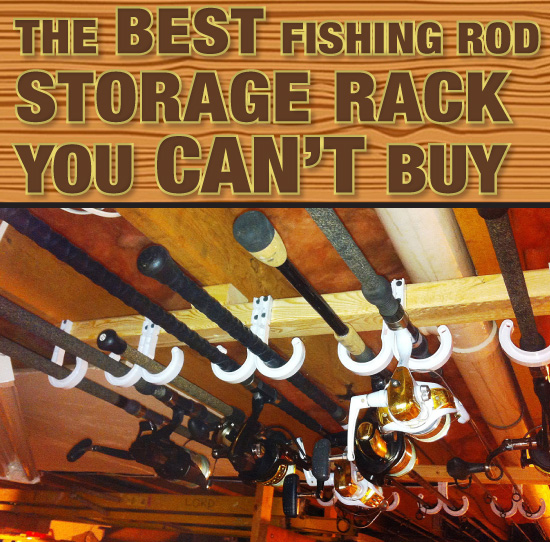
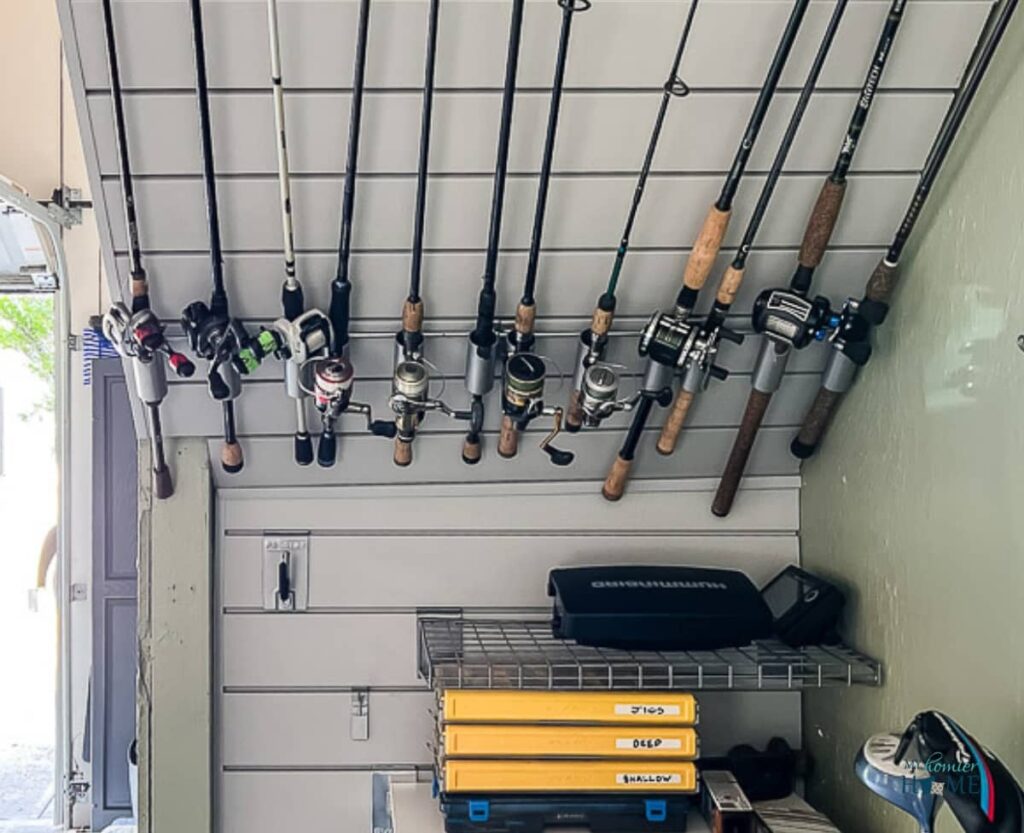
Storing rods horizontally—either on a wall or ceiling—is one of the best ways to prevent warping.
Advantages:
- Reduces pressure on rod blanks
- Easy to install at home
- Keeps rods out of the way
Disadvantages:
- Needs wall or ceiling space
- Can be hard to access rods at the back
How to do it:
Use special rod racks or even simple wall hooks. Space supports at least every 3 feet to avoid sagging. For ceiling storage, make sure rods are not exposed to attic heat, which can weaken them.
Vertical Storage
Many anglers prefer vertical rod racks because they save space and are easy to access.
Advantages:
- Fast to grab and go
- Keeps rods organized
- Less risk of tangling
Disadvantages:
- Rods can fall if bumped
- Needs a steady, flat surface
Tip:
Always store with the butt (handle) down and tip up. Some racks let you store rods with reels attached, which is great for frequent use.
In A Closet Or Corner
If you’re short on space, a closet or room corner works, but with care.
- Place rods with tips up, not leaning at a sharp angle.
- Use a bungee cord or string to keep rods upright.
- Avoid heavy objects pressing against the rods.
This is a quick fix, but for long-term storage, a rack or wall mount is safer.
Diy Rod Racks
Not all storage has to be store-bought. Some anglers build their own racks from wood, PVC, or even foam pool noodles. Here’s a simple guide:
Materials:
- Two wooden boards
- Drill and saw
- Foam or rubber padding
Steps:
- Cut notches in the boards for the rods.
- Attach foam to cushion the rods.
- Mount one board high, one low, spaced about 4 feet apart.
- Rest rods in the notches, handle down.
This method is cheap and customizable. Many beginners don’t realize how easy it is to make a rack with just a few tools.
Storing Fishing Poles In A Garage Or Shed
Garages and sheds are common storage spots, but they come with risks: humidity, dust, pests, and temperature swings.
Best Practices For Garage Storage
- Use wall or ceiling racks to keep rods off the floor.
- Avoid storing near chemicals or gasoline, which can damage rod materials.
- If possible, use a dehumidifier to control moisture.
Protecting From Temperature And Humidity
High heat can soften glue in the guides and handles, while dampness can lead to mold. Try these tips:
- Store away from windows to avoid direct sunlight.
- Use rod socks or covers to keep dust and bugs away.
- Check rods every few weeks for signs of rust or mildew.
Quick Comparison: Home Vs. Garage Storage
Here’s a comparison of home and garage storage environments for fishing poles:
| Factor | Home Storage | Garage/Shed Storage |
|---|---|---|
| Humidity | Usually low | Can be high |
| Temperature Fluctuation | Stable | Large swings possible |
| Security | Safer, indoors | Risk of theft |
| Convenience | Easy access | May require more space |
Insight: Even if your garage is big, the risk of heat and humidity means you should check rods more often than if they were inside your house.
Storing Fishing Poles For Travel And Transport
Many anglers travel to fish, whether it’s a weekend road trip or a long vacation. Keeping rods safe on the move is a special challenge.
In The Car
- Use a rod holder or roof rack designed for vehicles.
- For inside-the-car storage, run rods from the dashboard to the back window or use straps along the ceiling.
- Always secure rods to prevent sliding or bouncing.
Extra tip: Separate multi-piece rods if possible and store them in a rod tube or sleeve. This reduces the chance of snapping a tip.
On A Plane
Air travel requires extra care. Airlines often count rod tubes as oversized luggage.
- Use a hard-shell rod case for checked baggage.
- Remove reels and pack them separately.
- Add padding inside the case to prevent movement.
On A Boat
Boats often have built-in rod holders, but you still need to be careful.
- Avoid stacking rods on the deck where they can be stepped on.
- Use rod socks or covers to prevent scratches.
- Store unused rods in a cabin or below deck when possible.
Comparison: Transport Methods
Let’s see how different travel methods compare for fishing pole safety:
| Transport Method | Protection Level | Ease of Use | Cost |
|---|---|---|---|
| Rod Tube (hard case) | Excellent | Moderate | Medium-High |
| Rod Sock/Soft Sleeve | Good (minor bumps) | Easy | Low |
| Roof Rack (vehicle) | Very Good | Easy | Medium |
| Loose in Car | Poor | Easy | None |
Expert advice: For air travel, always use a hard tube, even if it’s more expensive. One broken rod costs more than a good case.
Long-term Storage Tips
If you won’t be fishing for several months—like during winter—follow these steps to keep your rods safe:
- Clean and dry rods and reels completely.
- Remove reels and lines if possible, especially if storing in humid areas.
- Store in rod sleeves or tubes to prevent dust.
- Loosen or remove fishing lines to avoid line memory and stretching.
- Store in a dry, cool place away from sunlight.
Many beginners forget to remove fishing line, but old line can stick to the guides or even cut into them over time.
Common Mistakes To Avoid
Even experienced anglers sometimes make storage mistakes. Watch out for these:
- Leaning rods at a sharp angle: Causes warping over time.
- Storing rods with tight lines: Puts pressure on the guides and tip.
- Leaving rods in hot cars: Heat can soften glue and materials.
- Forgetting to dry after use: Leads to rust, especially after saltwater fishing.
- Stacking rods: Makes it easy to break guides or tips.
Each of these mistakes is common but avoidable with a bit of planning.
Accessories That Make Storage Easier
Several accessories can help keep your fishing poles organized and safe:
- Rod socks: Soft sleeves that protect rods from scratches and tangling.
- Rod tubes/cases: Hard or soft cases for travel or long-term storage.
- Wall/ceiling racks: Special racks for mounting rods at home or in garages.
- Dehumidifiers: Useful in basements or sheds to prevent rust.
- Silica gel packs: Place inside rod tubes to absorb moisture.
Some people use pool noodles with slits cut in them as a cheap, simple way to keep rods separated.
How To Store Different Types Of Fishing Poles
Not all rods are the same. Here’s how to store the most common types:
Spinning And Casting Rods
These are the most common and can be stored horizontally or vertically. Make sure to:
- Use racks that support the rod at least every 3 feet.
- Store with reels attached if you use them often.
- Remove the line if storing long-term.
Fly Rods
Fly rods are long and delicate.
- Store in a tube or hard case.
- Separate into sections and clean ferrules (joints) before storage.
- Avoid leaving assembled for long periods.
Telescopic Rods
These rods collapse for easy storage, but dirt can jam the sections.
- Clean and dry each section before collapsing.
- Store in a soft sleeve or case.
- Avoid forcing sections together if there’s resistance.
Surf And Sea Rods
Saltwater rods need extra care:
- Rinse with fresh water after every use.
- Use rod covers to prevent corrosion from salty air.
- Store in a dry place with good airflow.
Credit: onthewater.com
The Importance Of Regular Inspection
Storing your rods well is only half the job. Every few weeks, check your gear:
- Look for rust on guides or reel seats.
- Check for cracks or nicks in the blank.
- Spin the reel and check for smooth operation.
- Replace any missing or damaged parts right away.
This habit is especially useful in damp climates, where mold and rust can appear quickly.
Storage Solutions For Small Spaces
Living in an apartment or small house? You can still store fishing poles safely:
- Use over-the-door rod racks.
- Mount wall racks above doorways or windows.
- Store rods under beds in soft sleeves.
- Use closet organizers with hooks.
Non-obvious tip: Some anglers store rods horizontally in a high hallway space, out of reach but easy to access.
Credit: www.reddit.com
Organizing Multiple Fishing Poles
If you have many rods, organization is key.
- Label rods by type or use (e.g., bass, trout, saltwater).
- Hang a small tag or color band on each rod.
- Arrange rods by length or frequency of use.
A little organization saves time and prevents accidents, especially if kids or pets are around.
Storing Reels, Tackle, And Other Gear
Don’t forget about the rest of your fishing equipment:
- Store reels in a dry box with a silica gel pack.
- Keep tackle boxes closed and in a cool, dry place.
- Separate saltwater and freshwater gear to prevent cross-contamination.
- Oil and clean reels before long-term storage.
For a deeper dive into reel maintenance, check out this helpful guide from Take Me Fishing.
Credit: myhomierhome.com
Frequently Asked Questions
How Do I Prevent My Fishing Rods From Warping?
Store rods either vertically in a rack or horizontally on a wall or ceiling. Avoid leaning them at sharp angles or exposing them to heat, as this can cause permanent bends.
Can I Store My Fishing Rods Outside?
It’s not recommended. Outdoor storage exposes rods to sunlight, moisture, and temperature changes, which can damage both the rod and reel. If you must, use a waterproof rod tube and keep it in a shaded, dry spot.
Should I Remove The Reel Before Storing My Rod?
If you use your rods regularly, you can leave the reel attached. For long-term storage or if you fish in saltwater, it’s best to remove the reel, clean it, and store it separately to prevent corrosion.
How Can I Store Fishing Poles In A Small Apartment?
Use wall-mounted racks above doors or windows, over-the-door hangers, or under-bed storage with rod sleeves. These methods save space and keep rods safe from damage.
What’s The Best Way To Store Telescopic Fishing Rods?
Clean and dry each section before collapsing. Store in a soft sleeve or dedicated case. Never force sections together and avoid storing when wet, as this can cause mold or get the sections stuck.
Storing fishing poles the right way takes a little planning, but it pays off with longer-lasting gear, fewer repairs, and more time enjoying your favorite hobby. Whether you have one rod or a dozen, a good storage system keeps your fishing days smooth and stress-free.
Remember, a well-cared-for fishing pole is always ready for your next big catch.