
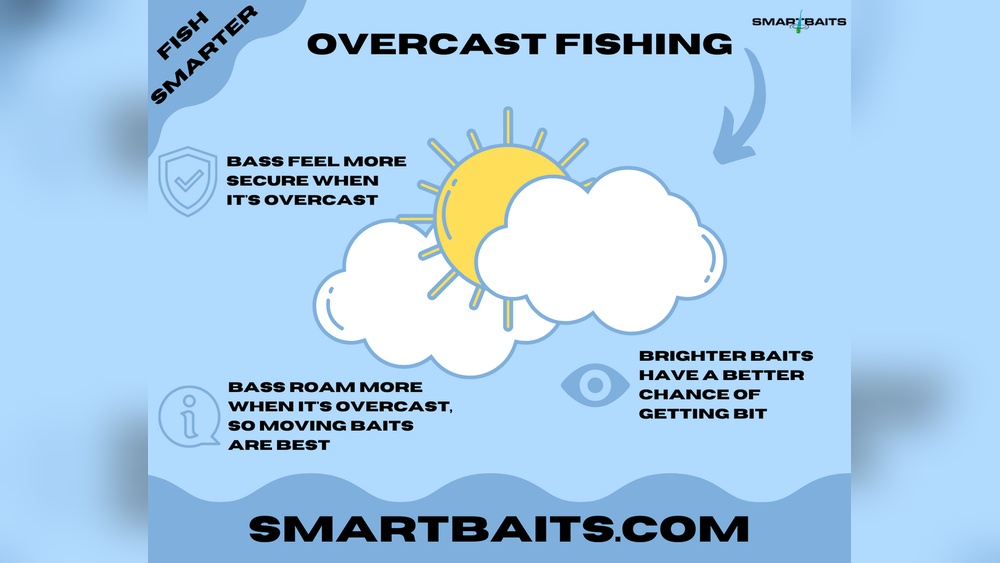
Are Cloudy Days Good For Fishing
Many anglers wonder if cloudy days are good for fishing or if they should wait for clear skies. Some say that overcast weather brings the fish out, while others believe sunny days are better. This question has sparked debates at docks and tackle shops for years.
The truth is, the answer isn’t as simple as yes or no. Weather, water temperature, fish behavior, and even the type of fish all play a part. If you want to catch more fish, understanding how clouds affect fishing can help you plan your trips better and have more success on the water.
In this article, you’ll learn why cloudy days often create great fishing conditions, which species benefit most, what tactics to use, and some common mistakes to avoid. You’ll also see real examples, get science-backed insights, and find answers to the top questions anglers ask about fishing on cloudy days.
Why Weather Matters In Fishing
Fishing is not just about luck—weather plays a huge role in your results. Fish are cold-blooded and highly sensitive to their environment. Changes in temperature, light, wind, and pressure can affect how, when, and where fish feed.
On sunny days, light penetrates deep into the water, making fish cautious because they are more visible to predators. On cloudy days, less light reaches the water, which changes fish behavior. Knowing how weather shifts impact the fish you target is a secret weapon every angler should understand.
The Science Behind Fish And Clouds
Clouds act like a natural shade over the water. When the sky is overcast, sunlight is blocked or diffused. This creates a softer, dimmer light underwater. Fish are less likely to feel exposed and may leave their hiding spots to search for food. The cloud cover also helps keep water temperatures stable, which is important for certain species.
Many studies show that fish feed more actively during periods of low light, such as dawn, dusk, and cloudy weather. For example, largemouth bass and walleye often hunt during these times because they can ambush prey more easily. But not all fish respond the same way—some may feed less, depending on the species or local conditions.
How Cloudy Days Change Fish Behavior
Cloudy days don’t just change the sky—they change the underwater world. Here’s what happens below the surface:
- Reduced Light Penetration: Fish feel less exposed, so they move away from cover.
- Increased Feeding Activity: Many predatory fish hunt more in low light.
- More Shallow Movement: Fish may come closer to the shore or surface.
- Less Predictable Patterns: Fish might scatter rather than staying in one spot.
Let’s look at each effect in detail.
Reduced Light Penetration
Bright sunlight can reach several meters down in clear water. On cloudy days, the light is softer and doesn’t go as deep. Fish that normally hide under logs, rocks, or weeds to avoid predators may now feel safe enough to move out.
This means you don’t have to cast directly into heavy cover—more open water can hold fish.
Increased Feeding Activity
Many game fish are opportunistic feeders. When the light drops, their prey (like small fish or insects) also become more active. Predators take advantage of this, using the dim light to get closer before striking. Largemouth bass, smallmouth bass, pike, and muskie are all known to feed more aggressively on cloudy days.
More Shallow Movement
On sunny days, fish may stay deep or hide under structures. When it’s cloudy, you’ll often find them in shallower water, sometimes just a meter or two from shore. This is because the low light makes them less visible to birds and other predators.
It’s a great time for shore anglers or those fishing from docks.
Less Predictable Patterns
Fish use sunlight as a cue for their daily routines. When the sky is overcast, their patterns can become less regular. This means fish may be feeding at times when they usually rest or hiding when they usually hunt. It’s important to be flexible and try different spots and techniques.
Which Fish Bite Best On Cloudy Days
Not all fish respond the same way to cloudy weather. Some species become more active, while others stay the same or even slow down. Here are a few common freshwater and saltwater species and how they react.
| Species | Cloudy Day Activity | Best Tactics |
|---|---|---|
| Largemouth Bass | More active, roam more | Use moving baits, cover water |
| Walleye | Feed closer to shore | Try crankbaits, jigs |
| Trout | Move out from cover | Cast spoons, spinners |
| Pike | Very aggressive | Use flashy lures |
| Bluegill/Sunfish | Less affected | Fish as usual, try shallow |
| Catfish | Often more active | Use live or cut bait |
Special Note On Saltwater Fish
Many saltwater species like redfish, snook, and speckled trout also respond well to overcast conditions. However, tides and water clarity often play a larger role in saltwater fishing than cloud cover alone. Still, many inshore anglers prefer cloudy days for topwater action.
Advantages Of Fishing On Cloudy Days
Most experienced anglers agree that cloudy days offer several advantages. Here’s why you should consider going fishing when the sky is gray:
- Less Angler Pressure: Fewer people fish on cloudy days, so fish are less spooked.
- Longer Feeding Windows: Fish may feed for hours, not just at dawn or dusk.
- More Aggressive Strikes: Predators attack lures more boldly in low light.
- Easier to Fool Wary Fish: Fish are less able to see your line and lure details.
- Comfortable Conditions: Cooler air and less sun make long days easier for you.
Extended Feeding Times
On bright days, most fish feed early in the morning or late in the evening. When it’s cloudy, the “bite window” can last all day. For example, bass may chase baitfish from sunrise until late afternoon if the sun stays hidden.
Reduced Competition
Fewer boats and anglers on the water mean less noise and disturbance. Fish that are easily spooked by boat traffic or repeated casting are more likely to bite. This is especially true in popular lakes and rivers.
Better Topwater Action
Many anglers find topwater lures (like poppers or frogs) work better when it’s cloudy. The dim light helps fish focus on the lure silhouette, and they’re more likely to strike near the surface.
Common Mistakes When Fishing Cloudy Days
It’s easy to make mistakes if you don’t adjust your tactics for overcast weather. Here are some errors to avoid:
- Fishing Too Deep: Fish often move shallower on cloudy days. Start near the shore.
- Using Only Slow Baits: Try fast-moving lures like crankbaits, spinnerbaits, or swimbaits.
- Ignoring Structure: Fish still use cover, but they roam more. Cast to open areas too.
- Wearing Bright Clothing: Fish can see you against a gray sky. Wear neutral colors.
- Forgetting Sun Protection: UV rays penetrate clouds. Always wear sunscreen.
Overlooking Water Clarity
Cloudy weather can make water look darker, but if the water is already muddy or stained, fish may not see your lure well. In these conditions, use lures with vibration, sound, or bright colors to get noticed.
Staying In One Spot
On overcast days, fish often move more. If you’re not catching anything after 20–30 minutes, move to a new spot. Covering water is key.
Best Lures And Baits For Cloudy Weather
Choosing the right lures and baits is extra important when the sky is overcast. Fish use their senses differently in low light, so you should match your tackle to the conditions.
Top Lure Types
- Spinnerbaits: The flash and vibration attract fish from a distance.
- Crankbaits: Cover water quickly and mimic fleeing baitfish.
- Chatterbaits: Vibrate strongly, even in stained water.
- Topwater Lures: Frogs, poppers, and walking baits work well.
- Soft Plastics: Try brighter colors, especially in dark water.
Live And Natural Baits
For species like catfish and walleye, live bait (minnows, worms) or cut bait can be very effective. They give off scent and movement that fish can find even if visibility is low.
Color Selection
On cloudy days, use lures with more contrast:
- White, chartreuse, or bright colors in stained or dark water.
- Natural colors if water is clear, but with some flash (silver, gold).
- Dark colors (black, blue) create a strong silhouette in low light.

Credit: www.youtube.com
Adjusting Your Fishing Tactics
To get the best results on cloudy days, change your tactics a bit. Here’s what to focus on:
Move And Cover Water
Because fish are more likely to roam, don’t stay in one place too long. Cast in different directions, and try different depths. Use moving lures to find active fish.
Fish Shallow And Near Cover
Look for fish in water less than two meters deep, especially near weed lines, docks, or rocky areas. Cast parallel to the shore or into gaps in cover.
Speed Up Your Retrieve
Fish are more willing to chase prey in low light. Speed up your lure, or add extra action with jerks and pauses. This triggers reaction strikes from aggressive fish.
Watch The Wind
Cloudy days often come with wind. Fish often gather where wind blows food toward the shore. Target wind-blown banks, points, or areas with ripples.
When Cloudy Days Are Not Best For Fishing
While overcast weather is often good, it’s not always ideal. Here are some situations where you might want to wait:
- Cold Fronts: After a storm, fish often become inactive, even if skies are cloudy.
- Extremely Muddy Water: Fish can’t see your lure.
- Winter Months: In very cold water, fish may stay deep and inactive.
- Heavy Rain or Storms: Unsafe conditions for anglers and fish may hide.
The Role Of Barometric Pressure
A sudden drop in barometric pressure (often before a storm) can trigger a brief feeding frenzy. But after the front passes, even cloudy weather may not help much. Fish may become sluggish for hours or days.
Water Temperature Effects
If cloudy days come with a sudden temperature drop, warm-water fish like bass may slow down. In summer, though, a cloudy afternoon often cools the surface just enough to get fish moving.
Myths And Facts About Cloudy Days And Fishing
There are a lot of opinions about fishing on cloudy days—some true, some not.
Myth 1: Fish Always Bite More On Cloudy Days
Fact: Many fish feed more in low light, but not always. Weather, pressure, and water conditions also matter.
Myth 2: You Can Use Any Lure
Fact: Lure choice is still important. Use lures that create vibration, sound, or contrast in low light.
Myth 3: You Don’t Need Sun Protection
Fact: Up to 80% of UV rays can pass through clouds. Always protect your skin and eyes.
Myth 4: All Species React The Same
Fact: Some fish love clouds, others don’t. Learn how your target species reacts.
Real-world Examples And Data
Many fishing tournaments report bigger catches on overcast days. For example, in the Bassmaster Elite Series, several winning bags came during cloudy weather, when anglers found bass feeding shallow all day.
A study by the Wisconsin Department of Natural Resources found that largemouth bass caught per angler-hour increased by up to 30% on cloudy days compared to sunny ones. Walleye catch rates also jumped, especially in shallow lakes.
Another practical insight: Many guides in popular fishing destinations (like Florida or Minnesota) recommend booking trips during stretches of stable, overcast weather rather than right after a storm front.

Credit: www.istockphoto.com
Tips For Staying Safe And Comfortable On Cloudy Days
Cloudy days can trick you into being less careful. Here’s how to stay safe and enjoy your time on the water:
- Wear Layers: Temperatures can change quickly.
- Bring Rain Gear: Clouds often mean showers.
- Use Polarized Sunglasses: Helps spot fish even in dim light.
- Check Weather Apps: Storms can develop fast.
- Tell Someone Your Plans: Fewer anglers means less help if needed.
When To Fish: Cloudy Days Versus Other Conditions
How do cloudy days compare to sunny, rainy, or windy days? Here’s a quick summary:
| Condition | Fish Activity | Best Tactics |
|---|---|---|
| Sunny | Lower midday, better at dawn/dusk | Fish deep, use subtle lures |
| Cloudy | Higher all day | Fish shallow, use moving lures |
| Rainy | Can be good, but risky | Try topwater, use caution |
| Windy | Can push fish to shore | Fish wind-blown banks |
Non-obvious Insights About Cloudy Day Fishing
There are some tips most beginners miss:
- Pay Attention to Bird Activity: Birds like herons or gulls hunt fish too. If they’re active, the fish are likely feeding.
- Look for Subtle Water Changes: Cloudy days can reveal “mud lines” or current seams where fish ambush prey.
- Fish Transition Areas: Where shallow meets deep, or weed edge meets open water, are prime spots during overcast weather.
Resources For More Fishing Weather Knowledge
If you want to dig deeper into how weather affects fishing, the National Weather Service and the NOAA Marine Weather & Fishing page provide detailed forecasts and scientific insights.

Credit: www.youtube.com
Frequently Asked Questions
Does Fishing Get Better Right Before It Rains?
Often, yes. Just before rain, barometric pressure drops, which can make fish feed more aggressively. However, this “pre-storm bite” is usually short. Once the rain starts or pressure evens out, fish may become less active.
Is Fishing Better On A Cloudy Day Or A Sunny Day?
For most species, especially bass, walleye, and pike, a cloudy day is better. Fish are more active and less cautious. However, some fish, like panfish, may not change much, and water conditions also matter.
What Is The Best Time To Fish On A Cloudy Day?
Unlike sunny days, the best time is often all day long. The bite window can last from morning to afternoon, especially if the weather is stable and not too cold.
Should I Use Different Lures On Cloudy Days?
Yes. Use lures that create vibration, sound, or have bright or contrasting colors. Moving lures like spinnerbaits, crankbaits, and topwaters work well because fish are hunting more actively.
Can I Get Sunburned On A Cloudy Day While Fishing?
Absolutely. Clouds block some UV rays, but not all. Up to 80% can still reach your skin. Always wear sunscreen, sunglasses, and a hat, even if the sky looks gray.
Cloudy days can change the fishing game, often for the better. By understanding how light, weather, and fish behavior interact, you can make the most of overcast skies and enjoy more successful days on the water. Whether you’re a beginner or a seasoned angler, next time the sky turns gray, remember: it could be your best chance to catch that trophy fish.