
Beach fishing is a favorite way for many anglers to enjoy the ocean while standing on the sand. The sound of the waves, the fresh air, and the thrill of the catch all come together for an unforgettable experience. But if you’ve ever stood on a shoreline for hours with little luck, you might wonder: does the tide really matter? The answer is yes, and understanding tides can make the difference between a slow day and a successful one.
Fishing at the beach isn’t just about casting your line and hoping for the best. The ocean moves in regular patterns, and fish follow these movements. Tides, created by the moon and sun’s pull on Earth’s oceans, play a huge role in where and when fish feed.
If you learn when the best tide occurs, you’ll see more action on your line. But the answer isn’t as simple as “high” or “low” tide. Other factors, like local geography and the type of fish you want to catch, also matter.
Let’s dive deep into how tides work, why they affect fish behavior, and how you can use this knowledge to improve your beach fishing results. By the end, you’ll know not just the best tide for beach fishing, but also how to read the beach like a pro.
Understanding Tides And Their Impact On Fishing
Tides are the rise and fall of sea levels caused by the gravitational forces of the moon and the sun. This daily rhythm changes the depth and flow of water along the shoreline. There are two main types of tides: high tide and low tide, with periods of moving water in between called incoming (flood) tide and outgoing (ebb) tide.
Most coastlines experience two high tides and two low tides each 24 hours, known as a semidiurnal tide cycle. Some areas have only one high and one low tide (diurnal), while a few have mixed patterns. Knowing your local tide chart is the first step to good fishing.
Fish respond to these changes because tides affect:
- Water depth: Some fish only come close to shore when the water is deep enough.
- Food availability: Tides move food sources like baitfish, worms, and crabs.
- Cover and shelter: Rising water lets fish reach new feeding areas, while falling water pushes them back.
Not all tides are equal for fishing. The best times often depend on the movement of water, not just the highest or lowest point. When water is moving, fish are more active and likely to bite.
The Four Main Tide Stages Explained
To choose the best tide for beach fishing, you should understand each stage:
- High Tide
- Falling (Ebb) Tide
- Low Tide
- Rising (Flood) Tide
Let’s look at each and how it affects your chances.
High Tide
At high tide, water reaches its highest point on the beach. Fish can swim over sandbars and into shallow areas they cannot reach during low tide. This can bring them close to your feet, especially if you’re fishing at dawn or dusk.
High tide is often good for fishing if:
- The beach has deep troughs or holes near the high tide line.
- You target species like striped bass, red drum, or snook, which follow the water in search of food.
- The high tide aligns with sunrise or sunset, when many fish feed.
However, during the very peak of high tide, water movement slows, and fish may become less active. The best bite often happens as the tide starts to fall.
Falling (ebb) Tide
After high tide, the water begins to flow back out to sea. This is called the falling or ebb tide. Many anglers believe this is the best tide for beach fishing. Here’s why:
- Water movement increases, stirring up the sand and releasing food.
- Baitfish, crabs, and other prey are swept out of hiding places, attracting predators.
- Fish often wait at the mouths of cuts and sloughs to ambush food.
The period from just after high tide until halfway to low tide is especially productive. This is when water flows strongly and fish are feeding aggressively.
Low Tide
Low tide is when the water is at its lowest point. Much of the beach is exposed, and shallow flats or sandbars may be dry. While fishing can be slow, low tide can reveal the beach’s structure — holes, channels, and drop-offs — that will be underwater and fishable at higher tides.
Some advanced anglers use low tide to:
- Scout for productive spots for later.
- Target fish that are trapped in deeper holes or pools.
- Find areas where baitfish gather in the remaining water.
Generally, low tide is the least productive time for beach fishing, unless you know exactly where fish are holding.
Rising (flood) Tide
As the tide turns and water comes back in, fish follow the rising water onto new feeding grounds. This is another great time to fish, especially during the first few hours after low tide.
On a rising tide:
- Baitfish and crustaceans move with the water, drawing predators in.
- Fish search newly covered sandbars and grassy areas for food.
- The action can be strong until just before the next high tide.
Both the falling and rising tides are top choices for beach anglers, with the falling tide often getting a slight edge.
Comparing The Tides For Beach Fishing Success
To make things clear, here’s a quick comparison of the four main tide stages and their fishing potential:
| Tide Stage | Water Movement | Fish Activity | Best Use |
|---|---|---|---|
| High Tide | Slows at peak | Moderate, peaks as tide turns | Fish deep troughs close to shore |
| Falling (Ebb) Tide | Strong movement | Very active | Best for ambush predators, near outflows |
| Low Tide | Minimal | Slow | Scout structure, fish deep holes |
| Rising (Flood) Tide | Increasing movement | Active | Fish new water, near structure |
Why Fish Feed More During Moving Tides
The key to good fishing is moving water. Fish sense changes in their environment. When water moves, it stirs up food, brings oxygen, and creates currents that fish use to their advantage. Stationary water, like at the peak of high or low tide, often leads to less feeding.
Fish, especially predators, wait at natural pinch points — places where the current forces food through a narrow space. Examples are:
- The mouths of small creeks flowing into the ocean
- Cuts between sandbars
- The edges of troughs
When the tide moves, these spots become feeding zones.
Types Of Fish And Their Preferred Tides
Different species behave differently during tide changes. Here’s how some popular beach targets relate to the tide:
Striped Bass
Striped bass love moving water. They feed aggressively at the start of the falling tide. Look for them near the mouths of rivers or where the beach has a deep trough.
Red Drum (redfish)
Red drum follow the tide onto shallow flats during the rising tide, searching for crabs and shrimp. As the water falls, they move back to deeper channels.
Snook
Snook are ambush predators. They wait near structure, like jetties or rocks, during the outgoing tide to catch prey washed out by the current.
Pompano
Pompano feed in the surf zone. They move in with the rising tide and stay active as long as the water covers sandbars and holes.
Flounder
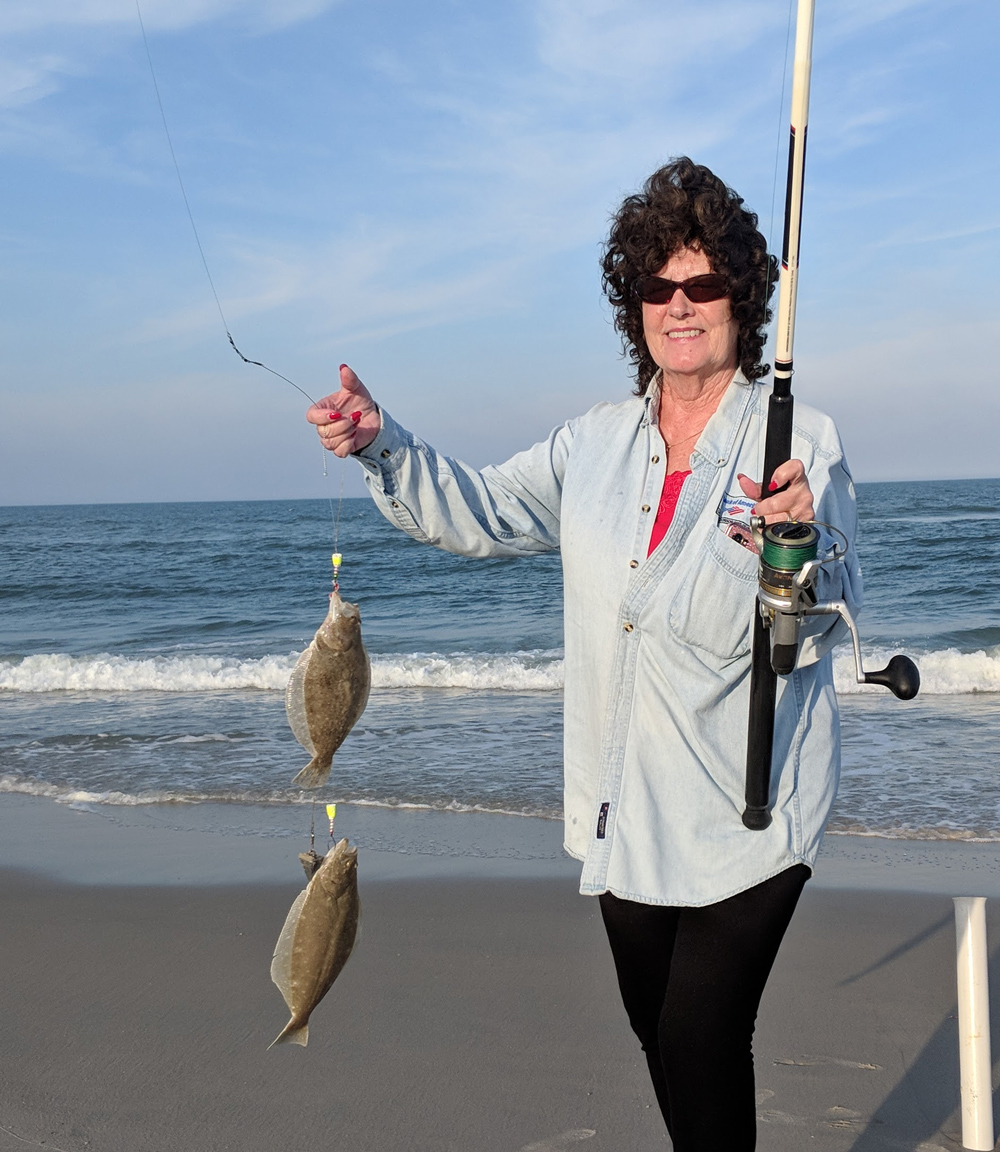
Flounder lie flat on the bottom. The best time to target them is during the last part of the outgoing tide when they gather in deeper holes left by the dropping water.
This shows why there’s no “one-size-fits-all” answer. However, falling and rising tides usually offer the best chances for most beach species.
How Local Geography Changes The Best Tide
The shape of the beach and nearby features can affect which tide is best for you. Here’s how:
- Steep beaches: These often fish well at all stages except dead low tide. The water stays deep close to shore.
- Flat beaches: These are best fished on a rising or high tide, as the water needs to cover more ground for fish to get close.
- Jetties and piers: These structures break up the current and create eddies. Fish gather here during both incoming and outgoing tides.
- River mouths or estuaries: Outgoing tides are excellent here, as bait is washed out to sea.
Pay attention to where you see birds feeding or baitfish jumping — these can be signs of active fish during a specific tide.
Reading The Beach: Finding Productive Spots
Learning how to “read” the beach is a skill that separates casual anglers from experts. The best tide is only helpful if you know where to fish. Use low tide to scout for:
- Troughs: Depressions parallel to shore, where fish patrol for food.
- Sandbars: Fish often move over these as the tide rises.
- Cuts and sloughs: Gaps in sandbars that funnel water and food.
- Points and pockets: Areas where the beach juts out or curves in, causing currents to concentrate bait.
Mark these spots so you can fish them when the tide is right.
How To Use A Tide Chart For Beach Fishing
A tide chart tells you the times and heights of high and low tides each day. Here’s how to use one:
- Find your local tide chart online or in a fishing store.
- Note the times for high and low tides.
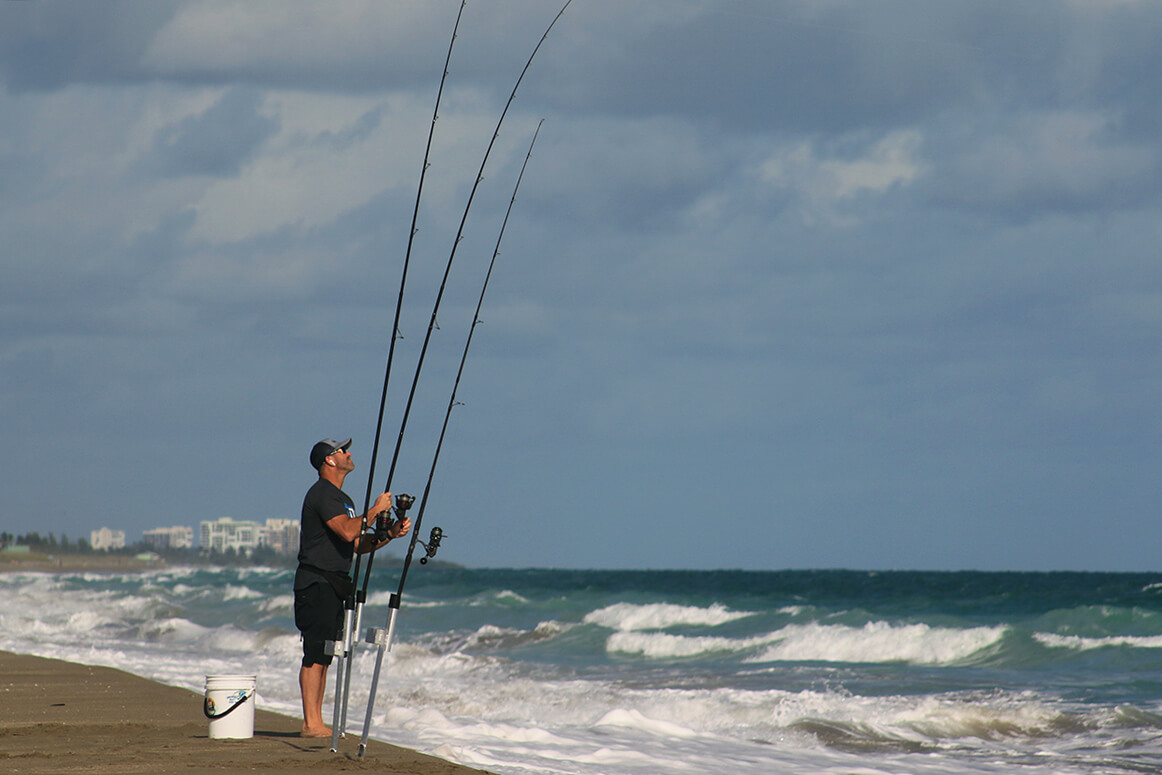
- Plan to arrive one to two hours before the tide starts moving (either rising or falling).
- Fish the next three to four hours of moving water.
Some mobile apps can even alert you when the best fishing times are coming up.
Credit: www.floridasportsman.com
Common Mistakes Anglers Make With Tides
Many beginners make the same errors when fishing the tides:
- Arriving at dead high or low tide: Water movement is slow, and so is the fishing.
- Ignoring local beach features: Not all beaches fish the same at all tides.
- Chasing a “magic tide”: The best tide can change day by day, even hour by hour.
- Not adjusting bait and tackle: Different tides can require different approaches.
Understanding these mistakes helps you avoid frustration.
Advanced Tips: Maximizing Your Beach Fishing With Tides
Beyond just picking the right tide, here are some pro-level tips:
- Combine tide with time of day: Early morning and late evening are often best, especially if they line up with a moving tide.
- Watch the moon phase: New and full moons create higher high tides and lower low tides (spring tides), leading to more water movement. Quarter moons produce neap tides, with less movement.
- Adjust your casting distance: During high tide, fish may be near your feet. At low tide, they could be hundreds of feet out, past the first sandbar.
- Change bait with the tide: As the tide falls, use cut bait that drifts in the current. As it rises, try live bait that covers new ground.
One insight many miss: the strongest bites often occur one to two hours after the tide turns, not right at the peak.
Weather, Wind, And Tides: The Full Picture
Tide is only one factor. Wind direction can push bait into certain areas, making a normally slow tide productive. Overcast or rainy days can also help, as fish feel safer from predators.
A quick comparison of how different factors stack up for beach fishing:
| Factor | Impact | Best Conditions |
|---|---|---|
| Tide | Controls water movement and depth | Falling or rising |
| Wind | Pushes bait, creates waves | Light onshore wind |
| Weather | Affects fish comfort and activity | Cloudy or overcast |
| Time of Day | Fish feed more at low light | Dawn, dusk |
For more on how tides work, visit this helpful resource: Wikipedia: Tide.
Two Non-obvious Insights Most Anglers Miss
- Tide Height Matters, Not Just Direction: Many focus only on whether the tide is coming in or going out. But the height of the tide (how high or low it is compared to the average) changes where fish will be. A higher-than-normal tide can make usually dry spots fishable, while a very low tide may push all the fish far offshore.
- Micro-Tides and Local Effects: In some places, wind or river flow can overpower the predicted tide. For example, a strong onshore wind during a low tide can actually push water onto the beach, creating better fishing than expected. Always observe real conditions, not just charts.
Credit: www.fishtalkmag.com
Frequently Asked Questions
What Is The Best Tide For Surf Fishing As A Beginner?
The falling (ebb) tide is often the best for beginners because fish are more active and easier to find. Focus on the first few hours after high tide as the water starts to move out. This is when bait is stirred up and fish move in to feed.

Credit: www.youtube.com
How Can I Tell Which Tide Is Happening If I Don’t Have A Tide Chart?
Look for visual clues: if the waterline is moving higher up the beach, it’s a rising tide. If the water is pulling away and exposing more sand, it’s a falling tide. You can also watch floating debris or seaweed to see which direction the water is moving.
Is It Worth Fishing At Dead Low Or High Tide?
Usually, fishing is slower at the very lowest or highest points of the tide because water movement stops and fish feed less. However, if you know where deep holes or channels are, you might still catch fish, especially if they’re trapped there during low tide.
Does Moon Phase Affect Beach Fishing Tides?
Yes, the moon’s phase changes the strength of the tides. New and full moons create stronger, higher tides (spring tides), which can lead to better fishing due to more water movement. Quarter moons create weaker, more even tides (neap tides).
Should I Change My Bait Or Lures Depending On The Tide?
Yes. On a rising tide, use baits that move naturally with the incoming water, like shrimp or live bait. On a falling tide, try cut bait or lures that drift in the current, as fish are waiting for food to be washed out.
Beach fishing can be simple or as advanced as you want to make it. By understanding tides — not just the charts, but how they interact with weather, wind, and local geography — you’ll turn more trips into great memories.
Next time you head to the shore, time your outing with the moving water, watch the beach for clues, and you’ll soon have your own stories of big catches and perfect days by the sea.