
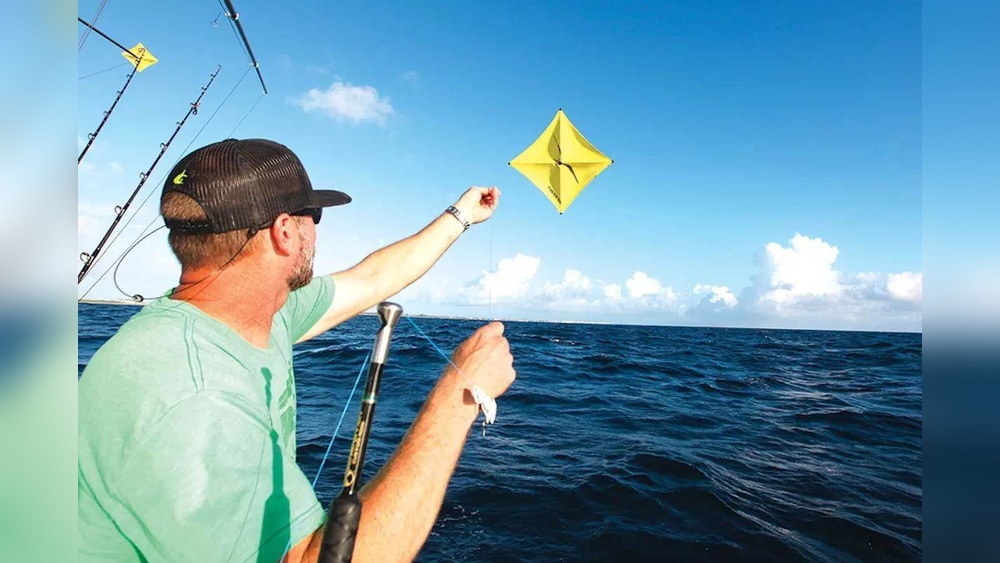
Kite fishing is an exciting and inventive way to catch fish, combining the art of angling with the science of wind and weather. Unlike traditional fishing methods, kite fishing uses a kite to carry your bait far from the shore or boat, reaching places that are difficult or impossible to access with a rod and line alone.
It’s a technique that offers both challenge and reward, drawing interest from casual anglers and serious sport fishers alike.
Many people first hear about kite fishing when watching videos of big-game catches or reading stories about monster fish landed from remote reefs. But the truth is, kite fishing is not just for experts. With the right equipment and a bit of practice, almost anyone can enjoy the thrill of sending a line out hundreds of meters and feeling the tug of a fish far beyond the surf.
This article will take you deep into the world of kite fishing. You’ll learn how it works, what you need, and why so many anglers are drawn to this unique method. We’ll explore the history, the practical steps, the advantages and challenges, and offer tips you won’t find in most beginner guides.
By the end, you’ll have a clear picture of whether kite fishing is right for you—and how to get started if it is.
What Is Kite Fishing?
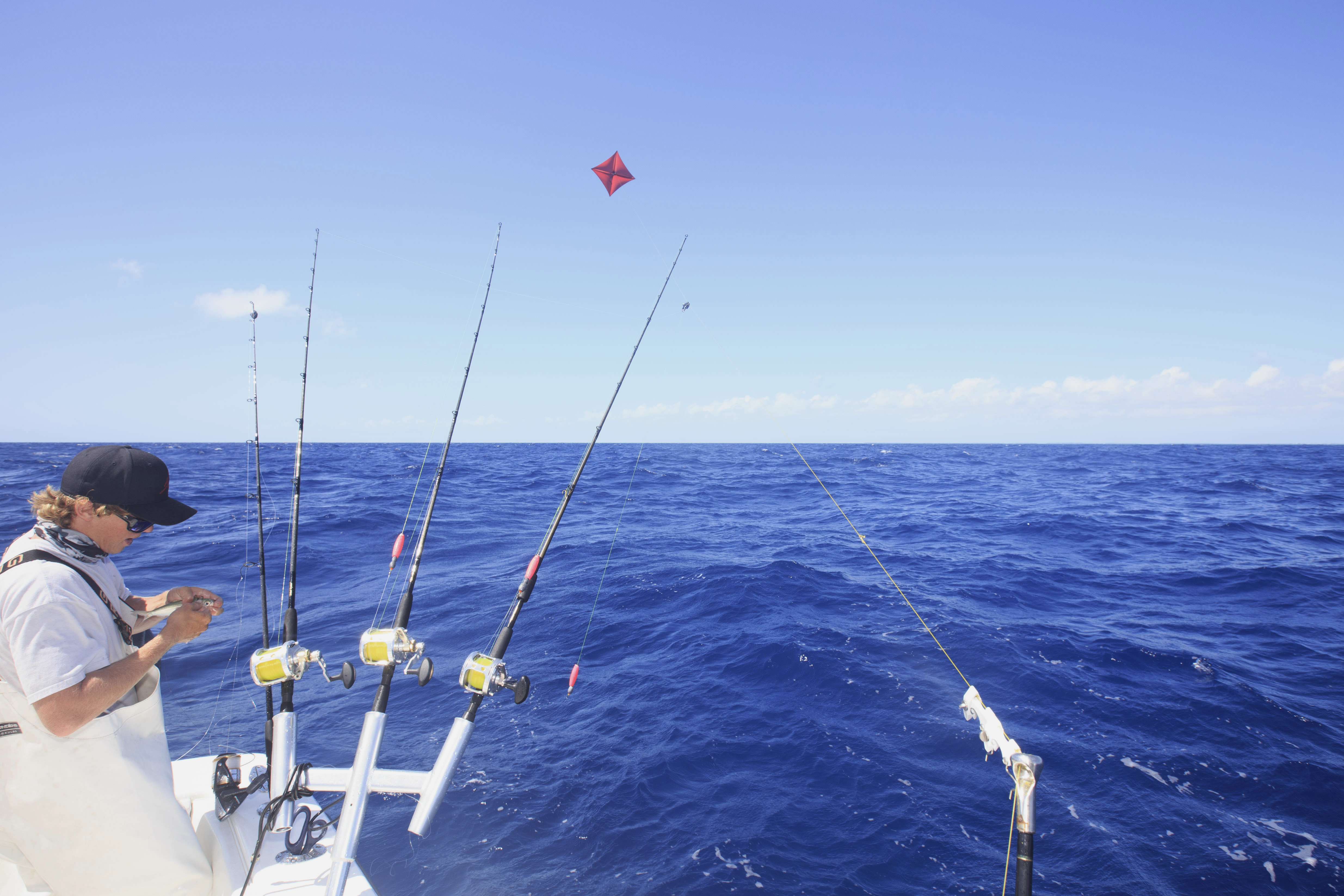
Kite fishing is a method where anglers use a kite to carry their fishing line and bait far out over the water. The kite acts as a delivery system, allowing the bait to be placed at a distance that is hard to reach by casting alone. Once the kite is flying, the fishing line hangs from the kite line, suspending the bait at the water’s surface or just below it.
The key idea is simple: let the wind do the hard work. Instead of relying on a heavy sinker or a long cast, the kite pulls your line out, keeping the bait away from the noise and shadows near the shore or boat. This is especially useful when targeting species that are shy or found in deeper, less accessible waters.
Kite fishing can be done from a boat, the shore, or even structures like piers or cliffs, as long as there is enough wind to keep the kite aloft. The method is popular for catching both small and large fish, including tuna, mackerel, mahi-mahi, and sometimes even billfish like sailfish and marlin.
The History Of Kite Fishing
Kite fishing has roots that stretch back centuries. It was used by ancient cultures, especially in the Pacific Islands. Islanders in places like Papua New Guinea and Polynesia made their own kites from leaves and reeds, using them to carry baited hooks over the surf to catch fish feeding near the surface.
In these traditional methods, the kite allowed fishermen to reach fish beyond dangerous reefs or rough waves. The basic principles have not changed much, even as modern materials and designs have made kites lighter, stronger, and easier to control.
Today, kite fishing is popular in regions like Florida, Australia, New Zealand, and parts of Asia. Sport anglers have adapted the technique for big-game fishing, using advanced gear and sometimes even electric reels. But the spirit remains the same: using the wind to reach fish that are out of normal casting range.
How Kite Fishing Works
Kite fishing may look complex, but the process is logical and systematic. Here is how it works step by step:
- Launch the kite: First, you select a kite suitable for the wind conditions. You then launch the kite, letting out enough line so it flies steady and high.
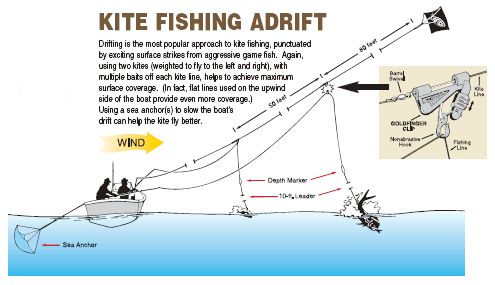
- Attach the fishing line: A fishing line with baited hooks is attached to a special release clip on the kite line. This clip allows the baited line to hang vertically, keeping the bait near the water surface.
- Send out the bait: As the kite flies further, it carries the baited line out, away from the shore or boat. The angler controls the distance by letting out more kite line.
- Wait for a strike: When a fish takes the bait, the line pulls free from the release clip. The angler then fights the fish using the rod and reel, just like normal fishing.
- Retrieve: After the catch, you can bring the kite back in or set up another line.
The process uses wind, not just arm strength, to reach distant feeding zones. Kites can carry multiple lines at once, increasing the chances of a catch. Some anglers use floats or balloons to keep the bait at a certain depth, and others add teasers or attractors to bring fish closer.
Essential Gear For Kite Fishing
Kite fishing requires some special equipment, but it’s not as complicated as it may seem. Here are the main items:
Kites
The kite is the heart of the system. Fishing kites are usually made from lightweight fabric and strong frames. The best kites are stable, easy to launch, and can handle changing wind speeds. Many anglers carry several kites for different wind strengths—light wind, medium wind, and strong wind.
Release Clips
Release clips are small devices that attach the fishing line to the kite line. When a fish bites, the clip opens, letting the line drop free so you can fight the fish directly. Good clips hold the line firmly but release smoothly with a strong pull.
Rods And Reels
You don’t need special rods or reels, but strong, smooth gear helps. Saltwater spinning or conventional reels with good drag systems are common. Rods should be sturdy enough to handle the fish you target. Some experts use electric reels for deep drops or heavy fish.
Line And Leaders
Braided main line is popular because it is thin and strong, allowing more line to be let out without breaking. Leaders of fluorocarbon or wire are used for toothy or shy fish. Line weights vary depending on the target species.
Baits And Hooks
Live bait works best for many species, but dead bait, lures, or even artificial flies can be used. Hooks should be sharp and strong. Circle hooks are common because they set easily and reduce deep hooking.
Floats And Balloons
Floats or balloons can be added to keep the bait at the right depth. Some setups use colored floats to help anglers see where each bait is.
Accessories
Other useful items include swivels, snap clips, line markers, gloves, and wind meters. A good tackle box keeps everything organized.
Below is a comparison of some basic gear options:
| Equipment | Basic | Advanced |
|---|---|---|
| Kite | Nylon delta kite | Specialized fishing kite (carbon frame) |
| Rod & Reel | Medium spinning combo | Heavy-duty saltwater reel (electric or manual) |
| Release Clip | Plastic clip | Adjustable tension clip |
| Line | Monofilament 20 lb | Braided 50+ lb |
Setting Up For Kite Fishing
Getting set up can be a little tricky at first, but with practice, it becomes routine. Here’s how to prepare your kite fishing rig:
- Check the wind: Ideal wind speed is usually between 10 and 20 knots (18–37 km/h). Too little wind and the kite won’t fly; too much and you may lose control.
- Launch the kite: Stand with your back to the wind and let out line as the kite rises. Make sure there are no obstacles (trees, power lines) nearby.
- Prepare your baited line: Rig your hook, bait, and leader as you would for normal fishing.
- Attach the release clip: Clip your fishing line to the kite line using a release clip. Position the clip so the bait hangs just above the water.
- Let out the kite line: As you release more kite line, the baited line will follow, moving further from your position.
- Watch for bites: Keep an eye on the line and the kite. When a fish strikes, the line will pull free, signaling a bite.
One insight that beginners often miss: practice launching and landing your kite without any fishing line attached first. This helps you learn how the kite behaves in different winds and reduces tangles or accidents.
Where And When To Kite Fish
Kite fishing can be done from many locations, but some spots work better than others:
- Offshore boats: The most popular way, especially for big-game species.
- Beaches: Great for reaching deeper water beyond the surf.
- Cliffs and piers: Offer high launch points and good wind, but require extra care.
The best time to kite fish is when winds are steady and not too strong. Early morning or late afternoon is often ideal, when fish are feeding near the surface. Seasons vary by region and target species.
Many anglers overlook the importance of wind direction. A steady onshore wind (blowing from sea toward land) is easiest for beginners, as it helps keep the kite and bait moving away from shore.
Target Species And Popular Locations
Kite fishing opens up a world of possibilities for species and locations. Here are some of the most popular fish caught using this method:
- Sailfish: Especially common in Florida and the Caribbean. Sailfish hunt near the surface and respond well to live bait presented by kite.
- Mahi-mahi (dorado): Often found offshore in warm waters.
- Tuna: Both yellowfin and skipjack tuna are targeted by kite fishers.
- King mackerel: Fast and strong, found in the Atlantic and Gulf coasts.
- Snapper and grouper: Sometimes caught near reefs using kite rigs.
- Sharks: Larger baits can attract sharks for catch-and-release sport.
Popular kite fishing destinations include:
- Florida Keys, USA
- Gold Coast, Australia
- Bay of Islands, New Zealand
- Cape Town, South Africa
- Papua New Guinea (traditional methods still used)
Each area has its own regulations, seasons, and best practices. Always check local rules before you fish.
Advantages Of Kite Fishing
Kite fishing offers several unique advantages over traditional fishing methods:
Increased Range
By using the wind, you can send your bait much farther than a normal cast. This lets you reach deep or remote waters where fish feed more actively.
Stealthy Presentation
The kite keeps your fishing line out of the water until the bait, reducing the chance of spooking fish. The bait moves naturally, with little drag or noise.
Multiple Lines
Many setups allow you to run several lines from a single kite, increasing your chances without crowding the water.
Access To Difficult Spots
Kite fishing lets you fish over reefs, rocks, or weed beds that are impossible to reach by casting. It’s also useful when fishing from cliffs or high banks.
Exciting Visuals
Watching the kite, lines, and bait from a distance adds an exciting visual element. Strikes are dramatic and easy to spot.
Challenges And Common Mistakes
While kite fishing is rewarding, it comes with challenges. Here are some common problems and how to avoid them:
Wind Conditions
Too little wind and your kite won’t fly. Too much, and it may crash or become uncontrollable. Beginners often try to fish in unsuitable wind, leading to frustration.
Line Tangles
With multiple lines, kites, and clips, tangles are common. Always launch and retrieve lines one at a time, and keep gear organized.
Kites In Trees Or Water
Launching near obstacles can lead to lost kites. Choose open, clear areas, and practice kite control before attaching fishing lines.
Poor Release Clip Setup
Improperly set clips may not release the line when a fish bites, or may let it go too soon. Test your release tension before sending out bait.
Ignoring Safety
Kites, lines, and hooks can cause injury. Wear gloves, keep a safe distance, and warn others nearby.
Below is a comparison of typical mistakes and solutions:
| Mistake | Impact | Solution |
|---|---|---|
| Poor wind judgment | Kite won’t fly or is lost | Check forecast, use wind meter |
| Loose release clip | Line drops before bite | Adjust tension, test before use |
| Overcrowded lines | Tangles and lost fish | Use fewer lines, space apart |
Non-obvious Insights For Success
Kite fishing has many small details that can make a big difference. Here are two insights often missed by beginners:
- Choose the right kite for the day: Many newcomers use the same kite in all conditions. In reality, a light-wind kite works best in gentle breezes, while a heavy, stable kite is needed for stronger winds. Carry at least two types and switch as needed.
- Use line markers or colored floats: When running multiple lines, it’s easy to lose track of which bait is where. Adding colored markers or floats helps you identify bites quickly and manage lines without tangling.
Another advanced tip: try different release clip tensions for different baits. Small, live baits may need a lighter release, while large, dead baits can handle a firmer grip.
Credit: www.floridasportsman.com
Environmental And Ethical Considerations
Kite fishing, like all fishing, has environmental impact. Here’s how to fish responsibly:
- Use biodegradable materials when possible. Lost kites or lines can harm wildlife.
- Practice catch and release for threatened species.
- Follow local rules on fishing limits, seasons, and protected areas.
- Collect all gear at the end of the session, including lost line or balloons.
Kite fishing can actually reduce seabed damage, since baits are suspended above the bottom, avoiding contact with sensitive habitats.
Kite Fishing Vs. Other Fishing Methods
How does kite fishing compare to other popular methods? Here’s a look at some key differences:
| Method | Distance Reached | Bait Presentation | Best For |
|---|---|---|---|
| Kite Fishing | Up to 500m+ | Natural, surface or shallow | Pelagic species, remote water |
| Surf Casting | 50–100m | Bottom or midwater | Beach and shore fishing |
| Trolling | Variable | Moving lures or bait | Boat fishing, covering large areas |
Kite fishing stands out for its ability to deliver baits gently and quietly into areas that would otherwise go untouched.

Credit: fishingbooker.com
Getting Started With Kite Fishing
If you’re ready to try kite fishing, start simple. Visit a local tackle shop or join a fishing club with kite fishing experience. Many regions offer guided trips where you can learn from experts before investing in your own gear.
Practice flying your kite on land first. Once you’re confident, add one fishing line with a small bait. Don’t rush to use multiple lines or target huge fish on your first trip. Focus on mastering the basics—kite control, release clips, and bite detection.
Ask local anglers about the best spots, winds, and target species. Each area has its own secrets, and a friendly chat can save you hours of trial and error.
One resource worth checking is the Wikipedia Kite Fishing entry, which covers both traditional and modern methods.
Frequently Asked Questions
What Is The Best Wind Speed For Kite Fishing?
The ideal wind speed is between 10 and 20 knots (18–37 km/h). This is strong enough to keep most fishing kites aloft but not so strong that you lose control. Always match your kite to the wind conditions for best results.
Can I Kite Fish From The Shore, Or Do I Need A Boat?
You can kite fish from both shore and boat. Shore-based kite fishing works well from beaches, cliffs, or piers, especially where casting distance is limited. Boats allow more freedom and are often used for big-game species.
What Types Of Fish Can I Catch With Kite Fishing?
Common targets include sailfish, mahi-mahi, tuna, king mackerel, and snapper. Many other species can be caught, depending on your location and bait. The method works best for fish that feed near the surface.
Is Kite Fishing Safe For Beginners?
Kite fishing is safe if you take basic precautions: always check for obstacles, wear gloves, and keep others clear of lines and hooks. Start with simple setups and gain experience before trying more complex rigs or rough weather.
Do I Need Special Permits For Kite Fishing?
Fishing permits depend on your location and the species you target. In many places, a standard recreational fishing license is enough, but always check local regulations for kite fishing and protected areas before starting.
Kite fishing is a fascinating blend of tradition, technology, and the power of nature. It offers new opportunities for anglers of all levels and can turn an ordinary day on the water into an unforgettable adventure. With a little preparation, the right gear, and some practice, you’ll discover why so many fishers are hooked on this wind-powered method.
Credit: www.floridasportsman.com