
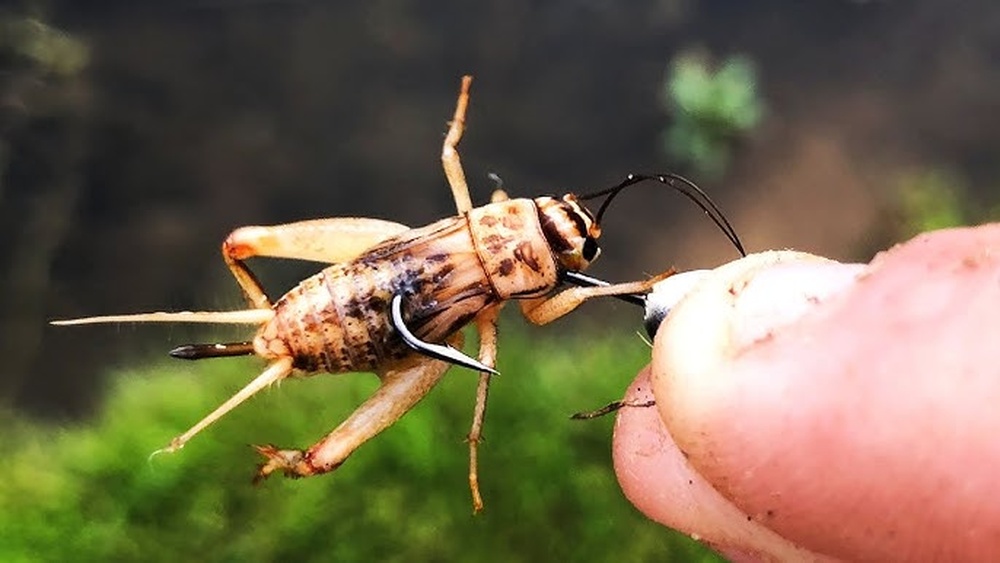
Fishing with live crickets is a classic method that has helped anglers catch fish for generations. Crickets are a favorite food for many freshwater fish, including bluegill, crappie, trout, and bass. Their lively movements in the water naturally attract fish, making them one of the most effective baits you can use.
But to get the best results, you need to know exactly how to hook crickets the right way. Beginners often make mistakes that can lead to dead or poorly presented bait, and missed catches. This guide will give you clear, step-by-step advice on hooking crickets for fishing.
You’ll also learn how to keep your crickets alive, choose the right gear, and avoid common problems. Whether you’re fishing for fun or hoping for a big catch, these tips will help you use crickets like a pro.
Why Use Crickets As Bait?
Many anglers prefer crickets because they are natural prey for fish. Crickets offer a scent and movement that artificial lures can’t match. Fish instinctively recognize them as food, so they often bite quickly and aggressively. Crickets are also easy to find and affordable, making them accessible for beginners and experienced fishers alike. Unlike worms, crickets don’t make a mess, and they stay on the hook longer when rigged correctly.
Fish such as bluegill, sunfish, trout, and small bass are especially attracted to crickets. In some regions, crickets can outperform other live baits, especially in warm weather when insects are a regular part of a fish’s diet. For those fishing in clear water or shallow streams, crickets can make the difference between a slow day and a full stringer.
Choosing The Right Crickets
Not all crickets are the same. For fishing, you want to select healthy, active crickets that are about one inch long. Pet stores, bait shops, and even online retailers sell crickets bred for fishing. It’s important to avoid crickets that are sluggish or have missing legs, as these are less appealing to fish and may not survive long on the hook.
There are two main types of crickets used in fishing:
- House crickets (Acheta domesticus): Most common, easy to handle, and lively.
- Field crickets: Larger and louder but can be harder to find and keep alive.
Check that your crickets are dark, shiny, and moving well. Weak or pale crickets are likely unhealthy. Store them in a cool, ventilated container with some food (like a piece of potato or carrot) and a moisture source to keep them lively until you’re ready to fish.
Credit: www.furfishgame.com
How To Keep Crickets Alive
Keeping your crickets alive and active is essential for effective fishing. Dead crickets rarely attract fish, and sluggish ones don’t move naturally on the hook. Here are some practical tips:
- Temperature Control: Crickets do best between 70-80°F (21-27°C). Avoid direct sunlight or extreme cold.
- Ventilation: Use a container with small holes for air. Too many crickets in a closed box can suffocate them.
- Food and Water: Add a slice of potato, carrot, or apple for food and moisture. Avoid open water, which can drown them.
- Space: Don’t overcrowd. Too many crickets together leads to stress and death.
- Handle Gently: Crickets are fragile. Use a soft scoop or tweezers rather than your fingers to catch and move them.
By following these steps, you’ll have healthy, active crickets ready to catch fish.
Essential Gear For Fishing With Crickets
To hook crickets properly and fish successfully, you need the right gear. Here’s what you should have:
- Light to ultralight rod and reel: Helps you feel bites from small fish.
- Small hooks: Size 8 to 12 are best. Thin wire hooks work well for crickets.
- Light line: 2-6 lb test line is enough for most panfish and trout.
- Bobber or float: Keeps your cricket at the right depth and signals bites.
- Split-shot weights: Small sinkers to adjust depth.
- Bait holder or cricket cage: Makes handling and storing crickets easier.
Choosing the right hook size is especially important. A hook that’s too large will kill the cricket or make it look unnatural. A hook that’s too small may not hold the fish. Thin wire hooks are less likely to injure the cricket and keep it moving naturally in the water.
Here’s a quick comparison of hook sizes for cricket fishing:
| Hook Size | Best For | Cricket Length |
|---|---|---|
| Size 8 | Large panfish, small bass | 1 inch or more |
| Size 10 | Bluegill, crappie | 3/4 to 1 inch |
| Size 12 | Trout, small sunfish | 1/2 to 3/4 inch |
Credit: www.louisianasportsman.com
Step-by-step: How To Hook Crickets For Fishing
The main challenge when fishing with crickets is hooking them so they stay alive and move naturally. There are several methods, and each has its advantages. Let’s look at the most reliable techniques.
1. Hooking Through The Collar (pronotum)
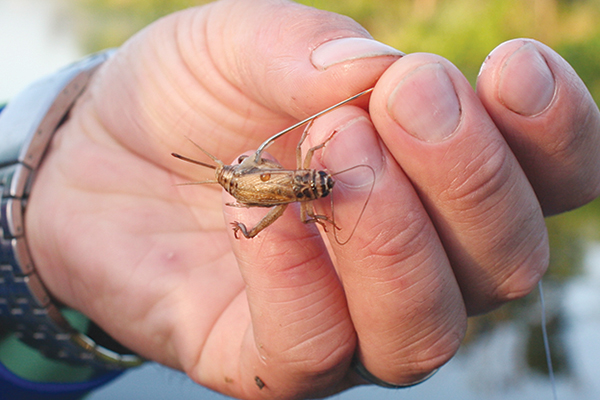
The collar is the hard area right behind the cricket’s head (also called the pronotum). This is the most common method because it keeps the cricket alive and allows it to move freely.
- Hold the cricket gently by the wings or back legs.
- Insert the hook through the side of the collar, just behind the head.
- Push the hook out the other side so it sits securely.
- Avoid piercing the head or body, which can quickly kill the cricket.
This method keeps the cricket lively, making it wiggle in the water and attract fish.
2. Hooking Through The Back
This technique works well for larger crickets.
- Hold the cricket by the legs.
- Push the hook through the top of the back, just above the legs, avoiding the central organs.
- Make sure the point comes out the other side but does not go through the belly.
This method allows the cricket to move its legs and antennae, which fish find irresistible. However, be careful not to pierce the stomach, as this will kill the cricket quickly.
3. Hooking Through The Thorax
The thorax is the midsection between the head and the abdomen.
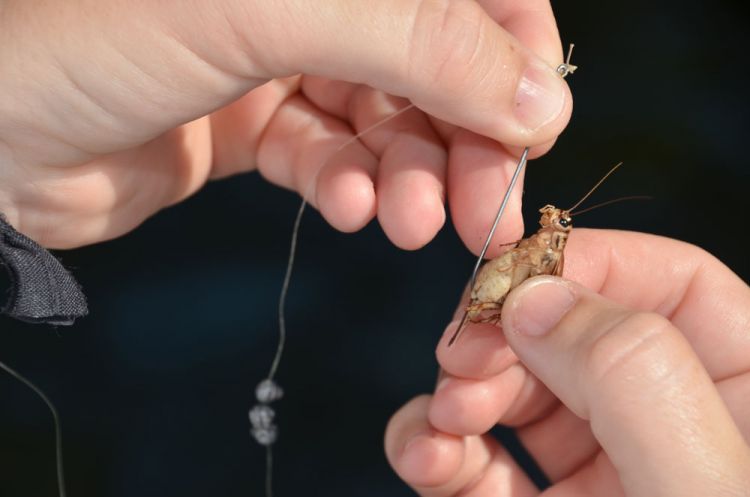
- Insert the hook sideways through the thorax.
- Avoid the heart and digestive tract.
- The cricket will stay alive and kick for a longer time.
This method is a bit trickier but can result in a more natural swimming action.
4. Hooking Under The Collar
Some anglers prefer to hook under the collar for a secure hold.
- Slide the hook under the collar, just in front of the legs.
- Be gentle to avoid crushing the cricket.
- Let the rest of the body hang naturally.
This keeps the cricket securely attached, even during strong casts.
5. Hooking Through The Rear
For bottom fishing, you can hook the cricket through the rear.
- Pierce the hook through the last segment near the tail.
- Make sure the point comes out the side.
This method keeps the cricket alive but is less common because it can cause damage if not done gently.
Below is a comparison of different hooking methods and their pros and cons:
| Method | Effect on Cricket | Best For | Difficulty |
|---|---|---|---|
| Through Collar | Stays alive, moves well | Panfish, trout | Easy |
| Through Back | Good action, can injure cricket | Bigger fish | Medium |
| Through Thorax | Natural movement | All fish | Medium |
| Under Collar | Very secure | Fast currents | Hard |
| Through Rear | Stays alive, less movement | Bottom fishing | Easy |
Common Mistakes To Avoid
Many beginners make errors that cause crickets to die quickly or fall off the hook. Here are mistakes to avoid:
- Using a hook that’s too large or thick.
- Piercing the cricket’s head or abdomen.
- Handling crickets roughly (they’re fragile).
- Overcrowding crickets in the storage box.
- Casting too forcefully (can throw the cricket off).
If your cricket dies or falls off, re-bait immediately. Fish are much less likely to bite dead, limp crickets.
Advanced Tips For Fishing With Crickets
Once you’ve mastered the basics, there are ways to increase your success even further. Small changes can help you catch more and bigger fish.
Vary Your Depth
Fish may feed at different depths depending on the weather, water temperature, and time of day. Use a small bobber or float to control how deep your cricket goes. If you’re not getting bites, try adjusting the depth by moving the bobber up or down the line.
Adjust Your Presentation
Sometimes fish want a cricket that sinks slowly, while other times they prefer fast movement. Try using less weight for a slower fall, or gently twitch your rod tip to make the cricket swim. Vary your speed and pauses until you find what works.
Fish Near Structure
Most fish hide near cover like weeds, logs, rocks, or docks. Cast your cricket near these spots. Be careful not to snag, but don’t be afraid to fish close to where the fish are hiding.
Use A Leader For Spooky Fish
In clear water or when fish are biting gently, add a light fluorocarbon leader (about 18 inches). This makes your bait look more natural and less visible to cautious fish.
Try Double Hooking For Fast Action
If fish are biting aggressively, you can thread two crickets on the hook for extra action and scent. This works well for big bluegill or small bass, but be sure not to overload your hook.
Keep Hooks Sharp
A dull hook can cost you fish. Check your hook tip regularly and sharpen it with a small file if needed. This ensures strong hooksets, especially with soft-mouthed species like crappie.
When And Where To Fish With Crickets
Crickets work best during the warmer months when fish are actively feeding on insects. Early morning and late afternoon are usually the most productive times. Fish in areas with vegetation, shallow water, or gentle currents. Small ponds, lakeshores, and slow-moving streams are ideal locations.
Here’s a quick reference of prime seasons for fishing with crickets:
| Season | Fish Activity | Best Locations |
|---|---|---|
| Spring | High (spawning, active feeding) | Shallows, near cover |
| Summer | Very high (insects common) | Weedy edges, structure |
| Fall | Moderate (fish feed before winter) | Deeper drop-offs |
| Winter | Low (crickets rare, fish sluggish) | Not recommended |
Safety And Ethical Considerations
When using live bait, it’s important to follow local regulations. Some areas restrict the use of live insects to prevent the spread of non-native species. Always check your state or regional fishing rules before using crickets. Release any unwanted crickets away from the water to avoid introducing them to new habitats.
Be gentle when handling crickets and fish. Keep only what you plan to eat, and release the rest unharmed. Fish populations can be sensitive to overfishing, especially in small ponds and streams.
Non-obvious Insights For Better Results
Many beginners overlook some details that can make a big difference:
- Match Cricket Size to Fish Mouth: Small panfish have tiny mouths. If your cricket is too big, you’ll get bites but miss hooksets. Use the smallest, liveliest crickets for sunfish and slightly larger ones for bass or trout.
- Keep Hands Dry: Wet or sweaty hands can kill crickets quickly. Handle them with dry hands or use a soft scoop to keep them lively.
- Change Bait Often: Even if your cricket is still on the hook, it may lose its scent or stop moving. Change crickets every 15-20 minutes for best results.
- Fish After Rain: Insects are washed into the water after rain, and fish feed heavily. Crickets are especially effective just after a shower.
- Night Fishing: Some fish feed more at night. Try fishing with crickets under a lighted dock or with a glow bobber to attract fish after dark.
Practical Examples And Real-world Scenarios
Let’s say you’re fishing for bluegill on a warm summer afternoon. You set up with an ultralight rod, size 10 hook, and a small bobber. You hook a lively cricket through the collar and cast near a patch of lily pads.
The cricket kicks and wiggles just below the surface, drawing a quick strike from a hungry bluegill. This method is simple but extremely effective.
Another example: You’re targeting trout in a clear mountain stream. You use a size 12 hook and a light leader. You hook your cricket through the thorax for maximum movement and let it drift naturally with the current. The trout, used to seeing insects in the water, can’t resist and takes the bait.
If you’re after larger fish like small bass, try hooking two crickets together through their collars. This creates a bigger meal and more action, tempting bigger fish to bite.
Common Myths About Fishing With Crickets
Some anglers avoid crickets because of persistent myths:
- “Crickets fall off the hook too easily.” This only happens if you use the wrong hook size or hook them incorrectly.
- “Fish prefer worms to crickets.” In many waters, crickets outfish worms, especially in summer or clear water.
- “Crickets are hard to keep alive.” With the right container and care, crickets stay healthy for days.
Understanding these myths helps you use crickets more confidently and effectively.
Resources For Learning More
If you want to dive deeper into the science of live bait fishing or cricket care, check out reliable sources like the Wikipedia Cricket Page. These resources provide background on cricket biology, fishing regulations, and advanced tactics that can further improve your fishing results.

Credit: www.tackletactics.com.au
Frequently Asked Questions
How Do I Keep Crickets From Jumping Away While Hooking Them?
The best way is to gently chill your crickets for a few minutes before baiting. Place them in a cool, shaded area or a fridge (not the freezer) for 5-10 minutes. This slows them down without killing them, making hooking much easier.
What Hook Size Is Best For Fishing With Crickets?
For most panfish and trout, size 8 to 12 hooks are ideal. Use smaller hooks for tiny crickets or sunfish, and slightly larger for bigger crickets or bass. Thin wire hooks are best because they cause less damage to the cricket.
Can I Use Dead Crickets As Bait?
You can, but live crickets are far more effective. Live crickets move and attract fish visually and by scent. Dead crickets are better than nothing, but often get fewer bites.
Are There Any Fish That Won’t Bite On Crickets?
Most freshwater fish will bite crickets, especially panfish, trout, and small bass. Some larger predatory fish (like catfish or pike) may prefer bigger bait, but even they will sometimes strike at a lively cricket.
Is It Legal To Use Crickets As Bait Everywhere?
No, some areas have restrictions on live bait to prevent spreading non-native species. Always check your local fishing regulations before using live crickets.
Fishing with crickets is a time-tested, fun, and effective way to catch a wide variety of fish. With the right hooking method, gear, and a few insider tips, you’ll have a better chance of success every time you go to the water.
Whether you’re new to fishing or just want to try something different, live crickets can help you connect with nature and land more fish.