
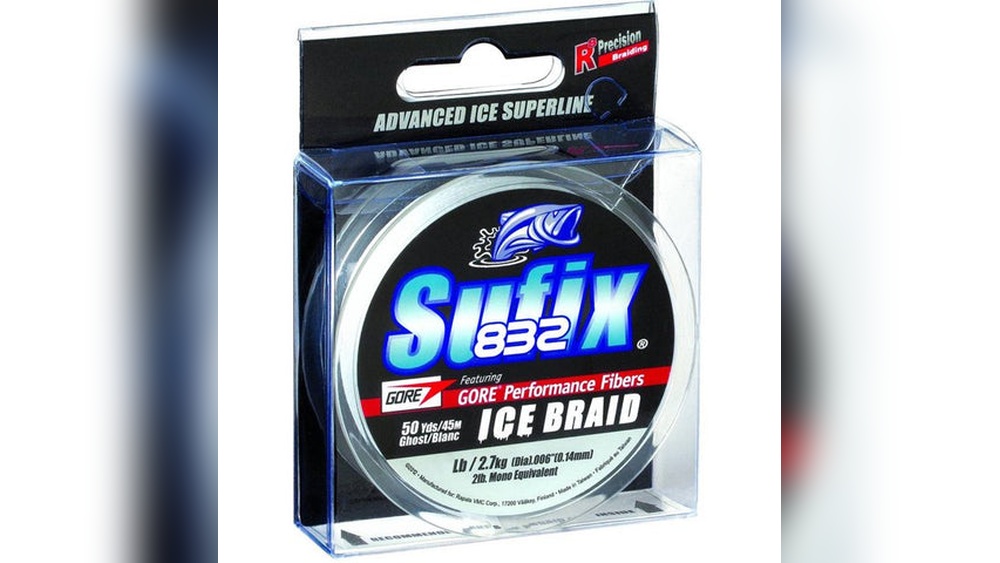
Ice fishing is a unique and rewarding way to enjoy winter. Sitting on a frozen lake, drilling a hole through thick ice, and waiting for a bite brings a special kind of excitement. But success in ice fishing depends on the right equipment, especially your fishing line. The pound test of your line is a detail that can make or break your day. Many anglers, even those with experience, underestimate how crucial choosing the right pound test is. Not only does it affect your chances of landing a fish, but it also changes how you feel bites, handle lures, and even protect your gear. Let’s dive deep into what pound test means for ice fishing, how to choose it, and why it’s more than just a number on your spool.
What Is Pound Test?
The term pound test refers to the amount of weight a fishing line can hold before breaking. For example, a 6-pound test line can bear up to 6 pounds of steady pull before snapping. In ice fishing, the right pound test helps you catch fish without breaking your line or losing your lure. But it’s not only about the size of fish you want to catch. Ice conditions, fish species, lure size, and fishing method all play a part.
Why Pound Test Matters In Ice Fishing
Ice fishing is different from open-water fishing in many ways. The main reason pound test matters so much is because:
- Bites are subtle. Cold water makes fish less active, so they don’t hit lures as hard. A heavy line can make it harder to feel gentle bites.
- Cold weakens some lines. Not all lines behave the same in freezing temperatures. Some get stiff or brittle, which lowers their effective strength.
- Small holes limit movement. Ice fishing holes are small. You can’t move your rod far to fight a big fish, so your line must handle sudden pulls better.
- Fish can be line-shy. In clear winter water, fish see thick lines more easily and may avoid your bait.
Choosing the right pound test is about finding the balance between strength and sensitivity.
Main Types Of Ice Fishing Line
Before choosing a pound test, you need to know your line type. The three main types for ice fishing are:
- Monofilament: Flexible and affordable. Good for beginners.
- Fluorocarbon: Nearly invisible underwater. Sinks faster and resists abrasion.
- Braided: Very strong for its diameter. Best for heavy-duty or deep fishing.
Each type responds differently to cold and to different pound tests.
Choosing Pound Test Based On Target Species
The biggest factor is what you plan to catch. Here’s a breakdown of popular ice fishing targets and the recommended pound test range for each.
Panfish (bluegill, Perch, Crappie)
Panfish are small, often less than a pound each. They bite softly and have delicate mouths.
- Recommended pound test: 2-4 lbs
- Best line: Monofilament or fluorocarbon
- Why: Thin line increases bite detection and keeps bait moving naturally.
Walleye
Walleye are stronger and can reach 2-8 pounds. They bite lightly in winter.
- Recommended pound test: 4-8 lbs
- Best line: Fluorocarbon for stealth, mono for flexibility
- Why: Middle-weight line gives strength without scaring fish.
Trout
Trout (rainbow, brook, brown) often range from 1-6 pounds, but can get bigger.
- Recommended pound test: 4-6 lbs for average fish, up to 8 lbs for trophy trout
- Best line: Fluorocarbon for clear water, mono for flexibility
- Why: Trout can be line-shy, and often fight hard.
Northern Pike & Musky
These are large, toothy predators. Catching them through the ice is thrilling but challenging.
- Recommended pound test: 10-20 lbs
- Best line: Braided main line with a steel or heavy fluorocarbon leader
- Why: Strong line is needed for their size and sharp teeth.
Lake Trout
Lake trout can weigh anywhere from 3 to over 30 pounds.
- Recommended pound test: 8-15 lbs (sometimes more for trophy fish)
- Best line: Braided line with fluorocarbon leader
- Why: Deep water and powerful runs demand strong, abrasion-resistant line.
Whitefish And Burbot
These species are less aggressive, often weighing 2-10 pounds.
- Recommended pound test: 4-8 lbs
- Best line: Fluorocarbon or mono
- Why: Balance between sensitivity and strength.
Below is a comparison of recommended pound test by species:
| Species | Pound Test Range | Best Line Type |
|---|---|---|
| Panfish | 2-4 lbs | Monofilament/Fluorocarbon |
| Walleye | 4-8 lbs | Fluorocarbon/Mono |
| Trout | 4-6 lbs (up to 8 lbs for big fish) | Fluorocarbon/Mono |
| Northern Pike & Musky | 10-20 lbs | Braided (with leader) |
| Lake Trout | 8-15 lbs | Braided/Fluorocarbon |
| Whitefish/Burbot | 4-8 lbs | Fluorocarbon/Mono |

Credit: www.iceominiums.com
How Ice Conditions Affect Pound Test Choice
Many anglers overlook how ice thickness, clarity, and structure impact your line choice.
- Clear water: Fish can see your line better. Go for a lower pound test and thinner diameter.
- Stained water: Fish are less likely to notice your line. You can use stronger, thicker lines.
- Thick ice: If the hole is deep, you might need stronger line for pulling big fish up without cutting on the ice edge.
- Weedy or rocky bottoms: Use abrasion-resistant lines or a higher pound test to avoid break-offs.
Remember, ice fishing lines can behave differently in freezing temperatures. Some lose strength or become stiff, so always check your line’s cold-weather rating.
Pound Test And Lure Action
The pound test you use affects how your lure moves under the ice. Heavier lines can dampen the motion of small jigs or spoons, making them less attractive to fish. Here’s how to match line to lure size:
- Small jigs/spoons (1/32 to 1/8 oz): Use 2-4 lb test for best action.
- Medium lures (1/8 to 1/4 oz): 4-8 lb test is ideal.
- Large lures (over 1/4 oz): 8-12 lb test or higher.
A lighter line lets your lure move more naturally, which is critical for finicky fish in winter. But if you’re targeting large predators, don’t go too light—better to sacrifice a little action for strength.
The Role Of Leaders In Ice Fishing
A leader is a short piece of line tied between your main line and your hook or lure. Leaders let you use a strong main line but a lighter, more invisible line near the bait. For example:
- Use a braided main line (strong, but visible) with a fluorocarbon leader (invisible, sensitive).
- For pike or musky, add a steel leader to prevent bite-offs from sharp teeth.
Leaders should usually be 12–24 inches long. Match the leader’s pound test to your target species and water clarity.
How Line Diameter Impacts Ice Fishing
Most anglers focus only on pound test, but line diameter is just as important. Thinner lines:
- Cut through water and ice more easily
- Let lures sink faster
- Are less visible to fish
However, thinner lines are usually weaker and more likely to break. If you use braided line, remember it’s much thinner than mono or fluoro of the same pound test. Always check both the pound test and the diameter when buying line.
Here’s a quick look at how different lines compare in diameter at the same pound test:
| Pound Test | Monofilament | Fluorocarbon | Braided |
|---|---|---|---|
| 4 lbs | 0.20 mm | 0.18 mm | 0.13 mm |
| 8 lbs | 0.25 mm | 0.22 mm | 0.17 mm |
| 12 lbs | 0.33 mm | 0.28 mm | 0.22 mm |
Matching Pound Test To Your Rod And Reel
Your ice fishing rod and reel are designed for certain line weights. Using a line that’s too strong or too weak can cause problems.
- Too strong: May not cast or spool correctly, and can break rod tips on a hard hookset.
- Too weak: May snap easily, especially if your drag isn’t set right.
Check your rod’s recommended line rating, usually written near the handle. For most ice rods, 2-8 lbs is ideal. Heavier rods can handle up to 20 lbs for big predators.
Common Mistakes When Choosing Pound Test
It’s easy to make errors with pound test, especially if you’re new to ice fishing. Here are mistakes to avoid:
- Going too heavy: Many beginners think stronger is always better. Heavy line makes it harder to detect bites, and fish may avoid your bait.
- Ignoring water clarity: In clear ice water, thick lines spook fish.
- Using summer line: Regular mono or braid may not perform well in cold. Ice-specific lines stay flexible and strong in freezing conditions.
- Not using a leader: Leaders are critical for stealth and abrasion resistance.
- Not checking for line wear: Ice can nick or fray your line, lowering its strength.
Pro tip: Replace your ice fishing line each season, or after any serious fish fight.
Real-world Examples: Pound Test In Action
Let’s look at some real scenarios:
- Chasing bluegill on a clear lake: Using 2 lb test mono, you can feel the softest bites and catch more fish, but you must fight them gently.
- Targeting walleye at dusk: A 6 lb fluorocarbon main line lets you present small minnows naturally and still land a surprise 5 lb fish.
- Going after northern pike: A 15 lb braided main line with a 20 lb steel leader lets you handle a toothy 15-pounder without losing your lure.
- Lake trout in deep water: Using 12 lb braid and a 10 lb fluorocarbon leader, you reach bottom quickly and are ready for a strong, deep fight.
Notice how each situation balances visibility, sensitivity, and strength.
How Weather And Ice Thickness Affect Line Choice
Ice fishing is tough on gear. Cold snaps can make lines brittle. Heavy snow on ice means you might drag your line through slush. Thick ice puts more stress on the line when pulling a fish up through the hole. When weather is extreme, go up one pound test to be safe. And always check your line for nicks after each fish.
Ice Fishing Line Brands And Their Pound Test Options
Many brands make lines made for ice fishing. Some popular options include:
- Berkley Micro Ice: Mono, 2-8 lbs
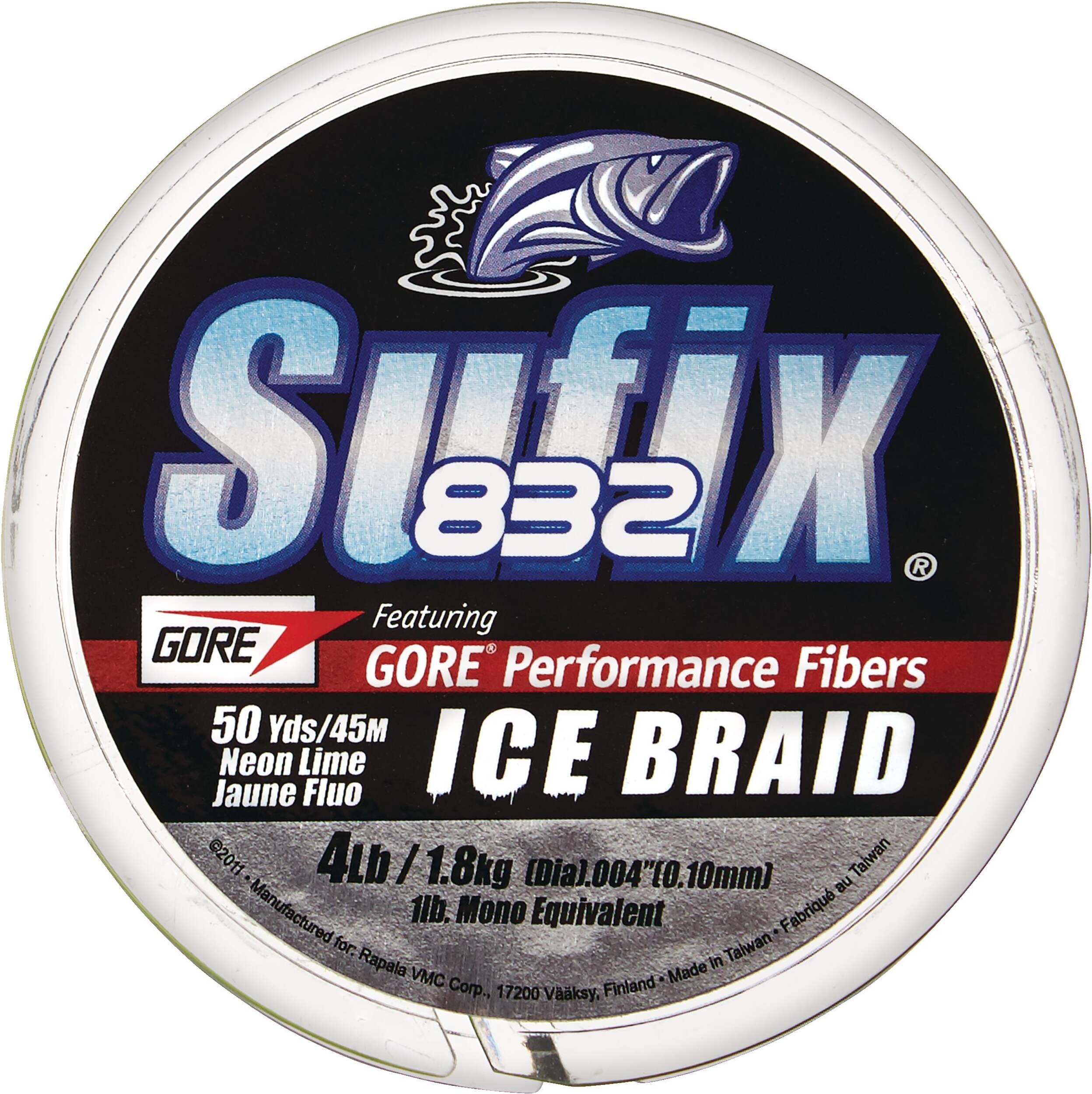
- Sufix Ice Magic: Mono, 2-8 lbs
- Seaguar IceX: Fluorocarbon, 2-12 lbs
- PowerPro Ice-Tec: Braid, 5-30 lbs
Ice-specific lines are treated to stay flexible in cold and resist ice buildup. They often have clearer labels showing their performance in freezing temps.
Two Non-obvious Insights Beginners Miss
- Knot strength drops in cold: Even with the right pound test, poorly tied knots or knots tied in cold, stiff line can cut your line’s true strength in half. Always wet your knots, tie them slowly, and check them before every trip.
- Drag setting matters as much as pound test: Ice reels often have sticky drags in cold. If your drag is too tight, even a strong line may snap. Test your drag with a scale or by hand before you start fishing.
Credit: peterloon.org
Tips For Testing And Replacing Your Line
- Test your line strength at home by tying it to a stationary object and pulling gently. If it breaks below its rated weight, replace it.
- Visually inspect your line for nicks or abrasions after every fish.
- Store extra spools in a warm, dry place to avoid moisture and sun damage.
Quick Reference: Pound Test By Species And Situation
Here’s a handy summary for your next ice fishing trip:
| Situation | Pound Test | Notes |
|---|---|---|
| Panfish, clear water | 2-3 lbs | Use lightest possible line |
| Panfish, stained water | 4 lbs | Stronger line is ok |
| Walleye, mixed cover | 6-8 lbs | Balance stealth and strength |
| Trout, trophy size | 8-10 lbs | Use leader for visibility |
| Pike/Musky | 15-20 lbs | Always use a leader |
Credit: shop.hamiltonmarine.com
Frequently Asked Questions
What Does Pound Test Mean In Ice Fishing?
Pound test is the measure of how much weight your fishing line can handle before breaking. In ice fishing, it’s important because you use smaller rods and have less room to fight fish. The right pound test helps you detect bites, land fish safely, and avoid losing gear.
Is A Higher Pound Test Always Better?
No. Using a higher pound test makes your line thicker and more visible, which can scare fish in clear water. It also reduces your ability to feel light bites. Choose the lowest pound test that matches your target fish and conditions.
Can I Use My Summer Fishing Line For Ice Fishing?
You can, but it’s not ideal. Regular lines may become stiff or weak in cold water. Ice fishing lines are specially designed to stay flexible and strong in freezing temperatures. If you only ice fish a few times a year, you can try summer line, but check for stiffness and replace often.
Do I Always Need A Leader When Ice Fishing?
Not always, but it’s highly recommended for most situations. Leaders help hide your line from fish, add abrasion resistance, and protect against sharp teeth. Use fluorocarbon leaders for stealth or steel leaders for toothy fish like pike.
How Often Should I Change My Ice Fishing Line?
Change your line at least once per season, or after catching several big fish. Ice and cold weather can damage even the best lines, making them weak. Always inspect your line for nicks or wear after each outing.
If you want a deeper look at ice fishing line types and their cold-weather performance, check out this in-depth resource.
Choosing the right pound test for ice fishing may seem simple, but it’s a decision that affects every part of your experience. Consider your target species, water clarity, and ice conditions. Don’t be afraid to use a lighter line for more bites, but always stay within your rod’s limits.
Remember, skill and attention to detail catch more fish than heavy line alone. With the right setup, you’ll spend more time fighting fish and less time fighting your gear. Happy ice fishing!