Fly fishing is more than just casting a line—it’s a game of strategy, patience, and knowledge. One of the most important decisions you make as an angler is choosing between floating line and sinking line. If you’ve ever stood by the water, unsure which line to use, you’re not alone. Many anglers, even experienced ones, struggle with this choice. The right line affects how your fly moves, where your bait sits, and ultimately, how many fish you catch. This article dives deep into fly fishing floating vs sinking line, explaining their differences, uses, advantages, and challenges. By the end, you’ll know exactly when to use each, avoid common mistakes, and improve your catch rate—no matter your experience level.
Understanding Fly Fishing Lines
Before comparing floating and sinking lines, it’s important to understand what makes a fly fishing line unique. Unlike traditional fishing, where the weight is in the lure, in fly fishing, the line itself provides the weight. This helps you cast lightweight flies, sometimes no heavier than a feather.
Fly lines are made of a strong core wrapped in a plastic coating. They come in different types, colors, and thicknesses. But the most critical feature for most anglers is whether the line floats or sinks. This one factor changes everything about your approach and results.
What Is A Floating Line?
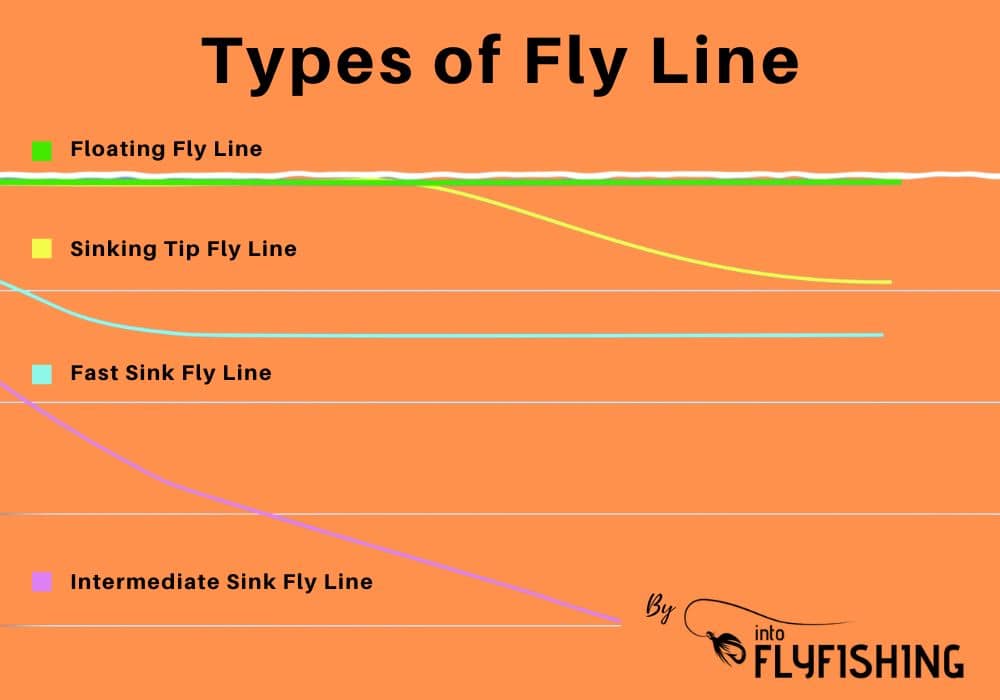
A floating line is exactly what it sounds like—a line that stays on the water’s surface. It is the most popular type and often recommended for beginners. Floating lines are filled with tiny air bubbles or made from buoyant materials, so they remain on top no matter how long you fish.
When To Use Floating Line
- Dry fly fishing: Perfect for flies that mimic insects sitting on the water’s surface.
- Shallow water: Ideal for streams, rivers, and small lakes where fish feed near the top.
- Learning to cast: Easier to see and control, making it great for practicing technique.
- Windy conditions: Floating line is less affected by underwater currents, helping with accuracy.
Advantages Of Floating Line
- Versatility: You can use floating lines for most freshwater situations.
- Visibility: Bright colors make it easy to track your line and detect strikes.
- Mending: Easier to reposition on the water, which helps create a natural drift.
- Easy retrieval: Floating lines do not snag on underwater obstacles as often.
- Best for beginners: More forgiving for casting mistakes.
Challenges With Floating Line
- Limited depth: Hard to reach fish holding deep, especially in summer or winter.
- Not ideal for heavy nymphs or streamers: Weighted flies may pull the tip down, but most of the line stays on top.
- Strong surface currents: Can drag your fly unnaturally if not managed carefully.
Example: Catching Trout With Floating Line
Imagine fishing a fast-moving river where trout rise to feed on mayflies. A floating line lets you present a dry fly perfectly, matching the insect on the surface. You can watch your line, mend it for a natural drift, and see when a trout takes your fly.
In this situation, a sinking line would be a disadvantage.
What Is A Sinking Line?
A sinking line is designed to drop below the surface—sometimes just a few inches, sometimes all the way to the bottom. Sinking lines are heavier and coated to sink at specific rates. The rate is often marked as Type I, II, III, and so on, with higher numbers sinking faster.
Types Of Sinking Lines
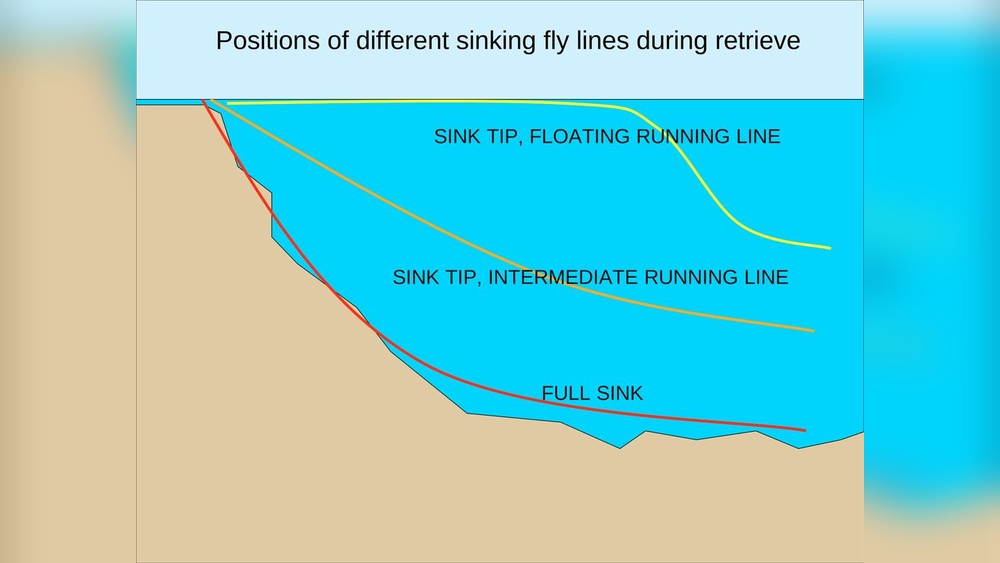
- Full sinking: The entire length of the line sinks.
- Sink-tip: Only the tip (often the first 5-15 feet) sinks, while the rest floats.
- Intermediate: Sinks slowly, just below the surface (usually 1-2 inches per second).
- Fast-sinking: Drops quickly for deep water or fast currents.
When To Use Sinking Line
- Deep water: Lakes, reservoirs, or deep pools in rivers.
- Fishing streamers: Large flies that imitate baitfish or leeches.
- Targeting bottom-feeding fish: Such as carp, catfish, or deep-holding trout.
- Fast, deep currents: When you need to get flies down quickly and keep them there.
- Cold weather: Fish often move deeper, so a sinking line helps reach them.
Advantages Of Sinking Line
- Reaches deeper fish: You can control how deep your fly goes.
- Consistent depth: Keeps your fly at the right level longer.
- Better for large flies: Heavy streamers and nymphs swim naturally.
- Less drag: Sinking lines are less affected by surface currents.
- Improved hook-ups: Fish often strike deeper, and a direct connection helps set the hook.
Challenges With Sinking Line
- Harder to cast: Heavier and requires better technique.
- Reduced visibility: Dark colors are harder to see, making strike detection tricky.
- Tangles and snags: More likely to catch on rocks, weeds, or logs underwater.
- Difficult mending: Cannot be repositioned easily once it’s below the surface.
- Retrieval issues: Harder to lift off the water for a new cast.
Example: Stripping Streamers In A Lake
Suppose you’re fishing a deep mountain lake for big brown trout. The fish are holding 15 feet down, far from the surface. With a full sinking line, you can count your line down to the right depth, then strip a streamer fly.
Your fly stays in the strike zone longer, increasing your chance of a hookup. A floating line would barely reach these fish.
Key Differences: Floating Vs Sinking Line
To make the comparison clear, here is a side-by-side look at the main differences between floating and sinking lines:
| Feature | Floating Line | Sinking Line |
|---|---|---|
| Water Position | Stays on surface | Sinks below surface |
| Best For | Dry flies, shallow waters | Streamers, deep water |
| Visibility | High (bright colors) | Low (dark colors) |
| Ease of Use | Beginner-friendly | Requires skill |
| Snag Risk | Lower | Higher |
| Mending | Easy | Difficult |
| Price Range | Usually lower | Can be higher |
How To Choose: Floating Or Sinking Line?
Choosing between floating and sinking line is not just about preference. It depends on where, when, and how you fish.
Consider The Water Type
- Small rivers and streams: Floating lines excel. Fish are near the surface, and control is critical.
- Large lakes or reservoirs: Sinking lines often perform better. Fish can be deep, especially in warm or cold seasons.
Match Your Fly And Technique
- Dry flies and emergers: Always use floating line.
- Nymphs or wet flies: Floating line with weighted flies or sink-tips for shallow to mid-depth; sinking line for deep water.
- Streamers: Sinking lines or sink-tips for best presentation and depth.
Factor In Fish Behavior
Fish move up and down based on temperature, weather, and time of day. In summer, trout and bass often go deep during midday. In spring and fall, they may feed near the surface.
- Surface feeders: Floating line is best.
- Bottom feeders: Sinking line gets you to the fish.
Understand Sinking Rates
Sinking lines are rated by how fast they sink, usually in inches per second (ips). If you need your fly 10 feet down and your line sinks at 5 ips, you count about 24 seconds before retrieving. Choosing the right rate is crucial—go too slow, and you miss the fish.
Too fast, and you snag the bottom.
| Type | Sinking Speed (ips) | Typical Use |
|---|---|---|
| Intermediate | 1-2 | Just below surface, clear lakes |
| Type II | 1.5-2.5 | Shallow lakes, slow rivers |
| Type III | 2.5-4 | Medium depth, moving water |
| Type V | 6-7 | Deep water, strong currents |
Floating Line: When It Outperforms Sinking Line
There are times when a floating line cannot be beaten:
- Delicate presentations: When fish are easily spooked, a floating line lands softly.
- Learning new waters: It’s easier to observe fish reactions and adapt your technique.
- Indicator nymphing: Using a floating line with a strike indicator is a top method for trout.
- Sight fishing: Watching your line and fly helps with quick reactions.
Pro tip: Even with floating line, you can add weight to your leader or use weighted flies to reach a bit deeper without changing your main line.
Sinking Line: When It’s The Best Tool
Sinking lines shine in specific scenarios:
- Fishing deep drop-offs: When the water drops quickly, a sinking line puts your fly right in front of fish.
- Windy days on big lakes: Surface chop can push floating lines around, but sinking lines stay below the chaos.
- Targeting predatory fish: Big fish like pike, bass, or musky often strike deep. Sinking line helps your streamer mimic real prey.
Non-obvious insight: Sinking lines also allow for slower retrieves. This is critical when fish are sluggish in cold water or pressured by other anglers.
Sink-tip Lines: The Middle Ground
Not sure which to choose? Sink-tip lines combine both worlds. The tip sinks, pulling your fly down, but the main line floats. This helps with:
- Control: Easier casting and mending than full sinking line.
- Flexibility: Good for variable depths and mixed water.
- Popular for steelhead and salmon: Where you need to swing flies at different depths.
However, sink-tip lines are not perfect. They can be tricky for long casts and are less effective in very deep water.
Credit: www.epicflyrods.com
Floating Vs Sinking Line By Fish Species
Some fish are more likely to be caught with one line or the other. Here’s a quick overview:
| Species | Floating Line | Sinking Line |
|---|---|---|
| Trout | Excellent for dry flies, nymphs | Great for streamers, deep pools |
| Bass | Topwater poppers | Jigs, deep crankbaits |
| Pike/Musky | Rarely used | Best for large streamers |
| Salmon/Steelhead | Egg patterns, shallow rivers | Swinging flies, deep holes |
| Carp | Surface bugs | Bottom-dwelling nymphs |
Common Mistakes When Choosing Fly Line
Even experienced anglers make mistakes with line choice. Avoid these errors:
- Ignoring water depth: Using floating line in deep water wastes time.
- Not matching the fly: Heavy streamers with floating line often behave unnaturally.
- Forgetting about current: Fast water can drag floating lines, making your fly look suspicious.
- Choosing the wrong sink rate: Too fast, and your fly hits the bottom; too slow, and you miss the fish.
- Not testing before the trip: Always try your lines and setups before heading out.
Insider tip: Carry both floating and sinking lines (or at least a sink-tip) so you can switch based on conditions.
Advanced Tips For Getting The Most Out Of Each Line
Floating Line Upgrades
- Use longer leaders: Especially in clear water, this helps fool wary fish.
- Change leader material: Fluorocarbon sinks; monofilament floats better.
- Add split shot: Small weights can get nymphs deeper without switching lines.
Sinking Line Secrets
- Count down your fly: Always know how long it takes to reach your target depth.
- Vary retrieve speed: Sometimes fast, jerky movements work; other times, slow and steady is better.
- Check for wear: Sinking lines can crack or absorb water, affecting performance.
Cost And Durability
Fly lines can range from $30 to $150 or more. Floating lines usually last longer, especially if cleaned regularly. Sinking lines, especially in saltwater, can crack or lose their sinking properties over time. Investing in quality line pays off, but regular cleaning and storage matter even more.

Credit: www.texassaltwaterfishingmagazine.com
Environmental Factors: Weather And Seasons
- Hot weather: Fish go deep, sinking line is key.
- Cold weather: Fish are sluggish, often near the bottom.
- Spring/fall: Floating lines work well, as fish feed on surface insects.
- Rain/muddy water: Sinking lines help get below debris and murky surface layers.
Advanced note: In high-altitude or fast-changing weather, always bring both types of lines to adapt.
Real-world Angler Experiences
Many expert anglers share stories of days saved by switching lines. One guide reported catching nothing with a floating line on a high mountain lake. After switching to a fast-sinking line, he landed a dozen large trout in the next hour.
Another angler only uses floating line for small streams, but keeps a sink-tip handy for sudden changes in fish behavior.
Real insight: Conditions can change quickly—successful anglers are flexible, not stubborn.
Credit: intoflyfishing.com
Comparing Popular Brands
While many brands offer both types, some popular examples include:
- Scientific Anglers: Known for durable floating lines.
- Rio Products: Offers a wide range of sinking rates and specialized lines.
- Orvis: Great for beginners, with easy-to-use floating lines.
- Cortland: Long history and reliable full sinking lines.
Pro suggestion: Don’t choose based only on brand. Look at line weight, sink rate, and coating.
Maintenance And Care
Both floating and sinking lines need care:
- Rinse after use: Especially in saltwater.
- Dry before storage: Prevents mold and cracking.
- Use line cleaners: Special pads keep the coating smooth.
- Check for cracks or nicks: Replace worn lines to avoid losing big fish.
Neglecting maintenance is a common mistake that shortens the life of even the best lines.
Making The Final Choice
If you’re starting out, buy a floating line first. It’s easier, more versatile, and works in most places. As you gain experience, add a sinking line (or at least a sink-tip) for deep water or special conditions. The best anglers carry both and switch as needed.
Remember, there’s no single “best” line. The right choice depends on where you fish, the fish you target, and the techniques you use. The true skill is knowing when to adapt.
For more in-depth details about fly fishing lines and their history, visit Wikipedia.
Frequently Asked Questions
What Is The Main Difference Between Floating And Sinking Fly Lines?
Floating lines stay on the water’s surface, ideal for dry flies and surface fishing. Sinking lines drop below the surface, allowing you to reach fish at deeper depths. Your choice depends on where fish are feeding and your fishing technique.
Can I Use A Floating Line For Nymph Fishing?
Yes, you can use a floating line for nymphs, especially in shallow water. Add split shot or use weighted flies to help your nymph sink. For deeper water or faster currents, a sink-tip or sinking line works better.
How Do I Know Which Sinking Rate To Choose?
Match the sinking rate to the depth and speed of the water. For example, intermediate lines for just below the surface, Type III or V for deeper or faster water. If unsure, start slow and increase as needed.
Is A Sink-tip Line Better Than A Full Sinking Line?
Sink-tip lines are great for variable depths and easier casting, while full sinking lines are best for deep water and consistent depth. Choose based on the water type and the fish’s location.
How Do I Care For My Fly Line?
Rinse with fresh water after use, dry before storage, use line cleaners, and check for cracks or damage. Proper care extends the life and performance of both floating and sinking lines.
Fly fishing lines are the link between you and the fish. Whether you choose floating or sinking, understanding how and when to use each will make your time on the water more successful and enjoyable. With knowledge and flexibility, you’ll be ready for any fishing adventure.