
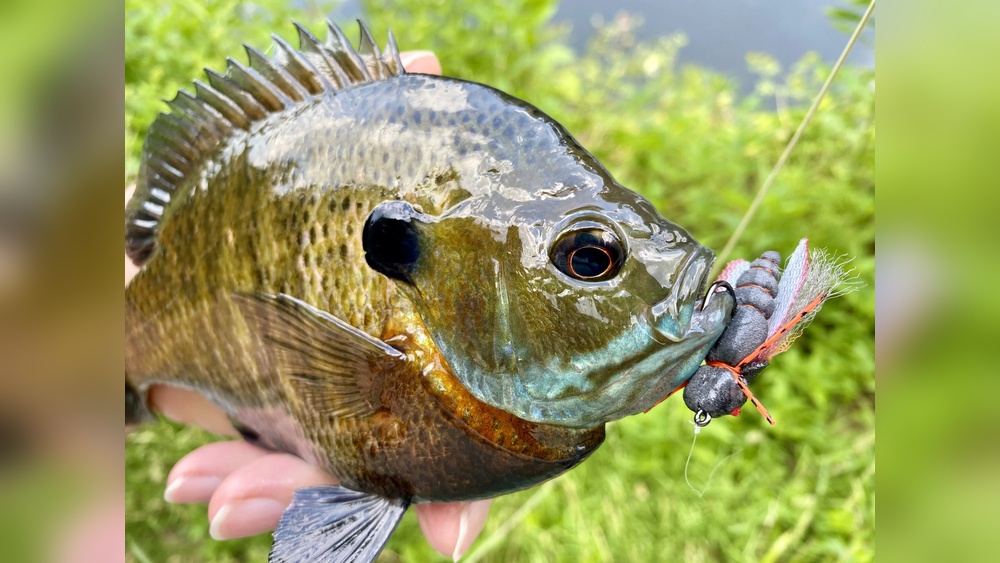
Cicadas are loud, fascinating insects that emerge in huge numbers every few years. If you live in an area where cicadas appear, you probably notice their buzz and see their empty shells everywhere. But did you know they can also be used as fishing bait?
Many anglers, both new and experienced, wonder if cicadas are really good for fishing, and how to use them correctly. This article explores all aspects of using cicadas as bait, from their effectiveness to the best fishing techniques, and even some surprising tips most beginners miss.
Why Anglers Use Cicadas As Fishing Bait
When cicadas emerge, they often appear in the millions. This sudden abundance of food makes local fish very interested in cicadas. Fish like bass, trout, bluegill, and catfish quickly learn to eat these insects when they fall into the water.
For anglers, this is a unique opportunity.
The main reasons why people use cicadas as bait are:
- Natural Attraction: Fish are naturally drawn to cicadas because they are unfamiliar and easy to catch.
- High Availability: During cicada seasons, these insects are everywhere, so it’s easy to collect enough for a fishing trip.
- Unique Action: Cicadas struggle on the water’s surface, creating noise and movement that attracts fish from far away.
- Big Meal for Fish: Cicadas are large, offering a protein-rich snack that appeals to even the biggest fish in the lake or river.
Experienced anglers often say that the fishing during a cicada hatch is some of the best they have ever enjoyed. But does that mean cicadas are always the best bait? Let’s look deeper.
What Makes Cicadas Effective As Fishing Bait
Cicadas have several features that make them excellent bait:
- Strong scent: When alive or freshly dead, cicadas release a smell that travels well underwater.
- Movement: Their wings flutter and legs kick, causing ripples and vibrations in the water.
- Size: Cicadas are much larger than most insects, making them attractive to bigger fish.
Fish rely on their senses to hunt. When a cicada lands on the water, it makes a noticeable disturbance. Predatory fish, such as bass, are triggered by this movement and sound. The large profile of a cicada also stands out, making it easy for fish to spot from below.
In addition, cicadas are not part of the regular diet for most fish. When they appear in huge numbers, fish take advantage of this sudden food source, sometimes feeding in a frenzy. This behavior is called a feeding blitz, and it can lead to very exciting fishing.
Which Fish Bite On Cicadas
Not all fish react the same way to cicadas. Some species are especially attracted, while others may ignore them. Here are the main types of fish that commonly bite on cicadas:
| Fish Species | Interest in Cicadas | Common Locations |
|---|---|---|
| Bass (Largemouth & Smallmouth) | Very High | Lakes, Rivers |
| Trout (Brown, Rainbow, Brook) | High | Streams, Rivers |
| Bluegill & Sunfish | Medium | Ponds, Lakes |
| Catfish | Medium | Rivers, Lakes |
| Carp | Low to Medium | Lakes, Slow Rivers |
Bass are especially known for striking at cicadas, often leaping out of the water to grab them. Trout also respond well, especially when cicadas land on the surface of a river or stream. Bluegill and sunfish are less picky and will bite if the cicada is small enough for their mouth.
Non-obvious insight: Many new anglers overlook catfish, assuming they only eat worms or stink baits. However, during a cicada hatch, catfish will also come up to the surface to feed, especially at night.
How To Collect Cicadas For Bait
If you want to use cicadas as bait, the first step is to gather them. This is usually easy during a mass emergence.
Simple steps to collect cicadas:
- Go outside at dawn or dusk – Cicadas are less active and easier to catch.
- Look on trees, bushes, and the ground – They often cling to tree trunks or low branches.
- Use a net or your hands – A butterfly net works well, but you can pick them up by hand.
- Store them in a ventilated container – A bucket with holes or a mesh bag is ideal.
- Keep them cool and shaded – Cicadas live longer if not overheated.
Pro tip: If you want live cicadas for the best action, collect them right before your fishing trip. If you have extras, you can freeze them for later, but the movement and scent will not be as strong.
Hidden mistake: Beginners sometimes collect cicada shells (exoskeletons) by mistake. These empty shells are not useful as bait—make sure you get the whole insect.
Best Ways To Rig Cicadas On A Hook
To maximize your chances, it’s important to rig the cicada properly. There are several methods, depending on the type of fish and water you’re targeting.
Surface Fishing (topwater)
This method is best for bass and trout, especially when you see fish feeding on the surface.
Steps:
- Use a light or medium hook (size 6-10).
- Hook the cicada through the back, just behind the head.
- Cast gently to avoid tearing the body.
- Let the cicada float and struggle on the surface.
The sound and movement attract fish from a distance. Sometimes, a slight twitch with your rod can make the cicada look even more lifelike.
Subsurface Fishing
If fish are not feeding at the surface, you can let the cicada sink a little.
Steps:
- Use a small split shot weight 12–18 inches above the hook.
- Hook the cicada through the thorax (middle body).
- Cast into deeper water and let it drift down.
This approach works well for catfish and deeper-dwelling bass.
On A Bobber
For panfish or if you want to keep the bait at a certain depth:
- Attach a small bobber 2–4 feet above the hook.
- Hook the cicada through the collar (behind the head).
- Cast near structure or shaded areas.
The cicada’s struggling action will keep the bobber moving, which can attract curious fish.
Using Dead Cicadas
If you only have dead cicadas, they can still be effective. Remove the wings to help casting and prevent spinning in the water. You can thread the hook through the head or thorax.
Non-obvious insight: Some anglers soak dead cicadas in attractant liquids (like anise oil or commercial fish scents) to boost their effectiveness.
Artificial Cicada Lures: Do They Work?
Not everyone has access to fresh cicadas. Tackle companies have noticed the effectiveness of cicadas and now make artificial lures that mimic them.
| Lure Type | Main Features | Effectiveness |
|---|---|---|
| Soft Plastic Cicadas | Realistic look, flexible body | Good for bass, panfish |
| Hard Cicada Plugs | Rattling sound, wobbling action | Excellent for topwater strikes |
| Fly Fishing Cicada Patterns | Foam or deer hair, floats on surface | Best for trout and smallmouth bass |
While artificial cicada lures can be very effective, especially when fish are used to seeing cicadas, they rarely match the natural scent and texture of real insects. However, they are reusable, always available, and legal in places where using live bait is not allowed.
Beginner tip: When using artificial cicada lures, try adding a scent attractant to increase bites, especially in clearer or pressured waters.

Credit: www.youtube.com
Legal And Ethical Considerations
Before using cicadas as bait, it’s important to check local regulations. Some areas have rules against using live insects as bait, especially in protected waters or during certain seasons. Always read your state or country’s fishing regulations to avoid fines.
Conservation tip: Only collect the number of cicadas you need. Even though there may be millions during a hatch, they play an important role in the ecosystem. Birds, mammals, and other wildlife also depend on them.
In some places, using cicadas as bait can help control invasive cicada populations, but in most cases, they are a natural part of the environment.
When Is The Best Time To Use Cicadas As Bait?
Cicada fishing is all about timing. The main opportunities come during mass emergences, which happen in cycles.
Periodical Cicadas
Some cicada species, called periodical cicadas, emerge every 13 or 17 years. These events can be predicted in advance and create a feeding bonanza for fish.
Annual Cicadas
Other cicadas appear every summer, but in smaller numbers. These can still be effective, especially if fish are not used to seeing them.
Best times to fish with cicadas:
- Early morning or late evening, when fish are most active
- Right after heavy rains, when cicadas are knocked into the water
- During windy days, which can blow cicadas from trees into ponds and streams
If you see fish rising to the surface and splashing, it’s a strong sign they are feeding on cicadas or other insects.
How Long Do Cicadas Last As Bait?
Live cicadas are most effective, but they don’t survive long once collected. In warm weather, they may only live a few hours without food or water.
Tips to keep cicadas alive longer:
- Keep them in a cool, shaded place
- Avoid overcrowding in containers
- Spray a little water on them to prevent drying out
If you can’t keep them alive, freezing is the next best option. Frozen cicadas can be used later, though they lose some of their action and scent.
Practical Tips For Fishing With Cicadas
- Handle gently: Cicadas are delicate. Rough handling can damage their bodies, making them less attractive to fish.
- Use light tackle: This allows for gentle casting and a more natural presentation.
- Match the hatch: If you see smaller cicadas, avoid using oversized hooks or lures.
- Observe fish behavior: If you don’t see surface action, try fishing deeper with a weighted rig.
- Change locations: If one spot isn’t working, move to another area where cicadas are falling into the water.
Bonus tip: Some anglers bring a small mesh bag to hang over the side of their boat, keeping cicadas alive and ready for use.
Common Mistakes When Using Cicadas As Bait
Even experienced anglers can make mistakes when using cicadas. Here are a few to avoid:
- Collecting empty shells: Only use whole insects, not dried exoskeletons.
- Overcrowding containers: Too many cicadas together can cause them to die faster.
- Using the wrong hook size: Too large can kill the cicada; too small may not hold it securely.
- Casting too hard: Cicadas are fragile and can fly off the hook if cast aggressively.
- Ignoring regulations: Always check local laws about live bait use.
Comparison: Cicadas Vs. Other Common Fishing Baits
How do cicadas stack up against other popular baits like worms, crickets, or artificial lures? Here’s a quick overview:
| Bait Type | Availability | Effectiveness | Best For | Drawbacks |
|---|---|---|---|---|
| Cicadas | Seasonal, abundant during hatches | Very high (during hatches) | Bass, trout, catfish | Short lifespan, not always available |
| Nightcrawlers | Available year-round | High | Panfish, trout, catfish | Less effective for surface-feeding fish |
| Crickets/Grasshoppers | Common in warm months | Medium | Bluegill, trout | Smaller size, hard to keep alive |
| Artificial Lures | Always available | Varies by skill | All species | No scent, less natural |
Key insight: During cicada hatches, fish often ignore other baits in favor of cicadas. At other times, traditional baits may be more reliable.

Credit: www.lurenet.com
Real-world Examples: Cicada Fishing Success Stories
Many anglers have stories of incredible fishing during cicada hatches. For example, in 2021, parts of the eastern United States experienced a massive 17-year cicada emergence. Reports flooded in of anglers catching trophy bass, trout, and even carp using live cicadas.
One fly fisherman in Maryland caught 15 brown trout in just two hours using a foam cicada fly. Another angler in Tennessee landed a five-pound smallmouth bass with a live cicada on a simple hook and bobber setup.
Surprising fact: Some fish, like carp, which are usually very cautious, lose all fear during cicada hatches and feed aggressively at the surface—giving anglers a rare chance to catch them on topwater.
Advanced Tips For Maximizing Cicada Bait Success
- Mix live and dead cicadas: If you run out of live ones, try using a mix. Sometimes dead cicadas sink slower and attract fish that are not feeding on the surface.
- Add scent: Even live cicadas can be more attractive with a little added scent, especially in murky water.
- Fish near overhanging trees: Cicadas often fall from trees, so fish know to look for them in these spots.
- Try night fishing: Catfish and bass often continue feeding on cicadas after dark.
- Use a dropper rig: Attach a small artificial cicada above a live one for a double-attraction effect.
Environmental Impact Of Using Cicadas As Bait
Many people worry about the impact of using large numbers of cicadas for bait. However, most cicada species are not endangered, and their emergences are designed to withstand heavy predation. In fact, the sheer number of cicadas during a hatch ensures that enough survive to reproduce.
Still, it is wise to use only what you need and avoid introducing cicadas to areas where they do not naturally occur. This helps maintain a healthy balance in local ecosystems.
If you want to learn more about cicada biology and their role in the environment, visit the Wikipedia page on cicadas.
Frequently Asked Questions
Are Cicadas Legal To Use As Fishing Bait Everywhere?
Regulations vary by state and country. In some places, using live insects as bait is allowed, while in others it is restricted, especially in protected waters. Always check your local fishing rules before using cicadas.
Can You Freeze Cicadas For Fishing Later?
Yes, you can freeze cicadas for future use. Place them in a sealed bag and freeze as soon as possible. While frozen cicadas lose some movement and scent, they can still be effective, especially if fresh ones are unavailable.
What Is The Best Hook Size For Fishing With Cicadas?
A hook size between 6 and 10 works well for most cicada fishing. Use smaller hooks for panfish and larger for bass or catfish. Make sure the hook is sharp to ensure a good hookset.
Do Artificial Cicada Lures Work As Well As Real Cicadas?
Artificial lures can be very effective, especially when fish are used to seeing cicadas on the water. However, real cicadas have a natural scent and movement that is hard to match. Adding scent attractants to lures can help improve results.
Which Fish Species Are Least Likely To Bite On Cicadas?
Bottom feeders like carp and some catfish may be less interested in cicadas, especially outside of mass emergences. However, during hatches, even these fish can be tempted to feed at the surface.
Fishing with cicadas can turn an ordinary day into an unforgettable one. If you ever find yourself in the middle of a cicada hatch, grab your rod, collect a few of these buzzing insects, and experience the excitement for yourself.
The results might surprise you.

Credit: www.youtube.com