
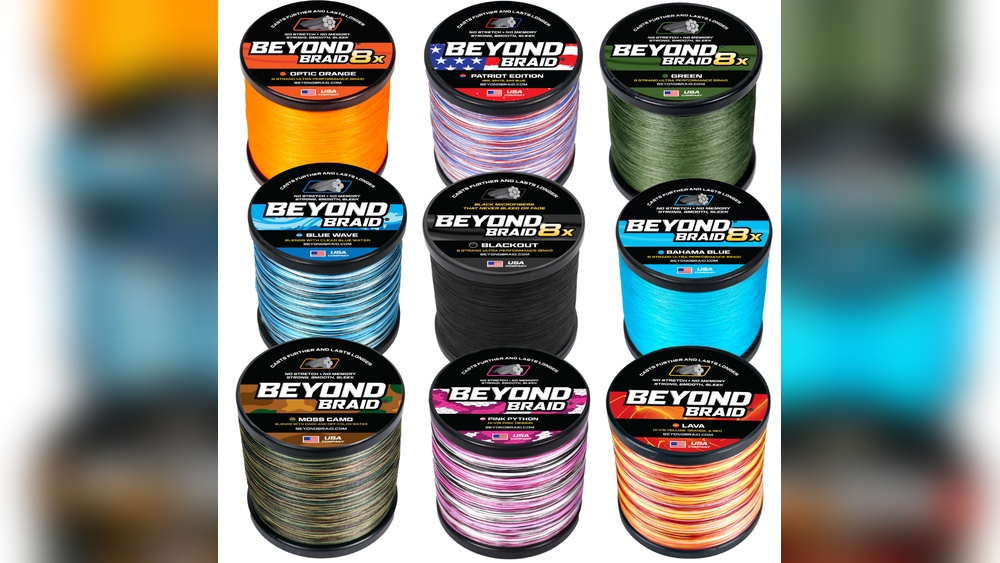
Braided fishing line is a favorite among many anglers for its strength, thin diameter, and low stretch. But even the toughest fishing line doesn’t last forever. If you have a spool of braid sitting in your tackle box or on your reel, you may wonder: How long is braided fishing line good for? This is not a simple question. The answer depends on many factors such as storage, frequency of use, water conditions, and even the type of fish you chase. Understanding the lifespan of braided line helps you avoid losing a trophy catch due to old or damaged gear.
Let’s dive deep into what affects the longevity of braided line, how to spot when it’s time to replace it, and how you can make your investment last as long as possible. Whether you’re a beginner or a seasoned angler, this guide will give you the facts and practical advice you need.
What Is Braided Fishing Line?
Braided fishing line is made from several strands of synthetic fibers like Dyneema, Spectra, or other high-strength materials. These fibers are woven together to create a line that is strong but has a thin diameter. Braided line is popular because it allows you to cast further, feel more bites, and pull big fish out of heavy cover.
Some key features:
- High strength-to-diameter ratio: You can use lighter gear for big fish.
- Minimal stretch: Helps with sensitivity and hook-setting power.
- Long-lasting color: Most braids are dyed, but color can fade with use.
But no matter how strong, all fishing lines have a lifespan. Let’s look at what determines how long your braid will last.
Average Lifespan Of Braided Fishing Line
On average, braided fishing line can last 2 to 5 years on your reel with regular use. If stored properly and not used, it can last much longer—sometimes up to 10 years or more. But this is just a rough estimate. The actual lifespan depends on many things, including how often you fish, where you fish, and how you care for your line.
Braided Line Vs. Monofilament And Fluorocarbon
Here’s a quick comparison:
| Line Type | On Reel (Active Use) | Unopened/Stored | Main Weakness |
|---|---|---|---|
| Braided | 2-5 years | 7-10+ years | Friction, UV damage |
| Monofilament | 1-2 years | 2-3 years | Sunlight, water absorption |
| Fluorocarbon | 2-3 years | 7+ years | Knot slippage, memory |
Braided line lasts longer than mono and fluorocarbon when it comes to shelf life and use on the reel. However, this doesn’t mean you can ignore it—wear and tear still happen.
Factors That Affect The Lifespan Of Braided Line
Understanding what shortens or extends the life of your braided line is key. Here are the most important factors:
1. Frequency Of Use
The more you fish, the faster your line wears out. Constant casting, fighting fish, and rubbing against rod guides all put stress on the fibers. If you fish every week, your line may need replacing every 1-2 years. For weekend anglers who fish just a few times a month, braided line can last 3-5 years.
2. Type Of Water
Saltwater is much harsher than freshwater. Salt crystals can get between the braid fibers, causing them to weaken and fray. If you fish in saltwater, rinse your gear with fresh water after each trip. Braided line used only in lakes or rivers can last longer.
3. Exposure To Sunlight (uv Rays)
Ultraviolet light from the sun can slowly break down the fibers in braided line. If you leave your rods and reels in direct sunlight—like in the back of a pickup truck—expect the line to weaken and lose color faster.
4. Abrasion And Friction
Braided line is strong, but it’s not immune to abrasion. Dragging your line over rocks, docks, or rough structures can cut or fray the fibers. Unlike mono, braid is not stretchy, so it won’t absorb sudden shocks well.
5. Storage Conditions
Proper storage can extend the life of your line. Keep unused braided line in a cool, dry, dark place. If you leave spools in hot, humid, or sunny spots, the material can break down much faster.
6. Line Color And Coating
Many braided lines are coated to improve color retention and reduce friction. Over time, this coating wears away, especially if you fish in heavy cover or against rough objects. Faded or fuzzy line may still be strong, but it’s a sign that the line is aging.
7. Quality Of The Brand
Not all braided lines are made equal. Cheaper brands may use lower quality fibers or skip important coatings. Investing in a reputable brand usually means your line will last longer and perform better.
Signs Your Braided Line Needs Replacing
It’s not always obvious when a line is past its prime. Here are signs that it’s time for a new spool:
- Fading color: While faded line can still be strong, severe color loss may mean the coating is gone, and the fibers are getting weak.
- Fraying or fuzziness: Check for small “hairs” sticking out along the line, especially near the lure or leader connection.
- Flat spots or nicks: Run the line between your fingers. If it feels rough or you feel thin spots, replace it.
- Reduced casting distance: Old line can become sticky or limp, making it harder to cast smoothly.
- Frequent break-offs: If your line breaks while fighting smaller fish or casting, it’s a clear warning.
- Unraveling at knots: Braid should hold knots well. If knots slip or untwist, the line is likely compromised.
:max_bytes(150000):strip_icc()/braided_fishing_line-56af519e5f9b58b7d0175d26.jpg "How Long is Braided Fishing Line Good for? Expert Guide & Tips")
Credit: www.tripsavvy.com
How To Make Braided Line Last Longer
Braided line is not cheap, so it’s worth taking care of it. Here are practical tips:
Rinse After Saltwater Use
Always rinse your reel and line with fresh water after fishing in the ocean. Salt can damage the fibers over time.
Store Away From Sun And Heat
Don’t leave rods or spools in the sun or a hot car. UV rays and heat speed up the breakdown of the line.
Cut Off Damaged Sections
If only the first few feet are frayed, cut off the damaged section and retie. This can extend the life of the rest of your line.
Reverse The Line
When the top half of your line is worn, you can take it off the reel and wind it back on so the unused part is now on top. This doubles the usable life.
Use A Quality Leader
Attach a fluorocarbon or monofilament leader to your braid. The leader takes the abuse from rocks and fish, protecting your main line.
Check The Line Regularly
After every trip, or even a long fight with a fish, run your fingers down the line to check for weak spots.
Lubricate Line Guides
Dirty or rough guides can damage braid. Clean and inspect your rod’s guides to avoid unnecessary friction.
Real-world Examples: Braid Longevity In Different Conditions
Let’s look at how long braid lasts in real fishing situations:
- Weekend bass angler, freshwater only: Line often lasts 4-5 years if stored well and checked regularly.
- Saltwater surf fisherman, weekly trips: May need to change braid every 1-2 years, especially if fishing in rough surf.
- Tournament angler, heavy use: Many pros change braid every season to avoid surprises, even if the line looks good.
- Occasional angler, line stored on spare spool: Braid can last over 7 years if kept out of sunlight and moisture.
This shows that usage and environment matter as much as the brand or type.

Credit: www.berkley-fishing.com
Common Mistakes That Shorten Braid Life
Even experienced anglers sometimes make mistakes that cut short the life of their braid. Be aware of these:
- Storing line in sunlight: Even a few days in the sun can weaken the fibers.
- Not rinsing after saltwater trips: Salt left on the line causes slow but steady damage.
- Ignoring frayed sections: One weak spot can cost you a fish—or a lure.
- Using old guides: Worn-out or cracked rod guides act like sandpaper on braid.
- Overfilling the reel: Too much line can tangle and create knots, increasing the chance of damage during casting.
Braided Line Care And Maintenance Checklist
To help you remember the best practices, here’s a quick checklist you can use:
- Check for frays and nicks before and after each trip.
- Rinse line with fresh water after saltwater use.
- Store reels and spools in a cool, dark place.
- Cut off and retie when line is damaged.
- Replace braid every 1-2 years for heavy use, up to 5 years for light use.
- Use a leader for abrasion resistance.
- Clean rod guides regularly.
Credit: beyondbraid.com
Data: How Braid Holds Up Over Time
Studies by fishing line manufacturers and angler reports show that braided line retains about 80-90% of its breaking strength after two years of moderate use, especially if rinsed and stored properly. However, after 5 years, the strength can drop below 70%, especially in harsh environments or with frequent use.
Here’s a simple data overview:
| Years on Reel | Average Strength Retained | Typical Use |
|---|---|---|
| 1 | 95% | All conditions |
| 2 | 85-90% | Moderate use |
| 3 | 80% | Freshwater, light use |
| 5 | 60-70% | Saltwater, heavy use |
Remember: These are averages. One bad nick or frayed section can reduce strength even more.
Should You Use Old Braided Line?
Many anglers wonder if it’s safe to use braid that’s been in storage for years. If the line has been kept in a cool, dry, dark place and passes the visual and touch tests (no frays, nicks, or signs of damage), it’s usually fine to use.
However, if you plan to target big or hard-fighting fish, consider replacing the line to avoid the risk.
If you’re fishing for smaller species or in non-critical situations, old braid can still be used for backing or as practice line.
Recycling And Disposing Of Old Braided Line
One thing many people forget is that braided line is not biodegradable. Never throw old line in the water or regular trash where wildlife can get tangled. Instead, recycle it at local tackle shops or recycling programs. Some manufacturers have mail-in programs for old fishing line.
Braided Line Myths And Misunderstandings
There’s a lot of confusion about braided line. Here are some common myths:
- Myth: Braided line lasts forever. No fishing line is immune to wear and tear.
- Myth: Faded line is always weak. Color loss doesn’t always mean the line is bad, but check for other signs.
- Myth: You never need a leader with braid. A leader helps with abrasion resistance and invisibility.
- Myth: All braid is the same. Differences in fiber quality, weave, and coatings matter.
Expert Tips For Braided Line Longevity
After years of using braid in all kinds of conditions, here are two often-missed tips:
- Don’t use braid with cracked or dirty guides. Even a small crack in a rod guide can destroy your braid in just one trip.
- Avoid tying direct knots to rough lures or hooks. Use a loop knot or tie to a smooth ring to reduce friction.
When In Doubt, Replace The Line
The cost of losing a big fish or an expensive lure is usually higher than the price of new line. If you’re unsure, or the line is more than 5 years old and has been used a lot, it’s safest to replace it.
Comparing Top Braided Line Brands
Brand matters, but so does maintenance. Here’s a snapshot of how long some top brands last in typical conditions:
| Brand | Expected Lifespan (Active Use) | Key Feature |
|---|---|---|
| PowerPro | 3-5 years | Smooth coating, good UV resistance |
| Sufix 832 | 3-4 years | Strong color retention |
| Daiwa J-Braid | 2-4 years | Round profile, soft feel |
| SpiderWire | 2-3 years | High sensitivity |
Remember, actual lifespan depends more on how you use and care for the line than the brand alone.
Final Thoughts
Braided fishing line offers excellent performance and durability, but it’s not invincible. With proper care, most braid will give you years of reliable service—often outlasting mono and fluorocarbon. Still, it pays to check your line regularly and replace it when you see signs of wear.
Investing a little time in maintenance and inspection keeps your gear ready for that next big catch.
If you want to learn more about fishing line technology, visit the Wikipedia page on fishing line for in-depth information.
Frequently Asked Questions
How Can I Tell If My Braided Line Is Still Good?
Check for fraying, faded color, and rough spots by running the line between your fingers. If it feels smooth and shows no damage, it’s probably still strong. Replace the line if you see or feel any weak sections.
Does The Color Of Braided Line Matter For Lifespan?
Color itself doesn’t affect strength, but fading can signal that the protective coating is wearing off. While faded line may still work, severe color loss means you should inspect it closely for other signs of wear.
How Often Should I Replace Braided Line?
For regular anglers, replace every 2-3 years. If you fish heavily or in saltwater, consider changing every year. Light users can often go up to 5 years if the line is well maintained.
Can I Use Old Braided Line For Anything Else?
Yes, old braid can be used as backing under fresh line on your reel or for practice casting. Just don’t use it for targeting big or important fish, as it may not have full strength.
Is Braided Line Safe For The Environment?
No, braided line is not biodegradable. Always recycle old line at a tackle shop or through a dedicated recycling program to prevent harm to wildlife.
Braided line is a powerful tool for anglers, but like all tools, it works best when you know its limits and take care of it. With the right habits, your braid will serve you well for many seasons.