
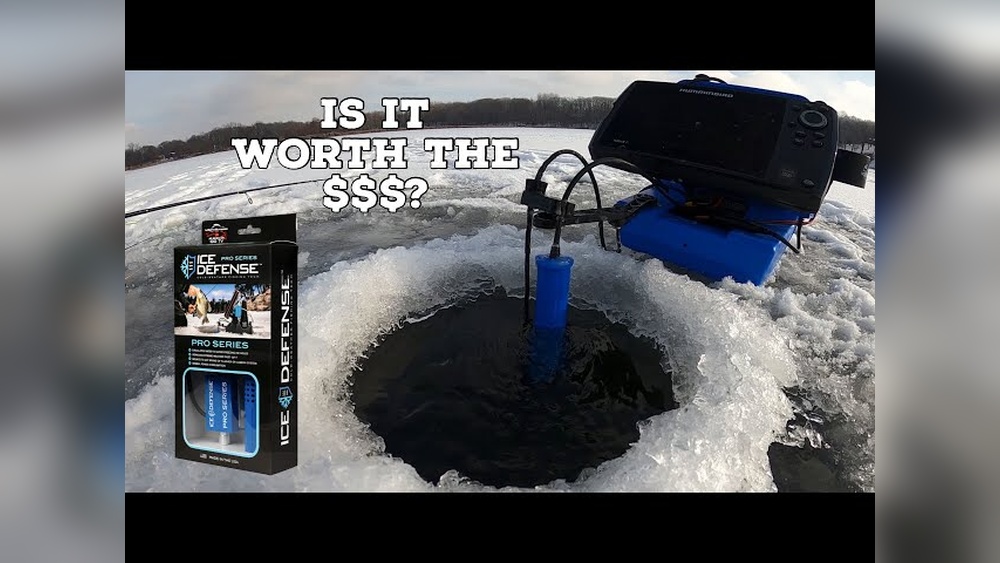
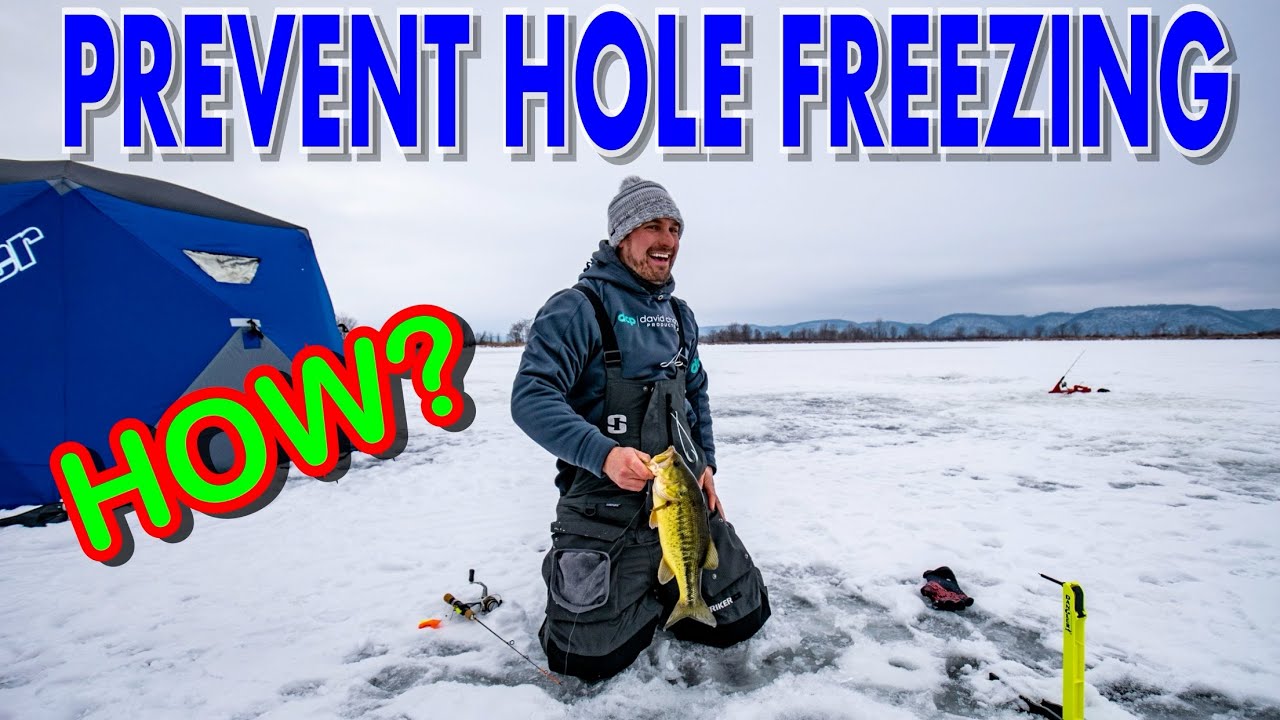
Ice fishing is a unique and rewarding winter activity, but it comes with its own set of challenges. One of the most common problems every angler faces is keeping ice fishing holes from freezing over. When temperatures drop below freezing, even for a short time, your fishing hole can quickly become covered with a layer of ice. This not only interrupts your fishing but can also scare fish away and waste your valuable time. Luckily, there are many practical and effective methods to keep your holes open, whether you’re out for a few hours or planning a full day on the ice. By understanding how ice forms and using the right tools and techniques, you can enjoy uninterrupted fishing and focus on catching more fish.
This guide will walk you through all the best ways to prevent your ice fishing holes from freezing, comparing popular methods, and sharing tips that even experienced anglers sometimes overlook. Whether you’re new to ice fishing or a seasoned pro, you’ll find useful advice here to make your next trip more successful and enjoyable.
Why Ice Fishing Holes Freeze
Before looking at solutions, it’s important to understand why ice forms in fishing holes. When you drill a hole through the ice, you expose water to much colder air temperatures. Heat escapes from the water’s surface into the air, causing the water to freeze quickly. Wind and humidity can make freezing happen even faster.
Some factors that speed up hole freezing:
- Air temperature: The colder it gets, the faster holes freeze.
- Wind chill: Moving air pulls heat away from the water, forming ice faster.
- Hole size: Smaller holes freeze more quickly than larger ones.
- Exposure time: The longer a hole is left uncovered, the thicker the ice will form.
Understanding these factors will help you choose the best method for your specific conditions.
Best Methods To Keep Ice Fishing Holes From Freezing
There are several tried-and-true ways to keep your ice holes open. Each method has its pros and cons, and the best choice often depends on your gear, location, and how long you plan to fish.
1. Use An Ice Skimmer Regularly
The most basic and commonly used method is to skim ice off your hole as it forms. An ice skimmer, sometimes called a dipper or scoop, is a simple tool with a handle and a mesh or slotted spoon at the end.
To use it:
- Check your hole every 10–20 minutes.
- Scoop out the thin ice as it appears.
- Remove any slush to keep the hole clear.
While this method is simple and requires no special equipment, it can become tedious if you fish for several hours or have many holes to watch.
2. Insulate The Hole With Covers
Insulating your fishing hole is a highly effective way to slow down freezing. You can use several types of covers:
- Foam hole covers: Lightweight and float on the water, reducing heat loss.
- Rubber mats: Placed over the hole, they block wind and trap some warmth.
- Insulated lids: Some commercial options are shaped to fit standard holes.
Covers are especially helpful in windy conditions, where wind chill is a big factor. Make sure your cover is easy to remove for checking lines or pulling up fish.
3. Use A Tip-up With An Insulated Base
Tip-ups are popular for ice fishing, and many models come with insulated bases designed to keep holes from freezing over. The base covers the hole, blocking wind and trapping some heat from the water below.
Benefits of insulated tip-ups:
- Keep holes open longer with minimal attention.
- Allow for multiple holes to be managed at once.
- Great for overnight fishing or when you want to set lines and move around.
This method is less effective in extreme cold but is a good option for most winter days.
4. Deploy A Portable Ice Shelter
Setting up a portable ice shelter or tent over your fishing area can make a big difference. Shelters block wind, trap body heat, and sometimes allow for safe use of heaters.
Why shelters help:
- Reduce wind chill dramatically.
- Allow use of portable heaters, which can raise air temperature inside.
- Make your fishing experience much more comfortable.
Some anglers use insulated shelters for extra warmth, which helps keep holes open even longer.
5. Add Warm Water To The Hole
Pouring a small amount of warm (not boiling) water into your fishing hole can delay freezing. Warm water raises the temperature of the surface layer, slowing ice formation.
How to do it safely:
- Heat water before your trip and store in a thermos.
- Pour just enough to warm the hole, not enough to disturb fish.
- Repeat as needed, especially on very cold days.
Be careful not to use water that’s too hot, as a sudden temperature change can scare fish or damage your fishing line.
6. Use A Hole Heater Or De-icer
For serious ice fishermen, an electric or propane hole heater is one of the most reliable solutions. These devices are designed to keep ice holes open for long periods.
Types of heaters:
- Electric de-icers: Often used in fish ponds, these can be adapted for ice fishing.
- Propane-powered heaters: Some models fit over or around the hole, radiating heat downward.
Safety tips:
- Always read the manufacturer’s instructions.
- Use only heaters rated for outdoor or ice fishing use.
- Ventilate your shelter if using any fuel-burning heater.
Heaters are best for overnight fishing or situations where you need holes to stay open without constant attention.
7. Keep The Water Moving
Moving water freezes more slowly than still water. You can keep your fishing hole from freezing by stirring the water regularly.
Ways to do this:
- Use your ice skimmer to swirl the water every 10–15 minutes.
- Some anglers use small battery-powered aerators to create gentle movement.
While this method works best when combined with others, it’s a handy trick if you forget a cover or heater.
8. Apply Non-toxic Glycerin Or Salt
A less common but effective trick is to use a small amount of glycerin or non-iodized salt around the edges of your hole. Both substances lower the freezing point of water.
How to use:
- Sprinkle a thin layer around the edge of the hole.
- Use only food-safe, non-toxic products.
- Avoid overuse, as too much can harm fish or the environment.
This method is best used in moderation and only when other options are not available.
9. Drill Larger Holes
Bigger holes take longer to freeze over because they have more thermal mass and surface area. If your local rules and safety conditions allow, try drilling holes 8–10 inches in diameter instead of the minimum.
Pros:
- Slower freeze-up.
- More room for multiple lines or bigger fish.
Cons:
- More work to drill.
- Can be less safe if not careful, especially for children or pets.
Always check ice thickness before making larger holes, and don’t overcrowd your fishing area.
10. Use Dark-colored Hole Covers
Dark colors absorb sunlight and can warm up the surface slightly, helping to slow ice formation. If you use covers, choose black or dark green instead of white or clear.
Benefits:
- Passive heating from sunlight.
- Works best on sunny days, even when cold.
Combine this with other methods for even better results.
11. Fish During Warmer Parts Of The Day
The coldest periods are usually early morning and late evening. If you fish during midday, when the sun is highest, your holes will freeze much more slowly.
Tips:
- Plan trips when temperatures peak.
- Use weather apps to track hourly forecasts.
- Consider quick trips rather than full days if temperatures are extremely low.
This approach is simple but effective, especially if you want to avoid carrying extra gear.
12. Try A Hole Sleeve Or Tube
A hole sleeve or tube is a plastic or foam cylinder that sits inside your fishing hole. It creates a barrier between the water and the cold air above.
How it works:
- The sleeve floats or rests on the ice, reducing exposure.
- Some commercial sleeves even have insulation.
This method is especially good for deep ice or when you want to keep the hole open for tip-ups.
13. Use A Bubble Stone Or Aerator
A bubble stone (like those used in aquariums) can be attached to a small battery-powered pump to keep water moving and oxygenated. The bubbles break up ice as it forms and help keep the hole open.
How to set up:
- Place the stone a few inches below the surface.
- Use a waterproof, portable air pump.
- Make sure batteries are fresh or bring spares.
This method works best for longer trips or permanent shacks.
14. Apply Vegetable Oil To The Surface
A thin layer of vegetable oil can form a barrier between the water and cold air, delaying freezing. Use only a few drops, as too much can be harmful.
Steps:
- Pour a very small amount onto the water.
- Swirl to spread evenly.
- Reapply as needed.
This method is less popular due to environmental concerns, but when used sparingly, it can help in emergencies.
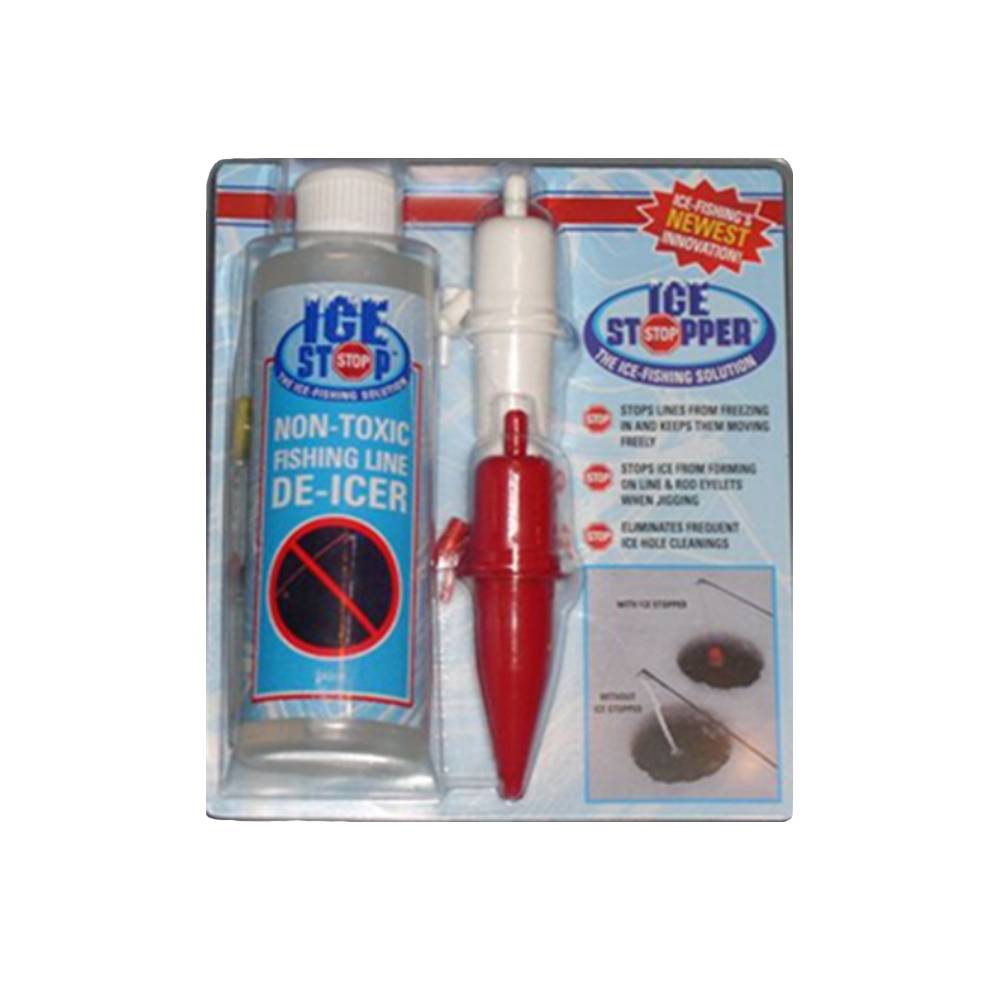
15. Use Commercial Hole De-icing Products
There are several products made specifically for keeping ice fishing holes open, including hole de-icing discs and chemical packs.
What to look for:
- Non-toxic, fish-safe ingredients.
- Reusable designs for less waste.
- Easy to use and transport.
Always read the label and follow safety instructions.
16. Build A Windbreak
A windbreak can be as simple as a snowbank or as advanced as a portable wall. Blocking wind is one of the most effective ways to keep holes from freezing quickly.
Ideas for windbreaks:
- Pile snow on the upwind side of your hole.
- Use a folding screen or large piece of cardboard.
- Place your shelter so it faces away from the wind.
Even a small reduction in wind speed can help your holes stay open much longer.
17. Use Reflective Blankets Or Foil
Emergency reflective blankets or aluminum foil can be placed over a hole cover to bounce sunlight and heat back onto the surface.
How to use:
- Drape the blanket over your cover or directly over the hole.
- Secure with snow or small rocks.
This adds a few degrees of warmth, especially when used with a dark cover.
18. Drill Holes In Pairs Or Groups
Ice holes that are close together can help keep each other warm, especially if you use covers or heaters. The area between holes traps a small pocket of warmer air.
Strategy:
- Drill holes 1–2 feet apart.
- Cover both with a single large mat or shelter.
This method works best when managing multiple lines or fishing with friends.
19. Use Hot Packs Or Hand Warmers
Chemical hand warmers or hot packs can be placed around the edge of your hole or under a cover. They give off heat for several hours and can slow down ice formation.
Tips:
- Use multiple packs for bigger holes.
- Place on a waterproof surface or inside a zip bag to avoid getting wet.
While not as powerful as electric heaters, they’re lightweight and easy to bring along.
20. Monitor And Adjust Regularly
No method is completely set-and-forget. The most important tip is to check your holes often and combine several techniques for best results.
Practical advice:
- Use covers, heaters, and skimmers together.
- Adjust your strategy based on changing weather.
- Don’t be afraid to experiment with new ideas.
Combining methods is especially important during extreme cold or windy conditions.
Credit: www.youtube.com
Comparing Popular Methods
To help you choose the right method for your next trip, here’s a comparison of some of the most widely used techniques:
| Method | Effectiveness | Cost | Ease of Use | Best For |
|---|---|---|---|---|
| Ice Skimmer | Moderate | Low | Easy | Short trips |
| Insulated Cover | High | Medium | Easy | Windy days |
| Hole Heater | Very High | High | Moderate | Extended stays |
| Portable Shelter | High | High | Moderate | Comfort seekers |
| Bubble Stone | High | Medium | Easy | Long trips |
Common Mistakes When Trying To Keep Holes Open
Even experienced ice anglers make mistakes that can make freezing worse or create safety risks. Here are some to watch out for:
- Overheating the hole: Using too much heat can melt the ice around your hole, making it unstable.
- Using toxic chemicals: Never add antifreeze or other harmful substances to your fishing hole.
- Ignoring wind direction: Failing to block wind can undo all your other efforts.
- Not checking holes often: Freezing can happen in minutes when temperatures drop quickly.
- Leaving holes unattended: Open holes can be a hazard for other anglers, children, or pets.
Learning from these mistakes will keep your fishing safe and effective.
Two Non-obvious Insights Most Beginners Miss
- Thermal Mass Matters: Many new anglers don’t realize that the more water volume in a hole, the slower it freezes. When possible, drill slightly larger holes and avoid removing too much water when skimming. This helps keep the water’s thermal mass high, which resists freezing longer.
- Microclimate Creation: Setting up even a small windbreak or partial shelter can create a microclimate over your hole that is several degrees warmer than open ice. Even a 2–3 degree difference can double the time before a hole freezes, especially on windy days.
Expert Tips For Extended Ice Fishing Trips
If you plan to fish all day or overnight, consider these advanced strategies:
- Combine a shelter with a portable heater for maximum effect.
- Use multiple methods (cover + heater + skimmer) for redundancy.
- Regularly check the stability of the ice around heated holes to avoid accidental widening.
- Bring backup supplies such as extra hand warmers, covers, and batteries for aerators.
- Always have a plan for quick hole reopening if freeze-up happens unexpectedly.
Here is a quick reference table for extended trip setups:
| Setup | Recommended Gear | Backup Method |
|---|---|---|
| All-Day Fishing | Shelter, Heater, Insulated Covers | Ice Skimmer, Hand Warmers |
| Overnight Stay | Bubble Stone, Heater, Dark Cover | Salt/Glycerin, Windbreak |
| Short Outing | Skimmer, Hole Cover | Warm Water, Windbreak |

Credit: www.amazon.ae
Environmental Considerations
Always keep the environment in mind when using any method. Avoid introducing chemicals or foreign materials that can harm fish, birds, or water quality. Choose non-toxic, reusable products whenever possible.
For more information on ice fishing safety and environmental best practices, visit the Minnesota Department of Natural Resources.
Final Thoughts
Keeping ice fishing holes from freezing is both a science and an art. There’s no single “best” method for every situation, but with the right knowledge and a little planning, you can enjoy long, productive days on the ice. Remember to combine several approaches for the best results, pay attention to weather changes, and always fish safely.
With these tips, your next ice fishing trip will be more comfortable, less stressful, and much more successful.
Credit: extacklestore.com
Frequently Asked Questions
How Often Should I Check My Ice Fishing Hole For Freezing?
Check your hole every 10–20 minutes, especially on colder or windier days. If you’re using a cover, heater, or shelter, you can wait a bit longer, but always monitor regularly to avoid thick ice buildup.
Are Chemical De-icers Safe For Fish And The Environment?
Only use commercial de-icers labeled as non-toxic and safe for aquatic life. Avoid any products containing antifreeze or harmful chemicals, as these can damage the ecosystem and harm fish.
What Is The Safest Way To Use A Heater For Ice Fishing?
Always follow the manufacturer’s instructions. Use heaters designed for outdoor or ice fishing use, keep them well-ventilated, and never leave them unattended. Regularly check the ice around the hole for signs of melting or instability.
Can I Use Salt To Keep Ice Fishing Holes Open?
Yes, but only in small amounts and with non-iodized salt. Excess salt can harm fish and the environment, so use this method sparingly and as a last resort.
Is There A Way To Prevent Holes From Freezing Without Extra Equipment?
Yes, you can use natural methods like skimming, drilling larger holes, fishing during warmer parts of the day, and building windbreaks from snow. Combining these simple strategies can be quite effective if you don’t have specialized gear.