
Redfish, also called red drum, are one of the most popular sport fish along the Gulf and Atlantic coasts of the United States. Their powerful runs and willingness to strike make them a favorite for both beginner and experienced anglers. But to enjoy success and avoid frustration, your fishing gear—especially your reel—needs to match both the fish and the conditions. Choosing the right reel size for redfish is a decision that shapes your entire fishing experience. Use a reel that’s too small, and you risk losing the fish of a lifetime. Choose one that’s too large, and you might find fishing uncomfortable, clumsy, or unnecessarily expensive.
Many anglers wonder: “What size reel do I really need for redfish?” The answer depends on several factors: where you’re fishing, the average size of redfish you expect to catch, your preferred fishing technique, and even your personal comfort with gear. This article will break down everything you need to know—from reel sizes and features to line capacity, drag, and real-world examples—so you can make a confident choice and focus on what matters: catching more redfish.
Understanding Reel Sizes: The Basics
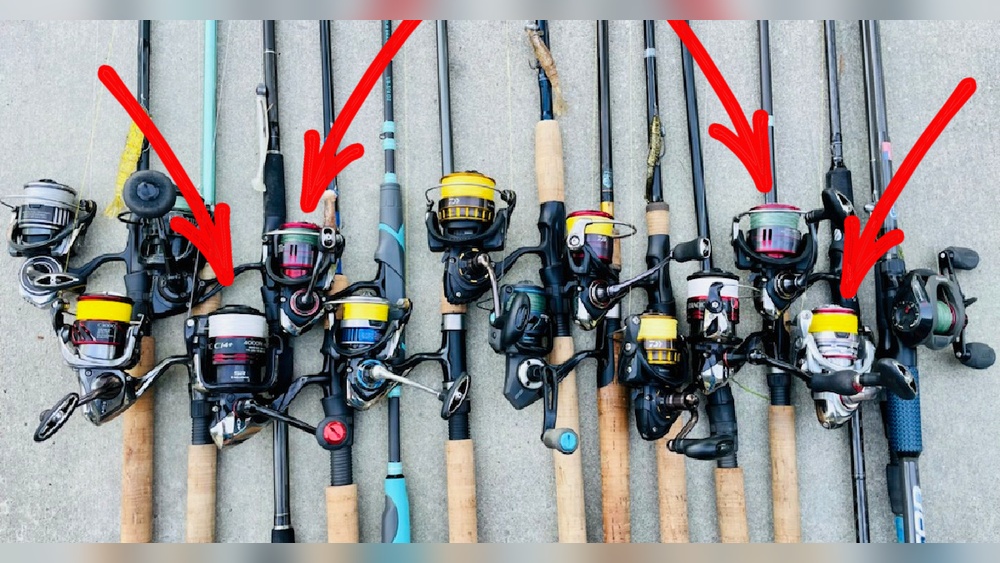
When people talk about reel size, they are usually referring to the size number printed on the reel, such as 2500, 3000, 4000, and so on. These numbers may vary slightly between brands but generally, a higher number means a larger reel, capable of holding more fishing line and delivering more power.
How Reel Sizes Work
- Small spinning reels (1000–2500): Best for light freshwater fishing or small inshore species.
- Medium spinning reels (3000–4000): Ideal for inshore saltwater fish like redfish, speckled trout, and flounder.
- Large spinning reels (5000+): Designed for bigger saltwater species, surf fishing, or heavy tackle situations.
For redfish, most anglers find the 3000 to 4000 size spinning reel to be the sweet spot. This size balances line capacity, drag strength, and casting comfort. However, there are times when a 2500 or even a 5000 size might be more suitable, depending on your environment and target fish.
Why Reel Size Matters
Choosing the correct reel size affects several key factors:
- Line capacity: Redfish can make long, strong runs. You need enough line to avoid break-offs.
- Drag strength: The drag system must be smooth and powerful to control a running redfish.
- Weight and comfort: Too large a reel gets heavy after hours of casting, while too small limits your ability to land bigger fish.
- Balance with rod: Your reel must balance well with your fishing rod for accuracy and comfort.
Matching Reel Size To Redfish Habitats
Redfish inhabit various environments, from shallow marshes and flats to deeper coastal waters. The best reel size can change based on where and how you fish.
Inshore Shallow Flats
In shallow water, redfish are usually smaller—often 2 to 8 pounds, with the occasional 10-15 pounder. Here, a 2500 or 3000 size reel paired with 8–12 lb braided line is perfect. You get smooth casting, enough line capacity for long runs, and a lightweight setup that won’t tire your arm.
Marshes And Backwaters
Redfish in marshes can surprise you with their size. You might hook a slot-sized fish (16–27 inches) or a 30+ inch bull red. A 3000–3500 reel gives you that extra line and drag power without being too bulky.
Coastal Bays And Deeper Water
When fishing deeper water, oyster beds, or near structures like jetties, the redfish are often larger and stronger. Here, 4000 size reels become popular. With 15–20 lb braided line, you get the muscle to turn big fish away from snags and the spool size for long runs.
Surf And Jetty Fishing
Targeting bull reds (over 30 pounds) from the surf or jetties requires heavier gear. A 4000–5000 size reel is common, loaded with 20–30 lb braid or 15–20 lb monofilament. The extra size helps you cast farther and gives you a bigger drag system.
Spinning Vs. Baitcasting Reels For Redfish
Most redfish anglers use spinning reels, but baitcasting reels are also an option—especially for those with experience.
Spinning Reels
- Easy to use for all skill levels
- Cast light lures and baits farther, especially in windy conditions
- Less likely to backlash (tangle)
- Popular sizes: 3000–4000 for most redfish fishing
Baitcasting Reels
- Offer more casting accuracy
- Handle heavier lines and lures well
- More powerful drag systems
- Require practice to avoid tangles (backlash)
- Popular sizes: 150–200 series (roughly equal to a 3000–4000 spinning reel)
For most people, a spinning reel in the right size is the best choice for redfish—especially in windy coastal areas where accurate, long casts are required.
Breaking Down Line Capacity And Drag
It’s not just about the size number. Two reels labeled “4000” may have different line capacities or drag strengths, depending on the brand and model.
Line Capacity: How Much Do You Need?
Redfish can make explosive runs, especially in open water. You need enough line so you don’t run out during a fight. Here’s a general guide:
| Reel Size | Braid (lb test) | Line Capacity (yards) | Typical Redfish Use |
|---|---|---|---|
| 2500 | 10–15 | 150–200 | Small to medium redfish, light tackle |
| 3000 | 10–20 | 180–220 | All-around inshore redfish |
| 4000 | 15–30 | 200–250 | Larger redfish, deeper water, surf |
| 5000 | 20–40 | 220–300 | Big bull redfish, heavy structure |
A 3000 or 4000 size reel usually holds enough line for most redfish trips. You rarely need more than 200 yards of line unless you’re fishing for trophy bull reds in open water.
Drag System: Power And Smoothness
Redfish fight hard, so your drag must be smooth and strong. Look for a reel with:
- Maximum drag of at least 15 lbs for 3000–4000 size (enough for most inshore reds)
- Smooth drag to prevent sudden break-offs
- Sealed drag system if you fish in saltwater often (helps prevent corrosion)
Some anglers make the mistake of setting their drag too tight or using reels with jerky drag systems. This can snap your line or straighten hooks. Always check the drag before fishing and set it to about one-third of your line’s breaking strength.
Key Features To Look For In A Redfish Reel
It’s not just size—other features matter, too. Here’s what separates a good redfish reel from a great one:
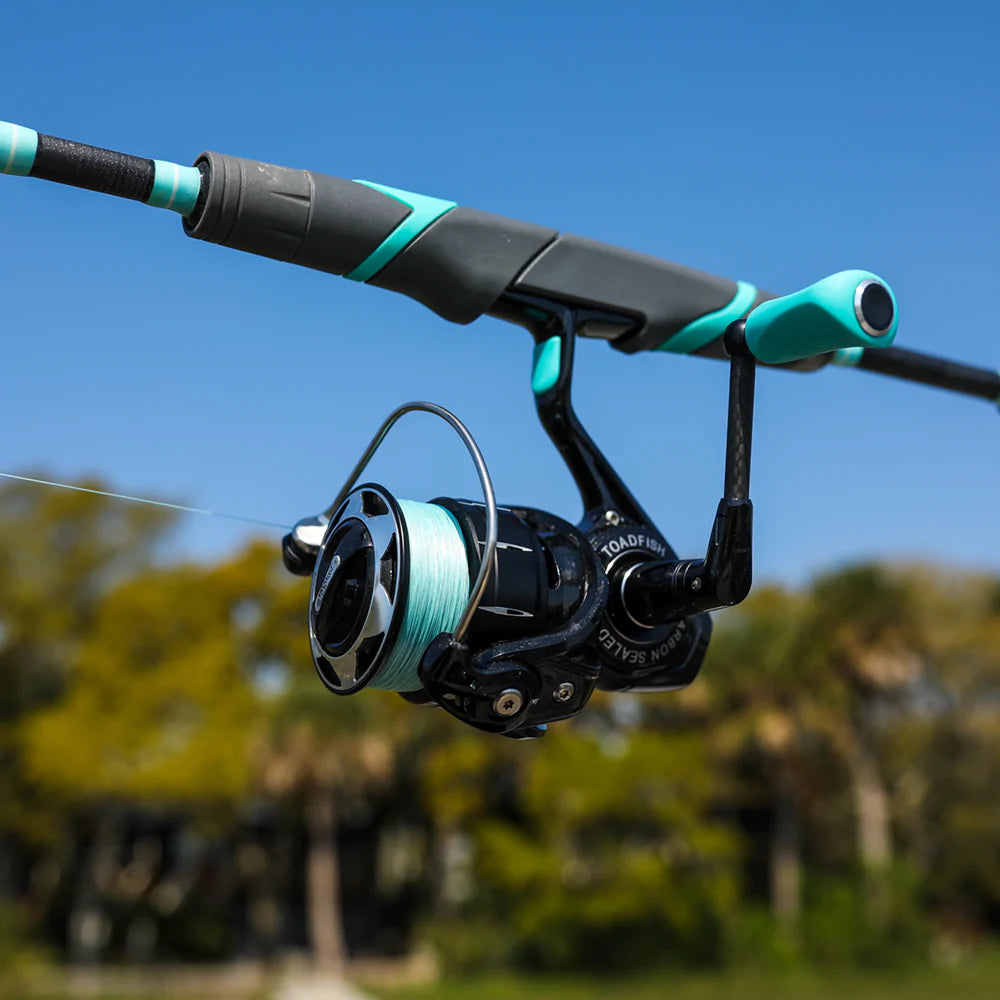
- Corrosion resistance: Saltwater can destroy reels quickly. Look for reels with sealed bearings and anti-corrosion coatings.
- Quality bearings: More bearings often mean smoother operation. Stainless or sealed bearings last longer.
- Gear ratio: A ratio like 5.2:1 means the spool rotates 5.2 times per handle turn. For redfish, a medium gear ratio (5.2:1–6.2:1) is ideal—fast enough for lures, strong enough for big fish.
- Weight: Lightweight reels reduce fatigue, especially if you cast all day.
- Handle design: Big, comfortable handles help you fight strong reds without slipping.
- Line management: Good line lay prevents tangles and helps cast farther.
Some anglers overlook the importance of sealed drag systems and corrosion-resistant coatings. If you fish brackish or saltwater, these features can double the lifespan of your gear.
The Best Reel Sizes For Different Redfish Scenarios
To make your choice easier, let’s look at real-world examples of what size reel works best in different situations.
| Fishing Scenario | Recommended Reel Size | Line (Braid) | Typical Redfish Size |
|---|---|---|---|
| Light tackle flats fishing | 2500–3000 | 10–15 lb | 2–10 lbs |
| General inshore fishing | 3000–3500 | 15–20 lb | 5–15 lbs |
| Deep channels / heavy cover | 4000 | 20–30 lb | 10–30 lbs |
| Surf or jetty (bull reds) | 4000–5000 | 30–40 lb | 20–40+ lbs |
Example: Slot Redfish On The Flats
If you’re wading clear flats in Louisiana or Florida, a 3000 size reel with 10 lb braid is perfect. You’ll cast light lures a long way, have enough line for runs, and the reel won’t weigh you down.
Example: Bull Reds In The Surf
Fishing for 30–40 lb bull reds from the Texas coast? A 5000 size reel with 30 lb braid gives you the line, drag, and strength to handle long runs and rough surf conditions.

Credit: www.reddit.com
Matching Reel Size To Rod And Lure Choice
A balanced setup means your reel, rod, and line work together for best performance.
Rod Pairing
- 2500–3000 reel: Pair with a 6’6”–7’ medium-light or medium rod. Great for light lures and soft plastics.
- 3000–4000 reel: Pair with a 7’–7’6” medium or medium-heavy rod. Handles heavier lures and live bait.
- 5000 reel: Pair with a 7’6”–9’ heavy rod for surf casting or jetties.
Lure And Bait Considerations
- Light lures (1/8–1/4 oz): Best with 2500–3000 size reels and lighter rods.
- Medium lures (1/4–1/2 oz): 3000–4000 reels handle these well.
- Heavy lures or big baits: Go with 4000–5000 reels for more power and casting distance.
Matching your reel size to your rod and lure helps you cast farther, feel more bites, and land more fish.
Common Mistakes When Choosing A Reel For Redfish
Even experienced anglers can make errors when picking a redfish reel. Watch out for these common mistakes:
- Going too small: A 1000 or 2000 size reel may feel light but often lacks the drag power and line capacity for decent-sized redfish.
- Choosing too large: A 6000+ reel is overkill for most inshore fishing—heavy, tiring, and more expensive.
- Ignoring saltwater protection: Freshwater reels can corrode quickly in saltwater. Always choose reels rated for saltwater use.
- Overlooking drag smoothness: A strong but jerky drag can cause lost fish. Always test the drag before buying.
- Not balancing rod and reel: An unbalanced setup can make casting and fighting fish awkward.
A less obvious mistake is focusing only on reel size and ignoring line type. Braided line allows you to use a smaller reel while still having plenty of strength and capacity.
Real Angler Experiences: What Works Best?
Talking to seasoned redfish anglers offers valuable insights that specs alone can’t show.
- Captain Steve, Louisiana: “My go-to is a 3500 size reel with 20 lb braid. It’s light enough for all-day casting, but I’ve landed 30 lb reds on it. The key is a smooth drag and keeping the reel clean.”
- Angler Maria, Texas coast: “I use a 4000 size spinning reel for surf fishing. The extra line capacity is important when a big red runs. For shallow marshes, I drop to a 3000 size—it’s just easier.”
- Guide Mike, Florida: “Don’t get hung up on brand. Focus on a reel that feels comfortable and has a good drag. I’ve caught 40-inch reds on a 3000 size—just takes patience and the right technique.”
Many beginners overlook the importance of cleaning and maintaining their reel after saltwater trips. Even the best reel will fail if you let salt and sand build up.
How To Maintain Your Redfish Reel
The right reel size is only useful if your gear works smoothly. Redfish fight hard, and saltwater is tough on equipment. Follow these steps to keep your reel in top shape:
- Rinse after every trip: Use fresh water to remove salt and sand. Never soak the reel—just a gentle rinse.
- Dry thoroughly: Let the reel air dry before storing.
- Lubricate gears and bearings: Use reel oil or grease as recommended by the manufacturer.
- Check drag washers: Make sure the drag is still smooth before your next trip.
- Store in a dry place: Avoid damp garages or sheds.
A well-maintained reel lasts longer and performs better, especially with regular saltwater use.
Credit: toadfish.com
Popular Reel Models For Redfish
If you want specific recommendations, here are some reels trusted by redfish anglers around the Gulf and Atlantic coasts:
- Shimano Stradic FL 3000/4000: Famous for smooth drag and durability
- Penn Battle III 3000/4000: Strong, affordable, and saltwater-ready
- Daiwa BG 3000/4000: Great value, tough for saltwater
- Quantum Smoke S3 3000/4000: Lightweight with strong drag
- Okuma Inspira 3000: Budget-friendly and reliable
These reels offer the right balance of size, strength, and features for catching redfish in most situations.
Advanced Tips: Getting The Most From Your Reel
- Use braid with a fluorocarbon leader: Braid gives you more line and sensitivity, while fluorocarbon is less visible to redfish.
- Always check your line for nicks: Redfish teeth and oyster shells can fray line quickly.
- Practice drag adjustment: Learn to adjust your drag during the fight, not just before.
- Don’t overfill your spool: Leave a 1/8 inch gap to prevent line tangles.
- Upgrade your handle knob: A larger, non-slip knob makes fighting big reds easier.
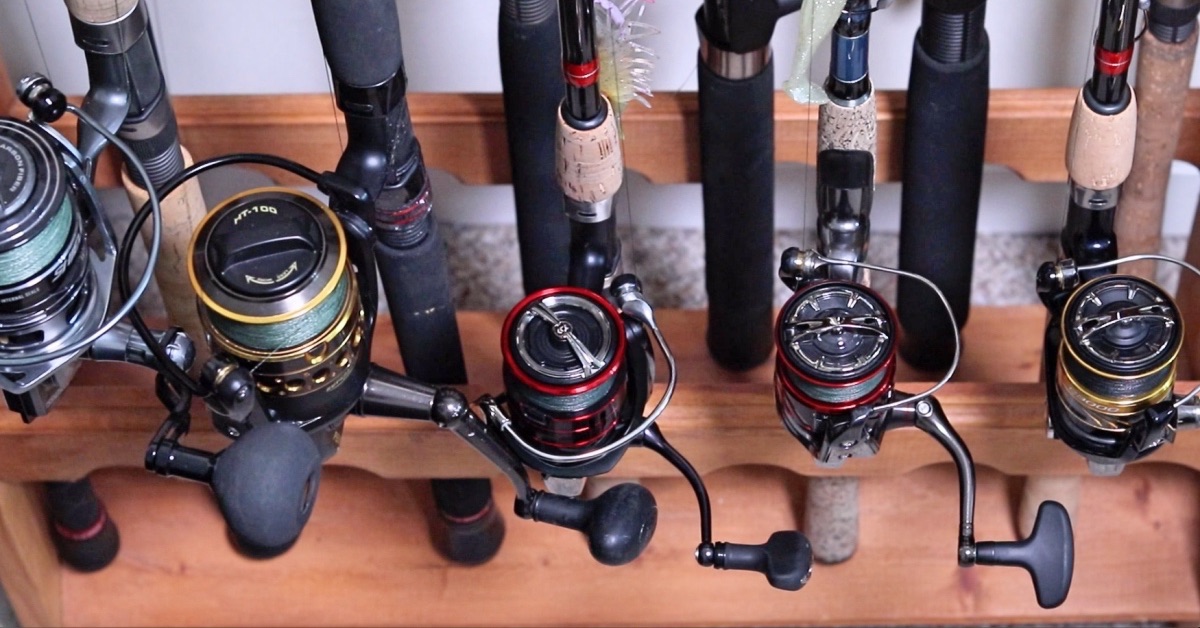
A detail many miss: line management systems on modern reels prevent tangles and wind knots, especially with braid. Look for reels that advertise advanced spool design.
Credit: www.saltstrong.com
Frequently Asked Questions
What Is The Best All-around Reel Size For Redfish?
A 3000 size spinning reel is the most versatile for redfish. It has enough line capacity and drag for most inshore situations, and it pairs well with a medium-action rod. You can handle anything from small slot reds on the flats to larger fish near structure.
Can I Use A Freshwater Reel For Redfish?
It’s not recommended. Redfish live in brackish and saltwater, which can quickly corrode freshwater reels. Always choose a saltwater-rated reel with corrosion-resistant materials and sealed bearings for redfish fishing.
How Much Drag Do I Need For Redfish?
Aim for a reel with a maximum drag of at least 15 lbs for 3000–4000 size reels. This is enough to control most redfish, but always match your drag setting to your line strength (about one-third of your line’s breaking strength).
What Line Should I Use With My Redfish Reel?
Braided line (10–30 lb test) is most popular for redfish. It has thin diameter, high strength, and casts far. Pair it with a fluorocarbon leader (15–25 lb test) for stealth and abrasion resistance.
Is A 4000 Reel Too Big For Redfish?
Not at all. A 4000 size reel is perfect for bigger redfish, deep water, or surf fishing. It offers more line capacity and a stronger drag system. For slot-sized reds or lighter fishing, a 3000 size might be more comfortable, but 4000 is not overkill for tough situations.
Selecting the right size reel for redfish will transform your fishing. Whether you’re casting on shallow flats, working marshes, or braving the surf for bull reds, a well-chosen reel lets you focus on the thrill of the strike and the satisfaction of a hard-fought battle. For deeper insights on red drum fishing and gear, check out the Red Drum Wikipedia page. With the right reel in hand, you’re ready for redfish action—anywhere the tide takes you.