
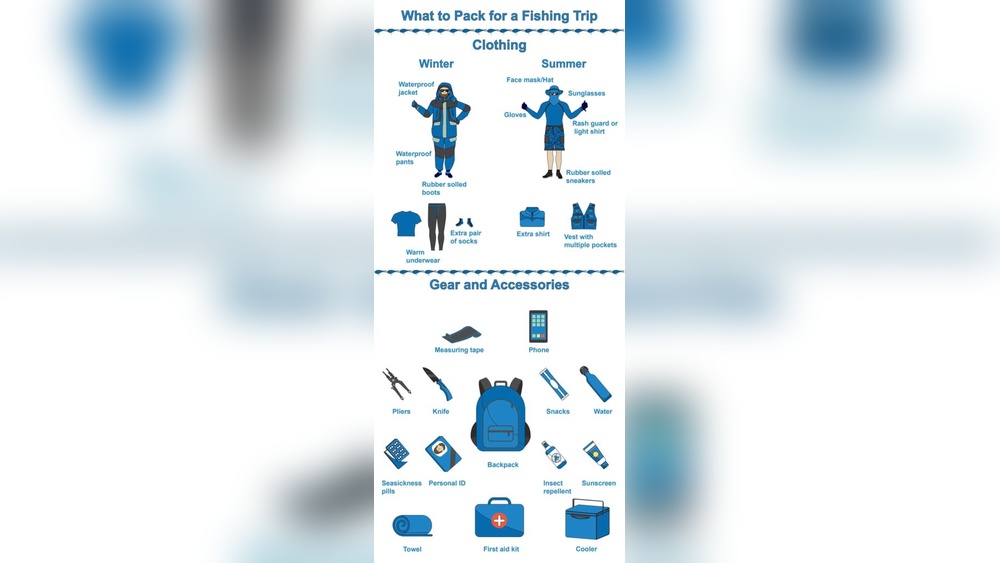
Heading out on a charter fishing trip is an exciting adventure. The open water, the thrill of the catch, and the chance to connect with nature make it a memorable experience for beginners and seasoned anglers alike. But before you board the boat, it’s important to know exactly what to bring charter fishing.
Packing right can make the difference between a comfortable, successful trip and a stressful day on the water. Many people, especially first-timers, underestimate what’s needed or rely too much on the charter company to provide everything. In reality, some preparation is essential for safety, comfort, and maximizing your fishing results.
Let’s break down exactly what you need to bring, why each item matters, and a few expert tips you might not have considered.
Essential Documents And Permits
Before you even think about lures and sunscreen, start with the most basic requirements: your documents. Many charter companies will remind you, but it’s your responsibility to have them ready.
- Fishing License: In most regions, you’ll need a valid fishing license. Some charters include this in their service, but many do not. Check your local regulations, and if you’re traveling out of state or country, research specific requirements. For example, in the US, each state has different rules, and saltwater and freshwater licenses are often separate.
- Photo ID: Always bring a government-issued ID. Not only is it needed for your fishing license, but you may also need it for boarding or in case of emergency.
- Charter Confirmation: Print or save your booking confirmation and any emails with instructions. Don’t rely on your phone alone—reception can be spotty near marinas or at sea.
Pro tip: Some charters require you to sign a waiver, so having your ID and confirmation handy will speed up the process.
Clothing And Personal Protection
Weather on the water can change quickly. Even if the day starts sunny, wind, rain, or chill can arrive without warning. Being prepared keeps you comfortable and safe.
- Layered Clothing: Dress in layers. A moisture-wicking base layer, a warm middle layer like fleece, and a waterproof outer shell are ideal. This setup lets you adjust as conditions change.
- Hat and Sunglasses: A wide-brimmed hat protects against sun and rain, while polarized sunglasses reduce glare and help you spot fish below the surface.
- Non-Slip Footwear: Wet decks are slippery. Wear closed-toe shoes with good grip, like boat shoes or sneakers with non-marking soles. Avoid flip-flops or sandals.
- Rain Gear: Even if rain isn’t in the forecast, pack a lightweight waterproof jacket and pants. Sudden squalls are common on open water.
- Gloves: Fingerless fishing gloves protect your hands from sunburn, cuts, and blisters. They also improve grip when handling line or fish.
- Buff or Neck Gaiter: This simple fabric tube shields your neck and face from sun and wind, and can double as a mask if needed.
Non-obvious insight: Even on cool days, the sun reflects off water, increasing your risk of sunburn. Cover up more than you think you need.
Sun And Weather Protection
Fishing means hours in the elements. Protecting yourself from the sun and weather is essential for health and enjoyment.
- High-SPF Sunscreen: Choose a water-resistant sunscreen with SPF 30 or higher. Apply before you board and reapply every two hours, especially after sweating or getting wet.
- Lip Balm with SPF: Lips burn easily and can crack after hours in the wind. A simple balm with sun protection makes a big difference.
- Bug Spray: Depending on location and season, mosquitoes and other insects can be a nuisance, especially near shore. Bring a non-greasy repellent.
- After-Sun Lotion: If you do get burned, aloe or after-sun lotion will soothe your skin and speed up recovery.
Extra tip: Don’t forget the tops of your feet, ears, and the back of your neck when applying sunscreen. These spots are easy to miss.
Food, Drinks, And Snacks
A day on the water is surprisingly draining. Proper hydration and snacks keep you energized and alert.
- Plenty of Water: Bring at least 2 liters per person for a full-day trip. Dehydration happens faster in the sun and wind.
- Electrolyte Drinks: Sports drinks or electrolyte powders help replace minerals lost through sweat.
- Easy-to-Eat Snacks: Choose foods that are high in energy but not messy—granola bars, nuts, jerky, dried fruit, or sandwiches. Avoid items that can spoil in the heat.
- Packed Lunch: If your charter doesn’t provide meals, bring a simple, compact lunch like wraps or pre-made salads.
- Cooler: A small soft cooler keeps drinks and food fresh. Some charters provide a communal cooler, but having your own is more convenient.
Non-obvious insight: Caffeine dehydrates you, so balance coffee or soda with extra water.
Fishing Gear: What’s Provided And What To Bring
Most charters include basic fishing equipment, but it’s smart to clarify what’s offered and decide if you want to bring any personal items.
- Rods and Reels: Standard gear is usually included. However, if you have a favorite rod or left-handed reel, ask if you can bring it.
- Tackle and Bait: Most charters supply lures, bait, and tackle suited for the local fish. Still, some anglers prefer their own lures or special rigs for targeting specific species.
- Tackle Box: If you bring your own tackle, use a compact box with essentials only. Space is limited on boats.
- Fish Handling Tools: Basic tools like pliers, a de-hooker, or a fish gripper can make unhooking fish easier and safer, especially if you want to release your catch.
- Measuring Tape or Ruler: If you’re hoping to catch a trophy fish or need to follow size regulations, pack a small tape for easy measuring.
- Camera or GoPro: Most smartphones are now water-resistant, but a GoPro or waterproof camera is better for capturing action shots.
Tip: If you’re new to fishing, don’t worry about bringing gear. Most charters are happy to teach you with their own equipment.
Safety And First Aid
Safety is always a top priority on the water. While charters carry emergency gear, bringing a few personal safety items is wise.
- Personal Flotation Device (PFD): Charters provide life jackets, but you may prefer your own for comfort, especially for children or those with specific needs.
- Small First Aid Kit: Include band-aids, seasickness tablets, pain relievers, and antiseptic wipes. Even minor injuries can ruin a trip if not treated quickly.
- Motion Sickness Medicine: If you’re prone to seasickness or not sure, take a non-drowsy medicine an hour before boarding. Wristbands or ginger chews can also help.
- Emergency Contacts: Carry a list of emergency contacts in a waterproof bag, along with any important medical information.
- Whistle or Sound Device: A small whistle attached to your life jacket can help in case of emergency.
Non-obvious insight: Even if you’ve never been seasick before, rough conditions can surprise you. Bring medication just in case.
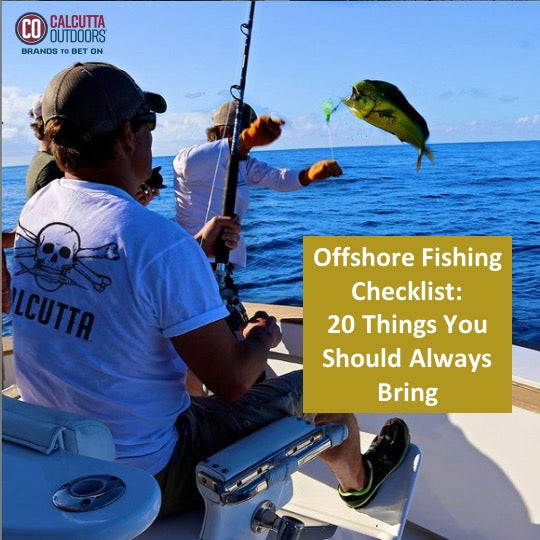
Credit: www.calcuttaoutdoors.com
Electronics And Accessories
A few modern gadgets can enhance your trip, but be careful with valuables around water.
- Phone and Waterproof Case: Your phone is useful for photos, navigation, and emergencies. Use a waterproof pouch with a lanyard for security.
- Portable Power Bank: Long trips can drain your phone battery, especially if you take lots of photos or use navigation apps.
- Headlamp or Flashlight: Early morning or evening trips may end in the dark. A small, hands-free light is handy for finding your way or checking gear.
- Binoculars: Optional, but great for spotting birds, fish, or distant boats.
Extra tip: Download offline maps or the charter’s contact info to your phone in case you lose signal.
Storage And Organization
Space is tight on a fishing boat. Efficient packing helps you find what you need quickly and keeps gear safe from water and damage.
- Dry Bag: Use a waterproof dry bag for all electronics, documents, and spare clothes. Even if the boat stays dry, unexpected splashes can happen.
- Small Backpack or Tackle Bag: Keep your personal items in a soft-sided bag that fits under a seat or in a storage compartment.
- Zip-Top Bags: Useful for separating wet and dry items, storing snacks, or keeping trash contained.
- Lanyards and Clips: Attach keys, tools, and sunglasses to your clothing or bag to prevent losing them overboard.
Non-obvious insight: Label your bags and gear. On group charters, items can look alike and get mixed up easily.
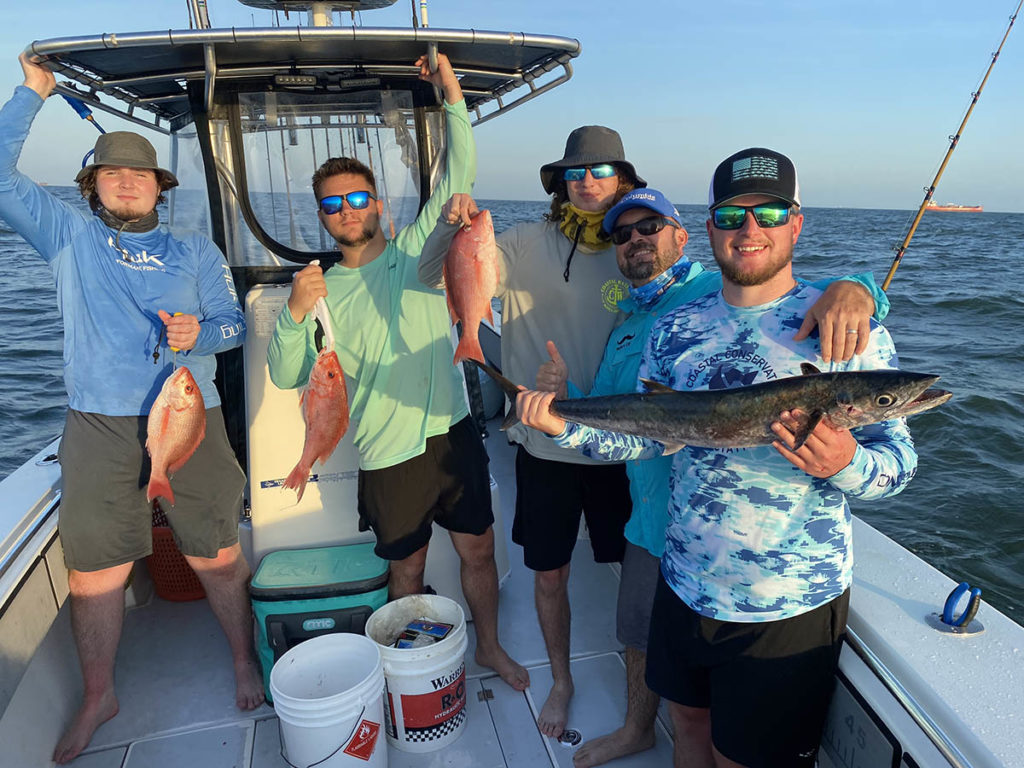
Credit: galvestonseaventures.com
Comfort And Extras
A few small extras can make your trip much more comfortable and enjoyable.
- Towel or Shammy: Handy for drying hands, cleaning up, or sitting on wet surfaces.
- Travel Pillow: If you have a long ride to the fishing grounds, a small pillow can make the journey more relaxing.
- Reading Material or Games: Sometimes there’s downtime while waiting for fish to bite. Bring a waterproof book, cards, or a small game.
- Notebook or Fishing Log: Record your catches, weather, and observations. This helps you learn and remember your best fishing spots.
- Cash for Tips: Most captains and crew work for tips. Bring cash in small bills to show your appreciation for good service.
What Not To Bring
Just as important as what to pack is what to leave at home. Some items are unnecessary, unsafe, or not allowed on most charter boats.
- Glass Bottles: Glass can break easily and is usually prohibited for safety reasons.
- Bananas: Believe it or not, many fishermen consider bananas bad luck on a boat. Superstition aside, they also attract insects.
- Large Coolers: Most charters provide storage for your catch. Oversized personal coolers take up too much space.
- Heavy Perfume or Scented Products: Strong scents can attract bugs or bother other passengers.
- Illegal Substances or Excessive Alcohol: Most charters have strict rules about alcohol and ban illegal drugs completely. Too much drinking is dangerous on the water.
- Expensive Jewelry or Valuables: The risk of losing them outweighs any benefit.
Tip: When in doubt, ask your charter company for a recommended packing list. They know their boat and conditions best.
Sample Charter Fishing Packing Checklist
Here’s a simple sample checklist to help you organize your packing:
| Category | Items to Bring | Notes |
|---|---|---|
| Documents | Fishing license, Photo ID, Charter confirmation | Check local regulations |
| Clothing | Layered clothes, Rain gear, Hat, Sunglasses, Gloves | Dress for changing weather |
| Food & Drink | Water, Snacks, Lunch, Cooler | Hydrate and eat light |
| Fishing Gear | Rod, Reel, Tackle, Tools, Camera | Check what’s provided by charter |
| Safety | PFD, First aid kit, Motion sickness meds | Charter provides basics, bring extras |
| Accessories | Phone, Power bank, Dry bag, Flashlight | Protect electronics from water |
Charter Types And What To Bring
Different types of charter fishing trips require slightly different packing approaches. Here’s a comparison to help you plan.
| Type of Charter | Duration | Key Items to Bring | Special Considerations |
|---|---|---|---|
| Half-Day Inshore | 4-6 hours | Light snacks, water, sun protection | Dress for quick weather changes |
| Full-Day Offshore | 8-12 hours | Lunch, extra water, motion sickness meds | Prepare for rougher seas |
| Overnight / Multi-Day | 24+ hours | Change of clothes, toiletries, pillow, more food | Pack light but thoroughly |
| Specialty (Fly, Kayak) | Varies | Personal gear, specific tackle | Bring familiar equipment |
Packing Tips For Beginners
- Ask the Charter: Before you pack, ask your charter what’s included and what’s recommended. They know local conditions best.
- Check the Weather: Look at the forecast up until the morning of your trip and adjust your clothing choices accordingly.
- Pack the Night Before: Don’t wait until morning. Packing ahead reduces stress and helps you remember important items.
- Use Waterproof Labels: Label your bags and gear in case you misplace something on the boat.
- Double-Check Medications: Bring all necessary medications in original containers, and pack extras in case of delay.
- Leave Room for Your Catch: If you plan to keep fish, bring a cooler for the drive home. Most charters will clean your fish for you.
- Pack Light: Boats have limited space. Only bring what you’ll truly use.
Common Mistakes To Avoid
- Assuming Everything Is Provided: Not all charters supply the same gear. Always check.
- Overpacking: Too much gear clutters the boat and makes moving around harder.
- Ignoring Sun Protection: Sunburn is one of the top complaints after fishing trips. Don’t underestimate the sun’s power on the water.
- Bringing the Wrong Shoes: Flip-flops and sandals are dangerous on wet decks.
- Forgetting Snacks or Water: Hunger or dehydration can ruin your focus and enjoyment.
- Not Preparing for Seasickness: Even if you feel fine on land, boats can surprise you.

Credit: www.guardiancharters.com
Sustainable And Responsible Practices
Charter fishing is about enjoying nature, so it’s important to minimize your impact.
- Bring reusable water bottles instead of single-use plastic.
- Pack out all trash, including fishing line, which can harm wildlife.
- Follow catch and size limits to protect fish populations. Many charters practice catch and release for certain species.
- Respect local regulations and ask your captain about best practices for the area.
For more on responsible fishing, see the guidelines from the NOAA Fisheries.
Frequently Asked Questions
What If I Forget To Bring Something Important?
Most charter operators have some extra gear and basic supplies, but it’s best to pack carefully. If you forget something critical like medication or a fishing license, let the captain know as soon as possible. They may help you find a quick solution or suggest alternatives.
Is It Okay To Bring My Own Fishing Rod And Tackle?
Yes, most charters allow you to bring personal gear, but check first. Some boats have space limitations or rules about certain types of tackle. If you have a rod you love, bring it along, but pack light and only bring essentials.
How Much Should I Tip The Crew After A Charter Fishing Trip?
Tipping is customary and shows appreciation for good service. A common guideline is 15-20% of the trip cost, split among the crew. If you had an exceptional experience, feel free to tip more.
What Happens If The Weather Is Bad?
Charter captains monitor weather closely. If conditions are unsafe, they may cancel or reschedule the trip. If the weather turns rough during your trip, follow the crew’s instructions and prioritize safety. Always check the cancellation policy before booking.
Can I Keep The Fish I Catch?
In many cases, yes, but it depends on local regulations and the species caught. Most charters will clean and bag your catch for you. Some areas have strict size and bag limits or require catch-and-release for certain fish. Your captain will explain the rules and help you stay legal.
Packing for a charter fishing trip doesn’t have to be overwhelming. With a little preparation and the right gear, you’ll be ready to enjoy the adventure, stay comfortable, and focus on what really matters—the joy of fishing and time spent on the water.