
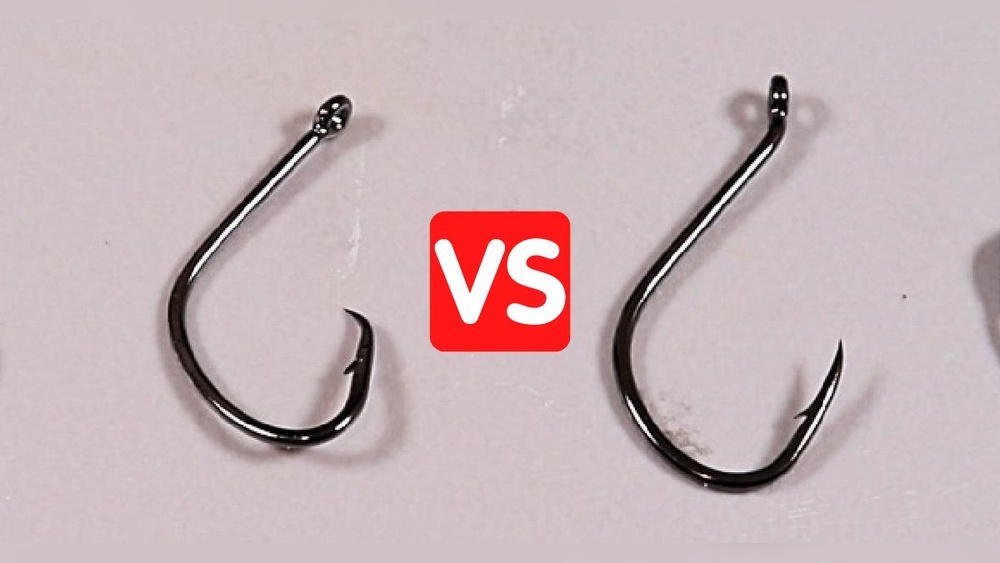
Many anglers, whether new or experienced, often face a crucial choice before heading out to fish: J hook or circle hook? Both types have their own history, shape, and unique advantages. The debate around J hooks versus circle hooks is not just about catching more fish—it’s about conservation, ease of use, and matching the right tool to the right fishing technique. If you want to make smarter decisions and improve your fishing experience, it’s important to understand how each hook works, their benefits, and their potential drawbacks.
Choosing the right hook can mean the difference between catching your target fish, releasing it unharmed, or losing it altogether. Over the past few decades, the fishing community has shifted in many areas toward circle hooks, especially in catch-and-release practices.
However, J hooks remain popular for certain styles, species, and situations. This article will guide you through the details, data, and real-world insights about J hook fishing versus circle hook fishing, so you can decide what works best for you.
What Are J Hooks?
A J hook is the classic hook shape most people picture when they think of fishing. The design is simple: a straight shank, a sharp curved bend, and a point that faces the shank, creating a “J” shape. J hooks have been used for centuries, from simple hand-carved models to today’s high-tech versions.
J hooks come in a variety of sizes and strengths. They are used for everything from freshwater bass fishing to deep-sea saltwater angling. The wide range of sizes, from tiny hooks for panfish to large ones for sharks, shows their versatility.
How J Hooks Work
The way a J hook works is straightforward. When a fish takes the bait, the angler must set the hook—this means pulling the rod sharply to drive the point into the fish’s mouth. If timed well, the J hook penetrates the jaw or mouth area, giving a strong hold. However, if set too late, the fish can swallow the bait, and the hook can lodge deeper, sometimes in the stomach or gills.
Common Uses For J Hooks
- Live bait fishing for species like bass, catfish, and trout
- Artificial lure fishing, such as soft plastics and spinnerbaits
- Bottom fishing where quick hooksets are needed
J hooks are also favored when a fast, aggressive hookset is needed, such as with fast-moving fish or in competitive fishing.
Advantages Of J Hooks
- Versatility: Usable with both live bait and artificial lures.
- Strong hooksets: With a quick pull, J hooks penetrate well.
- Wide range of sizes: Suitable for almost any fish species.
Limitations Of J Hooks
- Deep hooking risk: Fish can swallow the hook, leading to injury or death if released.
- Requires skill: The angler must react quickly to set the hook.
- Not always best for catch-and-release: Can cause more harm if used improperly.
What Are Circle Hooks?
A circle hook is designed with a rounder bend and a point that turns inward toward the shank, almost forming a closed circle. This design is not just for looks—it changes how the hook catches fish.
Instead of relying on a quick, sharp hookset, circle hooks are meant to “self-set. ” When a fish takes the bait and moves away, the hook naturally slides to the corner of the mouth and rotates into position. The angler simply needs to reel in steadily; the fish usually hooks itself.
Circle Hook Variations
Circle hooks come in different styles, such as:
- Offset (where the point and shank are not aligned)
- Inline (point and shank are in the same plane, required by law in some fisheries)
Most are used for bait fishing, especially in saltwater, but they are gaining popularity in freshwater as well.
How Circle Hooks Work
The secret behind circle hooks is their shape. When a fish swallows the bait, the hook rarely catches deep. Instead, as tension is applied (by the fish swimming or the angler reeling), the hook slides out and rotates, catching in the mouth’s corner. This reduces the risk of gut hooking (hooking the fish’s stomach or throat), making it safer for the fish if released.
Common Uses For Circle Hooks
- Saltwater big game fishing (tuna, marlin, sailfish)
- Catch-and-release programs
- Bottom fishing with cut or live bait
Many regulations in places like the U. S. require circle hooks for certain species to improve survival rates.
Advantages Of Circle Hooks
- Less deep hooking: Safer for fish, especially in catch-and-release.
- Self-hooking: Angler often doesn’t need to set the hook.
- Improved survival rates: Studies show higher post-release survival.
Limitations Of Circle Hooks
- Not ideal for lures: Best with bait, not artificial lures.
- Learning curve: Anglers must resist the urge to “jerk” and set the hook.
- Missed strikes: May miss fish if the hook size or bait is not matched well.

Credit: okumafishingusa.com
J Hook Fishing: Techniques And Best Practices
Using J hooks effectively is about timing, bait presentation, and knowing your target species. Here’s how to get better results with J hooks.
Choosing The Right J Hook Size
Matching hook size to the bait and fish species is critical. For small fish, use smaller hooks (size 8 to 2). For larger species, bigger hooks (size 1/0 to 10/0) are needed. Too large a hook will scare off cautious fish; too small may bend or break.
Setting The Hook
The classic J hook technique involves watching the rod tip or line for any twitch. When a bite is detected, the angler quickly pulls the rod upward or to the side. This sudden motion is necessary to drive the sharp point into the fish’s mouth.
Hooking Efficiency
J hooks are very effective for:
- Aggressive feeders like bass, which strike hard and fast
- Fast presentations with moving baits (spinners, crankbaits)
It’s less effective with slow, cautious biters, as they may swallow the bait before the hook is set.
J Hook Modifications
Some anglers file the hook point for extra sharpness or use barbless versions to reduce fish injury. Others use chemically sharpened hooks for better penetration.
Common Mistakes With J Hooks
- Setting the hook too late: Leads to gut hooking.
- Using the wrong size: Causes missed fish or bent hooks.
- Not checking hook sharpness: A dull hook slips off tough fish mouths.
Real-world Example
In bass tournaments, J hooks with soft plastics are the standard. Anglers often set the hook instantly at the first sign of a tap, maximizing hook-ups.
Circle Hook Fishing: Techniques And Best Practices
Circle hook fishing is about patience and letting the hook do the work. Here’s how to use them for best results.
Choosing The Right Circle Hook Size
Circle hooks are sized differently than J hooks. For small bait and fish, sizes 1 to 2/0 are common. For big game, 6/0 to 14/0 are typical. Always match the hook gap to the bait size—the gap should be wide enough to clear the fish’s jaw.
Baiting Techniques
It’s crucial to hook the bait so the circle hook point is exposed. This allows the hook to rotate freely and catch the mouth corner. Burying the point in bait reduces effectiveness.
Letting The Fish Hook Itself
Instead of jerking the rod, simply let the fish swim off with the bait. Begin reeling in steadily. The hook will slide out of the throat and into the mouth’s corner. This “self-hooking” action is why so many conservation programs promote circle hooks.
Hooking Efficiency
Circle hooks excel with:
- Bottom fishing for species like snapper, grouper, and catfish
- Trolling with live or cut bait, where fish often hook themselves
They are less effective with fast-moving lures or when the angler is “jigging” or actively working the bait.
Common Mistakes With Circle Hooks
- Setting the hook aggressively: Can pull the hook out of the fish’s mouth.
- Burying the hook point in bait: Stops the self-setting action.
- Using too small a hook gap: Reduces hookup rates.
Real-world Example
In offshore tournaments, circle hooks are now required for billfish like marlin. Studies show post-release survival rates increase by up to 90% when using circle hooks compared to traditional J hooks.
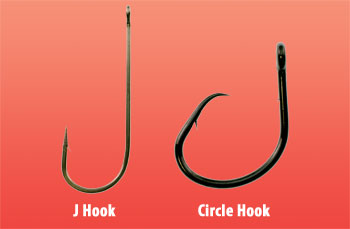
Credit: www.fishingoutlet.com.au
Direct Comparison: J Hook Vs. Circle Hook
To see the differences clearly, it’s helpful to compare both types across important factors.
| Feature | J Hook | Circle Hook |
|---|---|---|
| Hookset Method | Requires quick pull | Self-setting (steady reel) |
| Deep Hooking Risk | Higher, especially with delayed set | Low (mostly mouth corner) |
| Best Use | Lures, aggressive feeders | Bait fishing, catch-and-release |
| Regulation | Fewer restrictions | Often required for conservation |
| Learning Curve | Easy for beginners | Takes practice to avoid jerking |
Scientific Studies And Data
The debate between J hooks and circle hooks isn’t just opinion; it’s backed by research. Here are some key findings:
- Survival Rates: Studies by the National Oceanic and Atmospheric Administration (NOAA) show that fish caught on circle hooks are up to 50% more likely to survive after release.
- Hook Location: Over 80% of fish caught on circle hooks are hooked in the mouth, compared to less than 50% with J hooks.
- Catch Rates: Some studies show similar catch rates for both hooks when used correctly, but circle hooks may miss more fish if the angler sets the hook aggressively.
For more details, see the summary on NOAA Fisheries.
Conservation And Legal Requirements
In recent years, many regions have introduced rules requiring or encouraging circle hook use. This is especially true in saltwater fisheries and for protected species.
Why Conservation Matters
When a fish is gut-hooked (the hook is deep in the throat or stomach), it often bleeds and dies even if released. Circle hooks dramatically reduce this risk, which is why conservation groups and governments favor them.
Where Laws Apply
- United States Atlantic and Gulf coasts: Circle hooks required for some reef and pelagic species.
- International billfish tournaments: Circle hooks are mandatory for bait fishing.
Check local regulations before fishing; using the wrong hook can result in fines or disqualification from tournaments.
When To Use J Hooks
Despite the trend toward circle hooks, J hooks are not obsolete. They are still the best choice in certain situations:
- Artificial lures: Most lures are designed for J hooks, especially in freshwater fishing.
- Aggressive fish: When targeting species that strike fast and hard, a quick hookset is necessary.
- Short strikes: In competitive fishing, missing a bite can mean losing the tournament. J hooks can give an edge in fast-action fishing.
When To Use Circle Hooks
Circle hooks shine in these scenarios:
- Catch-and-release: If you plan to release your catch, circle hooks are safer for the fish.
- Live or cut bait fishing: Especially in saltwater, circle hooks reduce deep hooking.
- Fishing for protected species: Required by law in many places.
Matching Hooks To Species
Different fish species may respond better to one hook type or the other. Below is a quick reference:
| Fish Species | Recommended Hook Type | Reason |
|---|---|---|
| Bass | J Hook | Works well with lures, aggressive strikes |
| Catfish | Circle Hook | Often swallows bait, safer release |
| Snapper | Circle Hook | Conservation laws, mouth-hooking |
| Trout | J Hook | Small lures, light bites |
| Marlin | Circle Hook | Required by law, high survival rates |

Credit: lakerlures.ca
Practical Tips For Beginners
If you’re just starting out, here are some tips that often go unmentioned:
- Practice with both hooks: Spend time using each type to understand their feel and timing.
- Check regulations: Laws change often—always check before heading out.
- Sharpen your hooks: Even new hooks can be dull. A sharp hook means more fish landed.
- Use the right rod and line: A stiff rod helps with J hook sets, while a softer rod works well with circle hooks.
Insights Most Beginners Miss
- Bait presentation matters even more with circle hooks. If the bait covers the hook point, the circle hook can’t rotate and set. Always leave the tip exposed.
- The hook gap is critical. For both types, the space between the hook point and shank (gap) must be wide enough to fit around the fish’s jaw. A hook that’s too small will slide off, especially with thick-jawed fish.
- Fighting style changes. With circle hooks, slow and steady pressure lands more fish. With J hooks, a quick, hard pull is best. Mixing these styles leads to lost fish.
Common Myths About J And Circle Hooks
- Myth: Circle hooks never miss fish.
Fact: If used incorrectly (wrong size, buried point, aggressive hookset), they can miss more fish than J hooks.
- Myth: J hooks always injure fish.
Fact: When used properly and with quick hooksets, mouth-hooking is common, especially in experienced hands.
- Myth: Only experts should use circle hooks.
Fact: Beginners often benefit from the self-hooking design, but must practice the right technique.
Final Thoughts
Both J hooks and circle hooks play important roles in fishing. The best anglers understand when and why to use each one. J hooks remain the go-to choice for lure fishing and aggressive fish, while circle hooks are essential for conservation, bait fishing, and areas with legal requirements.
By understanding the strengths and limitations of each, you can catch more fish, protect the resource, and enjoy your time on the water.
Remember, fishing is not just about the gear—it’s about respect for the environment and the excitement of the chase. Choose the right hook for your technique and conditions, and you’ll not only catch more fish but help ensure the future of the sport.
Frequently Asked Questions
What Is The Main Difference Between A J Hook And A Circle Hook?
The main difference is in the shape and hooking method. J hooks require a quick, strong hookset by the angler, while circle hooks are designed to self-set in the corner of the fish’s mouth as you reel in.
Are Circle Hooks Better For Catch-and-release Fishing?
Yes, circle hooks are widely recommended for catch-and-release because they greatly reduce deep hooking, improving the chances that released fish survive.
Can I Use Circle Hooks With Artificial Lures?
Circle hooks are not ideal with artificial lures. They are best used with live or cut bait. Most lures are designed for J hooks due to the need for quick hooksets.
Do Laws Require The Use Of Circle Hooks?
Many regions, especially in saltwater fisheries, require circle hooks for certain species to protect fish populations. Always check local rules before you fish.
How Do I Know What Hook Size To Use?
Match the hook size to your bait and target fish. For small fish, use small hooks; for big game, use larger sizes. The hook gap should be wide enough to fit around the fish’s jaw for a solid hold.
For more scientific background, visit NOAA Fisheries.