Fishing with lures is both an art and a science. For many, the idea of casting a shiny, colorful object into the water and tricking a fish into biting seems almost magical. Yet, beneath this simple image is a world of strategy, choice, and technique. Lure fishing can be learned by anyone, but becoming good at it takes real understanding. Whether you’re a complete beginner or you’ve tried bait fishing before, learning how to use a lure for fishing will open new possibilities. You can target different species, fish in more places, and often catch bigger and smarter fish. This guide will walk you through everything you need to know—what lures are, how to pick them, how to use them, and how to avoid beginner mistakes.
What Is A Fishing Lure?
A fishing lure is an artificial object designed to attract fish. Unlike live bait, which uses worms or small fish, lures are usually made of plastic, metal, or wood. They come in many shapes, sizes, and colors. Each type moves in the water in a way that mimics the prey of the fish you want to catch.
Lures have hooks attached, and some have parts that flash or make noise. The goal is to trick the fish into thinking the lure is food. When the fish bites, you set the hook and reel it in. Using a lure means you’re active—casting, retrieving, and adjusting your method until you get a bite.
Why Use A Lure Instead Of Bait?
Some anglers prefer live bait for its natural scent, but lures offer several advantages:
- Reusable: Lures can be used many times, saving money in the long run.
- Versatile: You can fish different depths and target many species with the right lure.
- Less Messy: No need to handle worms or cut bait.
- Covers More Water: Lures let you cast farther and try more spots quickly.
- Selective Fishing: You can target bigger or specific fish with certain lures.
Most importantly, lures can be more exciting. You are always learning, adjusting, and actively searching for fish.
Types Of Fishing Lures
Choosing the right lure is the first big step. Here’s a breakdown of the main types, with their strengths and best uses.
| Lure Type | Main Features | Best For |
|---|---|---|
| Spinnerbait | Blade spins to reflect light and make vibration | Bass, pike, murky water |
| Crankbait | Hard body, often with a lip to dive deep | Bass, walleye, covering lots of water |
| Soft Plastic | Flexible, lifelike feel | Bass, panfish, subtle presentations |
| Spoon | Metal, curved to wobble and flash | Trout, pike, salmon |
| Jig | Weighted head, can add soft body | Walleye, bass, vertical fishing |
| Topwater | Floats, makes noise or splashes | Bass, when fish feed near surface |
Knowing the basic types helps you match the right lure with the water, target fish, and conditions.
How To Choose The Right Lure
Picking the right lure can feel overwhelming. Here are the main factors to consider:
1. Target Fish Species
Different fish like different prey. Bass love soft plastics and crankbaits. Pike prefer spinnerbaits or spoons. Trout often go for small spoons or jigs. Research the species in your area.
2. Water Conditions
- Clear Water: Use natural colors and quiet lures.
- Murky Water: Use bright, flashy, or noisy lures to get attention.
- Deep Water: Choose heavier lures that sink.
- Shallow or Weedy Water: Use topwater or weedless designs.
3. Weather And Light
On bright days, subtle colors work best. On cloudy days, bold colors and loud lures can help. Early morning and evening are prime times for topwater lures.
4. Season
Fish behavior changes with the seasons. In spring and fall, fish are often aggressive and will chase fast-moving lures. In summer, slow down and use smaller, more subtle lures.
5. Size And Action
Match the size of your lure to the size of prey fish in the water. A small lure for panfish, a larger one for bass or pike. The way a lure moves (“action”) should mimic what your target fish naturally eats.
Pro Insight: Many beginners only look at color. But shape, size, and action are usually much more important.

Credit: www.performanceequinevs.com
Essential Gear For Lure Fishing
Using lures requires some basic gear. Here’s what you’ll need:
- Fishing Rod and Reel: Spinning rods are easiest for beginners. A 6’–7’ medium-action rod works for most lure fishing.
- Fishing Line: Monofilament is forgiving and cheap. Braided line offers more strength. For most beginners, 8–12 lb test line is a good start.
- Lures: Start with a small selection (see below).
- Snap Swivels: Make it easy to change lures without re-tying.
- Pliers: For removing hooks and fixing gear.
- Tackle Box: Keeps everything organized.
Starter Lure Kit Example
Here’s a simple starter kit for a new angler:
- 2 spinnerbaits (one bright, one dark)
- 2 crankbaits (shallow and deep)
- 1 pack of soft plastic worms
- 2 spoons (one silver, one gold)
- 3 jigs (1/8 oz)
- 1 topwater popper
This covers most situations for lakes and rivers.
Basic Lure Fishing Techniques
Once you have your gear, it’s time to learn how to use a lure. Each type has its own best technique.
Casting And Retrieving
The core of lure fishing is the cast and retrieve. You cast the lure out, then reel it back in. But how you do this matters a lot.
- Steady Retrieve: Reel at a constant speed. Good for crankbaits and spinnerbaits.
- Stop-and-Go: Reel, pause, reel, pause. This imitates injured prey.
- Twitching: Add small jerks with the rod tip. Makes the lure dart like a fleeing fish.
- Burning: Reel in very fast to trigger reaction strikes.
Jigging
Jigs are fished by letting them sink, then lifting and dropping the rod tip to make the lure bounce. This is great for fishing near the bottom.
Topwater Popping
For topwater lures, cast out and use short jerks to make the lure splash. Wait for the water to settle, then repeat. The strikes are visual and exciting.
Trolling
In larger lakes or rivers, you can let your lure trail behind a moving boat. This covers lots of water and works well for pike, walleye, and trout.
Pro Tip: Vary your retrieve speed and style until you find what fish want that day.

Credit: www.wikihow.com
Step-by-step: Using A Lure For Fishing
Let’s break down the process into clear steps. This works for most freshwater lure fishing.
- Pick Your Spot: Look for structure—rocks, weeds, logs, or drop-offs. Fish hide near these.
- Choose Your Lure: Match the conditions and target species.
- Tie On the Lure: Use a snap swivel or tie directly for better action.
- Set Your Drag: Too tight and the line may break; too loose and fish can escape.
- Cast Out: Use a smooth motion. Watch for overhead obstacles.
- Let Lure Sink (if needed): Count a few seconds for deeper lures.
- Start Retrieving: Use one of the techniques above.
- Watch Your Line: Look for twitches or sudden slack. Sometimes fish bite as the lure falls.
- Set the Hook: When you feel a tap or tug, snap the rod up firmly.
- Reel In Steadily: Keep tension. Let the drag work if the fish runs.
- Land the Fish: Use a net or lift carefully. Remove the hook with pliers.
Beginner Mistake: Many new anglers reel too fast or too slow. Practice different speeds to see what works.
Common Lure Fishing Mistakes (and How To Fix Them)
Lure fishing has a learning curve. Here are mistakes many new anglers make:
- Using the Wrong Lure: Always match your lure to the fish and water.
- Fishing Too Fast or Too Slow: The right speed depends on water temperature and fish activity.
- Not Covering Enough Water: Try different spots instead of staying in one place.
- Ignoring Structure: Fish are rarely in open water. Cast near cover.
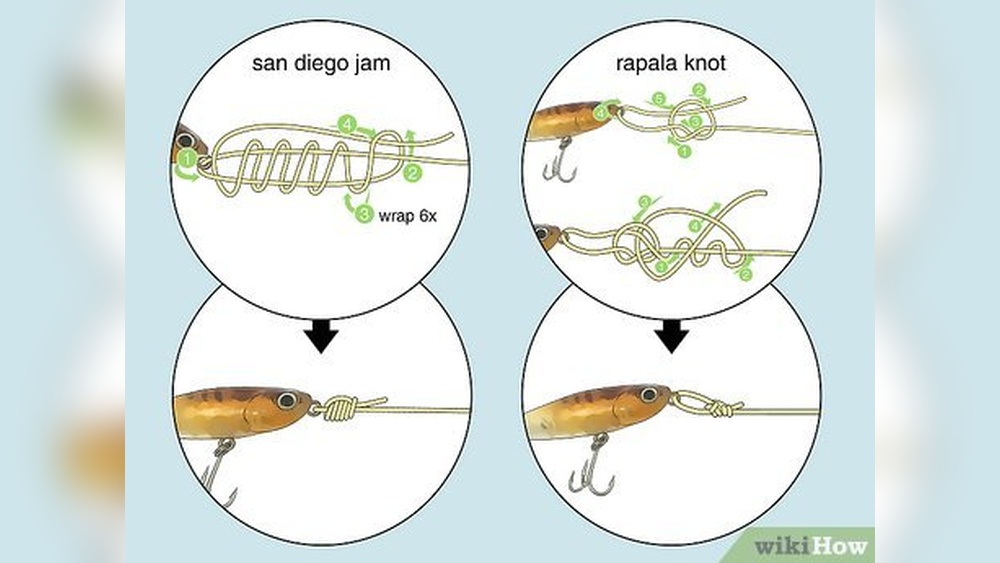
- Bad Knots: Weak knots lose fish. Learn the improved clinch or Palomar knot.
- Overworking the Lure: Sometimes less action is more. Let the lure do its job.
- Not Checking Hooks: Dull hooks miss bites. Sharpen or replace them.
- Fishing at the Wrong Time: Early morning and evening are usually best.
Non-obvious Insight: Subtle bites are easy to miss, especially with soft plastics. Watch your line carefully—sometimes it moves sideways or just stops sinking.
How To Read Water And Find Fish
Knowing where to cast is just as important as which lure you use. Fish relate to their environment in predictable ways.
Structures To Target
- Weed beds: Perfect for pike and bass.
- Drop-offs: Where shallow water suddenly gets deep.
- Rocks and wood: Offer hiding places for ambush predators.
- Current breaks: In rivers, fish wait behind rocks for food.
Seasonal Patterns
- Spring: Fish move shallow to spawn. Use lighter lures near the shore.
- Summer: Fish go deeper to stay cool. Heavier lures or deep-diving crankbaits work.
- Fall: Fish feed aggressively. Cover lots of water with fast retrieves.
- Winter: Fish are slow. Downsize lures and slow your presentation.
Expert Tip: On hot days, look for shady spots or areas with moving water. These hold more oxygen and fish.
Advanced Lure Tactics
As you gain experience, you can try more advanced approaches.
Matching The Hatch
This means choosing a lure that looks like what fish are eating right now. If you see minnows, use a silver crankbait. If there are frogs, try a topwater.
Using Scent And Attractants
Some soft plastics come with scent, or you can add fish attractant. This can make fish hold on longer, giving you more time to set the hook.
Upsizing And Downsizing
If you’re getting small fish, try a bigger lure to target larger ones. If you’re not getting bites, downsize for finicky fish.
Line And Leader Choices
In clear water, a fluorocarbon leader is less visible. For toothy fish like pike, use a wire leader to prevent bite-offs.
Non-obvious Insight: Lure color often matters less than location and action. Focus on getting your lure where fish are, and moving it in a lifelike way.

Credit: coastalreview.org
Lure Maintenance And Storage
Taking care of your lures keeps them working longer.
- Rinse After Use: Especially after saltwater fishing, rinse lures with fresh water.
- Dry Before Storing: Prevents rust on hooks and split rings.
- Organize by Type: Use a tackle box with compartments for easy access.
- Replace Hooks: Swap out rusty or dull hooks.
- Check for Damage: Fix or discard cracked or broken lures.
A well-maintained kit means you’re always ready when the fish are biting.
Lure Fishing Safety Tips
Fishing is fun, but safety matters.
- Wear Sunglasses: Protect your eyes from flying hooks.
- Keep Hooks Covered: Use hook covers or keep lures in a box.
- Be Aware of Others: Look around before casting.
- Use Pliers: Never use your fingers to remove a hook from a fish’s mouth.
- Wear a Life Jacket: When fishing from a boat or near deep water.
Accidents are rare but can be serious, especially with sharp hooks.
Comparing Lure Types For Different Waters
Choosing the right lure isn’t just about the fish—it also depends on the water you’re fishing.
| Water Type | Best Lure Types | Why |
|---|---|---|
| Lake | Crankbait, spinnerbait, soft plastic | Works for both shallow and deep water, covers area quickly |
| River | Jig, spoon, spinner | Handles current, targets fish near structure |
| Pond | Topwater, soft plastic, small spinner | Shallow water, less space, fish are cautious |
| Saltwater | Spoon, large soft plastic, popper | Resistant to corrosion, attracts bigger fish |
Knowing the water helps you narrow down your choices fast.
Frequently Asked Questions
What Is The Best Lure For Beginners?
A spinnerbait is a great choice for beginners. It’s easy to use, works in most waters, and catches many species. A soft plastic worm is also simple and effective.
How Do I Know If I’m Retrieving My Lure Correctly?
Watch for bites and strikes. If you’re not catching fish, try changing your speed or adding pauses. Fish often hit during pauses or changes in action.
Can I Use The Same Lure For All Fish?
No single lure works for every species. However, some, like the jig and spinnerbait, are very versatile. Research your