Organizing fishing tackle may seem simple at first, but it can quickly become a challenge as your collection grows. Most anglers have experienced that moment when they can’t find the right hook, or they discover rusty lures tangled together at the bottom of a messy box.
Proper tackle organization is more than just neatness—it helps you fish more efficiently, protects your equipment, and even saves money by avoiding lost or damaged gear. Whether you fish from shore, a boat, or love weekend trips, a well-organized tackle system will help you spend less time searching and more time catching fish.
This guide will show you how to organize your fishing tackle step by step. You’ll learn how to sort your gear, choose the best storage solutions, and keep everything in top condition. Plus, you’ll discover smart tips that even experienced anglers sometimes overlook.
By the end, you’ll be ready to create a setup that fits your fishing style and keeps your gear ready for any adventure.
Why Organizing Fishing Tackle Matters
Many people believe that organizing tackle is just about neatness, but it offers real benefits that impact your success on the water.
- Saves time: When you know exactly where your hooks, lures, and lines are, you spend less time searching and more time fishing.
- Protects gear: Proper storage keeps your equipment free from rust, tangles, and breakage.
- Improves safety: An organized box reduces the risk of accidental cuts from loose hooks or sharp tools.
- Reduces waste: You’ll avoid buying duplicate items or losing gear, saving money in the long run.
- Boosts confidence: Confidence grows when you’re prepared and can quickly adapt to changing fishing conditions.
Professional anglers often say that preparation is half the battle. A smart system means you’re ready for every fishing scenario, from a quick morning trip to a multi-day adventure.
Sorting Your Fishing Tackle
Before you organize, you need to know exactly what you have. Sorting your tackle is the foundation of any good system.
Step 1: Empty Everything Out
Start by emptying all your tackle boxes, bags, and pockets onto a clean surface. This step helps you see your entire collection at once, including items you might have forgotten. Use a large table, garage floor, or even a tarp.
Step 2: Group Similar Items
Now, group items by type:
- Hooks (by size and style)
- Sinkers and weights
- Lures (crankbaits, spinnerbaits, soft plastics, jigs, etc.)
- Floats and bobbers
- Swivels and snaps
- Lines and leaders
- Tools (pliers, scissors, line cutters)
- Terminal tackle (split rings, beads)
- Bait (artificial or prepared)
- Miscellaneous (license, sunscreen, bug spray)
Grouping lets you spot duplicates and see what’s missing. For example, you may find ten packs of the same worm or discover you’re low on certain sizes of hooks.
Step 3: Check Condition And Clean
Inspect each item. Throw away anything that’s rusty, broken, or unusable. Clean lures with warm water and a brush. Wipe down tools and oil moving parts. Replace damaged line spools or tools. This step prevents future problems and keeps your gear in top shape.
Step 4: Decide What To Keep
Ask yourself:
- Do I use this regularly?
- Does this fit my usual fishing spots and target species?
- Is it in good working order?
If you have items you never use, consider donating them to a local fishing club or youth program.

Credit: www.bassmaster.com
Choosing The Right Tackle Storage
The best storage solution depends on your fishing style, the amount of gear, and how you travel to the water.
Hard Tackle Boxes
Traditional hard tackle boxes are durable and offer good protection. They often have trays and compartments that fold out for easy access.
Pros:
- Excellent protection from water and impact
- Secure latches keep gear inside
- Stackable for storage
Cons:
- Can be heavy and bulky
- Limited flexibility for odd-shaped items
Soft Tackle Bags
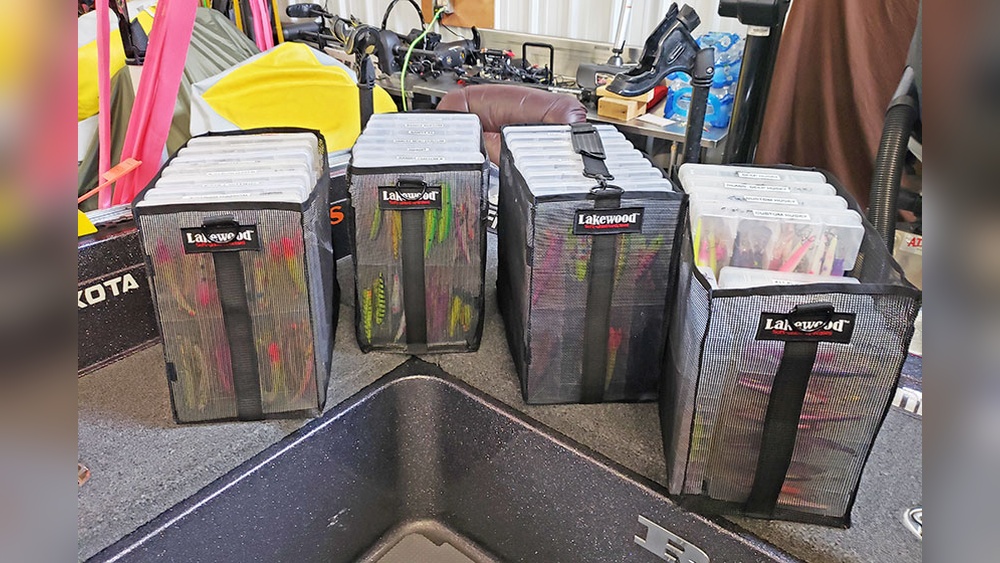
Soft tackle bags use removable plastic boxes and offer flexibility. They often have side pockets for extra tools or personal items.
Pros:
- Lightweight and easy to carry
- Customizable with different box sizes
- External pockets for quick-access items
Cons:
- Less impact protection
- Can soak up water if not waterproof
Tackle Backpacks
For anglers who walk or hike to their spots, tackle backpacks are a great choice. They distribute weight evenly and often include rod holders.
Pros:
- Hands-free transport
- Great for shore and kayak fishing
- Multiple compartments for organization
Cons:
- Can be less stable on a boat deck
- May not fit very large items
Utility Boxes
Clear plastic utility boxes (like Plano or Flambeau) have adjustable dividers and fit inside bags or boxes. They’re perfect for sorting small items.
Pros:
- Easy to see contents
- Customizable compartments
- Stackable and affordable
Cons:
- May crack if dropped
- Not always waterproof
Comparison: Hard Box Vs. Soft Bag Vs. Backpack
Here’s a quick comparison to help you choose:
| Storage Type | Protection | Portability | Capacity | Best For |
|---|---|---|---|---|
| Hard Box | High | Low | Medium-High | Boat anglers, big gear collections |
| Soft Bag | Medium | High | Medium | Shore anglers, flexible use |
| Backpack | Medium | Very High | Medium | Hiking, kayak fishing |
Waterproof And Specialty Cases
If you fish in rain or saltwater, waterproof boxes protect from rust and moisture. Specialty boxes for fly fishing, ice fishing, or big game gear are also available.
Pro Tip: Use silica gel packets or anti-rust tabs in your tackle boxes to absorb moisture and prevent corrosion.
Organizing Tackle Inside Boxes And Bags
Once you’ve chosen your storage, it’s time to organize everything inside.
Hooks And Terminal Tackle
Use small divided boxes for hooks, sinkers, and small parts. Label each compartment with size or type. This prevents mixing and makes it easy to grab what you need.
Non-obvious insight: Store hooks in foam, cork, or magnetic strips inside the box. This keeps them from spilling and dulling.
Lures
Sort lures by type and size. For example, keep all crankbaits together, separated by shallow, medium, and deep divers. Soft plastics should stay in their original bags or be organized by color and style.
Example:
- Topwater lures in one compartment
- Jigs and spinnerbaits in another
- Soft plastics in resealable bags
Lines And Leaders
Keep extra line spools in a dry, dark place. Use a small box for leaders, or wrap them on foam boards to prevent tangling.
Tools And Accessories
Place essential tools like pliers, scissors, and fish grips in outside pockets or a quick-access pouch. Add a small first aid kit, sunscreen, and a measuring tape.
Personalized Systems
Some anglers use color codes or labels. For example, blue for freshwater, red for saltwater, or stickers for different species. Find a system that’s easy for you to remember.
Quick-access Items
Always keep a few must-have items easy to reach—pliers, knife, favorite lures, and a spare leader.
Pro Tip: Use a lanyard or retractable cord for tools so you don’t drop them in the water.
Seasonal And Trip-based Organization
Fishing changes with the season, and your tackle should too.
Seasonal Switch-out
In spring, you may use lighter lures and smaller hooks. Summer might mean topwater baits and heavier lines. Fall and winter call for different colors or presentations.
How to adapt:
- At the start of each season, review your tackle and swap out items you won’t use.
- Store off-season gear in labeled bins at home to reduce clutter in your main box.
Trip-specific Kits
Prepare small kits for specific trips—like a pond kit, a saltwater kit, or a night fishing kit. This saves time packing and ensures you don’t forget important items.
Non-obvious insight: Pre-pack emergency supplies like rain ponchos, extra batteries, or insect repellent in your tackle bag for unexpected changes in weather or conditions.
Managing Extra And Backup Tackle
Most anglers collect more gear than they need for one trip. Here’s how to keep extras organized:
- Use clear plastic bins for home storage.
- Label bins by type: “Bass Lures,” “Saltwater Rigs,” “Fly Tying Supplies,” etc.
- Keep an inventory list or simple spreadsheet to track what you have.
- Rotate items into your main box as needed.
This method prevents your main tackle setup from getting overloaded and messy.

Credit: www.saltstrong.com
Keeping Tackle Rust-free And Safe
Rust is the enemy of fishing tackle, especially hooks and metal lures. Here’s how to keep everything in good shape:
- Dry gear before storage. After each trip, open boxes and let them air out.
- Use anti-rust strips or silica gel packets in boxes.
- Rinse saltwater gear with fresh water before storing.
- Store tackle in a cool, dry place away from direct sunlight.
Pro Tip: Check your gear every few months, even in the off-season, to catch rust or damage early.
Tackle Organization For Different Fishing Styles
Bank And Shore Fishing
You need to travel light. Use a small bag or box with only essentials—hooks, a few lures, sinkers, bobbers, and one or two tools.
Tip: Choose a waterproof fanny pack or sling bag for wading or wet conditions.
Boat Fishing
Space is less of an issue. Use a larger box or bag with full-size utility boxes. Secure tackle so it doesn’t slide around or spill if the boat rocks.
Tip: Bring backups of key lures or hooks in case of loss.
Kayak Fishing
Weight and space matter. Use a compact box or backpack. Attach tools with lanyards and keep everything within arm’s reach.
Tip: Use small, waterproof boxes for valuables like keys or your phone.
Fly Fishing
Use a specialized fly box with foam or magnetic strips. Keep flies dry and separated by size and type. Store leaders and tippets in a small pouch.
Tip: A vest with multiple pockets works well for on-the-go fly anglers.
Ice Fishing
Cold conditions require extra care. Use insulated boxes to prevent gear from freezing. Keep essentials like augers and scoops in a separate bin.
Tip: Store hand warmers and gloves in your tackle box for emergencies.
Common Mistakes And How To Avoid Them
- Overloading your box: Too much gear makes it hard to find what you need. Bring only what you’ll use.
- Mixing wet and dry gear: Always dry gear before storing. Mixing causes rust and mold.
- Ignoring maintenance: Check tackle regularly for rust, dull hooks, and broken parts.
- Using random containers: Specialized tackle boxes prevent tangling and protect gear better than old coffee cans or bags.
- Forgetting trip essentials: Keep a checklist for each trip to avoid missing pliers, licenses, or sunscreen.
- Not adapting for conditions: Adjust tackle for the weather, season, and fishing location.
Advanced Tips For Tackle Organization
- Digital inventory: Take photos or make a spreadsheet of your tackle. This helps when shopping or planning trips.
- Custom foam inserts: Use foam sheets to create custom slots for lures or tools. This prevents damage in transit.
- Magnetic strips: Glue a small magnetic strip inside your box to hold hooks and jig heads securely.
- DIY lure wraps: Use Velcro wraps or small zip pouches for pre-rigged lures or leader setups.
- Color coding: Use colored tape or stickers to mark boxes for quick identification.

Credit: midwestoutdoors.com
Sample Packing List For A Day Trip
Here’s an example of a well-organized tackle setup for a one-day freshwater fishing trip:
| Category | Items |
|---|---|
| Hooks | Size 4, 6, and 8 hooks (10 each) |
| Weights | Split shot, egg sinkers |
| Lures | 2 crankbaits, 2 spinnerbaits, 1 pack soft plastics |
| Floats | 2 bobbers |
| Tools | Pliers, line cutter, measuring tape |
| Accessories | Small first aid kit, sunscreen, license |
| Extras | Spare leader, anti-rust tab, rain poncho |
Adjust the list for your target species and location.
Maintaining Your System Over Time
Organization isn’t a one-time task. Make it a habit to:
- Review and clean tackle after each trip.
- Restock items that run low.
- Update your system with new gear or techniques.
- Share or donate unused items to keep your main kit lean.
This routine keeps your tackle box ready and prevents clutter from returning.
Where To Learn More
For more detailed information about fishing tackle and gear organization, you can visit the official resources at the Take Me Fishing website. They offer practical guides and tips for anglers at all levels.
Frequently Asked Questions
How Often Should I Reorganize My Fishing Tackle?
It’s best to reorganize your tackle at the start and end of each fishing season. Check for damaged gear after every trip, especially if you fish in saltwater or rain. Regular maintenance saves time and prevents surprises.
What’s The Best Way To Prevent Rust In My Tackle Box?
The most effective ways are to dry all gear before storage, use silica gel packets or anti-rust strips, and keep your tackle box in a cool, dry place. Rinse saltwater gear with fresh water before putting it away.
How Do I Organize Soft Plastics?
Keep soft plastics in their original packaging to prevent drying out or color bleeding. Group them by type and color in resealable plastic bags or dedicated soft plastic binders. Store them flat to avoid bending.
Should I Use One Big Box Or Several Small Boxes?
It depends on your fishing style. Several small boxes let you customize gear for each trip