
Fishing is a blend of patience, technique, and the right equipment. Among all the gear an angler owns, the fishing rod is one of the most important. Choosing the right rod can make the difference between a great day on the water and a frustrating one. Two of the most popular materials for fishing rods are fiberglass and graphite. Each has its own strengths and weaknesses, and the “best” option depends on your style, target species, and even your local waters. In this article, you’ll discover the true differences between fiberglass and graphite fishing rods. You’ll learn not just the basics, but also the subtle details that most beginners miss. If you’ve ever felt confused by the endless debate or marketing claims, this guide will clear things up and help you make an informed choice.
What Are Fiberglass And Graphite Fishing Rods?
Before comparing them, it’s important to understand what these rods are made of and how they’re constructed.
Fiberglass fishing rods are made from glass fiber threads bonded with resin. This material has been used since the 1950s and is known for its durability and flexibility. Fiberglass rods are often heavier and thicker but can handle a lot of abuse.
Graphite fishing rods (sometimes called carbon fiber rods) are made from sheets of carbon fiber, which are rolled and baked in high heat. They’re lighter, stiffer, and more sensitive than fiberglass rods. Graphite rods first appeared in the late 1970s and quickly became popular for their performance.
Both types come in different lengths, powers, and actions, but the material at their core shapes how they feel and perform.
Key Differences: Fiberglass Vs Graphite
Understanding the differences between these two rod types can help you choose wisely. The table below summarizes their main characteristics.
| Feature | Fiberglass Rods | Graphite Rods |
|---|---|---|
| Weight | Heavier | Lighter |
| Sensitivity | Low to Moderate | High |
| Durability | Very High | Moderate |
| Action | Slower | Faster |
| Price | Lower | Higher |
Let’s look deeper into each factor.
Weight
Graphite rods are much lighter than fiberglass rods. This is a big advantage if you fish all day, as less weight means less fatigue. If you’re casting hundreds of times, a lighter rod is simply more comfortable.
Fiberglass rods are heavier. This can be tiring for long sessions, but the extra weight can help when fighting strong, heavy fish, especially in saltwater.
Sensitivity
Sensitivity is how well you feel vibrations and bites through the rod. Graphite rods are known for their high sensitivity. They transmit even the smallest nibble up the blank and into your hand. This helps you react quickly, especially with shy or light-biting fish.
Fiberglass rods are less sensitive. They absorb more shock and vibration, which can be a drawback if you need to detect subtle bites. However, this makes them more forgiving for beginners who may not have perfect timing.
Durability
Fiberglass rods are famous for being nearly unbreakable. They bend without snapping, making them ideal for fishing in tough conditions, around rocks, or for large, hard-fighting species like catfish or muskie.
Graphite rods are strong but more brittle. They can break if overloaded or knocked against hard surfaces. Many anglers have snapped graphite rods by accident, especially when high-sticking (lifting a fish by raising the rod too high).
Action And Power
Action describes how much and where a rod bends. Fiberglass rods usually have a “slow” or “moderate” action, bending more deeply and smoothly. This makes them good for fighting big fish and for using certain lures, like crankbaits.
Graphite rods tend to have a “fast” or “extra-fast” action. They bend mostly at the tip, which gives better hook-setting power and more accurate casts.
Power is the rod’s strength or lifting ability. Both materials come in a range of powers, but fiberglass rods are more forgiving, while graphite rods are stiffer and more powerful for their weight.
Price
Fiberglass rods are generally cheaper to make, so they cost less. This makes them a good choice for beginners or those on a budget.
Graphite rods are more expensive due to the complex manufacturing process and raw material cost. High-end graphite rods can be very pricey, but many anglers feel the performance is worth it.

Credit: fishinglifestyle.net
Performance In Different Fishing Scenarios
Choosing between fiberglass and graphite depends on the kind of fishing you do. Let’s look at some common situations.
Bass Fishing
Most bass anglers prefer graphite rods. The high sensitivity helps feel light bites and structure on the bottom. The fast action means you can set the hook quickly, which is important for lures like plastic worms or jigs. However, some topwater or crankbait specialists still use fiberglass rods because their slower action prevents pulling the lure away too soon and keeps fish hooked.
Saltwater Fishing
In saltwater, toughness matters. Many fiberglass rods are used for trolling or bottom fishing in saltwater because they withstand abuse from big fish and rough conditions. For inshore fishing, where casting and sensitivity are important, lighter graphite rods are common.
Trout And Panfish
For small species like trout or bluegill, graphite rods are usually better. Their lightweight build and sensitivity make fishing with light lines and small lures more enjoyable. However, in some streams with heavy cover or when using live bait, a soft fiberglass rod can work well.
Trolling
Trolling puts steady pressure on rods. Fiberglass rods shine here because their flexibility absorbs the constant pull of the lure and sudden strikes without breaking. They’re a classic choice for trolling in both fresh and saltwater.
Heavy Cover Or Structure
Fishing in thick weeds, timber, or rocks requires strength and shock absorption. Fiberglass rods are less likely to break and can haul big fish out of cover. Graphite rods can work too, but care is needed to avoid breakage.
Advantages Of Fiberglass Fishing Rods
- Exceptional durability – These rods can take hard knocks and still perform. If you’re tough on gear or fish in rocky areas, fiberglass is forgiving.
- Smooth, deep bend – The rod flexes all the way down, making it easier to fight fish and use certain lures.
- Great for crankbaits and reaction lures – The slower action keeps fish hooked and helps prevent tearing hooks out during a fight.
- Lower cost – Fiberglass is more affordable, so you can get a reliable rod without spending a lot.
- Good for beginners – The forgiving nature covers mistakes. If your timing isn’t perfect, you’ll lose fewer fish.
- Tolerates heavy lines and big fish – Even with heavy monofilament or braided line, a fiberglass rod resists breaking.
Advantages Of Graphite Fishing Rods
- Lightweight for all-day use – Less fatigue when casting or holding the rod for hours.
- High sensitivity – Every tap, bite, or bump is felt clearly, helping you react faster.
- Faster action for quick hooksets – The rod snaps back quickly, driving the hook home.
- Better casting accuracy – The stiffness gives more control over lure placement.
- Wide range of actions and powers – You can find a graphite rod for any technique, from ultralight to heavy flipping sticks.
- Modern technology – Many high-end rods use blended graphite for even more performance.
Disadvantages Of Fiberglass Fishing Rods
- Heavier feel – Can cause tired arms after long use.
- Lower sensitivity – Harder to detect soft bites, especially in deep water.
- Bulkier design – Thicker rod blanks can be less comfortable, especially for finesse techniques.
- Less accurate casting – The flexible blank doesn’t always put the lure exactly where you want.
- Not ideal for all lure types – Some fishing methods (like soft plastics or jigs) work better with graphite.
Disadvantages Of Graphite Fishing Rods
- Can be brittle – More likely to snap if overloaded or mishandled.
- Higher cost – Quality graphite rods are often expensive.
- Less forgiving – Mistakes in timing or hookset can mean lost fish.
- Prone to damage – Collisions with boats, rocks, or doors can crack or break the blank.
- Overkill for some techniques – For trolling or basic bait fishing, the extra sensitivity and cost may not be needed.
How To Choose: Key Questions To Ask
Before buying, consider these questions to find the best fit:
- What kind of fish are you targeting?
- Will you mostly cast, troll, or bottom fish?
- How often do you fish, and for how long?
- Do you need maximum sensitivity, or is durability more important?
- What’s your budget?
Your answers will guide your choice. For example, if you’re a weekend angler who loves crankbaits and fishes around rocks, a fiberglass rod could be perfect. If you chase bass with jigs and want to feel every bump, a graphite rod is the way to go.
Real-world Examples And Insights
Many anglers own both types and switch based on conditions. Here are two scenarios that show why one might be better than the other.
Example 1:
Sarah loves bass fishing in weedy lakes. She uses a graphite rod for most lures, but when fishing crankbaits over submerged grass, she switches to a fiberglass rod. The softer action means fewer lost fish and more confidence, even when a bass dives into cover.
Example 2:
Mike trolls for salmon in the Pacific Northwest. His fiberglass rods bend deeply, absorbing every surge without breaking. He once tried graphite but broke two rods in one season. For his style, durability is more important than sensitivity.
Non-obvious insight: Many beginners think sensitivity is always better, but for some lures (like crankbaits), too much sensitivity can lead to missed fish. The rod’s ability to “give” during a strike keeps hooks in place.
Another overlooked point: Rod guides (the small rings on the blank) are matched to the material. Heavier fiberglass rods often have tougher, larger guides. If you switch materials, check that your guides match the line and technique you use.
Technology And Trends
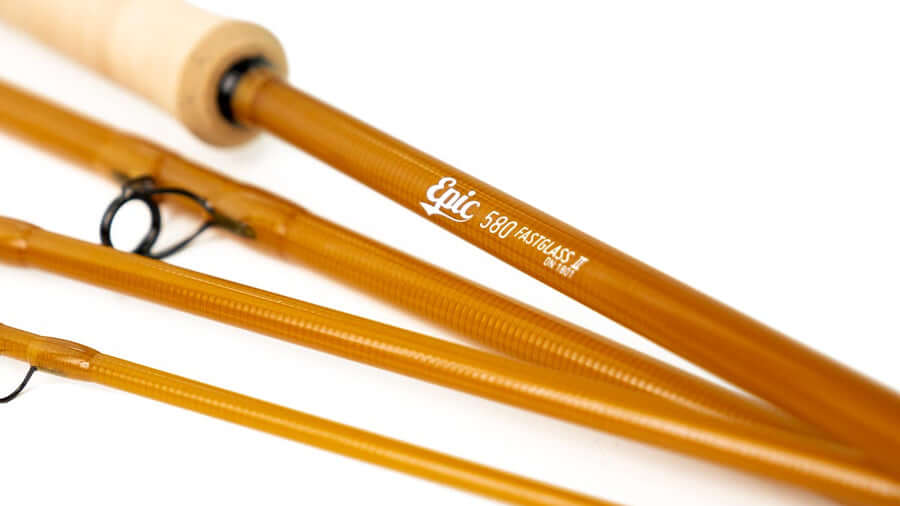
Modern rods sometimes blend fiberglass and graphite to get the best of both worlds. These “composite” rods offer a balance of sensitivity and toughness. They’re popular for muskie fishing, inshore saltwater, and even for crankbait specialists. If you’re unsure which material is right, a composite rod can be a good middle ground.
Manufacturers also use different grades of graphite, measured in “modulus. ” Higher modulus means lighter and stiffer rods, but also more brittle. Don’t assume the highest modulus is always best—sometimes a medium-grade graphite is stronger and more durable for everyday fishing.
Credit: www.epicflyrods.com
Environmental And Maintenance Factors
Fiberglass rods are generally more resistant to saltwater and don’t corrode as easily. Their simple construction makes them easier to clean and maintain.
Graphite rods need more care. Rinse them well after saltwater use and check for nicks or cracks. Even a small scratch can turn into a break under pressure.
If you fish in extreme cold, fiberglass rods are less likely to snap. Graphite can become brittle in freezing temperatures, so take extra care if you fish in winter.
Price Comparison
To give you a sense of cost, here is a typical price range for each rod type.
| Rod Type | Entry-Level Price | Mid-Range Price | High-End Price |
|---|---|---|---|
| Fiberglass | $20 – $40 | $40 – $80 | $80 – $150 |
| Graphite | $40 – $70 | $70 – $150 | $150 – $500+ |
Prices vary by brand, length, and features, but this gives you a realistic idea. You can find good fiberglass rods for less, while high-end graphite models reach several hundred dollars, especially from well-known brands.
Which Material Lasts Longer?
Durability isn’t just about breaking strength. It’s also about how the rod holds up over years of use, storage, and transport.
- Fiberglass rods can last decades with basic care. They’re less affected by sun, salt, or drops.
- Graphite rods can last a long time, but only if handled with care. Sudden impacts, car doors, or even stepping on the rod can cause hidden cracks. Many anglers report their graphite rods breaking unexpectedly after a few seasons, while their old fiberglass rods keep going strong.
Tip: Store any rod in a padded case and avoid high heat (like inside a car trunk). This extends lifespan, especially for graphite.
Myths And Misconceptions
Let’s clear up some common myths:
- Myth: Graphite rods are always better.
- Fact: It depends on your fishing style and needs. Sometimes fiberglass is best.
- Myth: Fiberglass rods are just for kids or beginners.
- Fact: Many pro anglers use fiberglass for specific techniques, especially with crankbaits or in saltwater.
- Myth: Graphite rods are weak.
- Fact: They’re strong for their weight but need proper handling. Modern graphite is much better than old versions.
- Myth: You must spend a lot for a good rod.
- Fact: Many affordable rods perform well, especially if you match material to your technique.

Credit: everestkitchennc.com
How To Care For Your Rod
No matter the material, proper care keeps your rod performing well.
- Rinse after saltwater use to remove grit and salt.
- Check guides for grooves or cracks—damaged guides can cut your line.
- Store rods horizontally or vertically, not leaning at an angle.
- Avoid high heat or sunlight for long periods.
- Transport rods in a case to prevent accidental breaks.
A well-cared-for rod can last many years, providing value beyond the initial investment.
Popular Brands And Models
Some popular fiberglass rod brands include:
- Ugly Stik (Shakespeare)
- Eagle Claw
- Daiwa
Top graphite rod brands include:
- St. Croix
- G. Loomis
- Abu Garcia
- Shimano
Each brand offers a range of models at different price points. Try to handle a few rods in-store if possible, as feel is just as important as specifications.
When To Use Each Type
To summarize, here are some typical uses for each rod:
Fiberglass rods:
- Trolling for salmon, walleye, or muskie
- Fishing with crankbaits or spinnerbaits
- Heavy cover fishing for catfish or carp
- General use by beginners or kids
Graphite rods:
- Bass fishing with plastic worms, jigs, or finesse lures
- Trout or panfish with ultralight setups
- Saltwater inshore fishing where long, accurate casts are needed
- Situations where maximum sensitivity is required
Quick Reference Comparison
Here’s a simple comparison for quick reference:
| Feature | Best for Fiberglass | Best for Graphite |
|---|---|---|
| Sensitivity | Low | High |
| Durability | Very High | Moderate |
| Weight | Heavier | Lighter |
| Best Use | Trolling, Crankbaits | Bass, Finesse, Trout |
| Price Range | Lower | Higher |
The Bottom Line
Choosing between fiberglass and graphite fishing rods doesn’t have to be difficult. Think about your fishing style, target species, and budget. If you want something that lasts and you fish in tough conditions, fiberglass is a great bet. If you love sensitivity and all-day comfort, graphite is hard to beat.
Don’t be afraid to own both types. Many experienced anglers do, switching rods based on technique, lure, or fish. There is no “best” rod for everyone—just the best rod for you.
For more details on fishing rod materials and technology, check out this Wikipedia article on fishing rods.
Frequently Asked Questions
What Is The Main Difference Between Fiberglass And Graphite Rods?
The main difference is in their weight and sensitivity. Graphite rods are lighter and more sensitive, letting you feel bites easily. Fiberglass rods are heavier but much more durable and forgiving, which is helpful for beginners or tough fishing.
Which Rod Is Better For Beginners?
Most beginners do well with fiberglass rods because they are durable, affordable, and forgiving. They handle mistakes better and are less likely to break if misused.
Can I Use The Same Rod For All Fishing Techniques?
You can use one rod for many techniques, but you’ll get better results by matching the rod to your style. For example, graphite rods excel with finesse lures and sensitive bites, while fiberglass rods are better for trolling or crankbaits.
Do Fiberglass Rods Last Longer Than Graphite Rods?
Yes, in most cases, fiberglass rods last longer. They resist breaking from knocks, drops, or overloading. Graphite rods can last if cared for but are more prone to damage from impacts.
Are Composite Rods A Good Compromise?
Composite rods combine fiberglass and graphite. They offer a mix of sensitivity and durability, making them a popular choice for anglers who want the best of both worlds. Many pros use composite rods for their versatility.