Fishing is one of the oldest ways people get food, relax, and connect with nature. Some people buy their equipment, but making your own fishing gear can be rewarding, cheaper, and even more effective. If you’re new to fishing or just want to try something different, learning how to make fishing gear gives you control over your tools and can improve your catches.
This guide will walk you through making basic gear, from rods and lines to hooks, floats, and bait. You’ll discover practical tips, step-by-step instructions, and even some insights most beginners miss.
Understanding The Basics Of Fishing Gear
Before making fishing gear, it helps to know the main parts and their jobs. The most common gear includes:
- Fishing rod: The pole used to cast and control the line.
- Fishing line: The string attached to the rod that holds the hook and bait.
- Hook: The small, sharp metal piece that catches the fish.
- Float (bobber): Keeps the bait at a set depth and shows when a fish bites.
- Sinker (weight): Helps the bait sink to the right spot.
- Bait: The food or lure that attracts fish.
Each part matters. Homemade gear can be simple, but with careful choices and methods, you can fish almost anywhere.
Making A Simple Fishing Rod
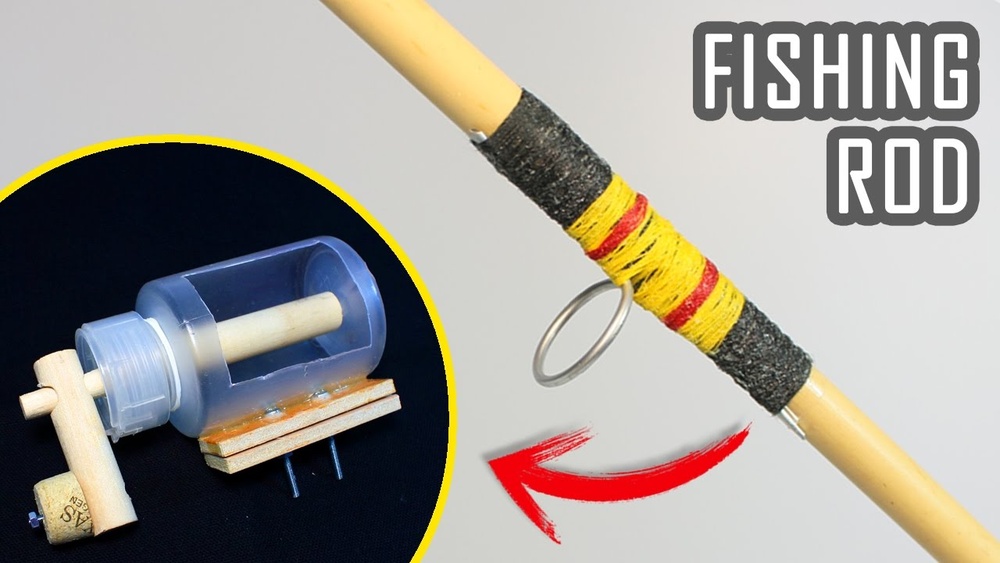
A fishing rod is key for casting the line and controlling the fish. Homemade rods can be made from many materials. Let’s look at how to make a basic rod.
Materials Needed
- A straight, strong stick (bamboo, hardwood, or even a PVC pipe)
- Sandpaper
- Knife or saw
- String or tape (for attaching the line)
- Optional: Cork or foam for a handle
Steps To Make A Fishing Rod
- Choose your stick: Pick one about 6–8 feet long. It should be straight and not too heavy.
- Smooth the stick: Use sandpaper to remove rough spots and splinters.
- Trim the ends: Cut the stick to your desired length and sharpen the tip slightly if needed.
- Add a handle: Wrap cork, foam, or cloth around one end for comfort.
- Attach the line: Tie or tape the fishing line to the tip. Some people add eyelets (small rings) along the rod for smoother casting, but it’s optional for basic rods.
A homemade rod will work for many types of fish, especially in ponds, rivers, and lakes.
Choosing And Making Fishing Line
The fishing line connects you to the fish. Its strength and type are important.
Types Of Fishing Line
- Monofilament: Stretchy, easy to tie, popular for beginners.
- Braided: Strong, less stretch, good for bigger fish.
- Fluorocarbon: Invisible in water, sinks easily.
For homemade gear, you can use store-bought fishing line or improvise:
- Nylon thread: Strong sewing thread can work for small fish.
- Dental floss: Surprisingly tough, but avoid mint flavors.
- Twine or string: Use if fishing for bigger fish, but it can be visible and scare them.
How To Make A Fishing Line
If you don’t have fishing line, follow these steps:
- Cut the thread or twine to about 6–8 feet (for short rods).
- Test the strength by pulling hard—if it breaks easily, use a thicker material.
- Tie one end to the rod tip, and the other will hold the hook.
Non-obvious insight: Beginners often forget to check line strength. Always test before fishing to avoid losing your catch.
Making Fishing Hooks
Fishing hooks are tricky but possible to make at home.
Materials
- Safety pins
- Paper clips
- Thin wire
- Pliers
- File or sandpaper
Steps To Make A Hook
- Shape the wire: Use pliers to bend a safety pin or paper clip into a “J” shape.
- Sharpen the tip: File the end to a point, but be careful not to hurt yourself.
- Create an eye: Bend a small loop at the top for attaching the line.
- Check strength: Press gently to see if it bends. If so, try a thicker wire.
Homemade hooks work well for small fish. For bigger fish, buy strong, sharp hooks.
Extra tip: Homemade hooks can rust quickly. Dry them after fishing and store somewhere dry.
Making Floats (bobbers)
Floats keep the bait at a set depth and show when a fish bites.
Materials
- Corks
- Foam pieces
- Bottle caps
- Small balloons
- Toothpicks or skewers
Steps To Make A Float
- Cork float: Push a toothpick through a wine cork. Tie your line to the toothpick.
- Foam float: Cut a small foam piece, poke a hole, and thread your line.
- Bottle cap float: Drill or poke a hole in the cap, add a stick or toothpick, and tie the line.
Floats can be bright-colored so you see them easily.
Beginner mistake: Using floats that are too heavy can pull your bait down. Keep them small and light.
Making Sinkers (weights)
Sinkers help your bait reach the right depth.
Materials
- Small rocks
- Nuts and bolts
- Washers
- Clay
Steps To Make A Sinker
- Rock sinker: Wrap the fishing line around a small rock. Tie tightly.
- Metal sinker: Thread your line through a washer or nut.
- Clay sinker: Shape clay into a small ball and poke a hole through it. Let it dry.
Check that your sinker is heavy enough to sink the bait but not too heavy for your line.

Credit: www.floridasportsman.com
Creating Homemade Bait
Bait attracts fish and can be made from many things you find at home.
Types Of Bait
- Worms: Dig in moist soil near plants.
- Bread balls: Roll bread into tight balls.
- Corn kernels: Cheap and easy.
- Cheese pieces: Some fish love cheese.
- Dough: Mix flour and water, add a pinch of sugar.
How To Prepare Homemade Bait
- Worms: Keep them in moist soil until fishing. Hook gently through the end.
- Bread and dough: Roll into small balls that fit your hook.
- Corn and cheese: Cut to size and push onto the hook.
Pro tip: Some fish are picky. Try different baits until you see what works best.
Making Simple Lures
Lures attract fish by movement and color. You can make easy lures at home.
Materials
- Spoon handles
- Bottle caps
- Shiny beads
- Feathers
- Thread
Steps To Make A Lure
- Spoon lure: Cut a spoon handle, drill a hole at each end, and attach a hook and line.
- Bottle cap lure: Flatten a bottle cap, add holes, attach a hook and line.
- Bead lure: Thread colorful beads and feathers onto your line above the hook.
Homemade lures don’t last as long as store-bought ones but can be fun and effective.
Non-obvious insight: Lures work best in clear water or where fish rely on sight to find food.
Assembling Your Homemade Fishing Gear
Now you can put your homemade parts together:
- Tie the line to your rod tip.
- Add a float about 1–2 feet from the hook.
- Attach a sinker just above the hook.
- Add your bait or lure to the hook.
Test your gear in water. Watch the float and be ready to pull when you see movement.
Comparing Store-bought Vs Homemade Fishing Gear
Let’s look at how homemade gear compares to store-bought options.
| Feature | Homemade Gear | Store-Bought Gear |
|---|---|---|
| Cost | Very low | Higher |
| Durability | Often lower | High |
| Customization | High | Medium |
| Ease of Use | Varies | Easy |
| Availability | Anytime | Store-dependent |
For beginners, homemade gear is great for learning and experimenting. If you want to catch bigger fish or fish often, store-bought gear is stronger and lasts longer.
How To Make A Fishing Gear Kit For Beginners
If you’re starting out, it’s smart to build a basic kit. Here’s what you should include:
- Rod: Homemade stick or bamboo.
- Line: Nylon thread or fishing line.
- Hooks: Safety pin or wire.
- Floats: Cork or foam.
- Sinkers: Small rocks or washers.
- Bait: Worms, bread, or dough.
- Lures: Bottle cap or spoon.
- Small box: To keep everything organized.
Try to keep your kit light and easy to carry. A small backpack works well.
Safety Tips When Making Fishing Gear
Safety is important, especially when working with sharp tools or fishing hooks.
- Always use pliers to bend wire, not your hands.
- Wear gloves when sharpening hooks.
- Keep hooks away from children and pets.
- Don’t fish in unsafe or restricted areas.
- Check local laws—some places don’t allow homemade gear.
Extra insight: Many beginners ignore safety and end up injured. Take your time and double-check your work.
Environmental Impact: Homemade Vs Store-bought Gear
Homemade gear can reduce waste and use fewer resources, but there are some things to consider:
- Use natural materials when possible (wood, cork, stone).
- Avoid plastics that break easily and pollute water.
- Don’t leave gear or bait in the water after fishing.
Store-bought gear often uses more plastic and metal, which can harm the environment if lost.
| Material | Environmental Impact | Common Use |
|---|---|---|
| Wood | Low | Rods, floats |
| Plastic | High | Floats, lures |
| Metal | Medium | Hooks, sinkers |
| Natural fiber | Low | Line |
Fishing responsibly helps keep waters clean for everyone.
Tips For Improving Homemade Fishing Gear
Once you’ve made your first gear, you can improve it with these tips:
- Test each part before fishing. Pull the line, check the hook, float, and sinker.
- Paint your floats bright colors to see them better.
- Sharpen hooks often.
- Try different baits and lures.
- Keep your gear dry and clean after fishing.
Upgrading materials as you learn can make your gear more effective.

Credit: www.youtube.com
Common Mistakes Beginners Make
Many people fail with homemade gear because of simple errors.
- Using weak materials: Always test strength before fishing.
- Poor knots: Learn basic fishing knots (like the clinch knot).
- Too heavy or too light gear: Adjust sinkers and floats for your target fish.
- Ignoring local rules: Check regulations before fishing.
- Not practicing casting: Try your gear in the yard or bathtub first.
Non-obvious insight: Beginners often forget about knot strength. A weak knot is the most common reason for losing fish.
Testing And Adjusting Your Fishing Gear
Before heading out, test your gear in a bucket or pond.
- Cast the line and see how it moves.
- Check if the float stays upright.
- Pull on the hook to test its hold.
- Adjust sinkers if the bait doesn’t sink.
Testing saves time and prevents frustration.
When To Upgrade To Store-bought Gear
Homemade gear is great for learning and fun, but there are times when you should upgrade:
- When fishing for large or strong fish.
- If you plan to fish often.
- When you want more comfort or durability.
- If fishing in deep or rough water.
Store-bought gear is designed for reliability and can make fishing easier. For more information on fishing gear design and history, visit Wikipedia.
Advanced Homemade Fishing Gear Ideas
If you enjoy making gear, try these advanced ideas:
- Add eyelets to your rod for smoother casting.
- Make multi-hook rigs for catching more fish.
- Use recycled materials for eco-friendly gear.
- Craft artificial flies for fly fishing.
- Build a rod holder from wood or PVC.
Advanced gear can help you catch more fish and enjoy fishing even more.
| Advanced Feature | Benefit | Difficulty |
|---|---|---|
| Eyelets | Smoother casting | Medium |
| Multi-hook rig | Catch more fish | High |
| Fly | Specialized fishing | High |
| Rod holder | Hands-free fishing | Medium |

Credit: www.youtube.com
Frequently Asked Questions
What Is The Easiest Fishing Gear To Make At Home?
The fishing rod is the easiest to make. You only need a strong, straight stick, sandpaper, and some tape or string. Homemade rods are simple and can be ready in minutes.